


Tet enters the digital space.
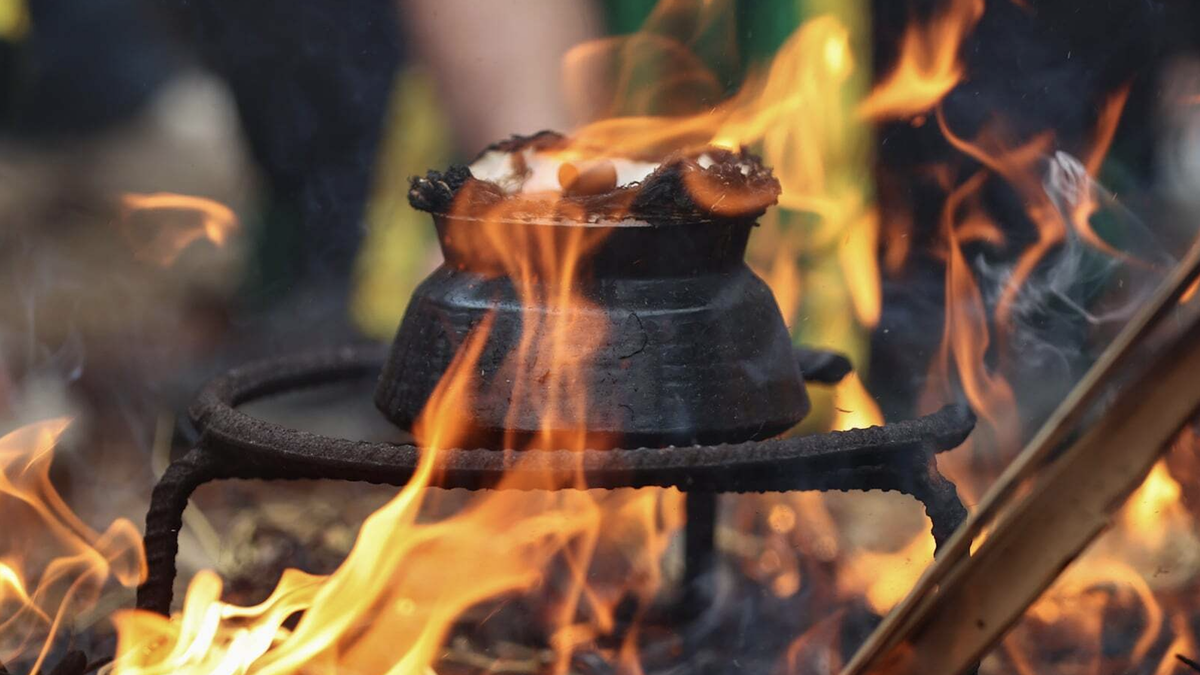
Never before has Tet (Vietnamese Lunar New Year) been so prevalent on social media as it is today. It begins with discount announcements and promotional races. It arrives through countdown status updates, meticulously edited photos, and greetings sent in seconds. And Tet ends when social media timelines shift to other stories. Technology has fundamentally changed how people approach Tet. No waiting, no extensive preparation; everything can be "pre-ordered," "quickly purchased," and "sent instantly." Convenience is undeniable. But in this very convenience, Tet seems to be losing its inherent slow pace. In the past, Tet was about waiting. Waiting for the pot of rice cakes to cook, waiting for New Year's Eve to arrive, waiting for guests to come. Today, Tet arrives very quickly and departs just as swiftly, like a notification that pops up and is then lost amidst a sea of other information.

Social media and the feeling of "having already celebrated Tet" (Vietnamese Lunar New Year).
Social media gives people the feeling that they are fully experiencing Tet (Vietnamese New Year): viewing Tet photos, reading Tet stories, sending Tet greetings. But sometimes, it's just the feeling of "having experienced" Tet, not truly "living" it. Many people approach Tet with the mindset of simultaneously celebrating, updating their social media, and responding to work. The family reunion meal is complete, but everyone's eyes are glued to the screen. Conversations are interrupted by new notifications. The moment of New Year's Eve is hastily captured to "post in time," then fades away in silence.
Tet, traditionally a time for complete togetherness, is facing the risk of fragmentation. People may connect with many others, but they lack deep connections with loved ones right beside them.

The risk of "losing Tet" doesn't come from reducing rituals.
"Losing Tet" isn't about people no longer making traditional cakes, having elaborate feasts, or performing all the rituals. Culture is constantly evolving, and so is Tet. The risk of "losing Tet" lies elsewhere: when Tet becomes merely a series of conveniences to be consumed, rather than a lived cultural experience. When everything can be bought, prepared, or sent ready-made, people easily lose their sense of participation. Meanwhile, the profound value of Tet lies not in the outcome, but in the process: cleaning the house together, cooking together, preparing together, and waiting together. It is this "meaningful busyness" that creates Tet memories. When the process is shortened to a minimum, the memories also become diluted.
Tet needs a moment of quiet to truly be present.
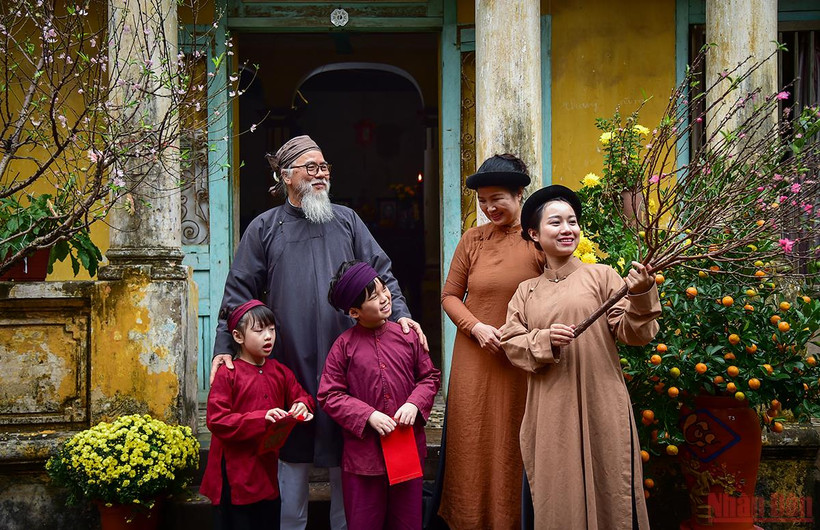
In today's digital age, perhaps what Tet needs most isn't more activities, but less noise. A moment of quiet for people to temporarily step away from the information rush, to listen to the voices of family, memories, and themselves. That quiet moment can be small: a meal without screens, an afternoon without notifications, an uninterrupted conversation. But it is these moments that help Tet return to its true meaning as a time for reunion and reflection. Tet doesn't demand much. Tet only needs people to be truly present.
Source: https://baolangson.vn/tet-can-mot-khoang-lang-5077881.html










































































Comment (0)