Amidst modern life, the Vietnamese Lunar New Year has undergone many changes, from the way people prepare for and celebrate the holiday to the customs of family reunions. But after all, Tet remains a sacred moment for everyone to turn their thoughts towards their homeland and family.
Traditional Tet celebrations were filled with love.
In the days leading up to Tet (Lunar New Year), the small kitchen of Mrs. Nguyen Thi Nguyet's family (Le Thanh Nghi ward) is ablaze with activity. Family members gather around, some washing rice, others preparing beans, and still others cleaning banana leaves to make banh chung (traditional Vietnamese rice cakes). This atmosphere evokes memories of a simple yet warm Tet of the past, where all worries seemed to be left behind the door of the old year.
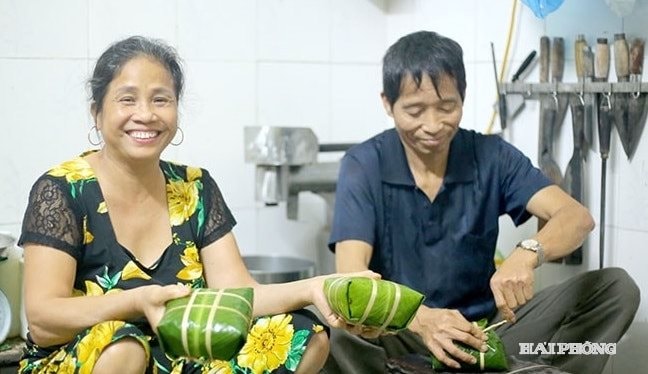
“Back then, we were very poor, and sticky rice cakes were only available during Tet (Lunar New Year), so we looked forward to them so much,” Mrs. Nguyet said, nimbly wrapping the cakes. She explained that she learned to wrap them as a young girl, and during the subsidy period, she was assigned to participate in a food preparation team. Even now, with a more comfortable life, her family still maintains the tradition of wrapping sticky rice cakes every Tet, not only for consumption but also to sell, preserving the craft and supplementing their income. Mrs. Nguyet's family story is a familiar glimpse into the Tet memories of many families in Hai Phong , where traditional Tet customs are still preserved.
At 80 years old, Mrs. Tran Thi Nu (Thai Tan commune) still clearly remembers the Tet atmosphere of the old days. “Tet in the past was simple but very joyful. The whole village waited for Tet as if it were a great joy,” Mrs. Nu slowly recounted. According to Mrs. Nu, from around the 26th to 28th of the 12th lunar month, every household had finished their farming work to prepare for Tet. On the 29th, adults would go to the Tet market together, and children were excited because they would soon have new clothes and get to eat dishes that were only available once a year. In the evening, neighbors would contribute sticky rice, pork fat, mung beans, and banana leaves, and together they would wrap banh chung (traditional Vietnamese rice cakes) and cook them all night by the warm fire.
Back then, Tet feasts weren't elaborate. "A simple banh chung (rice cake), a plate of chicken, and a plate of gio thu (pork sausage) were more than enough," Mrs. Nu recalled. Families who raised pigs would share one pig, dividing the meat to make banh chung and gio thu. In those difficult times, the bonds of community and neighborly love grew even stronger.


Images of Tet in the past are still associated with the New Year's pole, red couplets, the lively firecrackers on New Year's Eve, folk games, bright red lucky money envelopes exchanged, and simple yet heartwarming New Year's wishes. All of these create a Tet that, though lacking in material possessions, is rich in spiritual values.
This year's Tet holiday is more convenient.
In modern times, Tet (Vietnamese Lunar New Year) has taken on a different form. A more affluent and faster-paced life has led to the simplification of many old customs. Making banh chung (traditional rice cakes) at home is no longer common, as they are now readily available and delivered. Tet preparations no longer span months; a single trip to the supermarket or a few clicks of online shopping are all that's needed.
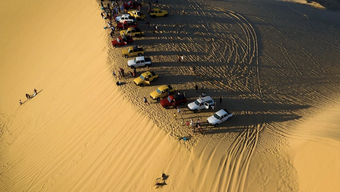
Along with that, the trend of traveling during Tet (Lunar New Year) is becoming increasingly popular. While traveling during Tet used to be rare, it has now become a familiar choice for many families. Many families hold their year-end ceremonies early, then the whole family travels to celebrate New Year's Eve in a different place. As a result, Tet sees fewer in-person visits, replaced instead by greetings via social media, text messages, and video calls.
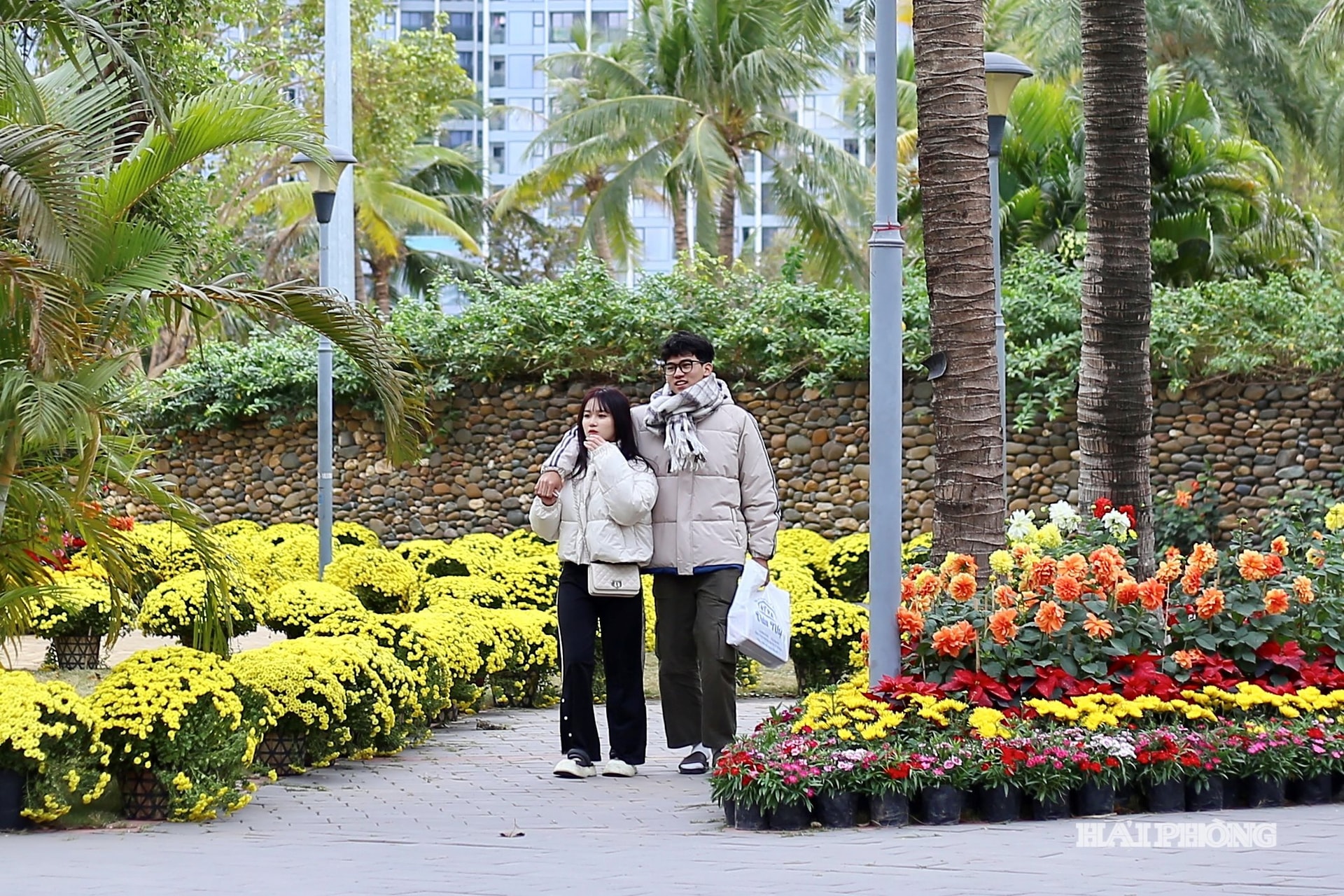
Mr. Le Kha Bach (30 years old, residing in Hai An ward) said that for the past three years, his family has traveled during the Lunar New Year holiday. “Both sides of the family held their year-end ceremonies early, so my wife and I took advantage of the opportunity to go on a few days of vacation. For us, it's a way to relax after a stressful year of work,” Mr. Bach shared. According to Mr. Bach, traveling during Tet doesn't mean abandoning the holiday. “We still have the year-end feast, and we still call our grandparents and parents to wish them a Happy New Year on New Year's Eve. The only difference is that the moment of entering the new year takes place in a different place, where we can be together and relax,” he said.
Bach's story shows that the trend of young people traveling during Tet (Lunar New Year) doesn't necessarily diminish traditional values, but rather reflects the need to balance rest and maintaining family bonds in modern life.

.jpg)
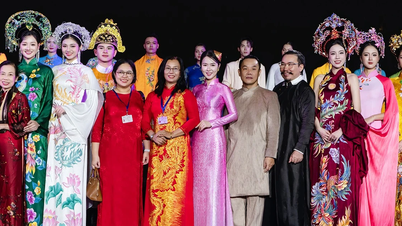
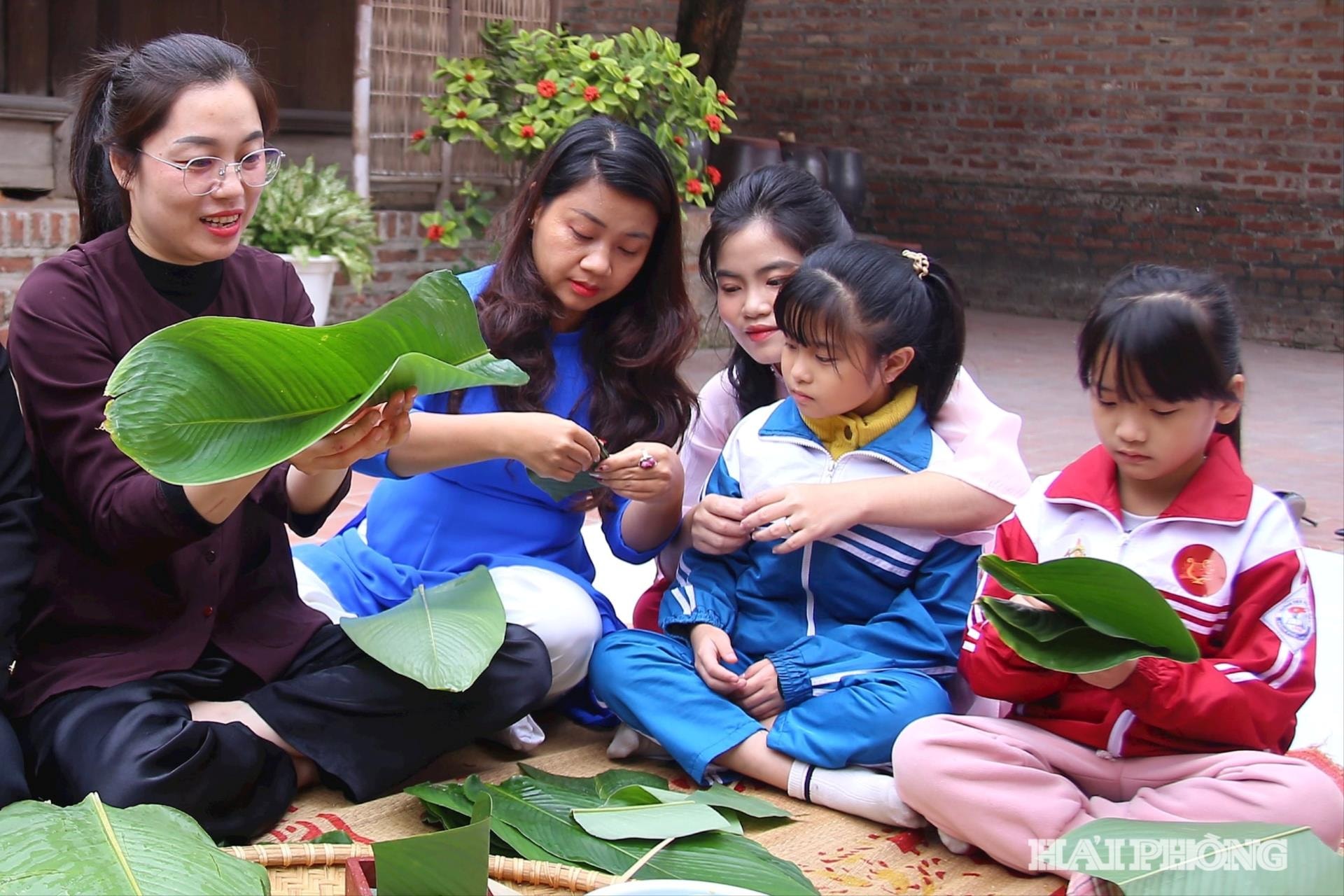
For young people, some choose a simpler Tet holiday, resting more to recharge their energy. However, many young people are also starting to return to traditional values such as taking photos in traditional ao dai dresses during Tet, learning to wrap banh chung (traditional rice cakes), and learning about traditional customs as a way to connect with national culture.
Despite many changes, Tet (Vietnamese Lunar New Year) still retains its core value of family reunion. Regardless of how one celebrates Tet—at home or while traveling, traditionally or modernly—the greatest wish of everyone remains to be reunited with family, connecting with their roots after a year of hard work.
LINH LINHSource: https://baohaiphong.vn/tet-xua-va-nay-534662.html