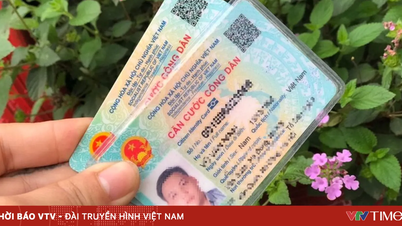
Nghiêm cấm yêu cầu công dân xuất trình giấy tờ đã được tích hợp vào căn cước điện tử
From July 1st, the new Identity Card Law stipulates that the National Identification Application (VNeID) is an application on digital devices to serve electronic identification and electronic authentication in resolving administrative procedures, public services, and other transactions in the electronic environment, developing utilities to serve agencies, organizations, and individuals.
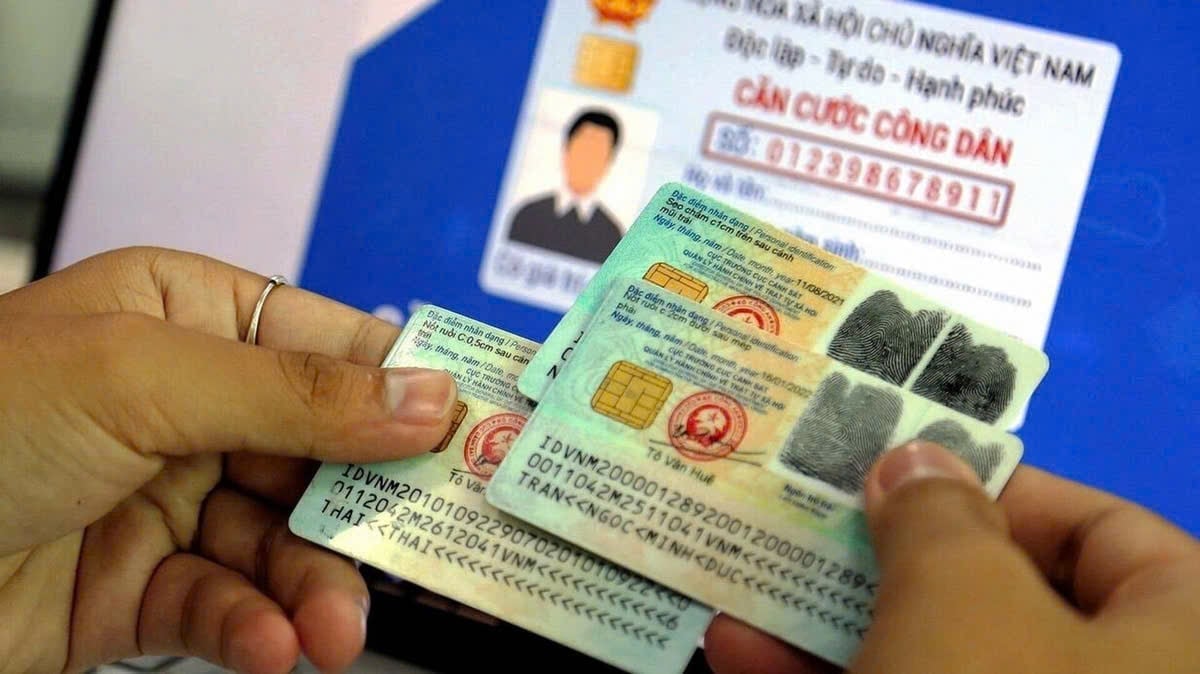
The law adds a provision prohibiting citizens from presenting documents already integrated into the electronic identity card and national identification application to process administrative procedures. Photo: NNMT.
The law adds a provision prohibiting citizens from presenting documents already integrated into the electronic identity card or national identification application to process administrative procedures, except in cases where the information provided by the citizen is inconsistent with the integrated information or where the law stipulates otherwise.
The law also specifies the procedures for accessing information in the National Population Database; the roadmap and deadlines for completing the connection and sharing of data with this database.
In addition, the law also stipulates that the issuance or re-issuance of identity cards can be done online through the public service portal, the VNeID application, or directly at the place of application for the following cases: when information changes due to the reorganization of administrative units; when the identity card is lost or damaged and unusable.



The identity card issuing authority uses facial image, fingerprint, and iris information that was most recently collected, as well as existing information in the National Population Database and the Identity Card Database, to reissue identity cards.
Ensuring the right of children under 6 years old to live with their parents.
In the field of residency, from July 1st onwards, the law strictly prohibits processing permanent or temporary residency registrations when it is known that the applicant does not reside at that address, except in the case of registering children under 6 years old to live with their father, mother, or guardian.
Children under 6 years old can be registered as permanent residents at a legally owned residence when they move in with their parents or guardians, without requiring the consent of the head of the household or the legal owner of that residence.
When applying for permanent residency, the declaration form for changes in residency information does not require the consent of the head of the household, the legal owner of the residence, or an authorized representative for permanent residency registration.
According to the new law, citizens can register their permanent residence at a legally owned dwelling if they obtain the consent of the head of the household and the legal owner of the dwelling in the following cases:
Wives return to live with their husbands, husbands return to live with their wives; children aged 6 and above return to live with their parents or guardians; parents return to live with their children; people lacking legal capacity, and people with difficulties in understanding and controlling their behavior return to live with their guardians.



Elderly people live with their siblings, nephews, and nieces; people with severe disabilities, people with serious disabilities, people unable to work, people lacking civil capacity, people with difficulties in understanding and controlling their behavior live with their paternal grandparents, maternal grandparents, siblings, uncles, aunts, and nephews.
Minors who, with the consent of their parents or guardians, or who are orphaned, may live with their great-grandparents (paternal or maternal), paternal or maternal grandparents, siblings, uncles, aunts, or cousins.
Nguồn: https://nongnghiepmoitruong.vn/thay-doi-lon-ve-can-cuoc-cu-tru-d818513.html


![[Photo] "Hanoi Lotus Festival" honors the lotus flower that has been associated with Vietnam for thousands of years.](https://vphoto.vietnam.vn/thumb/1200x675/vietnam/resource/IMAGE/2026/06/27/1782516943048_sen-ha-noi-2026-minh-duy-1-jpg.webp)