

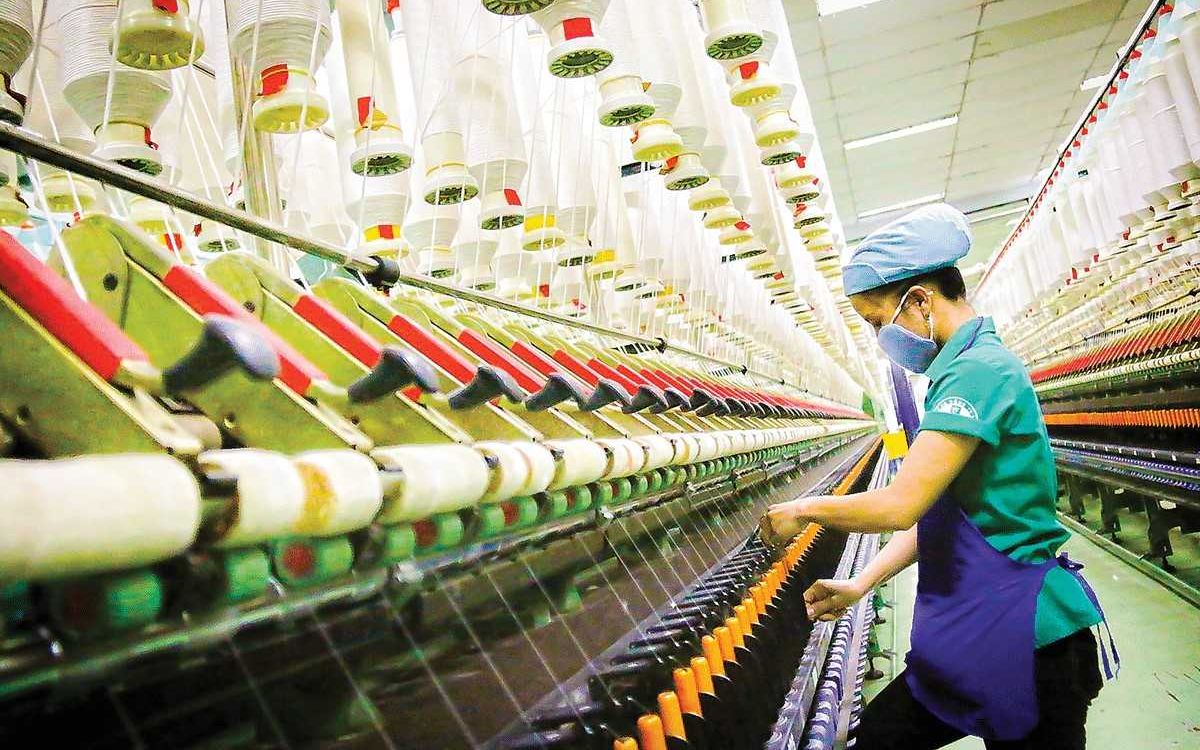
Vietnam is facing significant challenges in realizing its aspiration for double-digit growth in the coming period. Reducing administrative procedures and reforming institutions are the "golden keys" to unlocking the inherent production capacity of the economy .
"Double-digit" targets – a challenge to the traditional growth model.
Following a strong recovery from the impact of the pandemic, the Vietnamese economy is at a crucial juncture in its growth model transformation process, poised for breakthrough growth. According to the General Statistics Office ( Ministry of Finance ), GDP growth in the third quarter of 2025 was projected at 8.23% year-on-year, and the full-year growth is expected to reach approximately 8.3-8.5%. This achievement further solidifies Vietnam's position as one of the most dynamic economies in the region. However, the greater aspiration of the government and experts is to achieve double-digit average growth during the 2026-2030 period.
To realize this aspiration, it is clear that Vietnam cannot continue to rely solely on old drivers such as exploiting cheap labor, credit growth, and public investment. These drivers have begun to show their limitations and are not strong enough to propel the economy onto a new "miracle" growth trajectory. Instead, systemic breakthroughs are needed, focusing on unlocking endogenous resources.
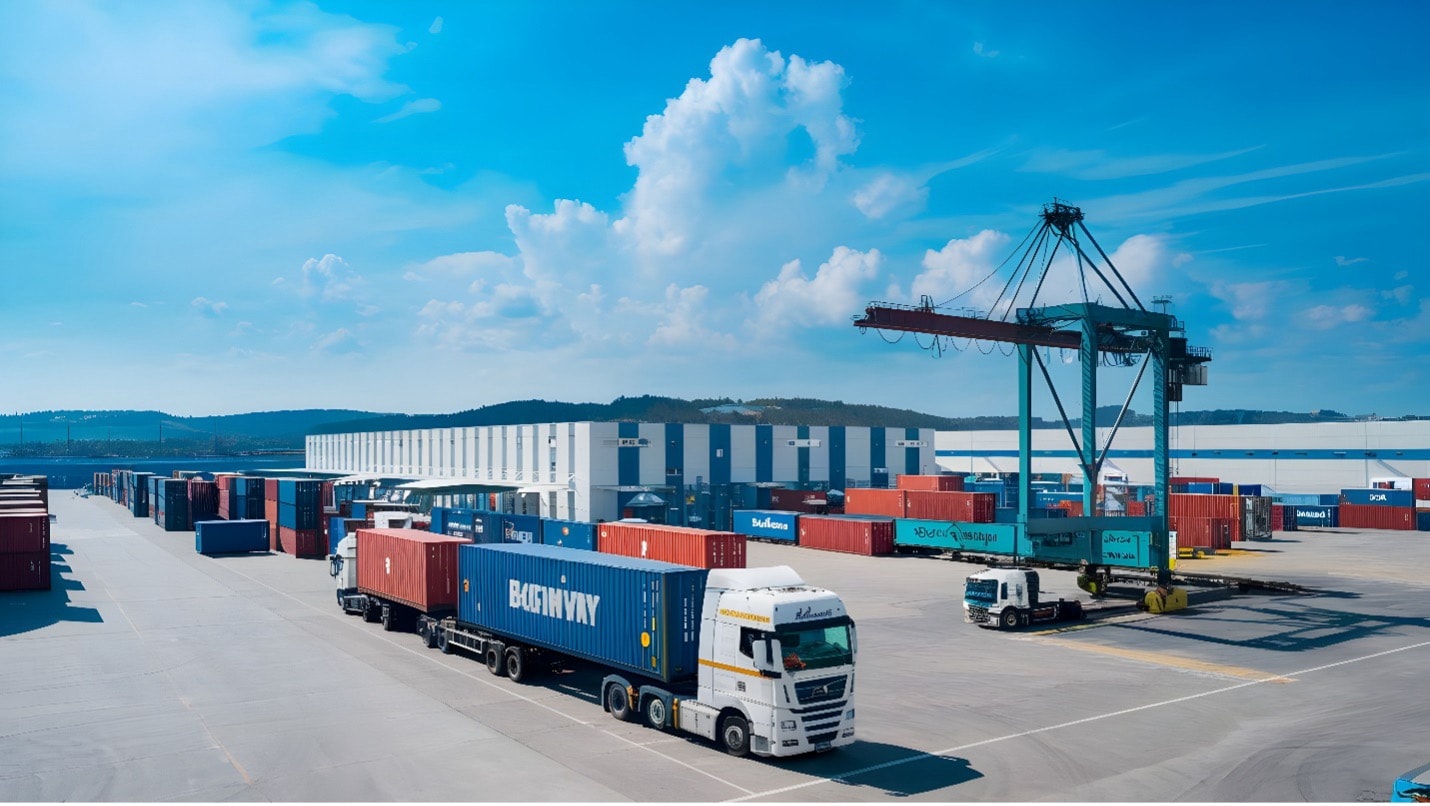
When businesses no longer have to worry about unnecessary procedures, they can focus all their efforts on production and innovation.
The most crucial factor currently is considered to be institutional reform and improving the business environment. Despite numerous efforts, the burden of administrative procedures and business regulations remains a major obstacle, creating high compliance costs, eroding confidence, and delaying investment and business decisions for enterprises. Especially in the context of a volatile global economy, the need for stability and transparency in policies by multinational corporations and domestic investors is more urgent than ever.
Economists and the business community agree that Vietnam's potential growth is being "frozen" by the overlapping and complexities of regulations. Reducing the time and money spent on administrative procedures would free up enormous resources, creating a multiplier effect on productivity and investment. Economist Dr. Nguyen Minh Phong argues that the most important goal of administrative reform is to create transparent, fair, and predictable policies. When businesses no longer have to worry about unnecessary procedures, they can focus all their efforts on production and innovation. This is a competition of speed and cost, where administrative procedures are a critical weakness if not thoroughly addressed.
The transformation of the growth model requires a shift from extensive investment (increasing quantity) to intensive investment (increasing quality and efficiency). To achieve double-digit growth, the rate of increase in social labor productivity needs to reach 6-7% per year, a goal unattainable if compliance costs remain high and policy risks persist. The change must come from creating a transparent, safe, and highly predictable business environment that places businesses on a level playing field internationally.
Domestic businesses, already facing intense competition, are the ones who feel this burden most acutely. Ms. Le Thi Minh Hoa, Director of Minh Viet Industrial Equipment Manufacturing Company, shared: "We want to invest in expanding our factory, but the process of obtaining construction permits, fire safety permits, and land-related procedures takes too long, sometimes even longer than the time it takes to install the production line. If we could save 6 months on procedures for each project, we could bring our products to market sooner, generating higher revenue and profits, which would be a real driving force for growth." This clearly demonstrates that institutional liberalization is not just a reform on paper, but a direct leverage of capital and time for businesses.
Institutional reform – the intangible capital of growth.
In this context, institutional reform and streamlining administrative procedures are not merely administrative tasks but have become groundbreaking macroeconomic solutions. These are the main drivers for creating differentiation, attracting high-quality investment, fostering innovation, and building market confidence.
The government is aggressively implementing resolutions aimed at reducing the time and cost of administrative procedure compliance by 50% compared to 2024. The focus is on digitizing 100% of administrative procedure records and results, providing full-process online public services, and strictly implementing policy impact assessments from the drafting stage of legal documents. These commitments demonstrate the highest level of political determination to create a leap forward in the business environment.
Experts believe that in this new phase of development, the most important drivers of growth will not only come from investment capital or exports, but also from institutional reforms and improvements in the quality of national governance.
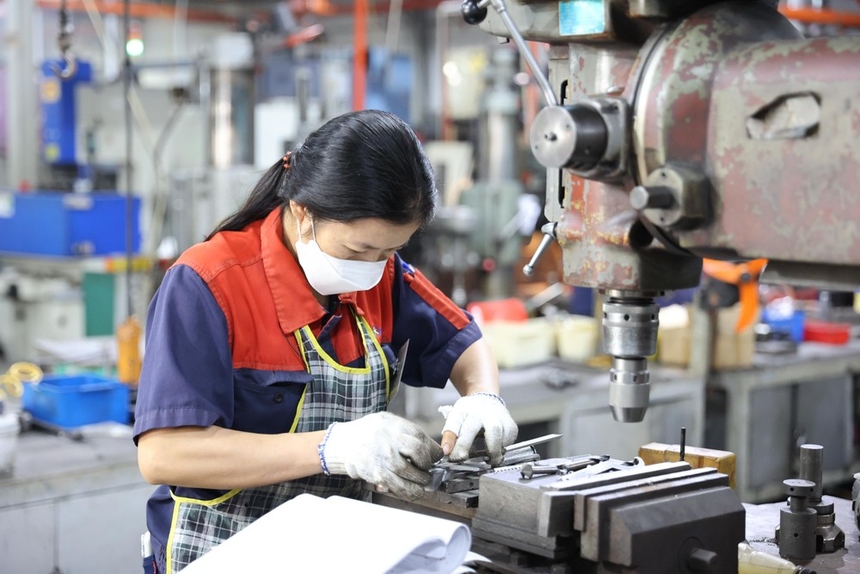
Administrative reform has become a mandate for action to unleash productive forces and unlock resources for growth.
Assessing the role of reform, Mr. Phong stated that achieving double-digit growth in the next five years is a significant challenge but entirely achievable if Vietnam creates institutional breakthroughs. “If we rely solely on exports, the economy will struggle to achieve breakthroughs in the short term. We need to strongly promote domestic demand and, especially, administrative and institutional reforms,” he said. According to him, a transparent, streamlined, and efficient institutional system will create enormous “invisible capital” for the economy, helping businesses reduce costs, increase productivity, and enhance competitiveness. When institutional reforms are coupled with macroeconomic stability, Vietnam will have a solid foundation to sustain high growth and pursue its aspiration for breakthroughs.
Administrative reform is no longer just a slogan, but is becoming a mandate for action to unleash productive forces and unlock resources for growth. Today's macroeconomic stability lies not only in keeping inflation low, but also in the transparency, consistency, and predictability of policies. When the "rules of the game" are clear and procedures are streamlined, businesses will confidently invest long-term, shifting capital from a defensive stance to expanding production and business operations.
According to a 2025 survey by the Vietnam Chamber of Commerce and Industry (VCCI), 75% of FDI enterprises rated policy stability and predictability as more important than tax incentives. This shows that institutional reform is not just an administrative matter but has become a core element of national competitiveness.
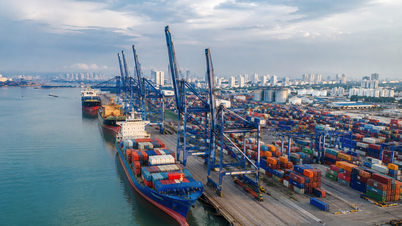
A clear example is in the field of public finance, where the Ministry of Finance has implemented a program to reduce and simplify administrative procedures by 2025, focusing on taxpayers. Strong reforms in taxation, customs, and digital transformation have significantly shortened the time required for tax declarations, refunds, and customs clearance, saving businesses hundreds of working hours annually, while also increasing transparency and market confidence.
Institutional reform is therefore not only a "necessary condition," but has become a "growth engine"—a stimulant that will help Vietnam move faster towards its double-digit growth target in the next decade, with a streamlined administrative apparatus, transparent policies, and a business-centric service spirit as its foundation.
Source: https://vtv.vn/the-che-but-pha-tang-truong-but-toc-100251022111331038.htm













































































































Comment (0)