 |
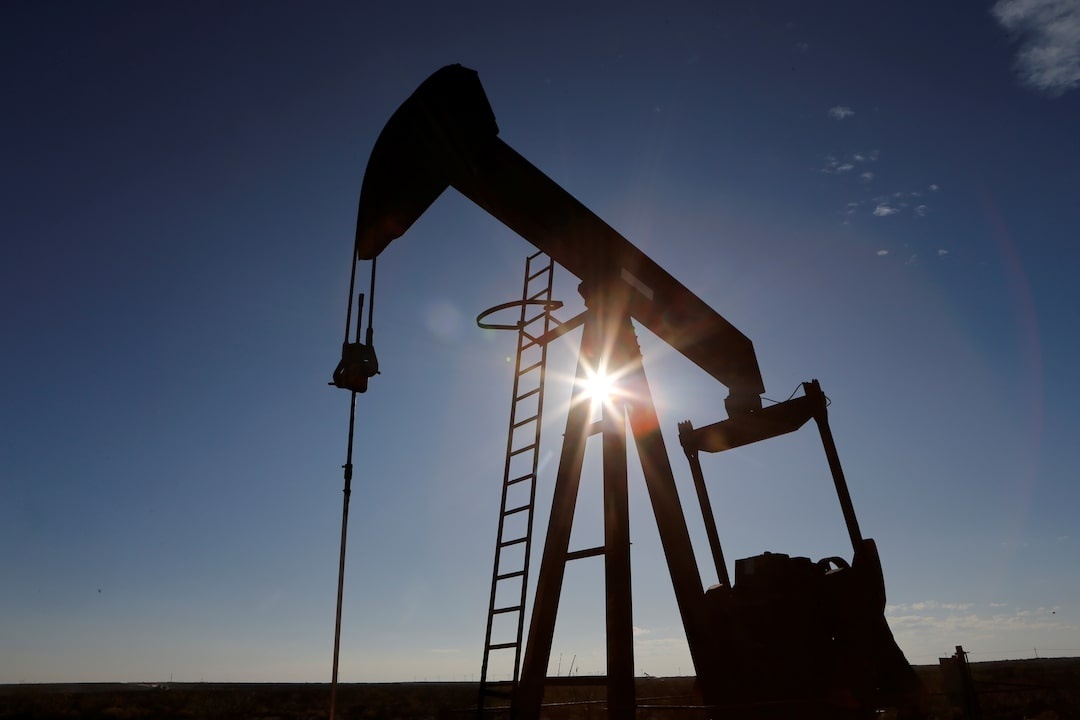
The sharp drop in oil demand in China following the outbreak of hostilities in Iran is raising the question: Has the world passed its peak oil consumption period?
China is the pioneer.
According to JPMorgan, China's oil demand has fallen 9% compared to the period before the Iran conflict broke out. This is a decline typically only seen in severe economic recessions. For comparison, global oil demand only fell by about 2% during the Great Recession of 2008.
However, in reality, the Chinese economy is stable. Despite the energy supply shock described as the largest in world history, and despite China importing approximately 70% of its oil consumption and being Iran's largest oil customer, the energy situation in China remains under control.
It is noteworthy that the decline in oil demand in China did not stem from mandatory fuel-saving measures imposed by the government , but primarily from a rapid shift in consumer behavior.
Chinese people are increasingly using electric vehicles and public transportation, and replacing international travel with closer destinations.
Similar trends are emerging in many parts of the world. Some of these changes will have a long-lasting impact on global oil demand, even when the Strait of Hormuz reopens normally.
In other words, the world may have reached its "peak of oil consumption," after which demand for oil will begin to decline and it will be difficult to return to previous high levels.
 |
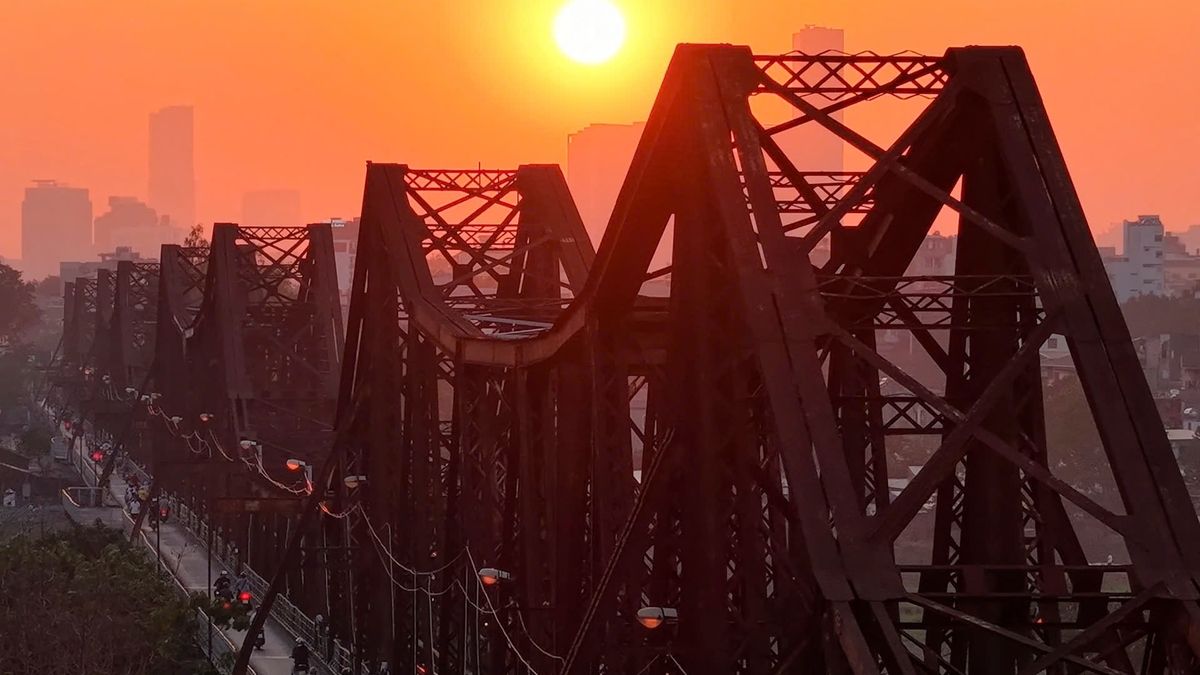
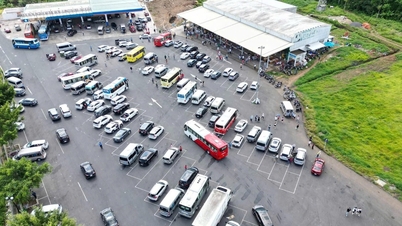
Vehicles travel across the Nanjing Bridge over the Yangtze River in Nanjing, China, on May 1st. Photo: Xinhua . |
According to CNN , China has largely avoided the fuel shortages experienced by some of its neighbors thanks to its massive crude oil reserves accumulated before the outbreak of the conflict in Iran.
However, this is not the main reason. A more significant change had already occurred before the fuel price surge: many Chinese consumers were switching to electric vehicles.
According to China's Ministry of Transport, during this year's five-day International Labor Day holiday, the amount of electricity used to charge electric vehicles on China's highways increased by 55.6% compared to the same period last year.
During the holiday period, nearly a quarter of the vehicles traveling on the highway were electric vehicles, a 33% increase compared to the previous year.
Meanwhile, air passenger numbers in China decreased by 5.7%, primarily due to a decline in international flights. Conversely, domestic flights increased by 3.5%. Train passenger numbers during the holiday period also increased by 4.6%.
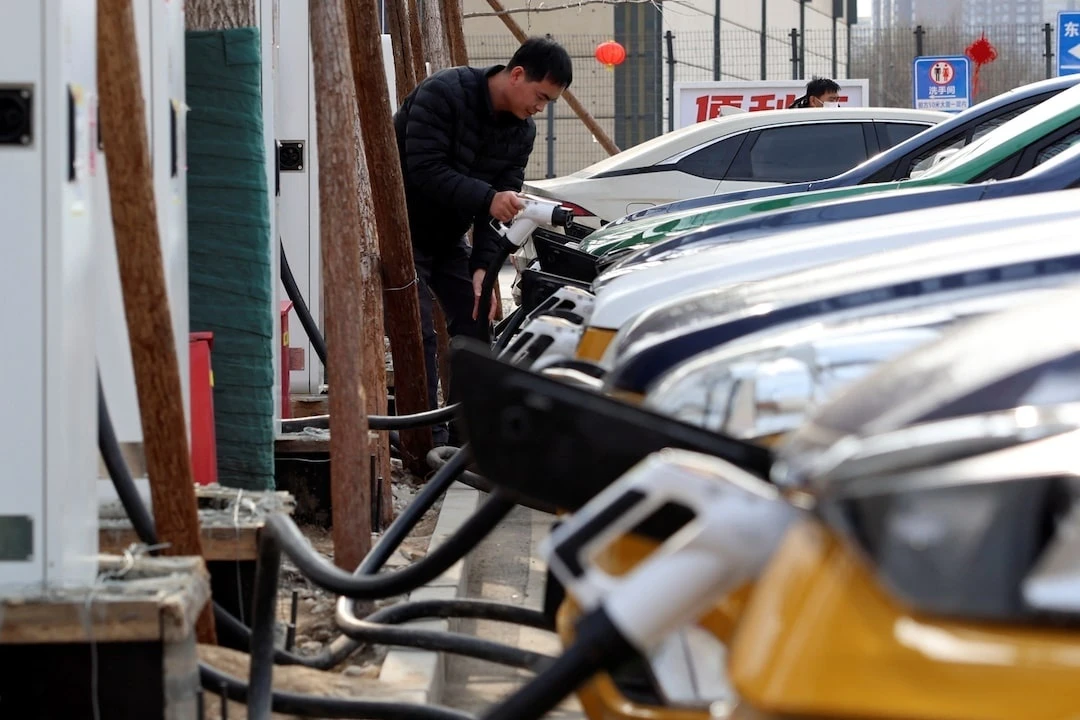 |
Electric vehicle charging station in Beijing, China. Photo: Reuters . |



A similar situation is unfolding in Europe. According to JPMorgan, the number of new car registrations in Europe is currently at its highest level in seven years. Sales of hybrid vehicles (cars that run on both gasoline and electricity) are playing a leading role in this trend.
Electric vehicles are also becoming increasingly affordable to operate thanks to falling electricity costs in Europe. This is a result of significant investments in wind and solar power over the past decade. However, this trend is not uniform across all countries.
In the US, electric vehicle sales have not increased significantly since Republican lawmakers, with the support of President Trump, eliminated government incentives for electric vehicle buyers.
However, according to Natasha Kaneva, head of commodity strategy at JPMorgan, even if only a few sectors in the world's largest economies experience a long-term decline in oil consumption, it could mean that global oil demand never returns to its previous levels.
"History shows that oil supply shocks often lead to a prolonged decline in gasoline demand. This crisis may be no exception," Kaneva stated.
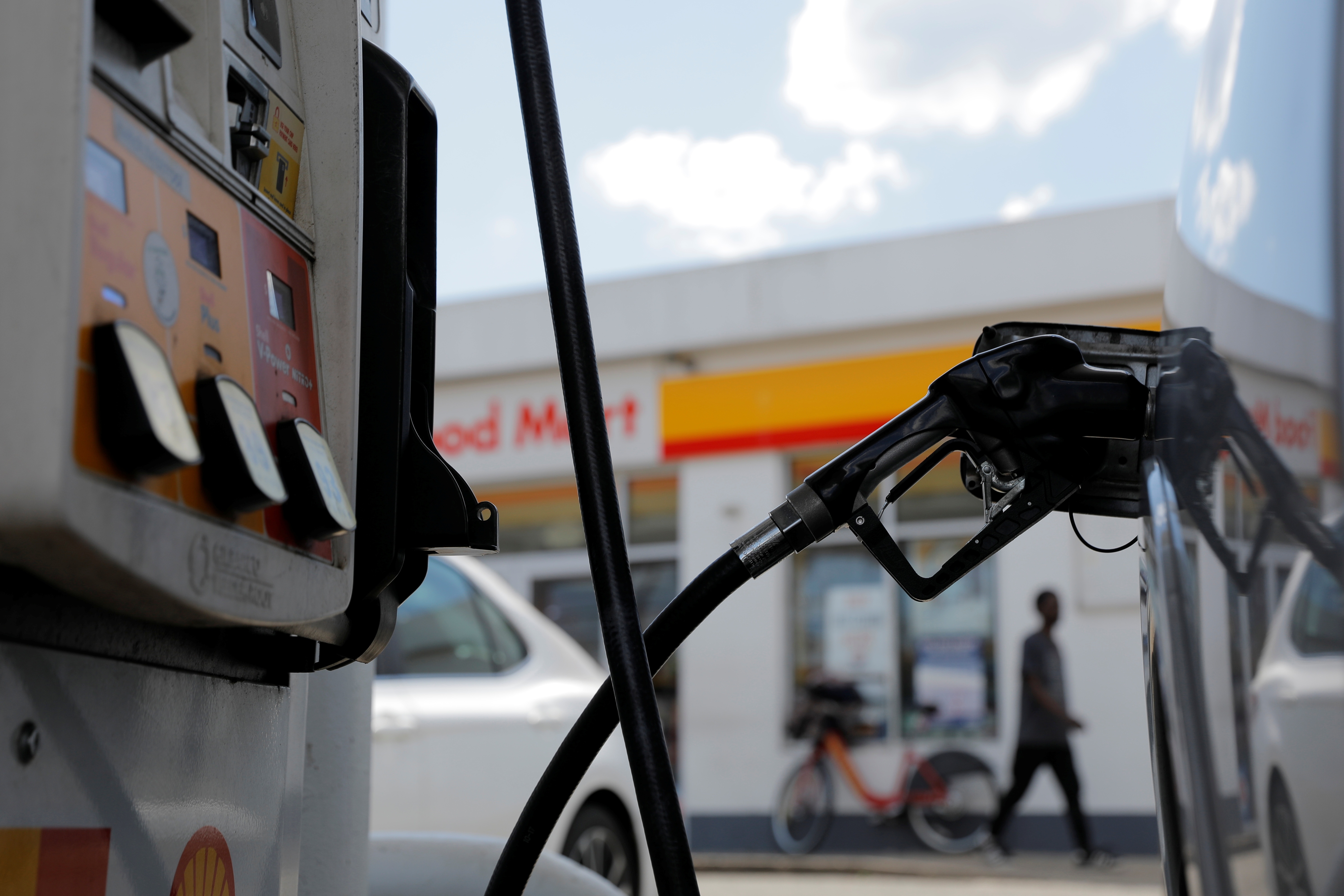 |
Crises always bring about changes in human behavior. Photo: Reuters . |
The world learned to adapt to the oil crisis of 1973. At that time, countries collaborated to establish the International Energy Agency (IEA) to coordinate and monitor efforts to reduce dependence on oil.
Also during the 1970s, the number of nuclear power plants increased sharply, public transportation systems were expanded, and many new standards for evaluating energy efficiency were applied to transportation...
The United States and many other countries also began building strategic oil reserves around that time. During this period, the U.S. Congress also established the Department of Energy.
The 1970s saw the largest decline in demand for fossil fuels in U.S. history.
Other crises also consistently bring about lasting changes. For example, the Covid-19 pandemic made remote work the norm, permanently reducing the number of people commuting to work each day worldwide, leading to a corresponding decline in demand for traditional offices.
The world adapts
According to CNN , the conflict in Iran has significantly reduced global oil demand. In March, oil demand fell by 2.8 million barrels per day. This decline increased to 4.3 million barrels per day in April and 5.6 million barrels per day in May.
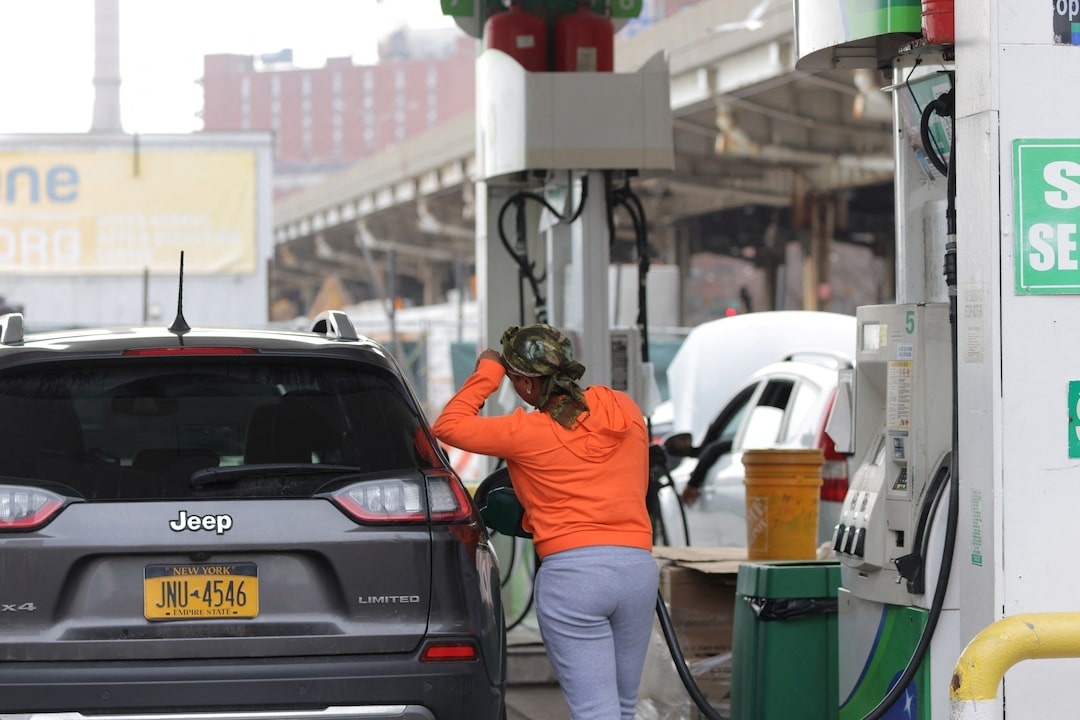 |
The world is adapting to the energy supply crisis, and demand for oil may never return to its previous levels. Photo: Reuters . |
The current decline means that global oil demand is even lower than the drop of up to 10 million barrels per day recorded during the Covid-19 pandemic, when people in many countries around the world restricted travel.
Even as demand gradually recovers, global oil consumption is not projected to return to its previous levels.
The International Energy Agency (IEA) forecasts that demand for oil and refined products will remain below average by about 418,000 barrels per day until the end of this year.



In China alone, JPMorgan estimates that 180,000 barrels of gasoline have already disappeared from the market's daily demand. "Once consumers switch to electric vehicles, that trend is very difficult to reverse," Kaneva stated.
It remains unclear when the Strait of Hormuz will reopen. The longer this shipping route remains closed, the more changes will occur and become ingrained in consumer habits.
Nevertheless, the world's dependence on oil remains very high. Factories, power plants, and the plastics industry still need crude oil to operate. Therefore, oil is not going to disappear in the near future.
According to Alan Gelder, research director at the consulting firm Wood Mackenzie, when the Strait of Hormuz reopens, most oil-powered machinery and equipment will remain unchanged and will continue to require fossil fuels to operate.
In addition, some of the lost oil demand in the market can be offset as countries need to replenish their strategic oil reserves. It is estimated that replenishing oil reserves will create an additional demand of 1 million barrels per day until 2028.
The impact of changes in consumer behavior will not be clearly reflected in oil market data until the following years, or even the next decade.
Once the changes have been reflected in the data and have lasting effects, they have impacted the economy. At that point, the global oil market officially enters a new phase.
It is still too early to say whether the world has passed its “peak demand” for oil. But one thing is certain: the conflict in Iran has accelerated the energy transition in many countries, weakening the world's demand for oil in the long term.
Source: https://znews.vn/the-gioi-dang-cai-dau-post1658240.html

![[Image] Schools organize meetings and introduce teaching models to students admitted to grade 10.](https://vphoto.vietnam.vn/thumb/1200x675/vietnam/resource/IMAGE/2026/06/25/1782368077271_ndo_br_z7970052192242-1ec8daeb77a6eed1a4e9f58c564ddd3e-jpg.webp)

![[Image] Ho Chi Minh City: Ma Lang area, Chicken-Rice Market about to change its appearance](https://vphoto.vietnam.vn/thumb/1200x675/vietnam/resource/IMAGE/2026/06/25/1782377698627_ndo_br_m1-jpg.webp)

![[Photo] General Secretary and President To Lam receives Palestinian Ambassador Saadi Salama](https://vphoto.vietnam.vn/thumb/1200x675/vietnam/resource/IMAGE/2026/06/25/1782365384740_a1-bnd-9423-8322-jpg.webp)