

Credit scores are calculated based on a customer's credit history, including whether they have repaid loans and credit card balances on time or late, the number of open credit accounts, and the amount of outstanding debt.
Credit scores typically range from 150 to 750 points. This number is a measure of a customer's financial credibility. A credit score directly impacts the likelihood of being approved for financial products such as loans and credit cards.
A high credit score increases the likelihood of loan and credit card approval, while a low credit score can make it difficult to access financial services.
The importance of credit scores
Credit scores play an extremely important role in modern life. They act like a financial "resume," reflecting your reliability in repaying debts.
- Loan eligibility: A high credit score makes it easier for banks and financial institutions to approve loans. Conversely, a low credit score may lead to loan rejection.
- Loan interest rates: Financial institutions typically consider credit scores to assess risk before determining loan interest rates. If your credit score is high, you'll have a better chance of borrowing at a lower interest rate, saving on interest costs in the long term, and vice versa.
- Ability to open new credit cards and credit limits: Customers with high credit scores have the opportunity to use new credit cards with many attractive benefits and high credit limits, better meeting their spending needs.
Factors affecting credit score
Payment history (accounts for 35%)
- This is the biggest influencing factor and the foundation for building a good personal credit score. Your payment history shows whether you pay off your debts on time.
- The constituent elements:
Number of late payments: Each time you are late in making a payment on a loan you "borrowed" from the bank, it will be recorded in your credit file and will lower your score.
The degree of delay: The longer the payment is overdue, the greater the impact on your credit score. For example, a 30-day delay will result in a greater loss of points than a 10-day delay.
Amount owed (30%)
- The debt ratio is the total amount you owe across all your loans. A high debt ratio may indicate financial difficulties, making lenders hesitant to grant you further loans.
- The constituent elements:
Total debt: This includes credit card debt, consumer loans, mortgages, and other loans. If your total debt is too high relative to your income, this will negatively impact your credit score.
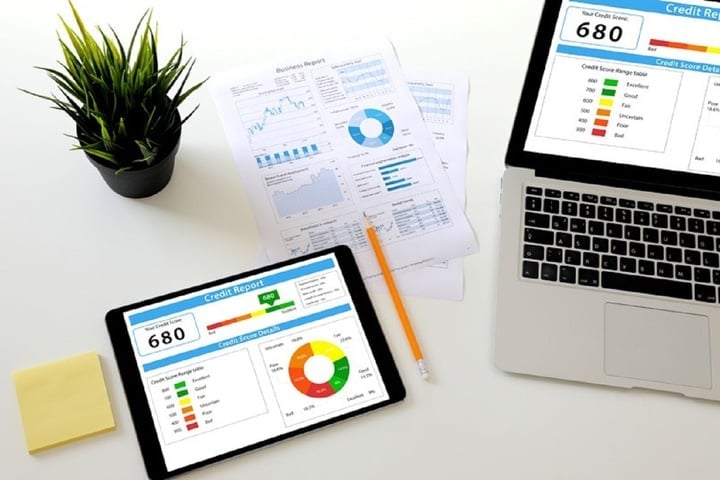
Credit scores have a significant impact on loan eligibility, credit card limits, interest rates, and many other financial aspects.
Credit utilization ratio: This is the ratio between the amount of money you owe and your credit limit. The lower this ratio, the higher your credit score, because a low credit utilization ratio indicates that you haven't used up your borrowing capacity.
Time taken to open a credit account (accounts for 15%)
A long credit history generally indicates that you are a reliable borrower and likely to repay your debts in the future. Banks and financial institutions often value customers with a long-term and stable credit history.
Credit accounts for 10% of the total.
Using a variety of credit options demonstrates good financial management skills. Combining installment credit such as mortgages and car loans with revolving credit like credit cards will help improve your credit score.
New credit accounts (accounting for 10%)
New credit accounts refer to the number of new loans you open within a given period. Too many new loans in a short time may indicate financial hardship. Opening too many new credit accounts can also negatively impact your credit score because it creates financial pressure and risk for credit institutions.
How to check your personal credit score
- Check the CIC website: The National Credit Information Center (CIC) is a state-owned organization that plays a crucial role in collecting, storing, and providing credit information for organizations and individuals in Vietnam. All information about your credit history, including loans, credit cards, payment history, etc., is stored and regularly updated by CIC.
- Check at the bank: You can contact the hotline or go directly to the branch/transaction office of the bank you are using to request a credit score check.
Source: https://vtcnews.vn/the-nao-la-diem-tin-dung-ar913038.html




![[Photo] General Secretary and President To Lam receives Amazon's Senior Vice President David Zapolsky](https://vphoto.vietnam.vn/thumb/1200x675/vietnam/resource/IMAGE/2026/05/22/1779466547770_a1-bnd-3513-6601-jpg.webp)
































































































Comment (0)