

Reading culture in the flow of the times
In the digital age, reading habits are facing numerous challenges from the consumption of social media content, short videos , online games, movies, and more. Today, the image of many young Vietnamese people spending hours in front of their phones and computers is no longer uncommon, while young people who read books seem to be becoming more quiet.
According to several reports from the Ministry of Culture, Sports and Tourism, the average Vietnamese person reads only about 1-4 books per year, much lower than the target of 6 books per person and countries like Singapore (14 books), Malaysia (17 books), and Japan (10-20 books). Of those books read, the majority are textbooks or required learning materials; reading for personal enjoyment, to broaden knowledge and nourish the soul, remains quite modest.
On the other hand, the explosion of digital technology has brought about fast, concise, and engaging forms of information access. Paper books are being challenged by fast-paced forms of entertainment. For example, videos summarizing book content in a few dozen seconds, inspirational quotes circulating on social media, or entertainment apps designed to keep users engaged for hours on end, have somewhat changed how people access knowledge. Reading, once a slow and focused journey, is gradually being replaced by fragmented pieces of information that are easily accessible but also easily forgotten.
Not only young people, but many adults also acknowledge that reading printed books is becoming a "luxury" in their busy lives. After a stressful workday, browsing social media or watching short videos provides a quicker sense of relaxation than sitting down with a thick book. However, even those involved realize the gap left by this "instant" way of acquiring knowledge: a feeling of constant updating but lacking depth, understanding a lot but not remembering it for long, knowing a broad range but struggling to reflect deeply.
Reading culture in Vietnam still faces many other challenges, such as: a significant gap in access to books between urban and rural areas; many local libraries lack new books and attractive spaces; and spending on books as a percentage of people's total cultural expenditure remains modest…
These realities pose significant challenges to reading culture in particular, as well as to the process of building a learning society in general – where "lifelong learning" is identified as a key driving force for holistic human development. From the perspective of viewing learning as a journey without end, many previous generations have emphasized the role of reading in cultivating critical thinking and building character. Learning is not only about accumulating knowledge, but also about developing the ability to think independently, critically, and act responsibly towards oneself and the community. Therefore, reading culture is not simply a personal habit, but the core foundation of a truly meaningful learning society.
The subtle shifts in reading habits
It is noteworthy that, amidst the rapid changes of the times, reading culture has not completely disappeared, but is transforming, adapting, and being preserved in quiet yet persistent and humane ways. Today's models for spreading reading culture are increasingly personalized, emphasizing the spirit of sharing knowledge, and therefore all the more valuable.

One of the most vivid examples of this spirit is home libraries, where books are not kept as private property but are shared as a common value among generations within the family. Families are increasingly playing a crucial role in shaping children's reading habits, from small actions like reading together, creating a reading space at home, or taking children to libraries and book fairs on weekends. When children grow up in an environment that respects and cherishes knowledge, reading gradually becomes a natural part of life. As writer Nguyen Nhat Anh once said: "If you don't instill a reading habit in children, then when they reach adolescence, even if you shove books in their hands accompanied by flowery words about the benefits of reading, they will hardly listen."
In addition, there are open reading spaces that don't require library cards or strict regulations, operating primarily on faith and love for books, such as book cafes. There, books are cherished, knowledge is valued; readers are encouraged to read slowly, deeply, and thoughtfully, rather than blindly following trends. The appeal of these models lies not in their form, but in the attitude of those who preserve the books – humility before knowledge and a willingness to share and spread the love of reading naturally and sustainably.
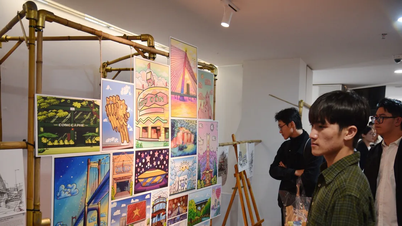
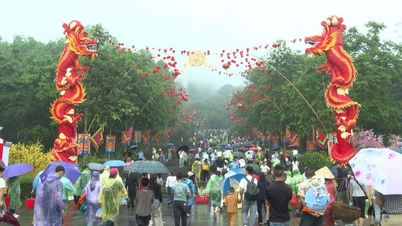
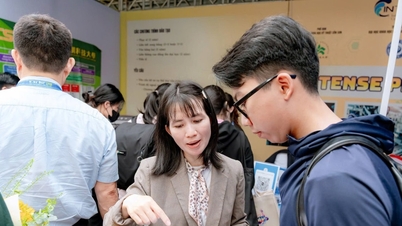
A clear manifestation of the revival of reading culture is the vibrancy of book fairs and reading promotion activities in the community. In recent years, book festivals held every spring have become a beautiful cultural feature of many major cities such as Hanoi and Ho Chi Minh City. Along with Vietnam Book and Reading Culture Day on April 21st each year, these events are not simply commercial in nature, but also create spaces for meeting, dialogue, and sharing knowledge among readers, writers, and book publishers, or simply among those interested in knowledge.
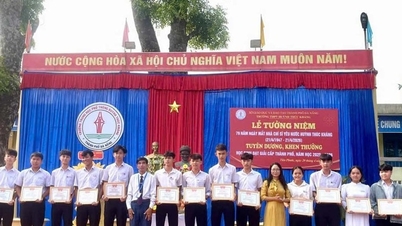
Simultaneously, activities promoting reading culture in schools and communities have also seen many good and practical initiatives. Many primary and secondary schools have built standard and friendly libraries; numerous localities have implemented models such as "reading time," "classroom book shelves," and "green libraries." Although the level of implementation varies across regions, the general direction has become clear: reading is not only a learning skill, but also an important component of cultural education and character formation.
The good news is that reading culture is not opposed to modern technology. On the contrary, if properly guided, technology can become a bridge bringing books closer to contemporary life. Audiobooks allow busy people to "read" while commuting; e-books help knowledge transcend spatial limitations; and online platforms facilitate connection, exchange, and the spread of reading inspiration among book lovers. Alongside traditional printed books, the increasing proportion of e-books and audiobooks reflects a flexible shift in how knowledge is accessed. Reading, therefore, is no longer confined to libraries or classrooms, but has permeated many aspects of daily life, becoming a natural part of modern living.
Reading habits are gradually shifting from being "obligatory" to "optional." For many people, especially young people, reading is not only for academic or work purposes, but also a way to balance their minds, broaden their perspectives, and find necessary moments of quiet amidst the hustle and bustle of life. When reading stems from an intrinsic need rather than external pressure, it is also a sign that a reading culture is gradually forming a more sustainable and long-lasting foundation.
Epilogue
Early spring is a time of new beginnings, and Vietnamese reading culture quietly enters a new season to continue sowing seeds and nurturing knowledge. In the hustle and bustle of life, taking the time to read a page of a book, listen to an entire audiobook chapter, or read with children before bedtime may seem like small acts, but they are rich in meaning. From these simple habits, a love of books is sown within families, spreading to schools, workplaces, and more broadly to society as a whole. Reading culture gradually becomes a silent and enduring current, fostering a lifelong learning spirit and laying the foundation for a knowledge-based, humane, and sustainable society.
Source: https://baophapluat.vn/them-mot-mua-xuan-boi-dap-tri-thuc.html




















































































Comment (0)