The Delhi Council of Ministers ( India ) has officially approved a brand-new Electric Vehicle (EV) Policy for the national capital. This policy promotes a rigorous transition roadmap towards electric vehicles.
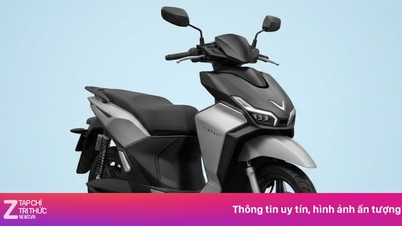
According to the new policy, from April 1, 2028, only electric two-wheeled vehicles will be eligible for new registration. This means that the authorities will not allow new registrations for motorcycles and scooters powered by gasoline or compressed natural gas (CNG) in the capital.
While the ban on petrol-powered two-wheelers takes effect from 2028, the roadmap for three-wheelers and electric cargo vehicles will follow sooner. Specifically, only electric three-wheelers (autorickshaws) and electric N1-class cargo vehicles will be permitted to register in Delhi from January 1, 2027.
The goal of this phased roadmap is to minimize severe air pollution in the area, particularly emissions from vehicles.
To support citizens during this transition period, the Delhi government has also announced large financial stimulus packages.
Transport Commissioner Niharika said buyers of electric two-wheelers will receive subsidies of up to 30,000 Rupees (approximately $360 ) and up to 50,000 Rupees (approximately $600 ) for electric three-wheelers.
The incentive for electric commercial vehicles in the N1 group will be around 100,000 Rupees (approximately $1,200 ).
"We are not setting a limit on the number of electric vehicles eligible for the incentive," a transport representative told Indian media.



Purely electric vehicles will also be completely exempt from road tax and registration fees. Notably, these benefits apply only to pure electric vehicles (BEVs); hybrid vehicles are not eligible for subsidies.
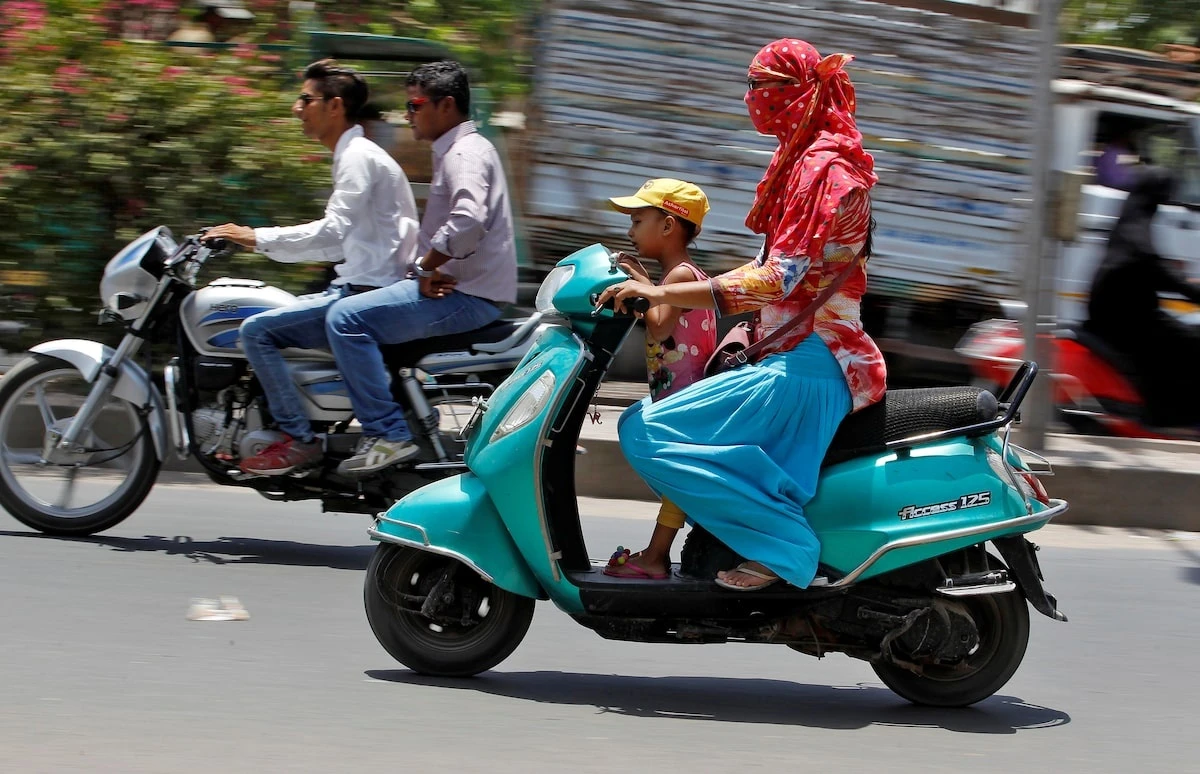 |
Gasoline-powered motorcycles will no longer be allowed to be registered in Delhi from the beginning of 2028. Photo: Reuters. |
Besides tightening registration regulations for gasoline-powered vehicles, the new electric vehicle policy also aims to install 23,000 public electric vehicle charging stations across the city by 2030.
In the long term, the government wants to convert the entire school bus fleet to electric vehicles, while also upgrading the power grid infrastructure to meet the needs of the rapidly increasing number of electric vehicle users.
Environment Minister Manjinder Singh Sirsa affirmed that the new EV policy is based on rigorous scientific research and will play a decisive role in reducing air pollution in Delhi.
Previously, the Federation of Automobile Dealers Associations of India (FADA) and the Society of Indian Automobile Manufacturers (SIAM) had urged the Delhi government to reconsider the draft. These organizations argued that the primary source of pollution was not the new vehicles meeting the current BS6 emission standards, but rather the outdated vehicles already on the road.
Chief Minister Rekha Gupta announced that the new policy will take effect from July 1st after receiving official approval from the Governor. This regulation will remain in effect until March 31st, 2030, with an estimated implementation cost of approximately 70 trillion Rupees (around 840 million USD ).



Source: https://znews.vn/them-thanh-pho-cam-xe-may-xang-post1665109.html