1. Why does magnesium deficiency lead to insulin resistance?
Magnesium is a mineral involved in hundreds of biochemical reactions in the body, many of which are related to glucose metabolism. This mineral helps support the activity of proteins and enzymes involved in insulin signaling in cells.
- 1. Why does magnesium deficiency lead to insulin resistance?
- 2. Recognizing the signs of magnesium deficiency
- 3. Magnesium should be obtained from natural food sources.
When the body doesn't receive enough magnesium, the cells' ability to respond to insulin can be impaired. As a result, glucose in the blood has difficulty being transported into cells for use as energy, forcing the body to increase insulin secretion to maintain blood glucose levels within normal limits. If this condition persists, it can contribute to the development and progression of insulin resistance.
Numerous observational studies have also noted an association between low magnesium intake and a higher risk of prediabetes and type 2 diabetes. However, magnesium deficiency is often considered only one of several factors influencing this process, alongside diet, weight, activity level, and genetics.

People with type 2 diabetes should talk to their doctor about checking their magnesium levels, especially if their blood sugar control isn't working as well as expected despite adhering to treatment.
In people with type 2 diabetes, low magnesium levels are quite common. Some studies suggest this may be linked to poorer blood sugar control and an increased risk of cardiovascular complications. Therefore, maintaining a balanced diet rich in magnesium-rich foods such as beans, nuts, whole grains, and green vegetables is considered part of a strategy to support metabolic health.


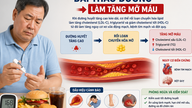
Magnesium is involved not only in glucose metabolism but also in regulating the activity of smooth muscle in blood vessel walls, contributing to maintaining vascular function and blood pressure. Some evidence suggests that low magnesium levels may be associated with a higher risk of hypertension, although this is not the only factor determining an individual's blood pressure.
2. Recognizing the signs of magnesium deficiency
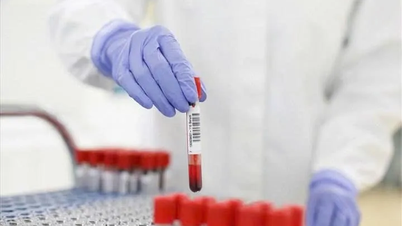
Magnesium deficiency often develops silently and shows no obvious symptoms in the early stages. Some signs that may suggest this condition include frequent muscle cramps, persistent fatigue, numbness or tingling in the hands and feet, or an irregular heartbeat. However, these signs can also be related to many other health problems, so the most accurate way to determine magnesium deficiency is through a blood test as ordered by a doctor.
People with type 2 diabetes should talk to their doctor about checking their magnesium levels, especially if their blood sugar control isn't working as well as expected despite adhering to treatment.
3. Magnesium should be obtained from natural food sources.
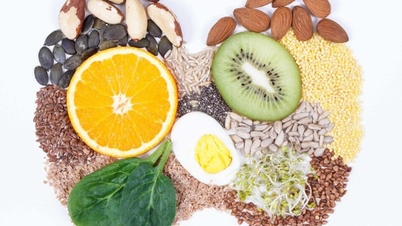
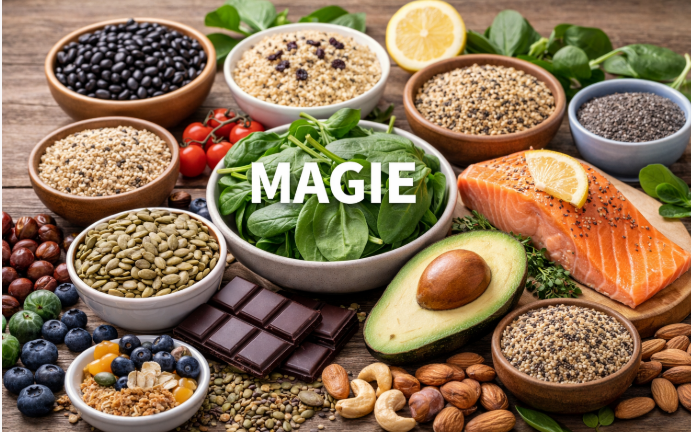
The safest and most sustainable way to maintain stable magnesium levels in the body is through daily diet. Dark green leafy vegetables like spinach and kale contain significant amounts of magnesium, as magnesium is a component of chlorophyll in plants. In addition, nuts such as almonds, cashews, pumpkin seeds, along with whole grains, beans, and bananas are also rich natural sources of magnesium. Building a diverse menu and limiting processed foods not only helps supplement magnesium but also provides many other overall health benefits.
For cases of suspected severe magnesium deficiency or difficulty controlling blood sugar, magnesium supplements in tablet form may be considered by a doctor after a specific assessment of the condition. Self-medication with supplements without medical guidance may not yield the expected results and, in some cases, may cause unwanted side effects, especially in individuals with kidney disease.
Magnesium is one of the micronutrients that plays a crucial role in energy metabolism and blood sugar regulation. Maintaining a varied diet rich in naturally occurring magnesium-rich foods along with a healthy lifestyle can contribute to protecting metabolic health and reducing the risk of type 2 diabetes.



Please check out more videos of interest:
Source: https://suckhoedoisong.vn/thieu-magie-co-lam-tang-nguy-co-khang-insulin-169260620125551266.htm


![[Photo] Overview of the renovation and upgrading of the Ho Chi Minh Museum - Ho Chi Minh City Branch](https://vphoto.vietnam.vn/thumb/1200x675/vietnam/resource/IMAGE/2026/06/24/1782287051250_ndo_br_01-jpg.webp)
![[Photo] Opening Ceremony of the 13th National Congress of the Ho Chi Minh Communist Youth Union](https://vphoto.vietnam.vn/thumb/1200x675/vietnam/resource/IMAGE/2026/06/24/1782286753905_ndo_br_1-8510-jpg.webp)
![[Image] Paris's oldest bridge goes viral after transforming into a giant cave.](https://vphoto.vietnam.vn/thumb/1200x675/vietnam/resource/IMAGE/2026/06/24/1782283441197_ndo_br_dsc05314-jpg.webp)