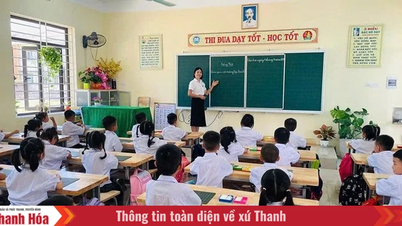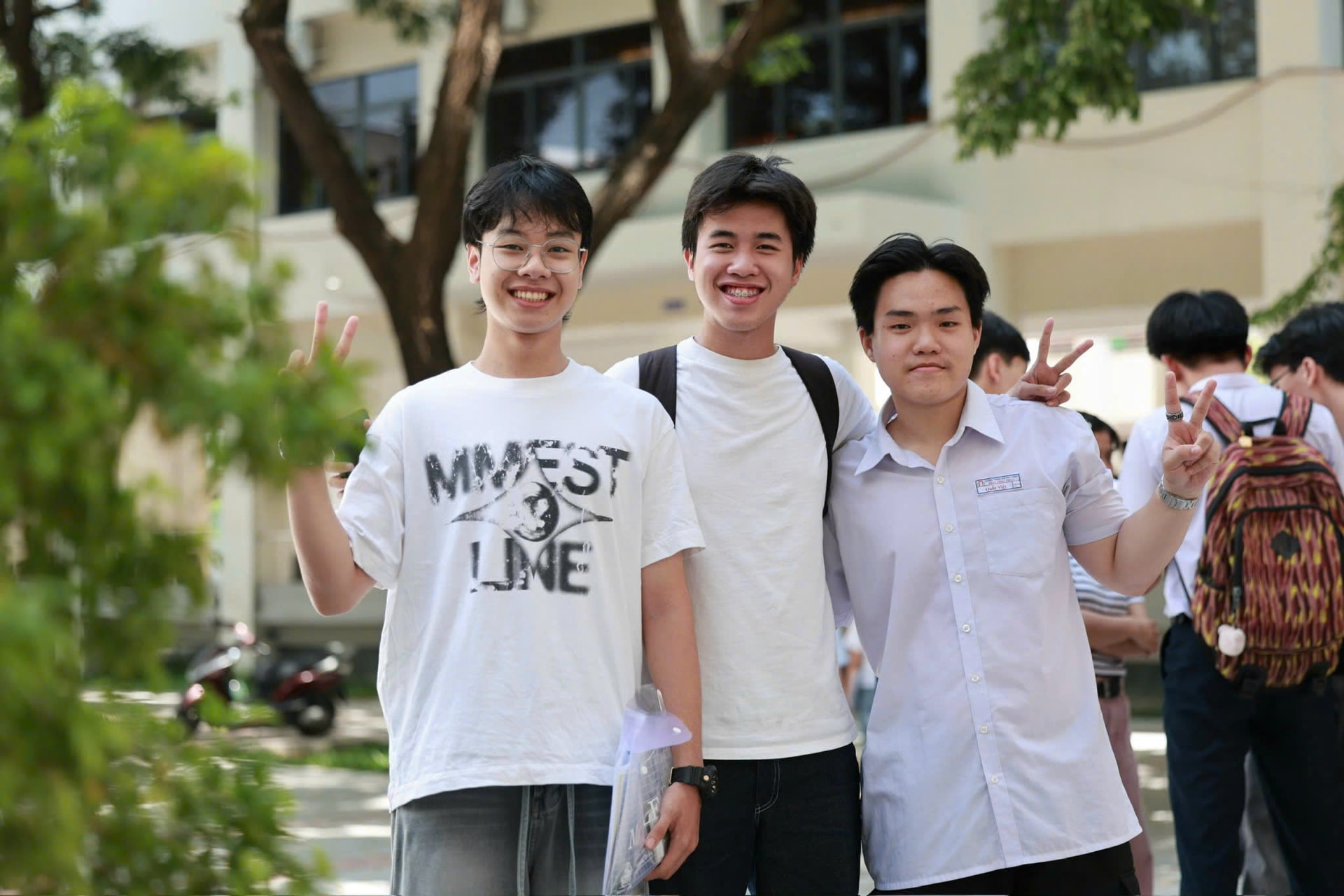
The pressure to get into prestigious schools or top universities is pushing many students into an overly intense race. When a diploma becomes the sole measure of success, education easily loses sight of its goal of helping each individual find the right path to maturity.
Start with expectations.
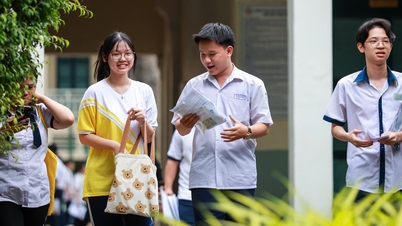
As the exams draw closer, Nguyen Thi MN, a 12th-grade student at Son Tra High School (An Hai Ward), feels like her life is being swept into an endless cycle. Her body is exhausted, her mind is stressed, but MN still has to push herself through the packed study schedule, leaving no time for relaxation or personal hobbies.
N. shared: “Sometimes I just want a quiet afternoon to relax, but my study schedule doesn't allow it. I'm always thinking about homework, grades, and university aspirations. It feels like I'm running forever and never reaching the finish line.”
MN's story is not unique. In many Vietnamese families, a child's education often begins with a clear goal: to get into an advanced class, to pass the entrance exam for a specialized school, to attend university, ideally a top-tier university.
This goal is repeated at every meal, every parent-teacher meeting, every mock exam. Initially, expectations may stem from a desire for a better future for the child. But when pushed too high, expectations cease to be a motivation. They become a burden.
At the recent "Mind-Care: A Station for Emotion Support" event organized by the Central Committee of the Vietnam Student Union in coordination with the Da Nang City Youth Union and Student Union, many students expressed feelings of fatigue and prolonged stress due to having to meet excessive expectations from family and society. Some admitted to feeling helpless from constant comparisons with peers, worrying about grades, achievements, and an uncertain future. Many even reported not getting enough sleep, reduced interest in studying, or a lack of motivation to participate in extracurricular activities.
It could be said that a diploma is the result of a learning process. But in many cases, the diploma is being turned into the sole goal. Children are no longer asked what they like, what their strengths are, or what environment suits them best. Adults often ask them how many points they scored on exams, what their ranking is in class, and whether they are capable of getting into a top school.



Moreover, in many schools, student achievement is seen as a measure of the competence of teachers and the school. This makes the pressure for grades, competition for top classes, and rankings extremely intense.
In addition, social media also contributes to increased pressure by showcasing academic achievements and extracurricular activities, making it easy for students to compare themselves to others, leading to feelings of inferiority or psychological stress.
In light of this reality, Associate Professor Dr. Nguyen Thi Hang Phuong, from the Faculty of Psychology, Education, and Social Work, University of Pedagogy (Da Nang University), frequently emphasizes that prolonged academic pressure not only affects mental health but can also cause physical problems such as headaches, fatigue, and digestive disorders.
She recommended that parents and schools consider setting reasonable expectations, listening to students' concerns, and creating an environment where they can explore their abilities and passions, instead of focusing solely on achievements and diplomas. Because, if left unmanaged, the pressure to obtain diplomas can stifle the joy of learning and hinder students' holistic development, which is what education truly aims for.
According to Ms. Hang Phuong, many developed countries, especially in Northern Europe, have shifted from evaluating students based on grades to focusing on competencies, practical skills, and self-direction. Students are encouraged to experiment, make mistakes, and learn from practical experience. These models have helped reduce academic pressure, increase creativity, and improve adaptability to the labor market.
Put the diploma back in its rightful place.
In Vietnam, exam pressure is even greater as university is still considered the default destination. In 2025, more than 1.16 million students nationwide took the high school graduation exam. Of these, 849,544 registered for university and college admissions, accounting for over 73%. The total number of applications exceeded 7.6 million, with each student registering for an average of nearly 9 options.
In particular, in many families, vocational training or attending a practical college is still considered a lower-level option. Many parents accept their children pursuing an unsuitable university degree rather than choosing a different path.
Ms. Nguyen Thi Ngoc Anh, Deputy Director of the Vietnam Student Support and Development Center, shared that over the years, the high school graduation exam has undergone many changes; however, the pressure in preparing for the exam, choosing majors, selecting universities, and orienting one's future remains constant and unchanged over time.
It's time for families and society to recognize that university is not the only path to success. Many young people succeed by choosing vocational training, attending practical colleges, or developing professional skills at training centers.



Forcing children into the mold of "having to attend a top university" not only creates psychological pressure but also causes them to miss opportunities to discover their own strengths and abilities.
She also noted that education should aim to equip students with the ability to self-direct, adapt, and learn throughout their lives. If we only follow the crowd, we will lose diversity in career choices.
In an increasingly competitive environment, restoring academic degrees to their rightful place, combined with supportive guidance and psychological encouragement, will help the younger generation make more suitable choices. Ultimately, education is a journey guiding individuals to find their own path to maturity, not an endless race for prestige or the pressure of obtaining degrees.
Source: https://baodanang.vn/thoat-ap-luc-bang-cap-3335965.html