

 |
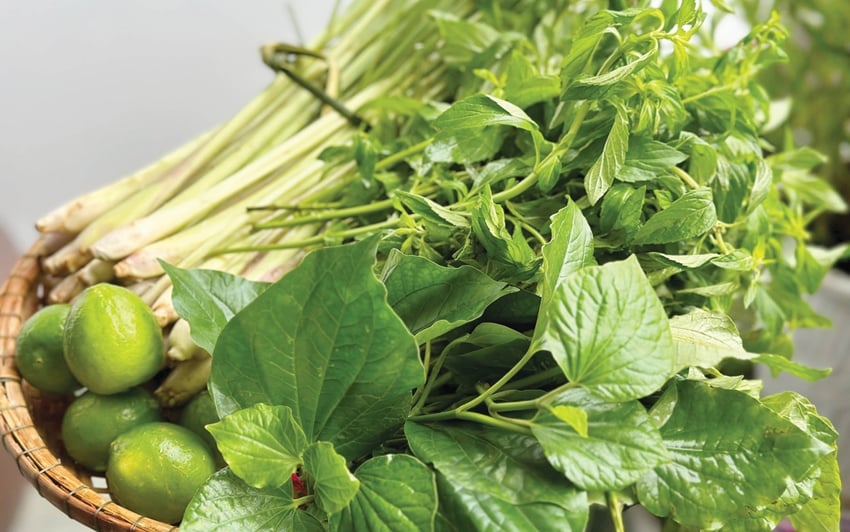
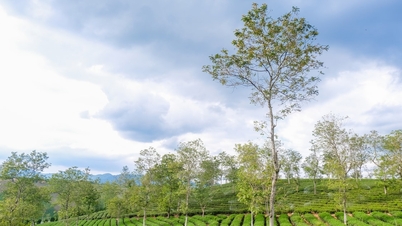
| These vegetables are what give Hue cuisine its distinctive aroma. |
Eating is one of the most essential needs of life. Every country and region is blessed by nature with precious ingredients to make food. Wherever people are, they find delight in the local dishes of their area.
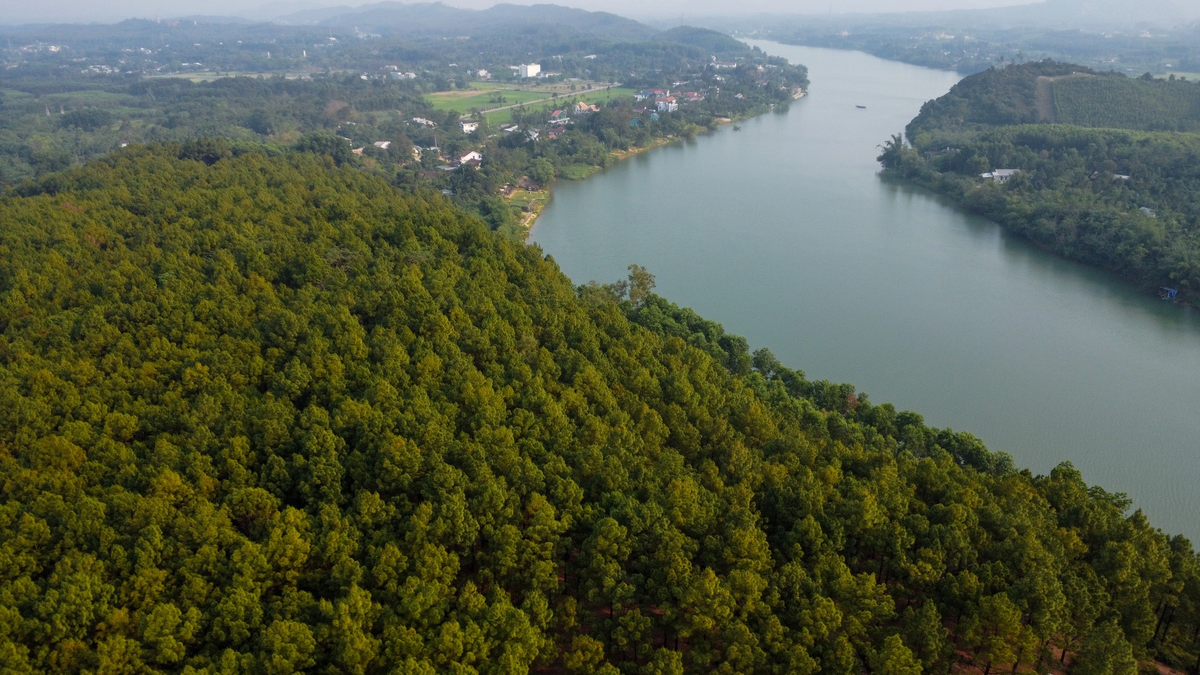
In Hue, the Nguyen dynasty, which lasted for 143 years (1802-1945), meticulously cultivated a culinary treasure trove to perfection. As the capital of Vietnam, countless delicious dishes and delicacies from all over the country were brought in to present to the emperor. Over the years, thousands of dishes have been "purely Hue," "cooked in the Hue style," and "Hue-style," ranging from exquisite and sophisticated to simple and rustic. The art of seasoning in Hue is a treasure trove, utilizing locally available ingredients and spices to create delicious dishes that are not only palatable and aromatic but also visually appealing. Fortunately, Hue enjoys favorable natural conditions with two relatively suitable rainy and dry seasons, abundant water from the Perfume River, Bo River, O Lau River, Truoi River, and numerous canals, streams, ponds, lakes, and the Tam Giang lagoon - Cau Hai lagoon… Furthermore, it benefits from fertile land thanks to diligent cultivation. Every year, after heavy rains that cause floods, a considerable amount of alluvial soil is deposited, and importantly, the region is not affected by earthquakes or tsunamis. Furthermore, the people of Hue are honest, gentle, diligent, hardworking, intelligent, and creative. All three factors have created a valuable source of ingredients and culinary skills, making Hue known as one of the best-tasting cities in the country, a culinary capital, not just a place for "Northern food and Southern clothing." It's just oil, fat, sugar, salt, pepper, onions, fish sauce, shrimp, fish, vegetables, and fruits... yet why are the dishes here so captivating?
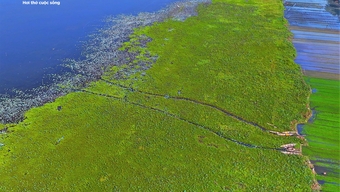
The Tam Giang Lagoon - Cau Hai Lagoon is a rich source of nutrients. These are inorganic nutrients found in the water and seabed. This lagoon area alone boasts 30-40 species of delicious, flavorful fish with high economic value, such as grouper, snapper, barracuda, sea bass, and other valuable species; and 12 species of shrimp, including lobster, tiger shrimp, striped shrimp, white shrimp, and other types of shrimp, commonly found in family meals, restaurants, and hotels. Alongside these are villages of clean, fragrant, and delicious fruits and vegetables spread throughout the area, from the city to the villages. The most famous and favored by housewives and chefs are the vegetables from Thanh Trung (Quang Dien) and La Chu (Huong Tra) villages, which have been established for hundreds of years. In Thanh Trung village alone, residents grow, harvest, and distribute 4-5 tons of safe vegetables daily to markets and supermarkets both within and outside the province. In Thanh Trung, every house has a vegetable garden in front, not to mention the vast communal fields of lettuce, onions, cilantro, herbs, amaranth, and more. In their gardens, each household grows various vegetables that make up delicious boiled vegetables and flavorful soups, and countless other plants that grow naturally without being planted are betel leaves, purslane, and tamarind.
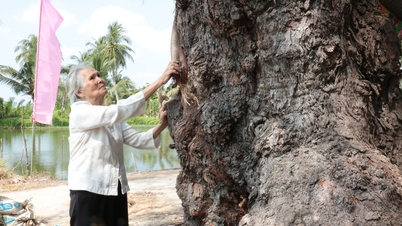
Thanh Trung Village is where Zen Master Thich Nhat Hanh was born and lived his childhood before becoming a monk at Tu Hieu Pagoda. The village, with its soil, trees, grass, and fragrant aromas, left an indelible mark on him, especially the purple-stemmed herbs. At the end of his sermons, the Zen Master often reminded people: Anyone with a little land or a yard should plant herbs to create a fragrant living space. Especially in spring, amidst the gentle weather, standing on the porch, the scent of flowers mingled with the aroma of herbs brings peace and happiness.
About fifteen years ago, I joined the Traditional Medicine Hospital in Ho Chi Minh City, headed by Dr. Truong Thin, a native of Hue. Besides being a skilled and dedicated doctor, Dr. Thin was also a sculptor and a musician. He had a small room in the hospital where he stayed overnight with the other doctors and nurses. Every night, from around 8:30 to 9:00 PM, he would play songs by Trinh Cong Son on his saxophone to lull the patients to sleep, such as "Ha Trang," "Mua Hong," "Cat Bui," and "Chieu Tren Que Huong Toi"... Dr. Thin dedicated a small plot of land to a sculpture garden, where he grew medicinal herbs and flowers for the patients to relax. In particular, the garden was overflowing with betel leaves. He said, "Living and working here, I sometimes miss my mother so much, I miss her vegetable garden, I miss the steaming bowl of jackfruit soup with fragrant betel leaves that she cooked, so before I left, I uprooted a few betel leaves to plant…" Touched by his devotion to his parents, I fell silent, plucked a handful of betel leaves, crushed them in my hand, and smelled them. But strangely, the betel leaves grown in Saigon had no scent, no aroma like the betel leaves from my hometown. The betel leaves here couldn't add the delicious flavor to a bowl of jackfruit soup or green banana soup like they do in Hue.
Often, while walking through the villages of Hue, I would smell the fragrant aromas of rice, bamboo, lotus, starfruit, lemongrass, lemon, vegetables, and coriander… At the vegetable stalls on Nguyen Thien Ke Street and Ben Ngu Market, I felt a strange joy at the scent of the many kinds of freshly picked vegetables displayed by the elderly women and young girls. Hue people are very selective about their ingredients and spices. At the market, I would hear greetings like: "La Chu vegetables, Thanh Trung vegetables, our own field vegetables, freshly picked home-grown vegetables, Cua Trai water spinach, Cau Ngoi water spinach…", and buyers would ask: "Is this lemongrass your own or the same as the one from Thanh Trung and La Chu villages? Do you have Hue herbs?" (the purple-stemmed herbs from Thanh Trung and La Chu villages), "Is this coriander your own or the same as the one from the village? Are these lotus seeds from Tinh or from elsewhere?" I have several friends in Hanoi and Ho Chi Minh City. Ho Chi Minh City would occasionally call and say, "I'm craving delicious Hue dishes, please send me: banana blossom, herbs, coriander, lotus seeds, fermented shrimp paste, fish sauce..." I would freeze the delicious shrimp and fish from Hue and all the above to send to him.
As one of the country's major tourist centers, Hue has been attracting visitors with its unique cultural and historical charm, its green environment, and its cuisine. Among the many visitors from Australia, journalist Troy Nankervis expressed: “Hue, a city less bustling than Hanoi, Ho Chi Minh City, Da Nang… but worth a visit. This was my first time enjoying a home-style Hue meal. It was a memorable, delicious meal; the food was very fresh and light, and the dishes were beautifully decorated with sprigs of herbs and cilantro. As soon as I entered the restaurant, I was impressed and felt happy by the aroma of lemongrass and other vegetables; the dishes focused heavily on flavor…” Nankervis added: “After this experience, I will continue writing about Hue to introduce it to a wider audience of readers and friends…”
Source: https://huengaynay.vn/du-lich/am-thuc-hue/thom-hue-149948.html





















































Comment (0)