The law stipulates the right to freedom of belief and religion; religious activities; religious organizations; and the rights and obligations of agencies, organizations, communities, and individuals related to religious activities.
The principles governing religious activities are: adherence to the Constitution and legal regulations; preservation and promotion of the nation's fine cultural values and traditions; ensuring national security, social order and safety; frugality, combating waste, protecting resources and the environment; and not violating prohibited regulations.
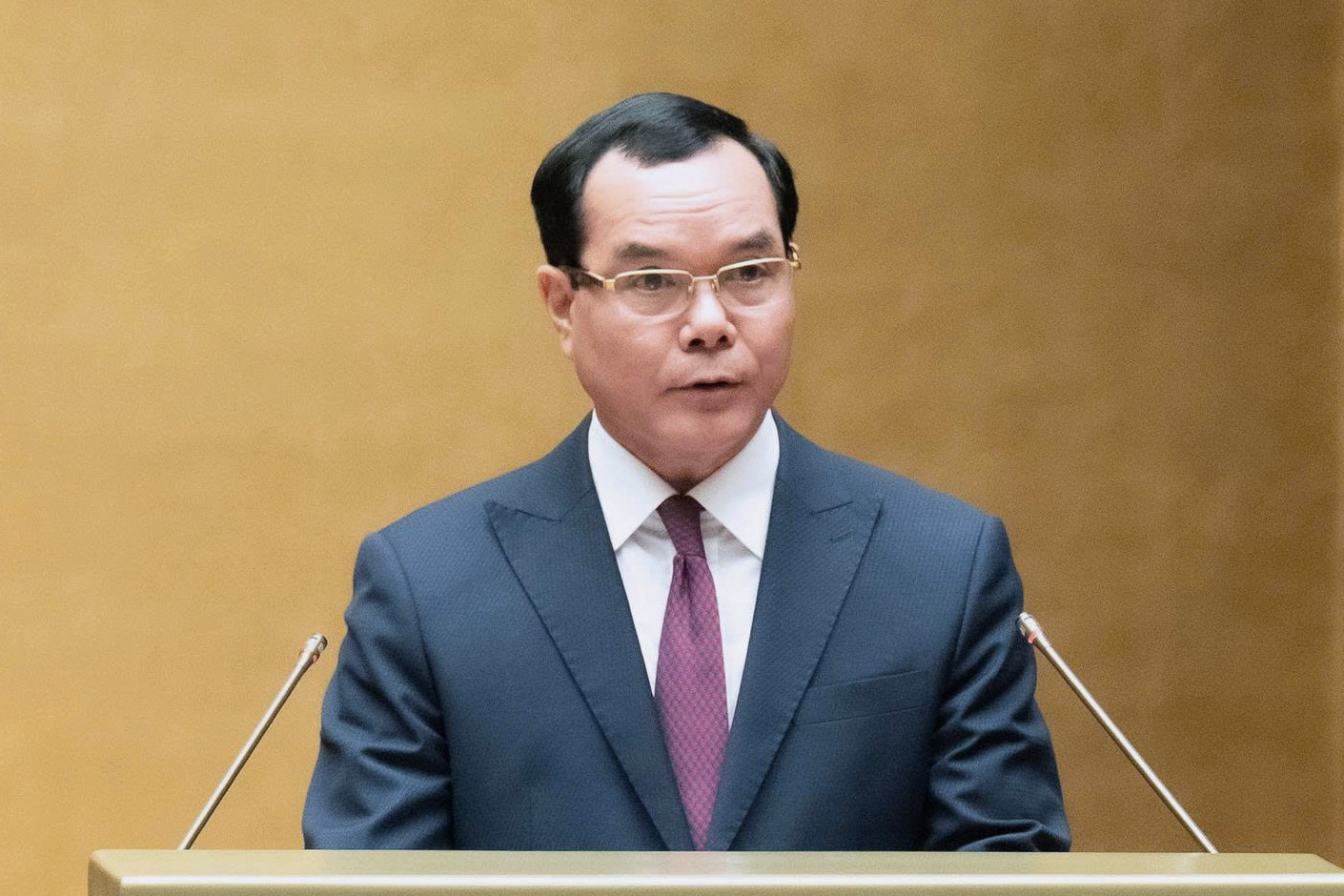

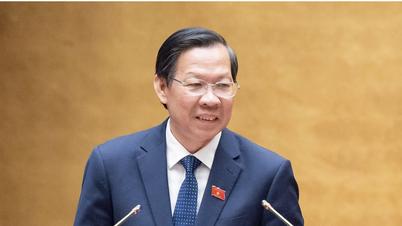
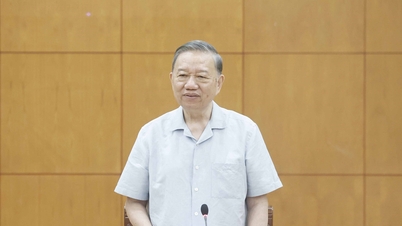
Minister of Ethnic Minorities and Religion Nguyen Dinh Khang presents the report explaining and incorporating feedback before the National Assembly approves the draft law. Photo: National Assembly
The law stipulates prohibited acts. Specifically, it prohibits discrimination or prejudice based on belief or religion; prohibits coercion, bribery, or obstruction of others to follow or not follow a belief or religion; and prohibits insulting beliefs or religions.
Religious activities must not infringe upon national defense, security, national sovereignty , social order and safety, or the environment; violate social morality; infringe upon the physical integrity, health, life, or property of others; insult the honor and dignity of others; hinder the exercise of citizens' rights and obligations; divide the nation; divide religions; divide those who follow a religion from those who do not; or divide people who follow different religions.
The law also prohibits exploiting beliefs and religions for personal gain. Notably, it prohibits the use of cyberspace, artificial intelligence, or new technologies to violate laws on beliefs and religions.
When conducting religious activities in cyberspace, organizations, individuals, representatives, management boards of religious establishments, religious dignitaries, officials, monks, religious organizations, affiliated religious organizations, organizations granted religious activity registration certificates, and concentrated religious groups must notify, register, or request permission to carry out religious activities with the competent state agency in accordance with the provisions of this law.
The competent state agencies are responsible for guiding, supervising, inspecting, and auditing the implementation of religious activities in cyberspace; detecting, preventing, and handling violations of laws on religion.
Organizations and individuals conducting religious activities in cyberspace are responsible for complying with the laws on religion and other relevant laws.
Organizations and businesses providing services on the internet are responsible for implementing technical solutions and coordinating with competent state agencies to remove and block content that violates laws on belief and religion.
Organizations and businesses with telecommunications networks are responsible for blocking access to content that violates laws on belief and religion, at the request of competent state authorities.

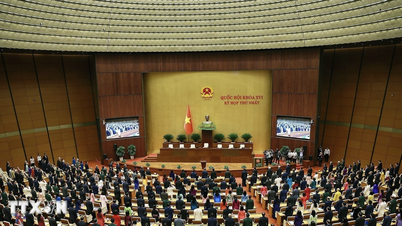
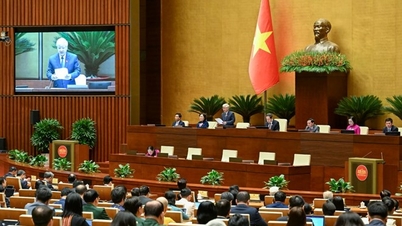
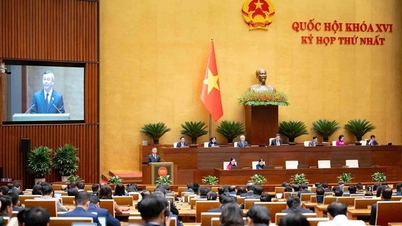
Members of Parliament at this afternoon's session. Photo: National Assembly
Regarding the management and use of assets belonging to religious establishments and organizations, the law stipulates that assets belonging to religious establishments and organizations include assets formed from contributions of members; donations and gifts from organizations and individuals; or other sources as prescribed by law.
Assets belonging to religious establishments and organizations must be managed and used for their intended purpose, openly, transparently, and in accordance with the law.
Religious and faith-based establishments, formed according to custom, through contributions, donations, gifts to the community, or other sources in accordance with the law, to serve the religious and faith needs of the community, are considered common property of the community.
The conversion, transfer, donation, lease, mortgage, and capital contribution of assets using land use rights shall be carried out in accordance with the relevant laws.
The acceptance and management of donations from foreign organizations and individuals by religious organizations and affiliated religious organizations; and the collection of donations by representatives and management boards of religious establishments, religious organizations, and affiliated religious organizations shall be carried out in accordance with the provisions of the law.
Land used for religious purposes is managed and used in accordance with the provisions of land law.
Eight administrative powers and procedures are being transferred from the Ministry of Ethnic Minorities and Religion to the provincial People's Committees.
In a report on the acceptance, explanation, and revision of the draft law before its approval by the National Assembly, Minister of Ethnic Minorities and Religion Nguyen Dinh Khang stated that the Government had reviewed the draft law and continued to promote the decentralization of administrative procedures, ensuring that ministries only handle no more than 30% of the total administrative procedures in the field of belief and religion.
Accordingly, the Government transferred 8 administrative powers and procedures from the Ministry of Ethnic Minorities and Religion to the provincial People's Committees, including:
- Procedures for requesting registration of a non-commercial legal entity for a religious organization operating in multiple provinces (Clause 2, Article 27)
- Procedures for requesting the self-dissolution of religious organizations and affiliated religious organizations operating in multiple provinces according to the charter (Clause 2, Article 28)
- Procedures for requesting the dissolution of a religious training institution by decision of a religious organization (Article 38)
- Procedures for requesting permission to organize seminars and conferences involving foreign elements (Clause 2, Article 40)
- Procedures for requesting permission to organize interreligious seminars and conferences (Clause 2, Article 40)
- Procedures for requesting the invitation of foreign or Vietnamese religious dignitaries or clergy to serve as religious dignitaries for religious organizations abroad, when the organization has been granted a certificate of registration for religious activities (Clause 3, Article 44)
- Procedures for requesting the participation of religious dignitaries, officials, monks, and followers in religious activities abroad (Clause 2, Article 46)
- Procedures for proposing ordination or appointment to religious positions for foreigners legally residing in Vietnam by religious organizations in Vietnam (Clause b, Point 1, Article 47)
On April 17, 2026, the Ministry of Ethnic Minorities and Religions sent a document to the Chairpersons of the People's Committees of 34 provinces and cities requesting their opinions on the transfer of these powers.
As of April 21, 2026, the Ministry of Ethnic Minorities had received 25 out of 34 opinions from provinces and cities, including 21 opinions agreeing to transfer 8 administrative powers and procedures; and 4 opinions proposing the transfer of some of the aforementioned powers.
Source: https://vietnamnet.vn/quoc-hoi-thong-qua-luat-tin-nguong-ton-giao-sua-doi-2509272.html




















































































Comment (0)