


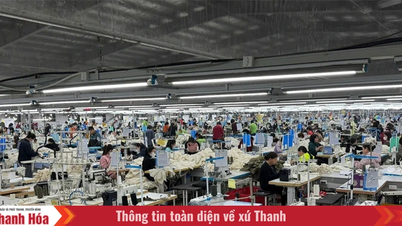
Over the years, the province's private sector has seen remarkable development, participating in production and business activities in many fields such as agriculture, industry, transportation, trade, services, and construction.

By the end of August 2023, the province had approximately 14,800 registered non-state enterprises, with a total capital of about 192.7 trillion VND, accounting for 92.9% of the total number of enterprises in the province; an increase of more than 1,000 enterprises compared to 2022. According to the Department of Industry and Trade's assessment, the private sector has made positive contributions to the growth of the industrial sector in the province. The private sector is contributing nearly 45% to the province's GDP, one-third of state budget revenue, over 40% of total social investment, and creating jobs for 85% of the province's workforce. By the end of August 2023, the industrial production index in the province had increased by more than 6.03% compared to the same period in 2022. Along with this, the value of goods exported by businesses has also seen high growth year after year… These results demonstrate the increasingly affirmed role, position, and strength of the private sector, especially in contributing to the goal of industrialization and modernization, changing the face of the province, creating a mark, and enhancing the province's status and prestige.
Despite achieving significant results, the performance of the private sector has not truly improved, and some limitations remain. The majority of non-state enterprises operating in the province are small, medium, and micro-sized enterprises. Consequently, their technological level, management skills, financial capacity, product quality, and competitiveness are low; the industry structure is irrational, lacking linkages with each other and with other economic sectors. While the private sector is large in number, its quality is limited. From a sustainable development perspective, many issues remain, especially those related to social and environmental responsibility. Following the Covid-19 pandemic, most private enterprises in the province faced difficulties. During the 2020-2022 period, the province saw the establishment of over 1,000 new businesses each year, but the rate of businesses dissolving or ceasing operations also reached 50%. In the first eight months of 2023, 611 businesses in the province dissolved or temporarily suspended operations. Non-state-owned enterprises consistently face shortages of capital and cash flow, especially small, medium, and micro-sized businesses. The main difficulties businesses are encountering relate to accessing support packages such as reduced bank interest rates and extended loan terms; accessing land, markets, and customers; and the continued risk of disruptions and breakdowns in global supply chains, leading to numerous negative consequences for import-export activities and economic growth.
According to Plan No. 100/KH-UBND dated June 15, 2023, of the Provincial People's Committee, the private sector is oriented towards developing into an important driving force of the economy with the goal of: Striving to have 18,000 enterprises in the province by the end of 2025, and at least 24,000 enterprises by 2030.
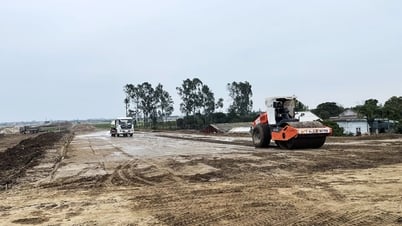
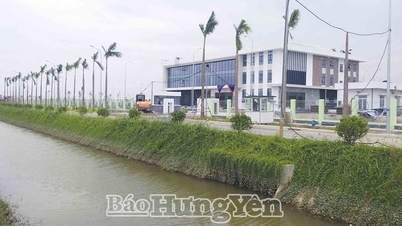
To achieve the set goals, the Provincial People's Committee requests that departments, agencies, and localities focus on implementing five key tasks and solutions, including: Continuing to create a favorable investment and business environment for the development of the private economy; expanding the market participation capacity of the private economy and promoting fair competition; continuing to develop infrastructure and enhance access to resources for the private economy; continuing to focus on supporting the private economy in innovation, technological modernization, and human resource development, and improving productivity; and continuing to improve the effectiveness and efficiency of state management, unifying awareness and thinking on the development of the private economy. The province directs relevant departments and localities to accelerate the progress of provincial planning for the period 2021-2030, with a vision to 2050, mobilizing comprehensive resources from the State budget and social contributions to develop a synchronous infrastructure, especially connecting transportation routes, industrial parks (IPs), and industrial clusters (ICs) to meet the requirements for production and business space and necessary technical infrastructure at reasonable costs, ensuring convenient connectivity with transportation and strengthening linkages between IPs and ICs. In the short term, priority will be given to investing in infrastructure construction for IPs and ICs that create momentum for the province's socio-economic development, such as IP No. 5, the Clean IP, and the Pham Ngu Lao - Nghia Dan IC. Procedures will be completed to soon commence construction of IP No. 3, the Quang Lang - Dang Le IC, and several large-scale IPs according to the plan. Implement synchronized solutions to attract economic sectors to invest in the development of trade and services in a civilized and modern direction, especially focusing on core and leading enterprises to guide production and consumption; pay attention to developing the market system and traditional trade network.
Promote the implementation of support for small and medium-sized enterprises (SMEs), prioritizing support for digital transformation, innovative startups, participation in industry clusters and value chains, training, and consulting for businesses; support the gradual formation of large-scale private sector models that play a leading role in certain fields or value chains. Support and encourage businesses, organizations, and individuals to promote the development of intellectual property assets (inventions/utility models, trademarks, production processes, traceability, etc.) to serve production and business; actively carry out innovative startup projects. Support businesses in participating in programs, projects, and activities related to intellectual property protection (registration and protection of intellectual property rights domestically and internationally, commitments on intellectual property in new generation free trade agreements, skills in managing and exploiting industrial property information, managing and developing intellectual property assets, etc.).
Pham Dang
Source














































































Comment (0)