Media "storm"
In recent days, social media has been abuzz with debate surrounding two of the most prominent music releases of early summer 2026: the music video "Come My Way" by singer Son Tung M-TP and the music video "Do You Still Love Me?" by singer Toc Tien.
On May 28th, singer Son Tung M-TP released the music video for "Come My Way," a collaboration with rapper Tyga. As expected, the product became a hot topic of discussion on social media for the following days.
Besides the praise and criticism regarding the artistic quality and Sơn Tùng M-TP's English singing ability, the music video was also questioned because of the scene where the male singer stands on a mythical bird – a legendary bird and totem of the ancient Vietnamese people during the Đông Sơn culture period.
From a mass-market entertainment product, "Come My Way" unexpectedly attracted many experts in the field of culture such as: Prof. Dr. Le Huy Bac, Assoc. Prof. Dr. Bui Hoai Son, Assoc. Prof. Dr. Nguyen Ngoc Tho, Assoc. Prof. Dr. Tran Huu Son, Dr. Tran Long, researcher Tran Quang Duc, researcher Nguyen Hung Vi... participating in debate with two distinctly divergent viewpoints.
MV "Come my way"
Just as this topic subsided, social media was abuzz again with a post by visual artist Le Giang claiming that the historical site featured in her music video "Come My Way" bore many similarities to her work "Vestige of the Land " ( 2017 ).
The controversy reached its peak when Microwave Soups – the team responsible for art direction and set design of the music video – publicly admitted to "referencing the work Vestige of the Land without permission or consultation with artist Le Giang" and offered an apology.
Every subsequent development from Le Giang or Son Tung M-TP receives significant public attention. Forums and opinion posts surrounding this incident also attract thousands to tens of thousands of interactions.


Singer Son Tung M-TP has become the target of intense criticism. Hundreds of extremist internet users flooded a post about copyright infringement on the Government Information fanpage to "denounce" and demand "punishment" for singer Son Tung M-TP.
Following the ongoing controversy, Sơn Tùng M-TP's team announced that they had removed the segment that artist Lê Giang accused of copyright infringement from the music video "Come My Way" .
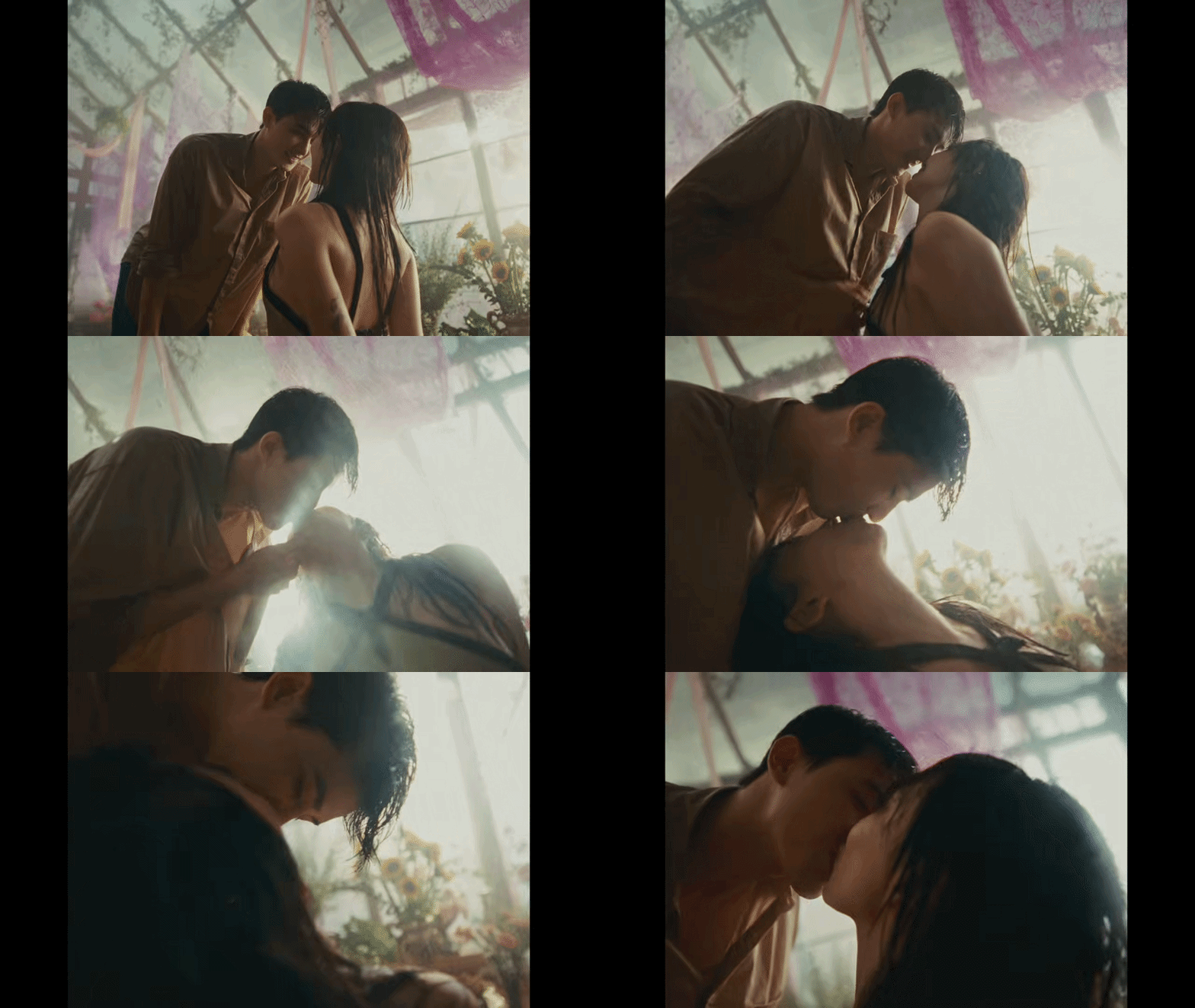
The focus of criticism this past week also fell on singer Toc Tien and her music video "Do You Still Love Me?", which was released on June 5th.
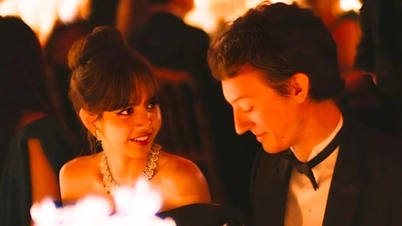
Some internet users reacted strongly to the fact that Toc Tien and her co-star Tran Ngoc Vang had too many kissing scenes in the music video.
Notably, some extremist accounts linked the controversies surrounding this music product to Toc Tien's private life in order to insult her. The female singer was attacked with words such as "Divorced and then becoming depraved"; "Too changed, becoming reckless, promiscuous, carefree, and vulgar"...
One post that garnered tens of thousands of interactions also criticized MisThy, Cara, and Dong Anh Quynh, claiming they "spoiled" Toc Tien.
Previously, every time Toc Tien wore revealing outfits on stage or social media, she frequently received inappropriate comments such as "promiscuous," "likes to show off her body," "trying to pretend to be okay after divorce," etc.



Unjust
Overall, the new music videos by Son Tung M-TP and Toc Tien are both products that meet the quality standards of a contemporary professional entertainment industry.
The song "Come My Way" belongs to the afrobeats genre, cleverly combining mainstream pop structure with a purely American rap/hip-hop segment in the latter half to optimize its appeal to an international audience.

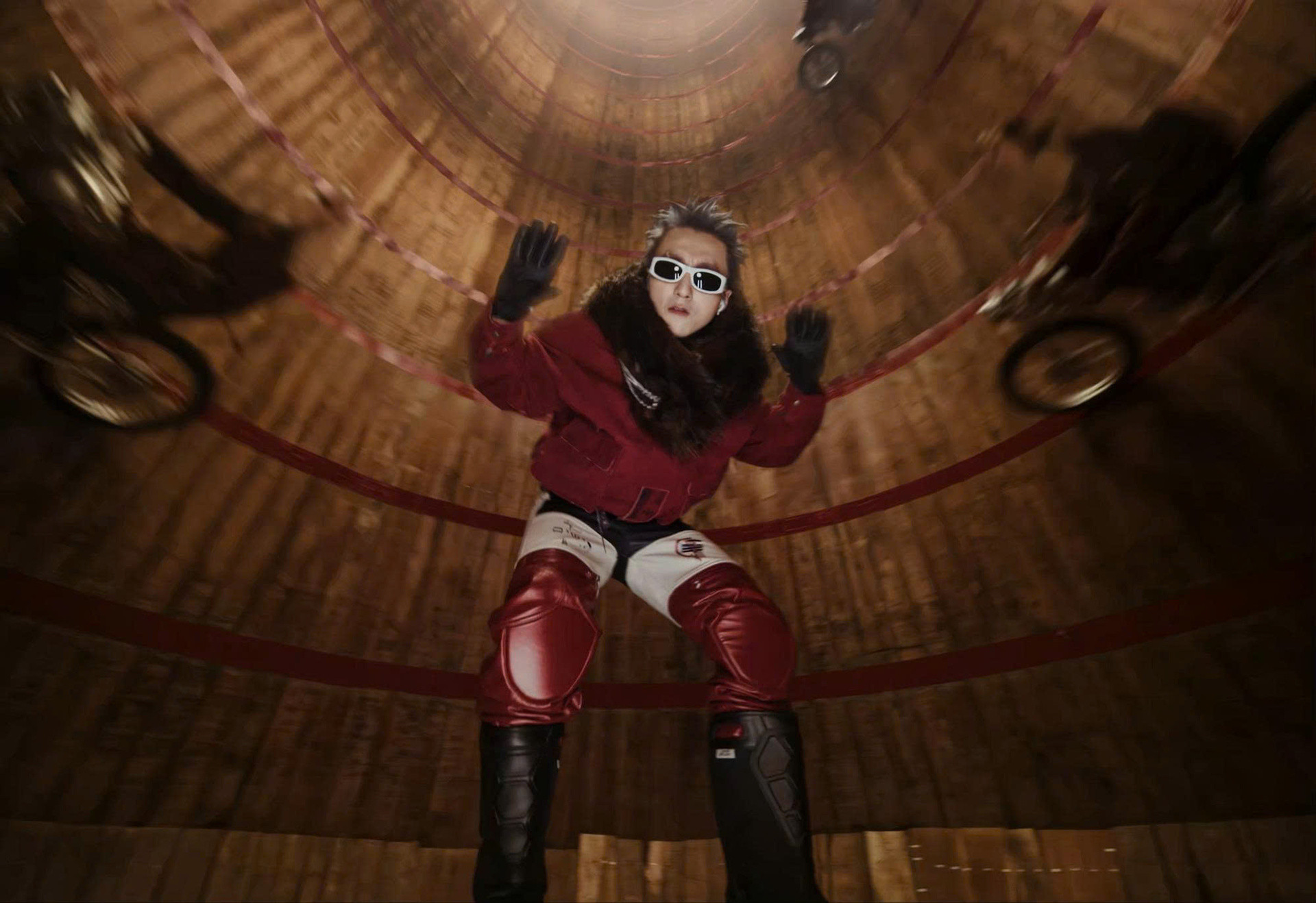


Set against a vibrant and free-spirited musical backdrop, the music video explores the beauty of Vietnam's natural landscapes and culture. The mythical Lac bird, conical hats, Xuan Pha dance masks, the Trang An World Heritage site, Khue Van Cac pavilion, and An Giang bull racing appear one after another, all presented through the artistic and distinctive perspective of director Phuong Vu.
The only drawback, if any, is that the music video explores cultural elements that don't really fit in or complement a song purely about romantic love.
However, it's not an exaggeration to say that, considering all aspects, "Come My Way" surpasses most of the music released since the beginning of the year in terms of quality.
On a more modest scale, "Does He Still Love Me?" is an entertainment product focused on emotions. The song and music video tell the story of a beautiful, heartbreaking love affair that ended in heartbreak, leaving the girl with lingering regret.

Tóc Tiên and her team clearly demonstrated a product direction focused on lighthearted entertainment, without heavy messages; primarily aiming to soothe and comfort listeners' emotions as the rainy season begins in June. Both the song and the music video were produced and invested in appropriately.
Unfortunately, the controversies surrounding these two music videos have been diverted from the core content of the works themselves.
The controversy surrounding the "Come My Way" music video has only involved the parties expressing their opinions; it hasn't escalated to a legal dispute or intervention by competent authorities. The scene of ruins and destruction, which is alleged to infringe copyright, only appears briefly at the end of the music video and is not a crucial or core scene.
From a legal standpoint, Son Tung M-TP can hardly escape responsibility as the producer, owner, approver, and exploiter of the music video; however, on the other hand, he also suffers damage to his professional reputation due to the mistakes of his "subcontractor," the Microwave Soups team.
MV "Do you still love me?"
Similar to Son Tung M-TP, singer Toc Tien's media crisis also stemmed from the animosity of a segment of the audience.
Currently, apart from the confirmed divorce, all personal stories circulating online concerning singer Toc Tien and producer Hoang Touliver are rumors with no factual basis.
Much of the criticism directed at Toc Tien is speculative, based on her self-expression, asserting her independence and alluring energy after her divorce.
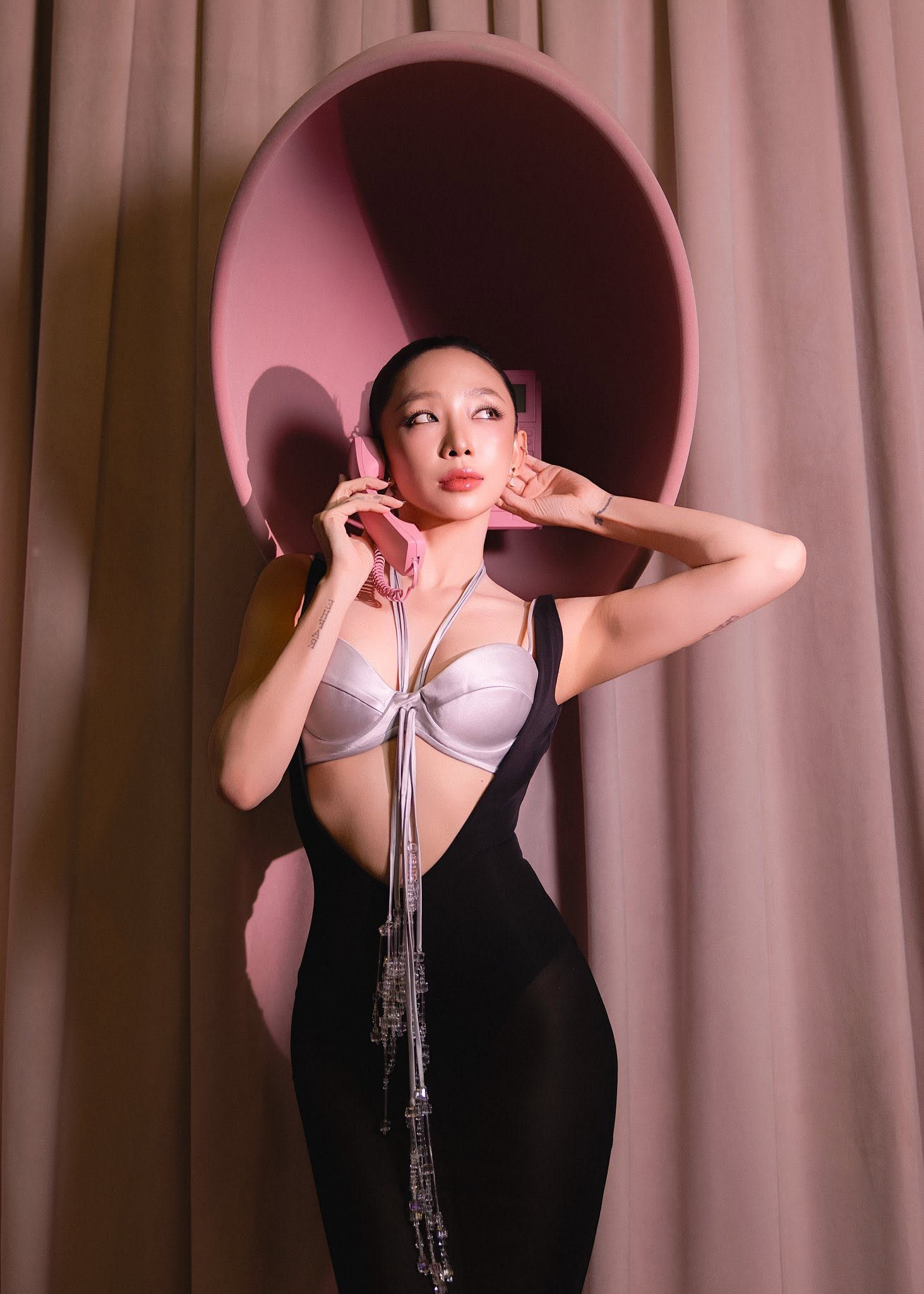



In other words, what Toc Tien received was not criticism or constructive feedback, but rather cyberbullying that violated her right to protection of her honor, reputation, and dignity.
In the unfortunate cases of singers Son Tung M-TP and Toc Tien, it is important to distinguish that, even before becoming artists, both were citizens protected by Vietnamese law, possessing full human and civil rights.
The products and actions of Son Tung M-TP and Toc Tien are regulated by law and supervised by authorities; however, conversely, attacking someone's privacy and insulting their dignity is a serious violation of both ethics and law.
Singers Son Tung M-TP and Toc Tien are both highly praised for their civilized attitude and behavior in the face of malicious attacks from a segment of extremist internet users.
When the copyright controversy reached its peak, Son Tung M-TP's team responded in writing in a measured and direct manner, addressing the main issue directly; they did not engage in arguments or retaliate against overly aggressive comments.
Meanwhile, in response to harsh and abusive comments, singer Toc Tien responded gently with a touch of humor; sometimes frank and serious, but always polite and courteous.
The civilized response from the two artists was both appreciated by the audience and helped to defuse this unnecessary media crisis.
Mi Le
Source: https://vietnamnet.vn/tiec-cho-ca-si-son-tung-m-tp-toc-tien-2524620.html

![[Photo] "Hanoi Lotus Festival" honors the lotus flower that has been associated with Vietnam for thousands of years.](https://vphoto.vietnam.vn/thumb/1200x675/vietnam/resource/IMAGE/2026/06/27/1782516943048_sen-ha-noi-2026-minh-duy-1-jpg.webp)

















































![[Infographic] 16 fireworks display locations to celebrate the 50th anniversary of Ho Chi Minh City being honored with the name of President Ho Chi Minh](https://vphoto.vietnam.vn/thumb/402x226/vietnam/resource/IMAGE/2026/06/27/1782539591308_man-ban-phao-hoa-ruc-ro-dem-khai-mac-638jpg-17242995540161175940469.jpeg)