

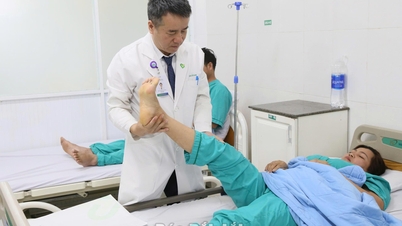
After the floods, people often suffer from respiratory, digestive, and skin diseases. If these diseases are not diagnosed and treated early, they can easily spread within the community. Ms. Nguyen Thi Hoa from Tuy An Nam commune said: “My feet were submerged in water for a long time, so they are itchy and showing signs of swelling. Luckily, doctors came nearby to examine patients today, so I took the opportunity to cycle over. The doctor examined me thoroughly and carefully, then prescribed medicine and gave detailed instructions, so I felt very reassured.”
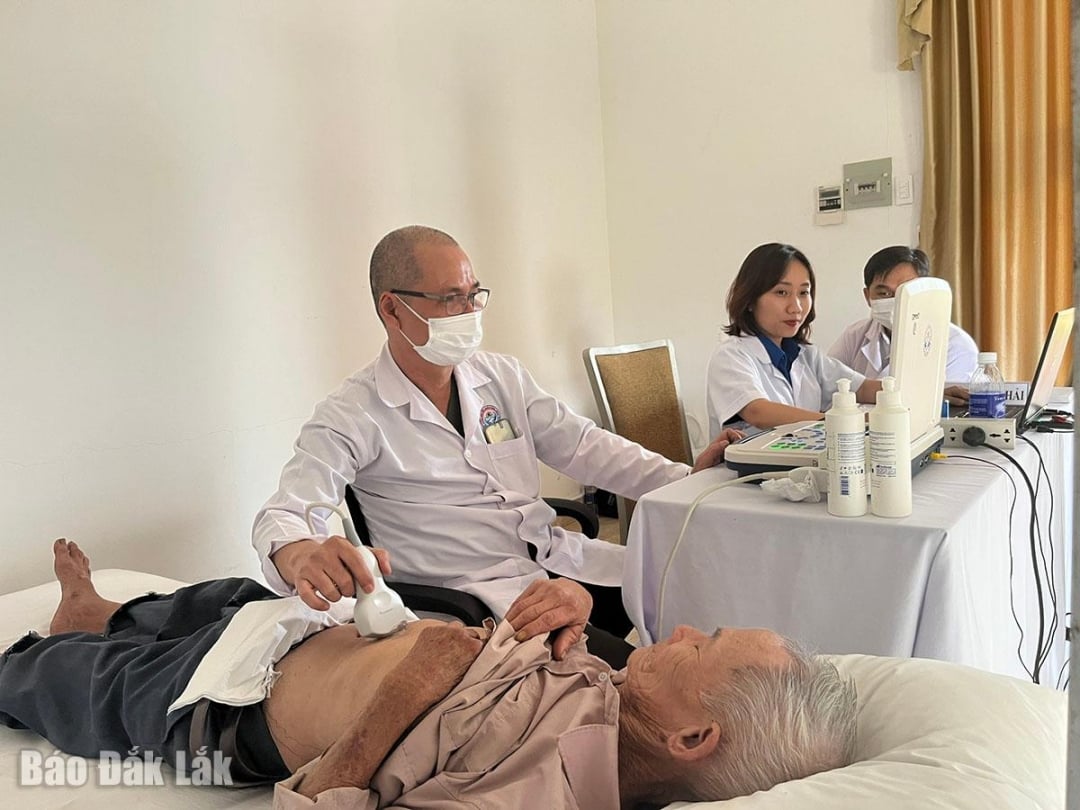 |
| The Military-Civilian Medical Associations of the provinces and cities brought modern equipment to examine and treat people in the flood-affected areas. |
Besides infectious diseases, chronic illnesses are also more likely to worsen after natural disasters. Mr. Pham Hung from Binh Kien ward said: “When the flood came, the water rose almost to the roof of my house, and I was submerged in water for nearly 3 days. After the water receded, I went barefoot to clean the house, so my knees hurt more and more. Facing economic difficulties, I hesitated to go for a check-up. Knowing that a team of doctors had come to the area, I rushed there. Not only did I get a check-up, but I also received gifts and medicine, so I was very touched.”
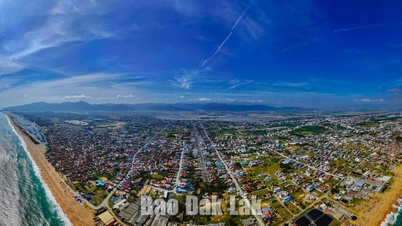
Over the past few days, more than 100 doctors and medical staff from military-civilian medical associations in provinces and cities such as Ho Chi Minh City, Gia Lai, and Khanh Hoa have traveled to eastern Dak Lak to provide medical examinations and distribute medicine to over 500 flood victims. In addition to bringing a large quantity of medicine, the team also transported modern medical equipment such as ultrasound machines and X-ray machines. In less than 30 minutes, a field hospital was set up in the hall of the Sao Mai Tourist Area (Binh Kien ward) and can examine hundreds of patients daily.
Associate Professor Vu Quang Huy, Chairman of the Ho Chi Minh City Military-Civilian Medical Association, shared: “We have participated in helping flood victims in many provinces and cities across the country for many years. When we arrived here, we were very proactive in arranging doctors, nurses, and medicines to respond to common situations as well as emergencies.”
According to Dr. Bui Anh Vu (Military Hospital 175), the polluted and humid environment allows bacteria to thrive, and people live in deprived conditions such as a lack of clean water and food, leading to poor hygiene and unhealthy eating habits. This makes people susceptible to diseases such as influenza, sore throat, pneumonia, diarrhea, typhoid, food poisoning, fungal infections, scabies, dermatitis, and athlete's foot. To detect and treat diseases promptly, the team deployed specialists in these areas and used high-quality pharmaceuticals to treat the people. Alongside examinations and treatment, the medical teams also provided advice and education to raise awareness among the people about disease prevention and post-flood health care.
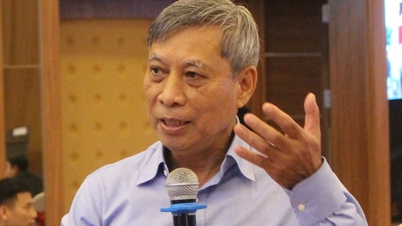
Associate Professor, Dr. Pham Le Tuan, President of the Vietnam Military-Civilian Medical Association, stated: “The Military-Civilian Medical Association aims to protect and care for the health of soldiers and civilians in areas affected by natural disasters, floods, epidemics, remote areas, and islands. The model of combined military and civilian medicine has been and is proving effective in emergency situations. When coming to Eastern Dak Lak, in addition to military medical personnel from military hospitals, we mobilize medical personnel from central and provincial hospitals, as well as support from pharmaceutical companies and health research institutes… This creates a comprehensive and flexible medical resource to ensure timely and effective medical examination and treatment for the people.”
Thanks to the dedication of medical professionals, hundreds of flood victims received timely examinations, treatment, and consultations. The joint efforts of various departments, agencies, and organizations nationwide have been and continue to contribute to protecting the health of people in disaster-stricken areas.
Source: https://baodaklak.vn/xa-hoi/202512/tinh-quan-dan-y-ben-chat-2a11684/



![[Image] A brilliant symphony and explosive power in the skies of Da Nang.](https://vphoto.vietnam.vn/thumb/1200x675/vietnam/resource/IMAGE/2026/05/31/1780196945787_anh-man-hinh-2026-05-31-luc-10-08-51.png)












![[Video] Sunset at Lap An Lagoon – Where the sun sets over the fishing nets](https://vphoto.vietnam.vn/thumb/340x192/vietnam/resource/IMAGE/2026/05/31/1780192137701_beach-landscape-sea-water-nature-grass-745871-pxhere-com.jpeg)

































































Comment (0)