

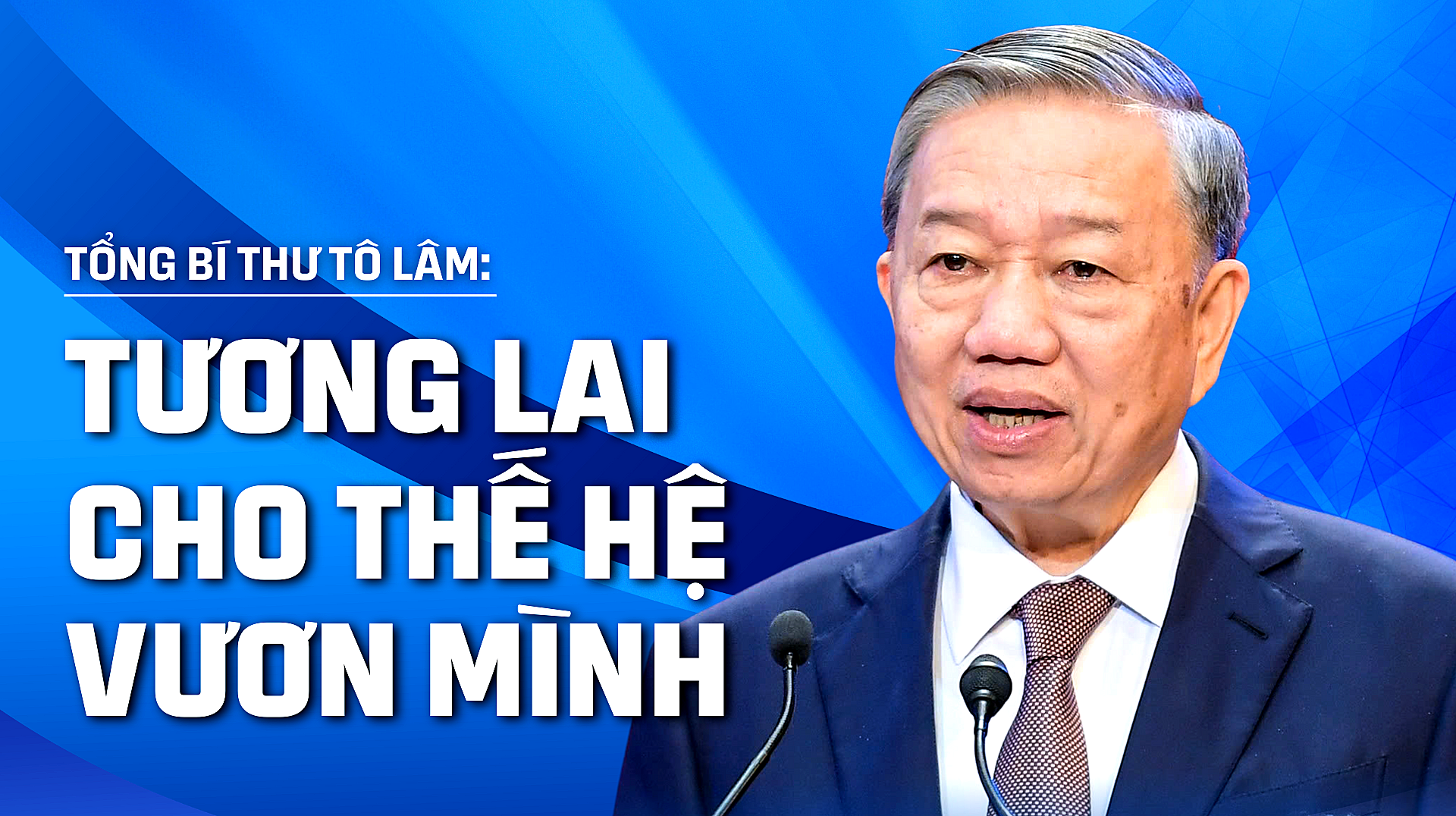
Throughout every revolutionary period, from the time the Party took leadership until now, youth have always been the vanguard force, playing a core role, from the struggle for independence and national reunification to the process of economic and social reform and development.
It can be said that the history of our Party, from its inception to the present day, has always been marked by the clear role of the outstanding and excellent generations of young people of the nation. The first General Secretaries , the talented leaders of the Party, and the great intellectuals of Vietnam all held important positions of responsibility while still young.
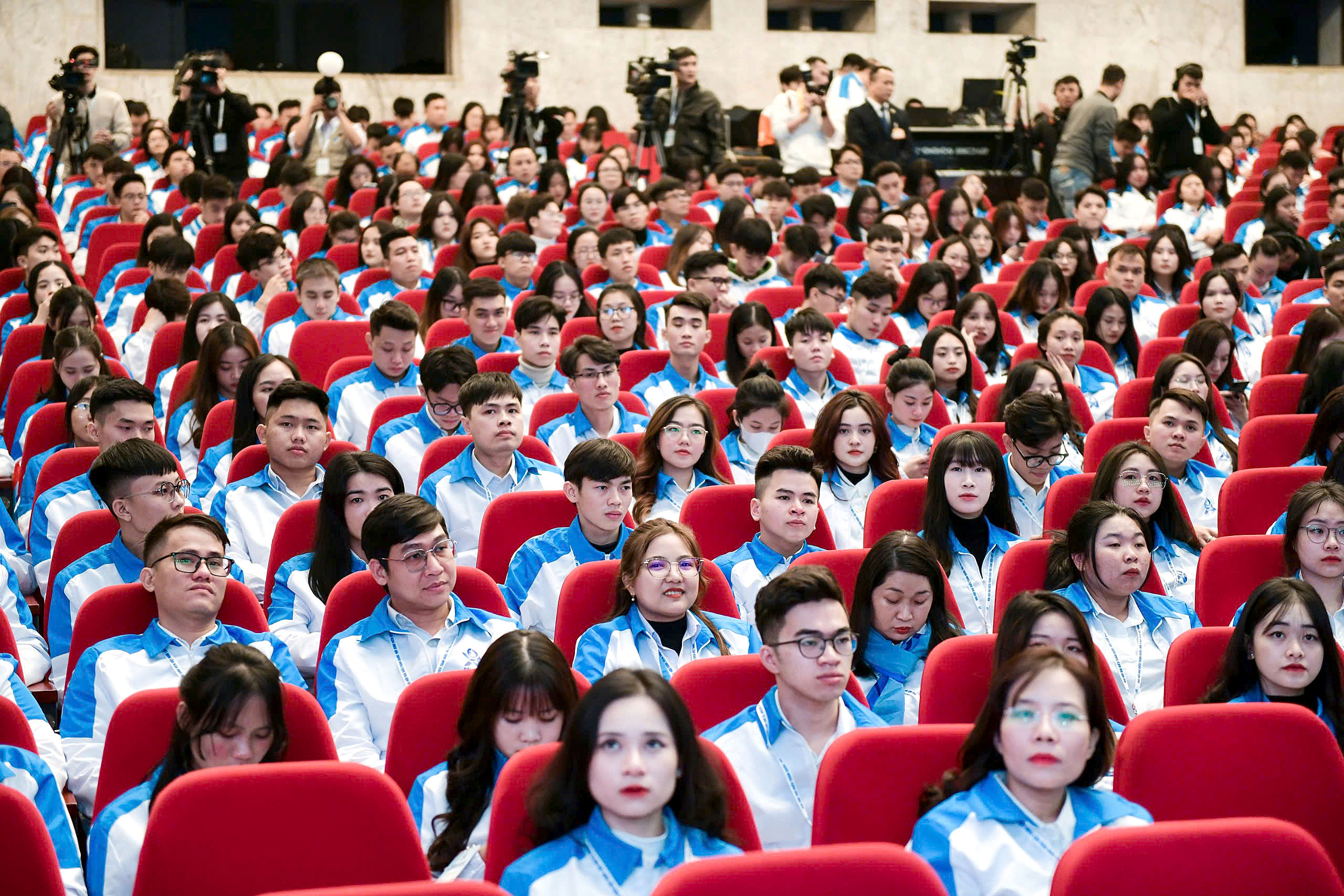
Youth are the pillars that will lead the country into a new era - Photo: NAM TRAN
In the current new era, the role of youth is becoming increasingly important. Youth are the pillars that will propel the country into a new era, the primary resource for building and developing new productive forces, and the pioneering force participating in new fields.
Young people are the future owners of the country, and are a crucial factor in building national values, cultural values, family values, and the standards of Vietnamese humanity.

The maturity, sustainability, and even the destiny of the nation depend greatly on the youth and the younger generation. During the nation's sacred wars of resistance against imperialism and foreign invaders to gain independence, freedom, and protect the integrity of the sacred territory and sovereignty of the Fatherland, millions of young people dedicated their youth to the cause of "fighting to the death for the Fatherland."
The nation's history will forever remember the generations of young people who went to war "with hearts full of hope for the future" with the spirit of "steadier than the Truong Son mountain range," and "We will not return until the enemy is defeated."
In combat, in building and defending the country, we always see the image of "Youth ready in three ways," "Women capable in three ways," "Five volunteers," "Wherever youth are needed, youth are there; wherever there are difficulties, youth are there," "Youth leading the way in the cause of industrialization and modernization of the country," and "Vietnamese youth - Dare to think, dare to act, dare to take responsibility"...
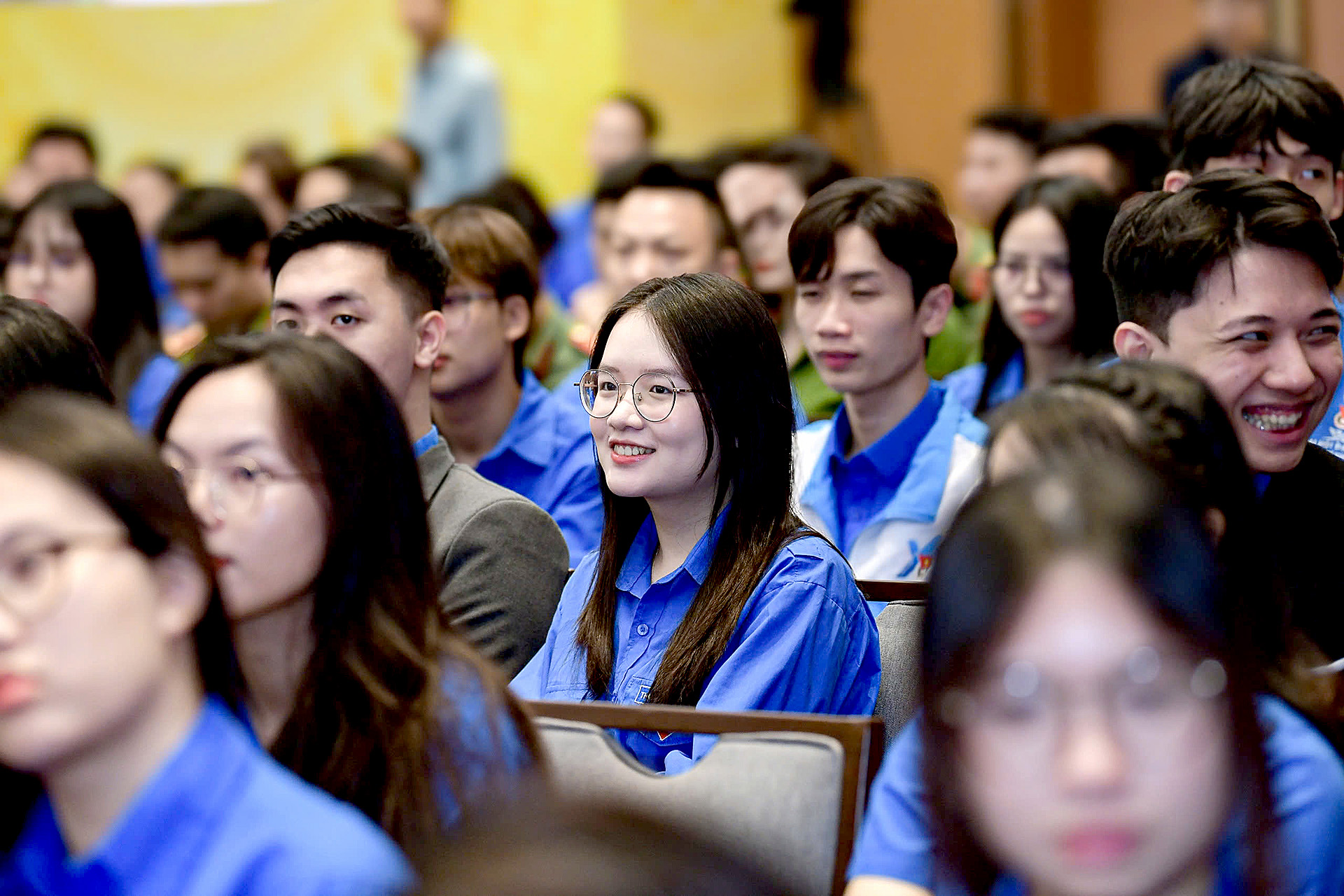
Youth delegates at a dialogue with the Prime Minister in 2024 - Photo: NAM TRAN
In recent years, the younger generation of Vietnam has achieved many important accomplishments in the fields of academia, sports, and culture, contributing to affirming the country's position on the international stage.
Vietnamese youth have consistently won prestigious awards in international competitions in mathematics, physics, chemistry, computer science, scientific and technological innovation, and art. These successes demonstrate the intelligence and strong competitiveness of Vietnamese youth in a globalized environment. In the field of sports, young people have also continuously achieved proud milestones at regional and world tournaments, clearly showcasing their physical strength and tenacious competitive spirit.
Culturally, the younger generation has been playing a crucial role in preserving, conserving, and promoting national cultural identity. In the context of international integration, many traditional Vietnamese cultural values have been widely promoted worldwide through the tireless efforts of young people in international cultural exchange activities and diverse and creative cultural and artistic programs.
However, alongside these achievements, we are also facing many major challenges. While the quality of Vietnam's human resources has improved, it still lags significantly behind developed countries, particularly in terms of creativity, labor productivity, practical skills, and foreign language proficiency.
Vietnam is currently among the 34 largest economies in the world. However, our labor productivity still ranks 117th out of 181 countries/territories surveyed, equivalent to only 11.4% of Singapore's, 35.4% of Malaysia's, not to mention other developed countries.
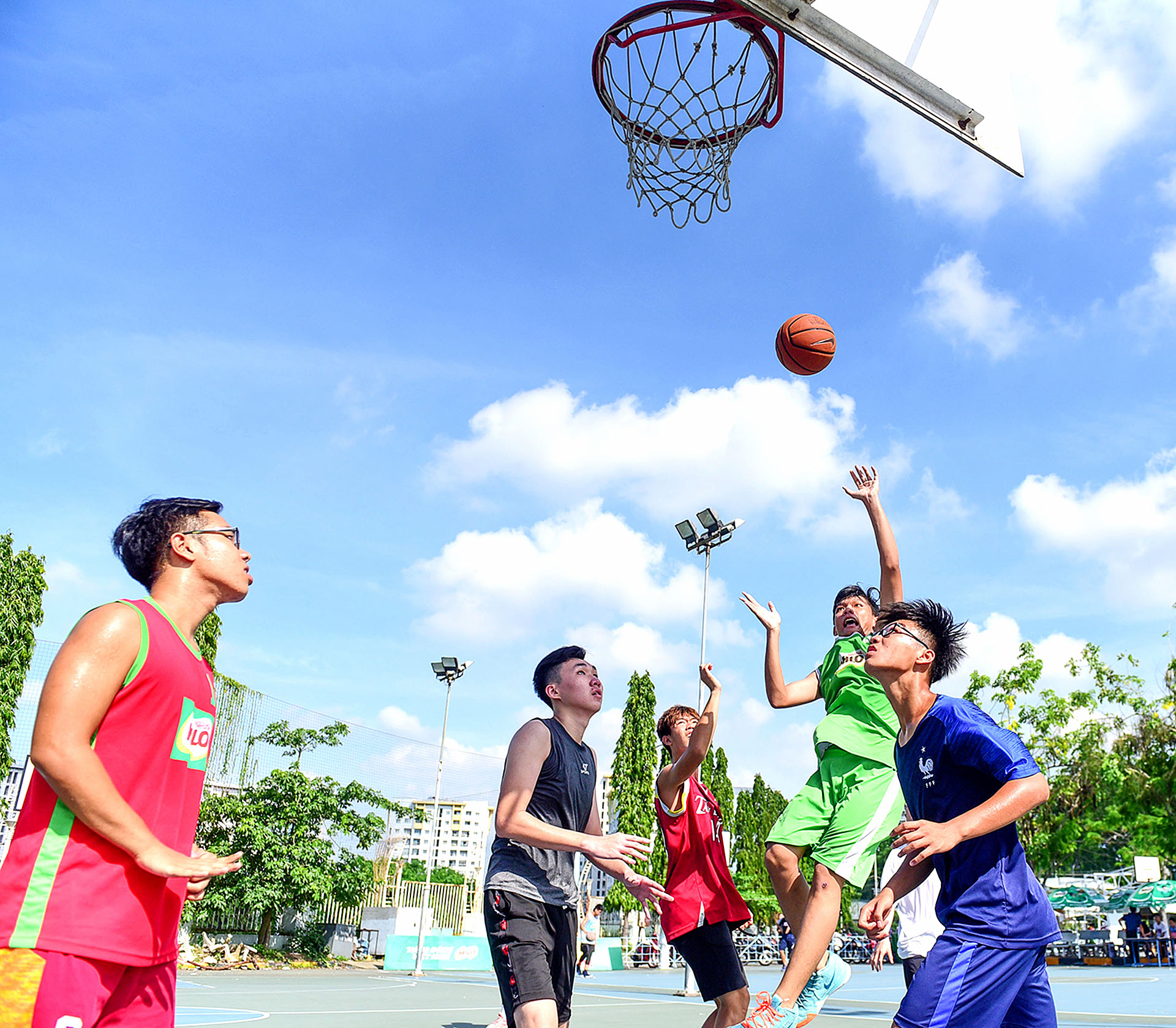
Youth engaging in vibrant sports activities - Photo: QUANG DINH
In recent years, along with the development of the economy, Vietnam has achieved many significant accomplishments in improving the quality of life, education, and healthcare for its people.
However, when considering physical fitness, overall health, and average height of young people, a significant gap still exists compared to other countries in the region and developed countries worldwide.
The average height of men in Vietnam, according to the most recent survey in 2020, was 168.1cm, and that of women was 156.2cm, lower than in other countries in the region such as Thailand (171cm for men, 159cm for women), South Korea (174cm for men, 161cm for women), and Japan (172cm for men, 158cm for women).
The current life expectancy of Vietnamese people is 74.5 years (almost double the 45 years of 1945 and approximately 50 years of 1975), which is 5-10 years lower than Japan (84.6 years), South Korea (83.5 years), or Germany (81.2 years).
The rate of stunting in Vietnam (19.6%) is also much higher than in developed countries such as Japan (2%) or Singapore (4%), indicating that nutritional issues from childhood still have a long-term impact on the physical health of young people.
In high-performance sports competitions, Vietnam may achieve good results in skill-based disciplines but struggles to compete in those requiring strength and endurance.
Another challenge is that Vietnam is currently entering the final stage of its demographic dividend while population aging is occurring at a very rapid pace.
In 2011, the proportion of people aged 60 and over accounted for over 10% of the total population. By 2022, this proportion had increased to approximately 12.8%, equivalent to about 12.5 million elderly people.
It is projected that by 2036, the proportion of elderly people will reach 20%, meaning Vietnam will enter the stage of an aging population.
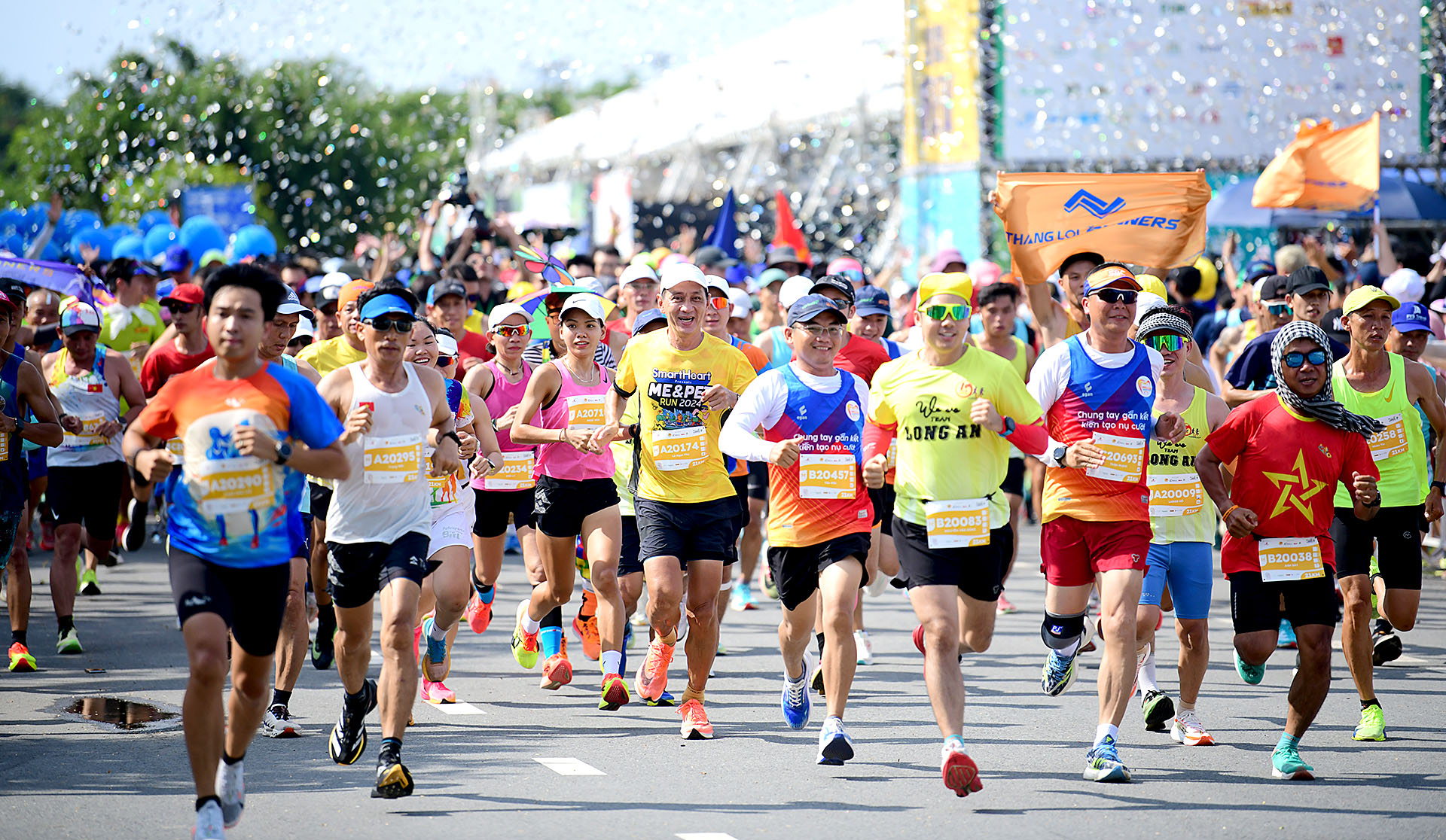
Running races are becoming increasingly popular and well-loved - Photo: QUANG DINH
As the population ages, the workforce declines while the number of dependents increases, leading to a growing financial burden on the working-age population. The healthcare system will also face increasing pressure as the demand for elderly care rises.
This poses a significant challenge for sustainable development planning in order to effectively utilize young human resources before entering a period of population aging.
In the context of increasingly strong globalization, the cultural identity of the Vietnamese nation faces a significant risk of erosion. While global cultural exchange and integration bring many economic and social benefits, they also create major challenges in preserving and promoting traditional cultural values.
Foreign cultural trends, if not received with discernment and selectivity, can overshadow or even erode the inherent beauty of national culture.
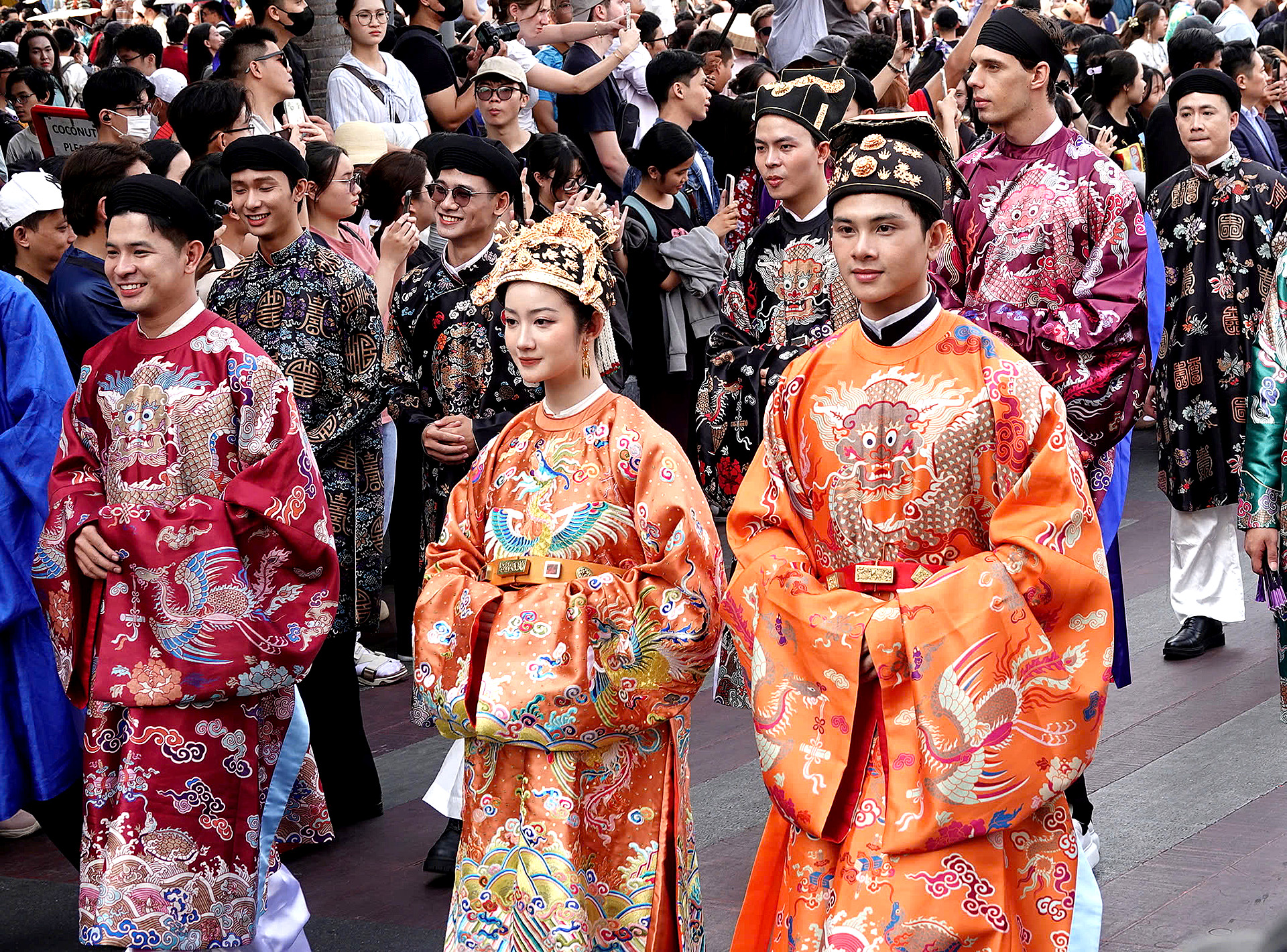
Traditional costume parade "Hundred Flowers Walking" at the Ho Chi Minh City Ao Dai Festival 2025 - Photo: TTD
One of the most obvious manifestations of this problem is the change in the lifestyle and mindset of young people. Many young people today readily accept new, modern values from the outside world while paying little attention to the traditional values of their nation.
The prevalence of international media, social networks, and entertainment is causing many young people to increasingly distance themselves from the distinctive cultural values of their nation, such as traditional art forms, folk festivals, traditional cuisine, and even the moral values and spirit of community solidarity that are unique to the Vietnamese people.
Social evils and the crime rate among young people are becoming increasingly complex and are infiltrating the lives of a significant portion of teenagers, weakening the nation's lineage.
The world is entering an unprecedented era of technological and scientific breakthroughs. The rapid and powerful development of artificial intelligence, biotechnology, big data, and automation is rapidly and profoundly shaping how we work, live, and communicate globally.
This requires each country, including Vietnam, to carefully prepare a young generation that meets stringent human resource standards for integration and sustainable development.
Intellectually, today's young generation in Vietnam needs more than ever the ability to be creative, think critically, and quickly adapt to technological changes. Young people must be trained to become pioneers in mastering new technologies, possessing the capacity to research, develop, and apply the most advanced achievements to practice.
At the same time, the younger generation needs to have a global mindset, international communication skills, and outstanding foreign language skills to proactively integrate into the international environment and compete fairly and effectively with their peers around the world.
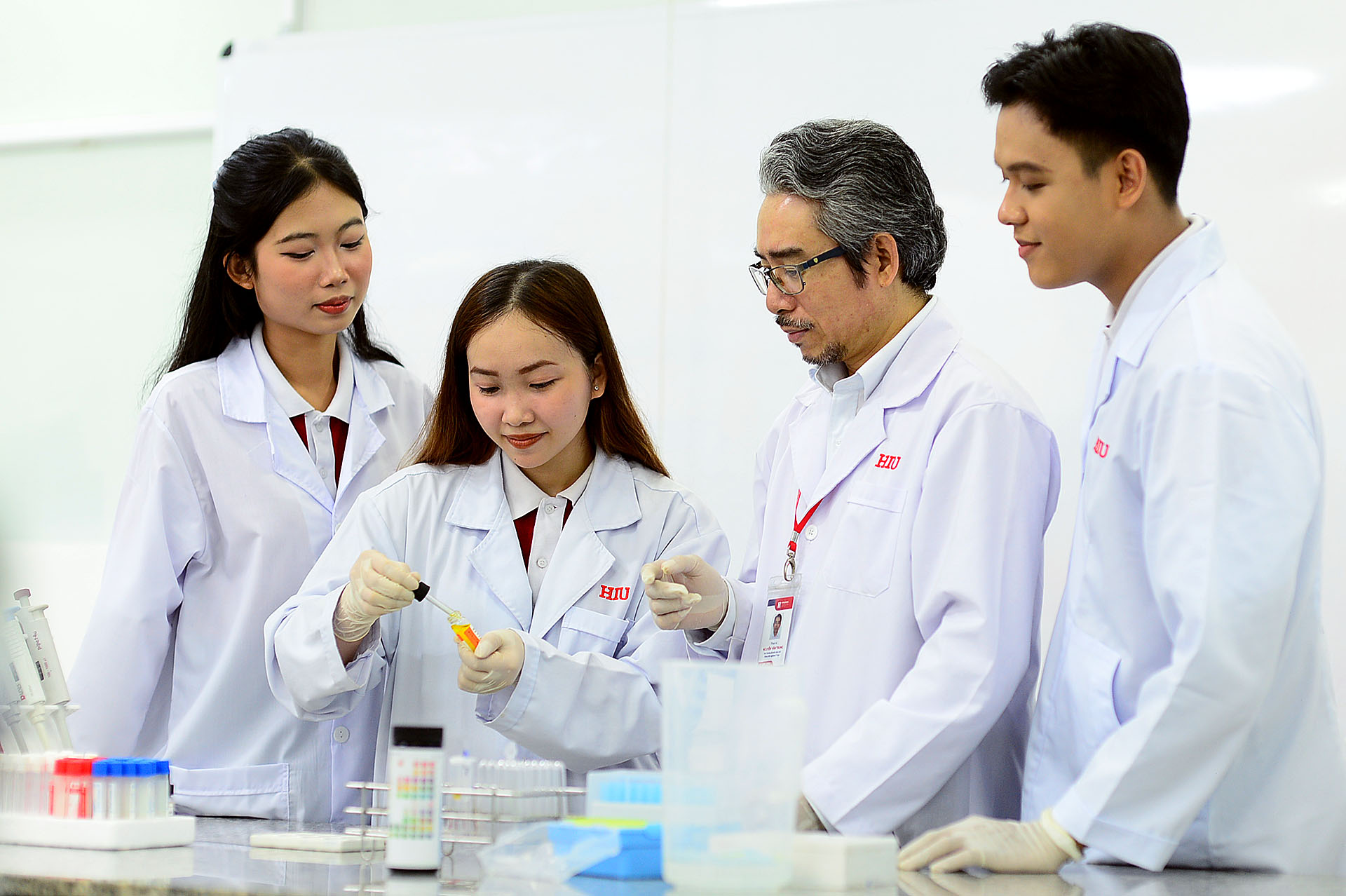
Students conducting scientific research - Photo: QUANG DINH
However, intelligence alone is not enough. Good physical health and strong character are also indispensable conditions for the younger generation to adapt and thrive in an increasingly fiercely competitive global environment.
A generation of physically healthy young people will ensure a high-quality workforce, contributing to the cause of national construction and defense. Therefore, physical education needs to be given more attention, combined with the development of a public health system and modern sports facilities to improve overall health and enhance the stature of Vietnamese people.
In the process of deep international integration, the younger generation also needs to be educated and nurtured to always preserve and promote the national cultural identity. Culture plays a crucial spiritual foundation in the comprehensive development of Vietnamese youth.
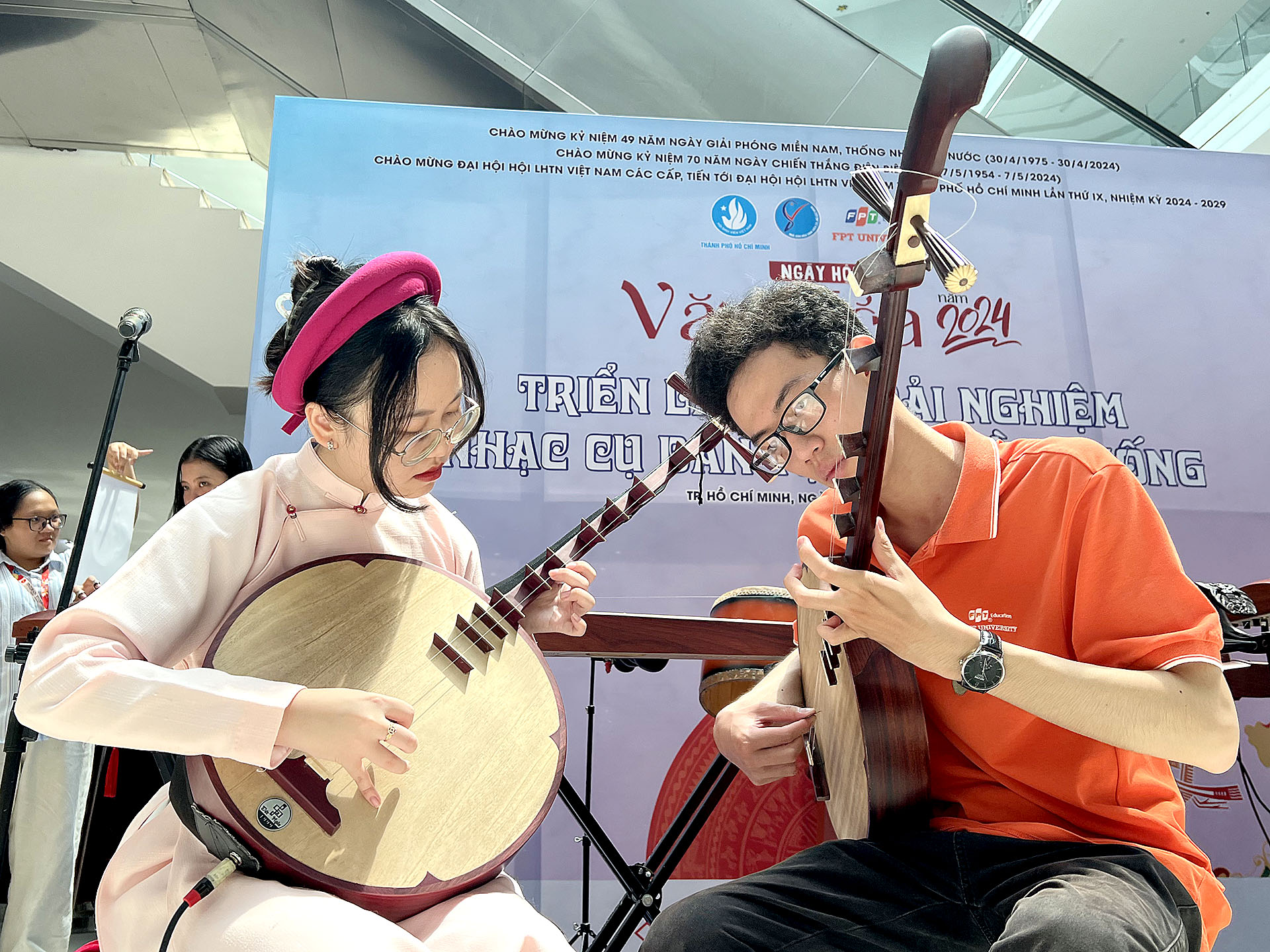
The younger generation needs to be nurtured to preserve and promote national identity and traditional culture - Photo: CONG TRIEU
Culture not only helps shape national identity but is also a crucial soft power, helping Vietnam assert its position and image on the international stage. At the same time, good moral qualities, profound humanistic spirit, and a high sense of social responsibility must be regularly cultivated to build a young generation with sufficient competence and character to make positive contributions to the overall development of society and the world.
In reality, developed countries, world and regional powers all prioritize comprehensive education, physical development, and the preservation and promotion of national culture to create high-quality human resources that meet the requirements of sustainable development. We need to learn from and flexibly apply these international lessons to build an outstanding generation of young people, ensuring the country's steady development in the new era.

After 80 years of nation-building, 50 years of complete national reunification, and nearly 40 years of implementing reforms, our country is entering a breakthrough phase in development, opening up opportunities but also facing unprecedented challenges. The country is integrating more deeply into the global economy, confronting profound changes from breakthroughs in science and technology and global fluctuations.
Looking towards 2045, the momentous occasion marking the 100th anniversary of the nation's founding, we have set a strategic goal of becoming a developed, high-income country. To achieve this, Vietnam needs a young generation that is not only intellectually outstanding but also physically superior, rich in cultural identity, capable of competing and standing shoulder-to-shoulder with the world's leading nations, and affirming the country's position on the international stage.
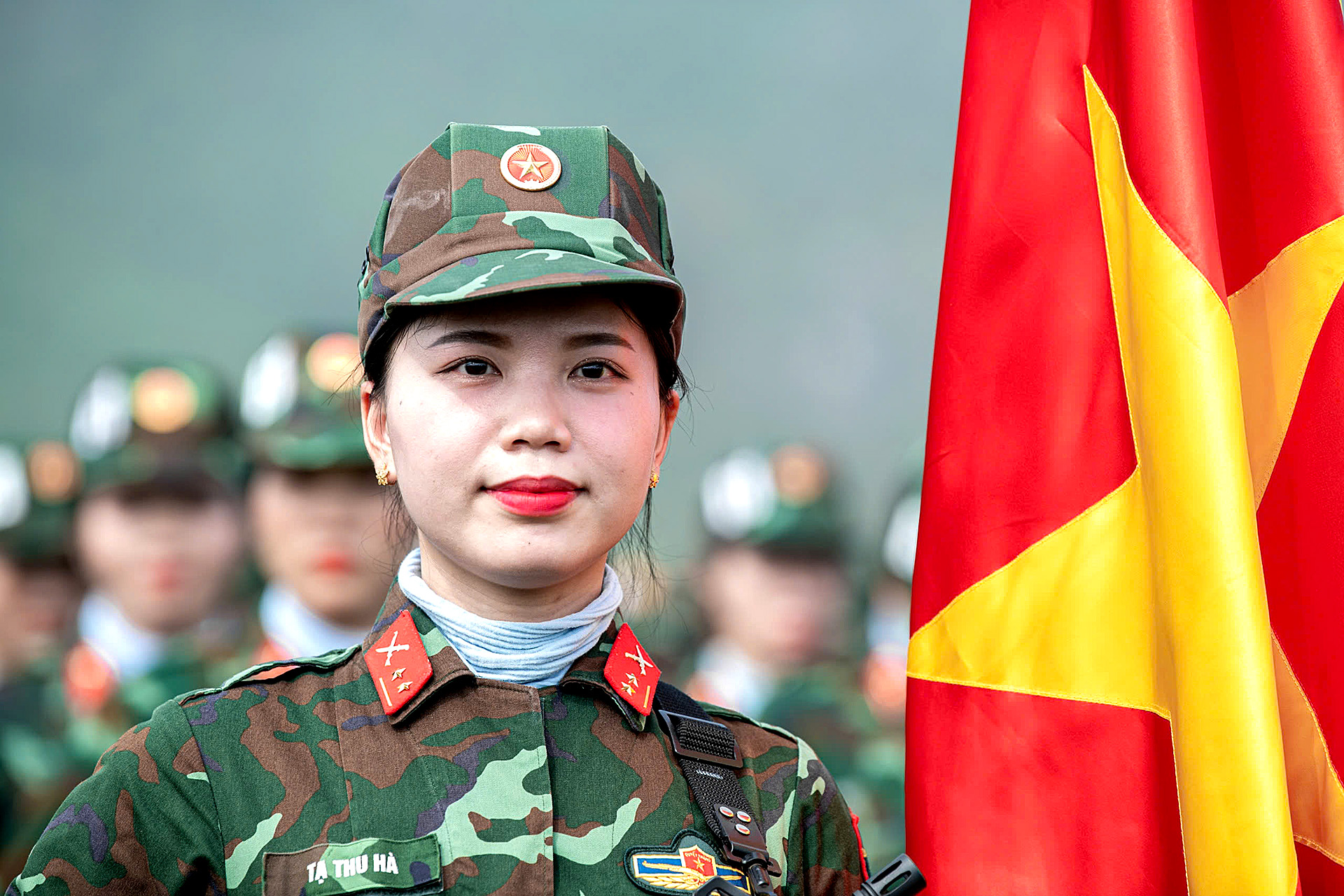
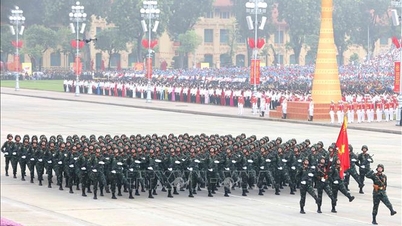
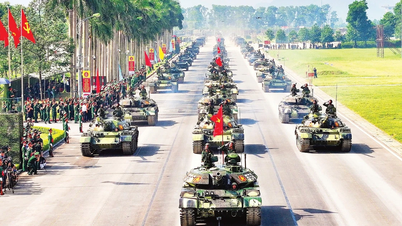
Forces participating in training for the parade and march commemorating the 50th anniversary of the Liberation of Southern Vietnam and the reunification of the country - Photo: NAM TRAN
The consistent viewpoint of our Party and State is to take people as the foundation for sustainable development, because people are both the ultimate goal and the main driving force behind social development. And socio-economic development must aim to satisfy the increasingly higher spiritual and material needs of the people.
Human development has become a central and strategic issue that determines the success of the country. Therefore, youth work is a vital issue for the nation, one of the decisive factors in the success or failure of the revolution, and an important task for the entire political system and society as a whole.
Investing in and developing the younger generation has become a top strategic priority in the new era. Building and nurturing a strong, intelligent, and civilized generation of young people is the solid foundation for Vietnam to continuously strive forward, becoming a developed nation, a symbol of national aspiration, strength, and will.
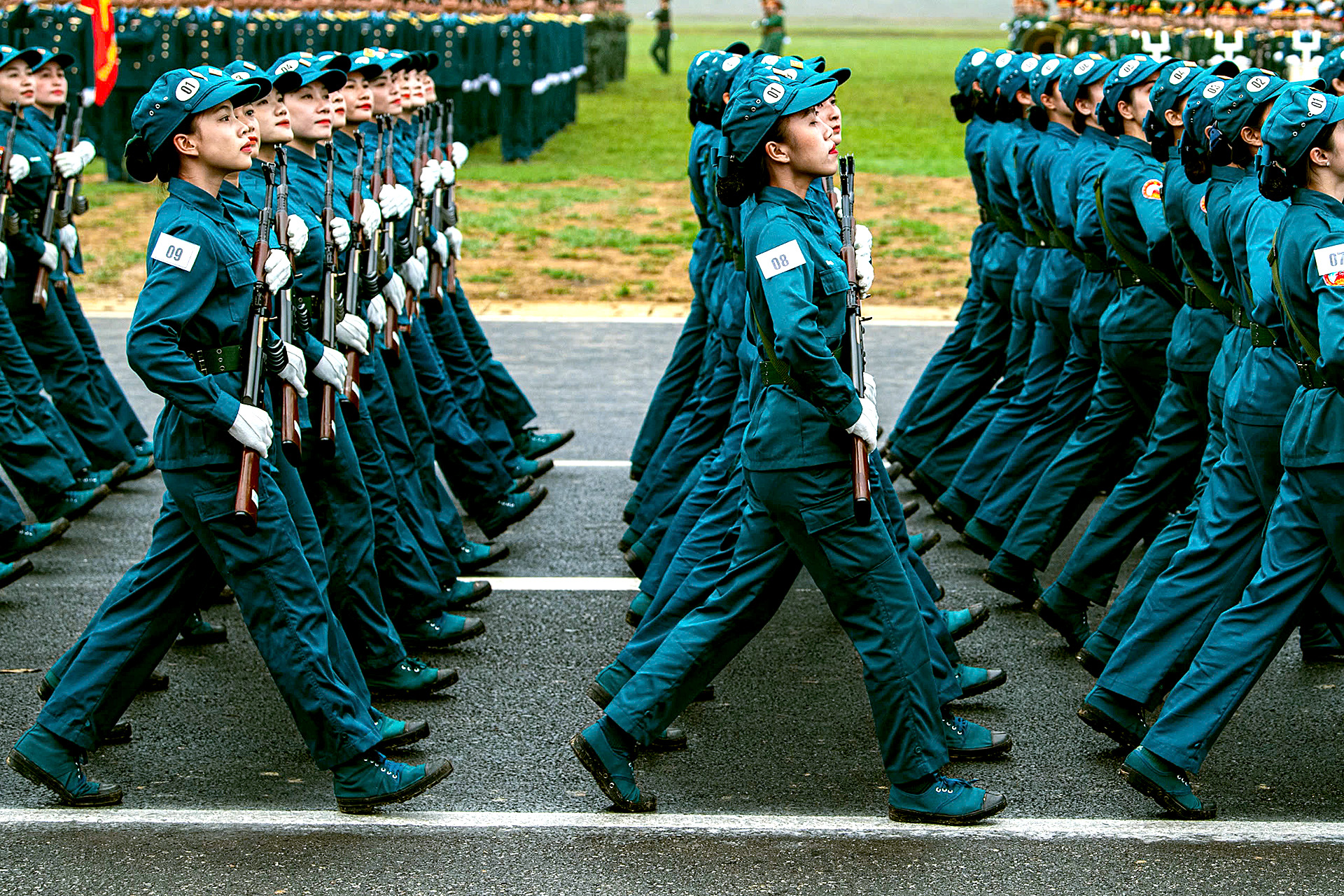
Forces participating in training for the parade and march commemorating the 50th anniversary of the Liberation of Southern Vietnam and the reunification of the country - Photo: NAM TRAN
To move towards 2045 with a vision of a comprehensively developed Vietnam, the orientation of human development, especially the younger generation, has become a strategic priority.
First and foremost, significant investment in education and training is needed to develop intellectual capacity and knowledge. The education system must undergo profound reforms, focusing on developing creative skills, STEM (science, technology, engineering, and mathematics), foreign languages, digital skills, and modern technology. Intellectual education should go hand in hand with cultural, moral, and aesthetic education to cultivate well-rounded individuals.
At the same time, promoting self-learning, lifelong learning, and building a comprehensive learning society are also key tasks. To build an elite workforce, we also need special policies to attract young talents returning from abroad, building a workforce capable of competing globally.
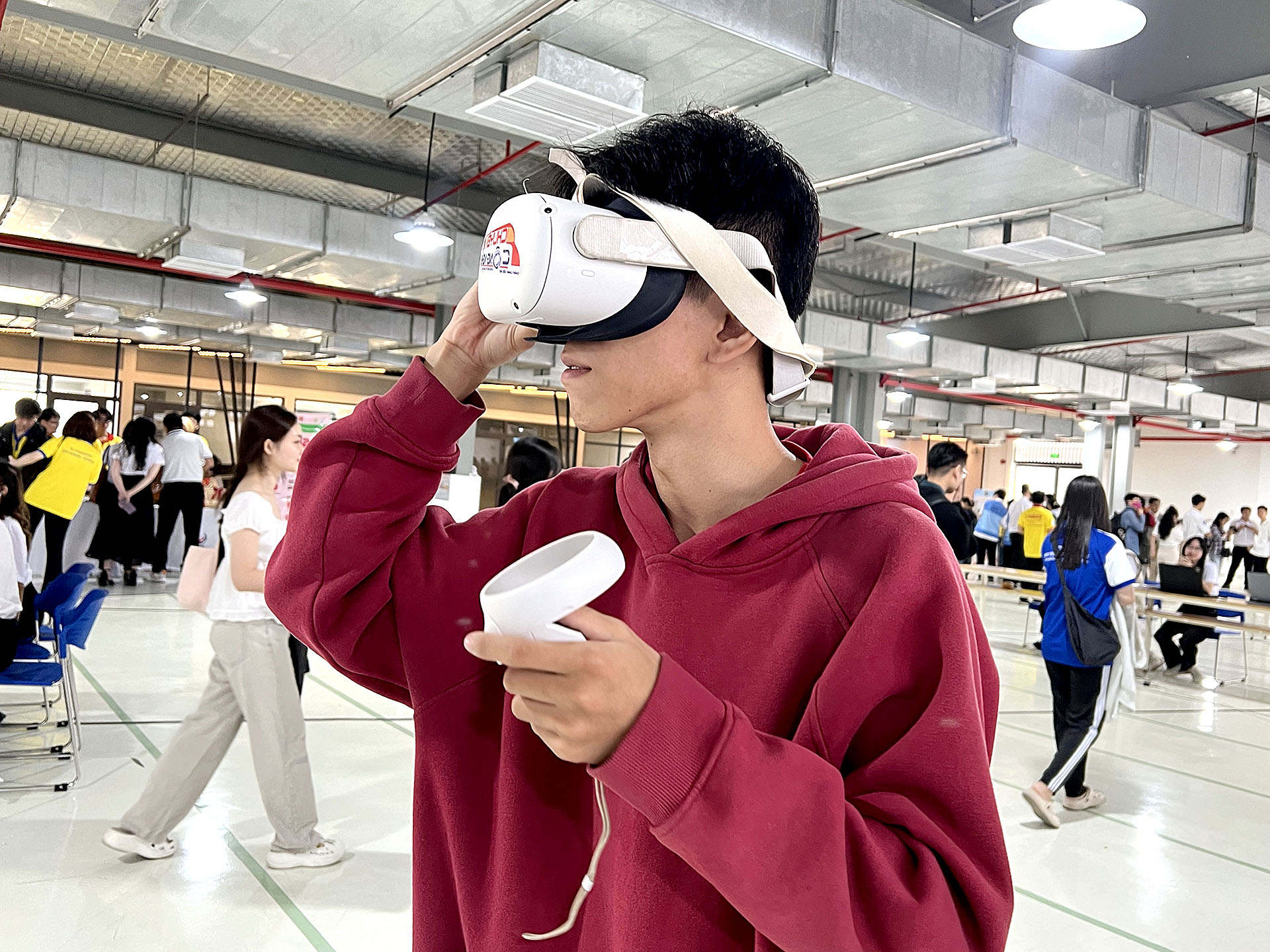
STEM education needs to be prioritized in the current period - Photo: CONG TRIEU
Alongside intellectual education, a strategy to improve the health and physical fitness of Vietnamese people is crucial. The systematic and effective development of school sports should be encouraged to enhance the stature of Vietnamese people. We need to set a specific target for 2045: the average height of Vietnamese youth should reach a level comparable to that of developed countries in the region (e.g., 175cm for men, 163cm for women).
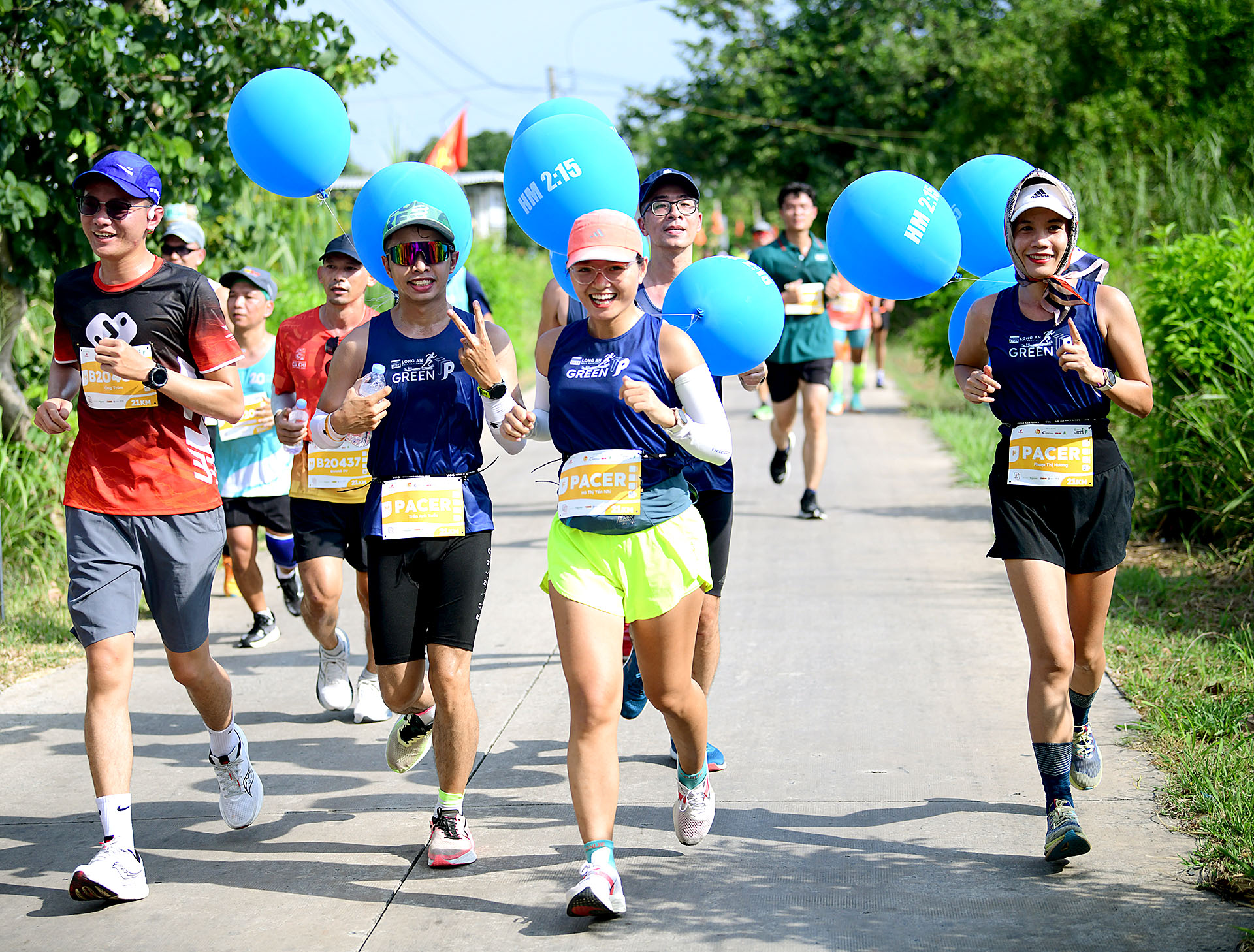
Photo: QUANG DINH
To realize this goal, promoting universal healthcare and building modern sports infrastructure are urgent requirements. We also need to aim to increase the number of high-performance athletes, striving to win medals at major tournaments such as the Asian Games and the Olympics, not only in skill-based sports but also in those requiring exceptional physical strength and stamina.
Culture is an indispensable element in human development strategies. We need to continue investing in preserving and promoting the value of cultural and artistic heritage, while simultaneously innovating and modernizing to suit the times. The goal is to build Vietnamese people rich in national identity: patriotic, compassionate, creative, and integrated without being assimilated. Promoting the cultural industry and making culture a driving force for the national economy and soft power also needs to be emphasized.
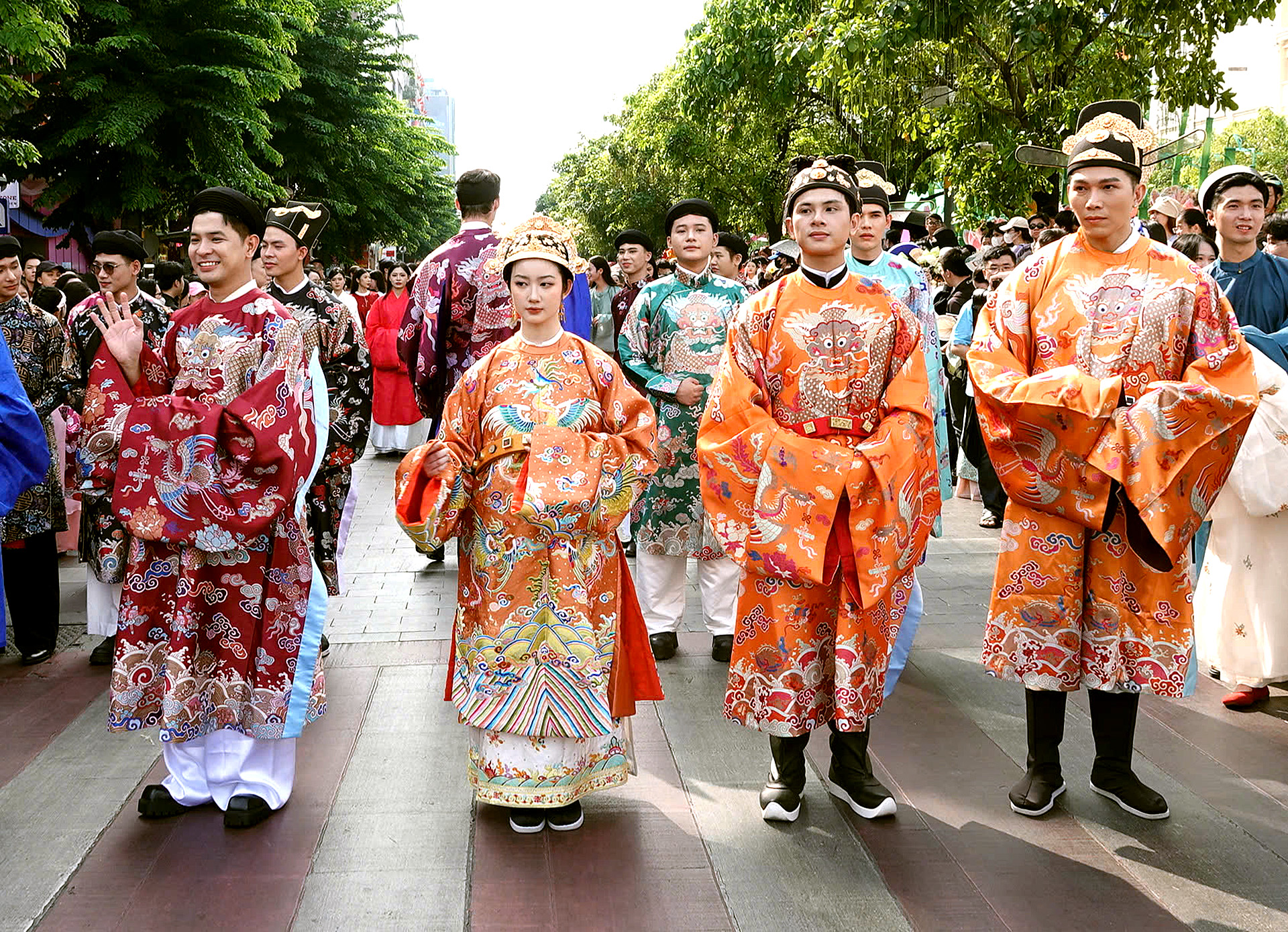
Traditional costume parade at the Ho Chi Minh City Ao Dai Festival 2025 - Photo: TTD
In our population development strategy, we need to maintain a balanced population structure, effectively utilizing the current demographic dividend before entering the aging population phase. Population quality needs to be improved through comprehensive health, nutrition, and education programs. Policies supporting young families, encouraging replacement fertility rates, and providing comprehensive healthcare for children should be implemented in a coordinated manner.
Cultivating moral qualities, ideals, and a desire to contribute among young people is especially important. We need to create an environment for young people to actively participate in digital transformation, the green economy, and national cultural projects, while encouraging them to integrate deeply into the international community. Through this, young people will not only absorb the best of the world but also spread the unique cultural values of Vietnam internationally.
To realize these grand goals, the Party and the State will invest strongly and comprehensively in resources to create the best conditions for the development of the younger generation, especially the "Generation of Awakening," who will be young people in their late teens and early twenties in 2045.
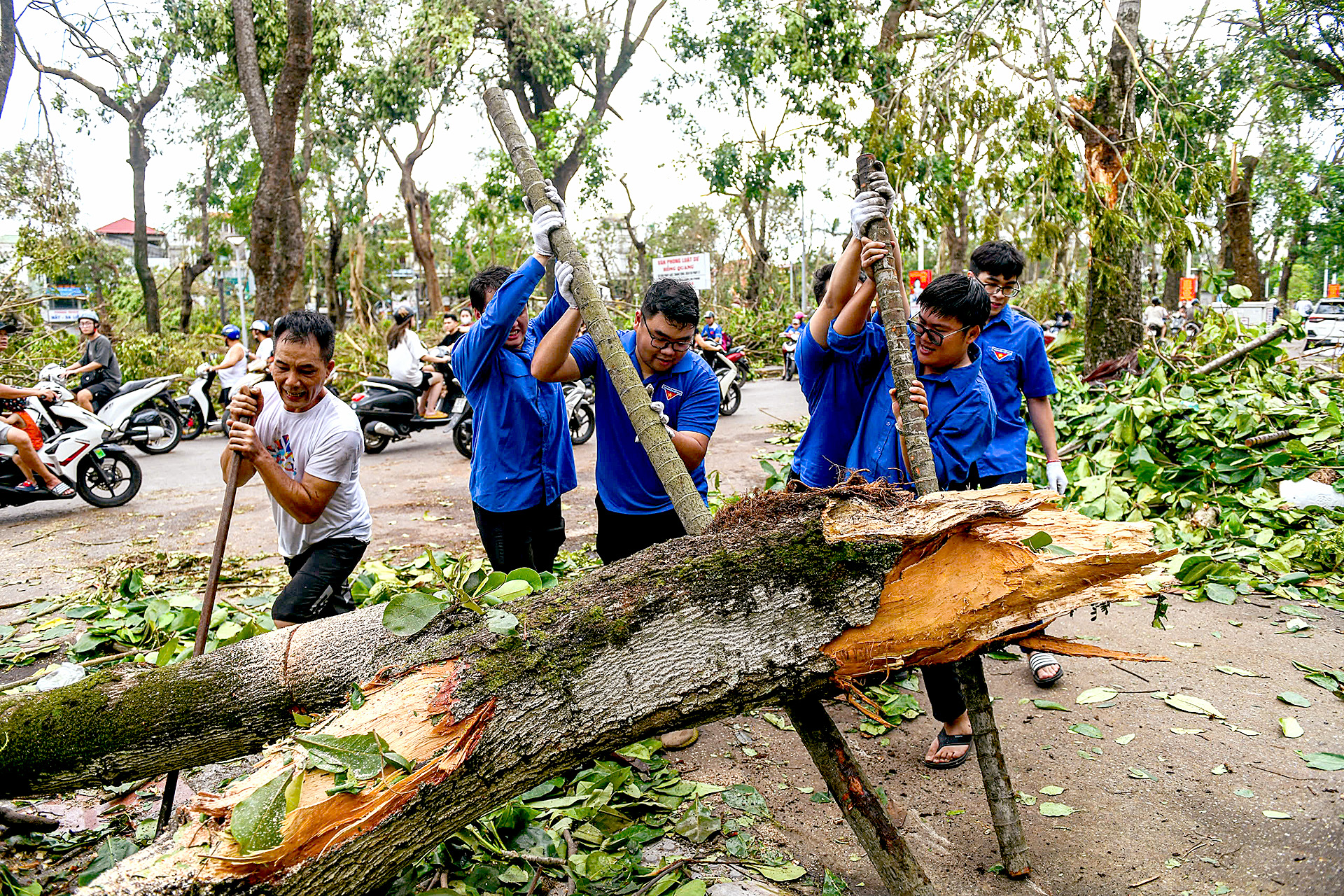
Youth union members and local people are working together to recover after Typhoon No. 3 in Hai Phong - Photo: NAM TRAN
Education, training, sports, culture, and population policy will be top priorities in the national strategy. Each policy and action program aims to improve the quality of life and international competitiveness of Vietnam's young generation. The Party and State will continue to build and implement mechanisms and policies that create a favorable environment and conditions for the healthy, comprehensive, and harmonious development of youth in terms of morality, intellect, physical fitness, and aesthetics.
It is necessary to research and develop specific and appropriate policy groups to promote the pioneering role of youth in labor and production, participation in the Fourth Industrial Revolution, leading in research and application of technology, national digital transformation, entrepreneurship, and innovation; actively participating in the implementation of socio-economic development projects, ensuring national defense and security, and international integration.

Young people participate in activities as part of the "Proud of Vietnam's Islands and Seas" program in the Truong Sa archipelago - Photo: NAM TRAN
At the same time, it is necessary to strengthen solutions for building a high-quality young workforce; review, amend, and supplement key national policies for young talents; and implement breakthrough policies on education, career guidance, vocational training, employment, housing, and cultural and sports facilities for young people. Specific solutions should be identified to prevent, combat, and reduce youth crime rates; a comprehensive set of statistical indicators on youth should be implemented; and criteria for the development of Vietnamese youth at the provincial level should be developed.
The Ho Chi Minh Communist Youth Union needs to continue to innovate and improve the quality, effectiveness, content, and methods of its activities, aligning them with the development goals of the locality and the country, and improving the material and spiritual lives of the people; prioritizing depth and practical effectiveness, ensuring deep and broad reach to all strata of young people.
The Youth Union needs to promote the spirit of dedication and the pioneering role of young people in socio-economic development, ensuring national defense and security, international integration; developing science and technology, entrepreneurship and innovation, digital transformation; protecting the ideological foundation of the Party, combating and refuting erroneous and hostile viewpoints; and participating in preventing, combating, and reducing the crime rate among young people.
Youth union members and young soldiers in Yen Bai, along with local people, are working to overcome the devastating floods caused by Typhoon No. 3 - Photo: NAM TRAN
Besides support from the Party and State and socio-political organizations, the companionship and cooperation from families, schools, and the business community are key and indispensable factors in the development journey of young people. Families play a fundamental role, schools are where intellect and character are nurtured, while organizations and businesses provide an ideal environment for young people to demonstrate their creativity, hone their skills, and accumulate practical experience.
Above all, it is the youth who will ultimately determine the success of these goals and visions. Every young Vietnamese person needs to proactively study, train, and constantly strive to prove themselves. The younger generation needs to confidently step out into the world, carrying with them a wealth of knowledge, physical health, and a soul rich in Vietnamese cultural identity, while simultaneously cultivating themselves to become global citizens with a Vietnamese spirit, contributing to building and protecting the Fatherland.
With that vision in mind, the 100th anniversary of the founding of the nation will be a significant milestone that our country looks forward to with pride and expectation. Over the next 20 years towards that milestone, we share a common aspiration: to build a generation of Vietnamese youth who are intellectually outstanding, physically superior, and deeply rooted in cultural identity, possessing the confidence and courage to stand shoulder-to-shoulder with international peers, contributing to the nation's rise to strength and development.
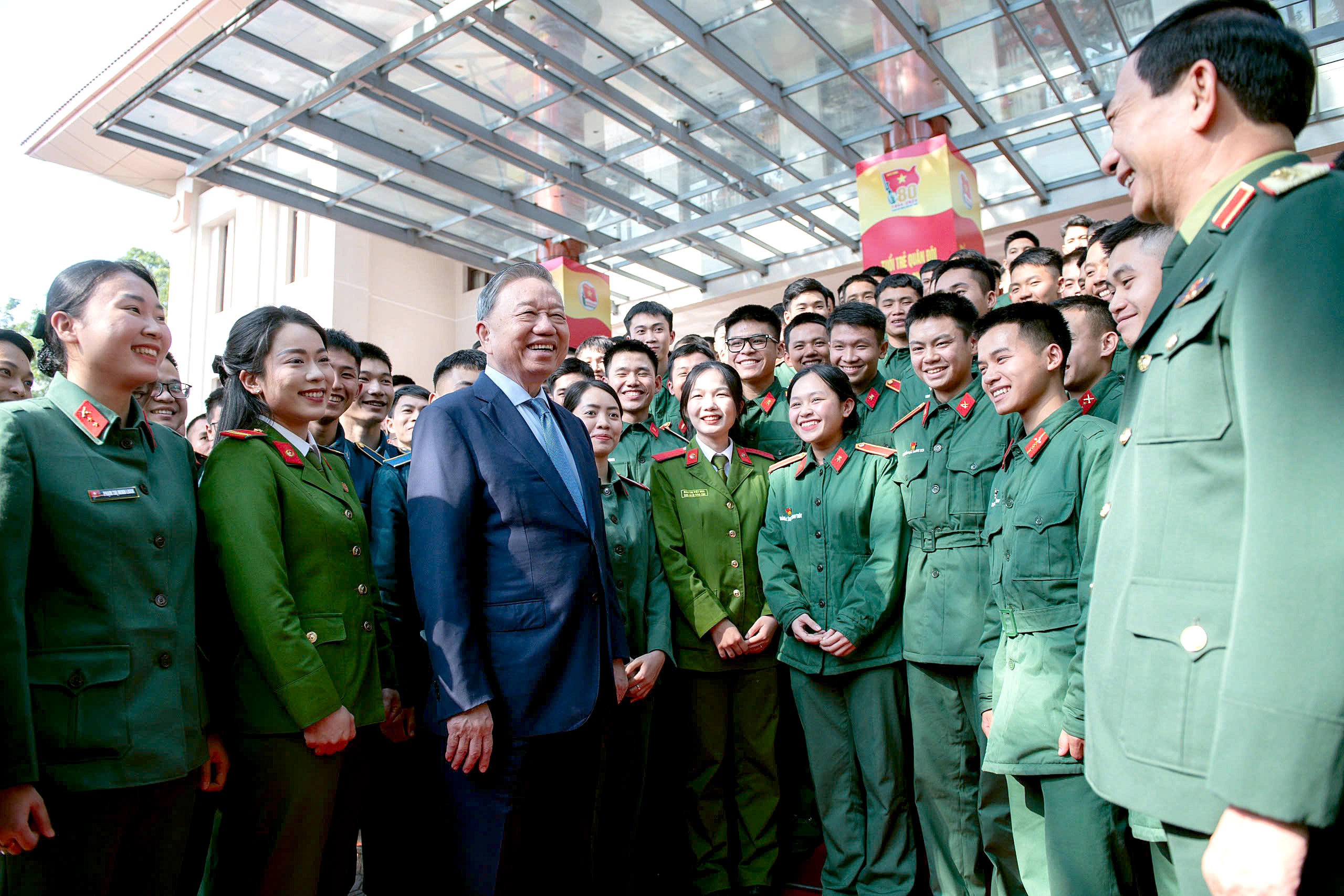
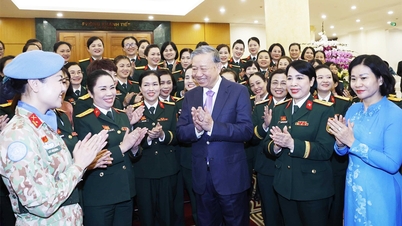
General Secretary To Lam with young people from the army and police - Photo: NAM TRAN
Content: General Secretary TO LAM
Images: NAM TRAN - QUANG DINH - CONG TRIEU - TTD
Presented by: AN BINH
March 25, 2025
Tuoitre.vn
Source: https://tuoitre.vn/tong-bi-thu-to-lam-tuong-lai-cho-the-he-vuon-minh-20250324173442653.htm

















![[Photo] Prime Minister Pham Minh Chinh presides over the conference announcing the establishment of the International Finance Centre in Vietnam.](/_next/image?url=https%3A%2F%2Fvphoto.vietnam.vn%2Fthumb%2F1200x675%2Fvietnam%2Fresource%2FIMAGE%2F2025%2F12%2F21%2F1766309817714_ndo_br_dsc-3400-jpg.webp&w=3840&q=75)


































Comment (0)