

Improving institutions for a new phase of development.
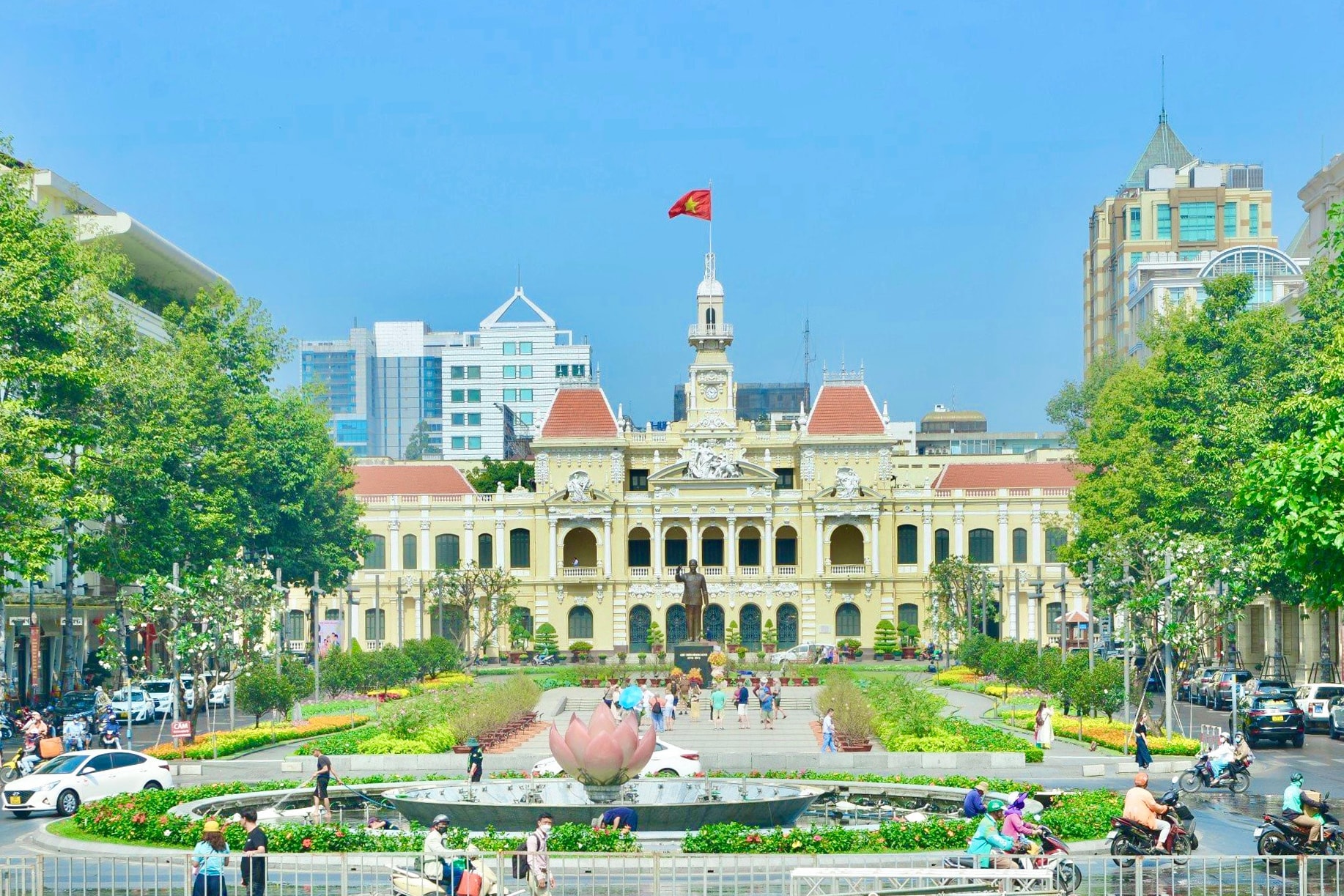
The Politburo's approval for Ho Chi Minh City to research and develop a Law on Special Urban Areas has attracted the attention of the Party Committee, the government, and all sectors of the population. This is considered an important step towards perfecting the legal framework, creating conditions for the city to be more proactive in management and development.
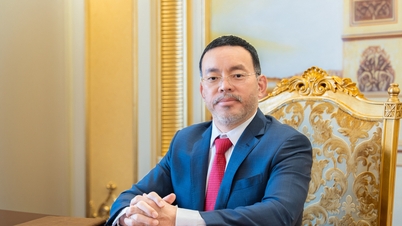
According to the Chairman of the Ho Chi Minh City People's Committee, Nguyen Van Duoc, the city has already drafted the resolution, outline, and content of the law; and is continuing to seek opinions from central agencies and experts before submitting it to the competent authorities for consideration.
The Law on Special Urban Areas was enacted in the context of Ho Chi Minh City entering a new phase of development with increasingly larger scale and higher demands. The expansion of urban space and the reorganization of the local government model have created new requirements in management.
Furthermore, the rapid development of science and technology has revealed many limitations in existing mechanisms, requiring a groundbreaking legal framework that is broad and flexible enough to meet the demands of rapid and sustainable development.
Based on practical management experience, Ho Chi Minh City has identified three principles for lawmaking: ensuring the comprehensive autonomy of local governments according to the motto "local authorities decide, local authorities act, local authorities are responsible"; legalizing practical obstacles such as the management of underground space, public assets, urban railway projects, and international financial centers; and continuing to promote the effectiveness of special mechanisms that have been piloted.
Empowering urban development and expanding resources.

According to the plan, the Law on Special Urban Areas will clearly define the position and role of Ho Chi Minh City, while establishing mechanisms, policies, authority, and responsibilities in urban management, construction, and development. Strengthening decentralization and delegation of power, coupled with power control and accountability, is identified as a solution to improve the effectiveness and efficiency of governance.
One of the key aspects of the Law is to grant more substantial autonomy to the city government in key areas. Ho Chi Minh City will be able to proactively mobilize financial resources, decide on investment projects, and manage its budget, gradually overcoming its dependence on the "request-and-grant" mechanism.
In addition, the city can flexibly and effectively utilize land resources and implement diverse forms of capital mobilization such as issuing municipal bonds and borrowing domestic and foreign capital to invest in key infrastructure projects.
In the economic field, Ho Chi Minh City is oriented towards applying selective incentive mechanisms, focusing on high technology, digital economy, green economy, and circular economy. At the same time, the city has the conditions to develop new models such as free trade zones, free economic zones, and strengthen regional linkages.
In terms of planning, the law allows the city to proactively develop a master plan with a long-term vision based on a multi-center model, ensuring integration and connectivity. Development spaces such as underground spaces, green spaces, waterways, and urban models linked to public transportation will be organized in a coordinated manner.
Notably, the Law on Special Urban Areas is expected to create a breakthrough in infrastructure development, especially urban rail systems, logistics, seaports, energy, and telecommunications, thereby enhancing regional competitiveness and connectivity.
Alongside economic development, Ho Chi Minh City continues to focus on socio-cultural fields such as education, healthcare, social welfare, and human development, aiming to build Ho Chi Minh City into a modern city with a high quality of life and regional competitiveness.
Source: https://daibieunhandan.vn/tp-ho-chi-minh-ky-vong-dot-pha-the-che-tu-luat-do-thi-dac-biet-10415640.html






















































































Comment (0)