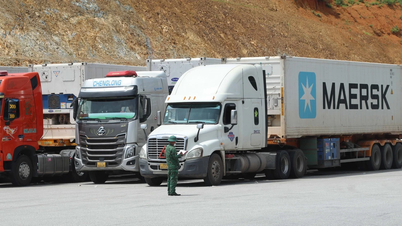
On June 12th, the Import-Export Department ( Ministry of Industry and Trade ) organized a conference to find solutions for risk management, controlling the trade deficit, and promoting exports to achieve double-digit growth targets. The conference focused on assessing import and export developments in the first months of the year, while also recording proposals from businesses and industry associations to recommend solutions to overcome difficulties in the coming period.
Many sectors maintained their growth momentum.
According to the Import-Export Department, total merchandise exports in the first five months of the year reached nearly $215.7 billion, an increase of 19.5% compared to the same period last year. This is a remarkable increase given the ongoing risks to global trade stemming from geopolitical conflicts, protectionist trends, and policy changes in many major markets.
In the overall export picture, electronics continues to be the largest contributor to growth. Ms. Do Thi Thuy Huong, Vice President and General Secretary of the Vietnam Electronics Business Association, said that in the first four months of the year, telephones and components continued to be the largest export group of the electronics industry.

Specifically, exports of telephones and components reached approximately $21.28 billion, an increase of 19.57% compared to the same period in 2025. Meanwhile, imports of this product group only reached about $3.02 billion, a decrease of 11.55%. According to Ms. Huong, this development reflects the trend of optimizing inventory and gradually increasing the localization rate of businesses.
Notably, the group of computers, electronic products, and components recorded outstanding growth, with export turnover reaching approximately US$42.76 billion, a 46.15% increase compared to the same period last year. Conversely, imports reached approximately US$66.34 billion, a 34.72% increase, mainly serving the needs of expanding production and the strong development of the global artificial intelligence (AI) market. According to representatives of the Vietnam Electronics Business Association, areas such as AI servers, data center equipment, high-performance electronic components, smart electronic devices, and semiconductor technology are becoming new growth drivers for the industry.
Besides electronics, the seafood industry continues to maintain its recovery momentum. Ms. Le Hang, Deputy Secretary General of the Vietnam Association of Seafood Processing and Export, said that seafood exports in the first five months of the year reached US$4.66 billion, an 11% increase compared to the same period in 2015. This result shows the adaptability of businesses in the context of a global market still facing many challenges from tariff policies, technical barriers, fluctuating energy costs, and international competitive pressure.
Meanwhile, the textile and garment industry recorded more modest growth. Mr. Truong Van Cam, Permanent Vice Chairman and General Secretary of the Vietnam Textile and Garment Association, said that export turnover in the first five months of the year reached over 17 billion USD, an increase of 0.6% compared to the same period last year due to continued fluctuations in the global market.

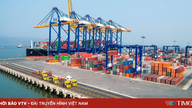
These results show that many key export sectors have maintained their growth momentum, laying the foundation for the goal of double-digit export growth in 2026.
Trade deficit increases, businesses propose various solutions.
Despite strong export growth, imports are increasing at a significantly faster rate. According to data from the Import-Export Department, import turnover in the first five months of the year reached nearly US$229.5 billion, a 30.8% increase compared to the same period last year. In May alone, Vietnam recorded a trade deficit of approximately US$5.2 billion, bringing the cumulative trade deficit for the first five months to about US$13.8 billion. Meanwhile, in the same period of 2025, the trade balance still showed a surplus of approximately US$5.1 billion.
Authorities argue that the trade deficit should be viewed in relation to the economy's production needs. Approximately 87.8% of total current imports consist of machinery, equipment, raw materials, and inputs for production. This indicates that the majority of imported goods are used to expand production capacity and fulfill export orders.
Nevertheless, the head of the Import-Export Department believes that the above developments also reflect the significant dependence of many industries on imported raw materials and components; at the same time, it highlights the urgent need for more effective import management solutions to avoid the risk of prolonged trade deficits affecting macroeconomic stability. According to industry associations, this is an issue that needs to be addressed in the long term through the development of supporting industries, increasing the localization rate, and becoming more proactive in securing domestic raw materials.
At the conference, many businesses also reported difficulties directly affecting their production and export activities. These included limited access to capital, increased financing costs, a shortage of skilled labor, and limitations in advanced processing technology.
Furthermore, increasingly stringent requirements regarding technical standards, food safety, and traceability are adding pressure on businesses. Some industries argue that testing and inspection costs are still high, while the traceability data system between localities is not yet synchronized.
Logistics costs continue to be a burden for many businesses, especially in the agricultural and seafood sectors. Some businesses also reported difficulties with tax refunds, international payments, and procedures related to cash flow.
In light of this situation, businesses are proposing further reductions in specialized inspection procedures, increased digitization of documents, shortened processing times for certificates of origin (C/O), and a reduction in overlapping inspections and audits.



Amidst the ongoing adjustments to trade policies by many countries, the business community also hopes that regulatory bodies will enhance market forecasting, provide early warnings of technical barriers and trade defense measures, and support the effective utilization of new-generation free trade agreements.
According to industry associations, besides expanding export markets, a more important task is to increase the added value of products. Many industries such as electronics, textiles, footwear, seafood, and cashew nuts all believe that it is necessary to strongly promote supporting industries, develop domestic raw materials, and increase the rate of deep processing to enhance competitiveness.
The head of the Import-Export Department stated that they will compile the opinions and recommendations of businesses and industry associations to report to the Ministry of Industry and Trade and other relevant ministries and agencies, as a basis for advising the Government on appropriate management solutions. The goal is to increase import-export turnover by 12-13% in 2026, with exports striving to increase by 15-16%.
Source: https://daibieunhandan.vn/tranh-nguy-co-nhap-sieu-keo-dai-10420333.html