



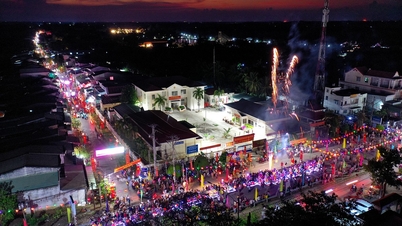
The boat racing festival in Trung Chinh commune.
In spring, whether the air is filled with drizzling rain or the sun gently caresses the eyes, people's hearts are still filled with excitement for village festivals. Village festivals often lack grand stages, but they are as profound as the alluvial soil that nourishes the soul. This is because of the traditional rituals and folk games and performances passed down through generations within the community. It's unclear when exactly, but village festivals have become an indispensable part of life for people in every rural area.
Village festivals in Thanh Hoa province bear the distinct mark of a land of "spiritual and talented people," a place where many different groups of people and a rich history converge. In the delta region, village festivals are deeply rooted in the culture of rice farming and are closely associated with communal houses and temples, places of worship for the village's guardian deity, ancestors who contributed to the founding of the village, or cultural figures and national heroes. The festivals usually begin with solemn processions and sacrificial ceremonies, which not only carry spiritual significance but also demonstrate the preservation of traditional customs and culture. The lively festivities include folk games such as wrestling, swinging, human chess, tug-of-war, etc., reflecting the working life and aspirations for a bountiful harvest of the agricultural community.
In coastal areas, village festivals are often associated with the worship of the whale god, the deities protecting fishermen, or the ancestors who contributed to the settlement and establishment of the village. The festival space is connected to the rivers, estuaries, and the places where boats begin their first voyage of the year. The rituals are solemn, expressing the people's wish for "calm seas and clear skies," and a bountiful catch of shrimp and fish. The festival part usually includes boat races, tug-of-war, and folk performances – activities that demonstrate the collective strength and close-knit spirit of the coastal community.
Further north in the mountains, the village festivals of the Thai, Muong, Dao, and Mong ethnic groups unfold amidst the majestic mountain landscape. There, the sounds of gongs and flutes, the xòe and sạp dances, and the vibrant colors of traditional brocade clothing create a dazzling springtime scene. These festivals are not only occasions for worshipping the village and commemorating ancestors, but also spaces for young men and women to meet, and for artisans to pass on traditional folk songs and dances. Each ritual and performance is connected to their beliefs about the universe, humanity, and nature, reflecting the harmonious philosophy of life and respect for the earth and sky of the mountain dwellers.
Although each region has its own unique characteristics, village festivals in Thanh Hoa province still maintain a traditional structure: the ceremonial part is solemn, preserving customs and morals; the festive part is vibrant, reflecting the ethnic and regional colors, fostering a spirit of unity, joy, and aspirations for the future. This intertwining creates a sustainable cultural structure where sacred and everyday elements blend together, enduring through countless changes.
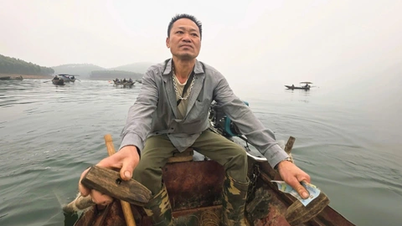
In this vibrant tapestry, the boat racing festival in Trung Chinh commune is a vivid testament to the community spirit of the riverine inhabitants. The festival takes place on the 2nd and 3rd days of the Lunar New Year (Year of the Horse). Despite the pervasive rain, it didn't deter the crowds from braving the weather to watch the festivities. From early morning, both banks of the river were packed with people. The boats were brightly painted and decorated. When the drum sounded, the oars simultaneously cut through the water. The rhythmic rowing and the shouts of cheering echoed throughout the river. Each boat team was the pride of its village. On the shore, the elderly and children cheered and encouraged, creating a lively yet warm atmosphere. Mr. Le Duc Hung from Bi Kieu village said: “The boat racing festival reflects the culture, daily life, and trade closely associated with the river and water of the people here. The festival is not simply a physical competition, but also a symbol of solidarity. That is the strength of the community, the foundation for overcoming challenges and building a more prosperous homeland.”

The procession of palanquins at the village temple festival in Dac Chau.
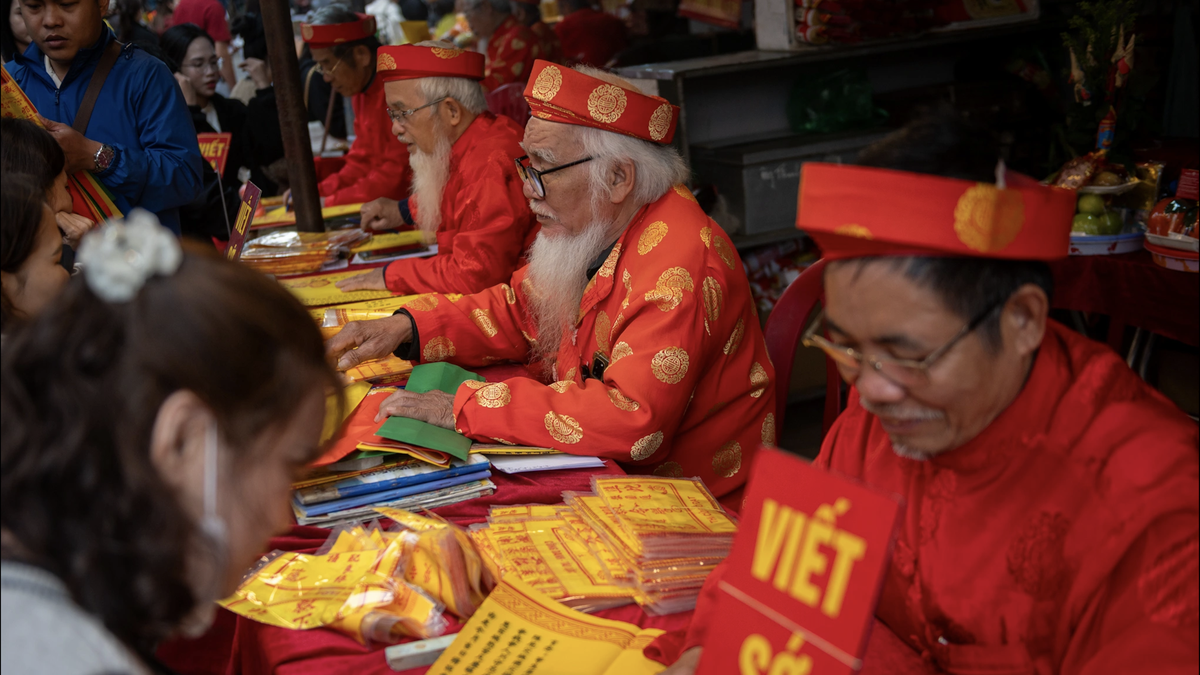
While the boat racing festival reflects the vibrant spirit of the riverine inhabitants, the village temple festival in Dac Chau embodies the sacred and tranquil essence of ancient village culture. The Dac Chau temple is dedicated to the village's guardian deity and ancestors who contributed to the homeland. Every year during the spring, the local people organize the festival with full traditional rituals. The highlight of the festival is the procession of palanquins around the village. The procession, with its five-colored flags, eight treasures, and male and female officials in traditional costumes, creates a solemn yet dazzling scene. Following the ceremony is the festivities with folk games such as tug-of-war and human chess. What is particularly noteworthy is that the festival always attracts a large number of local people, those who have moved away, and the younger generation. The festival has become an indispensable springtime gathering for the people of Dac Chau village. Ms. Tran Thu Hoa, a resident of Dac Chau village, shared: "Participating in the procession, listening to the drums of the festival, and immersing myself in the joyful atmosphere of the folk games, I felt like I was being given a very special source of energy."
Each village festival in Thanh Hoa province is like a piece of a puzzle creating a colorful cultural tapestry. Preserving festivals is not about reminiscing about the past, but about affirming the cultural foundation in the journey of development. When the government and the people actively work together to preserve culture and festivals in a civilized and safe manner, the festivals will not be "confined" as mere exhibits, but will truly live within the community, becoming a driving force for local development.
Text and photos: Thùy Linh
Source: https://baothanhhoa.vn/tray-hoi-lang-mua-xuan-280288.htm






































Comment (0)