


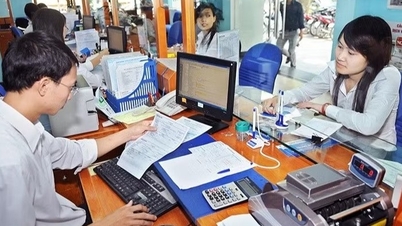
Immediately after completing the administrative reorganization and establishing a two-tiered local government model, the Bao Thang Social Policy Bank advised the Party Committee and local government to maintain transaction points at the former commune headquarters. This approach not only ensured the continuity of policy-based financial services but also created a convenient interaction habit for borrowers and borrowers in familiar areas. Transaction points were equipped with necessary facilities, had fixed schedules, and coordinated with police, militia, and mass organizations to ensure security and order, allowing people to conduct transactions with peace of mind. Policy communication was implemented in depth: through the network of farmers' associations, women's associations, veterans' associations, youth unions, at transaction points (publicly displaying programs, loan conditions, interest rates, and procedures), and in savings and loan group activities.
“Maintaining transaction points at the former commune headquarters and conducting communication through the system of associations and organizations helps us get closer to the people, while reducing transaction costs and increasing accountability in capital utilization. Inspections show that the capital is used for its intended purpose, mainly for livestock farming, forestry, and service businesses. Currently, 16 policy credit programs are operating in the area.”
The principle of "putting people at the center" is also reflected in the pre- and post-loan consultation process: credit officers and savings and loan groups listen, explain the conditions, guide households in developing production plans suitable to their capabilities, and recommend cash flow and repayment schedules that align with the crop cycle. After the loan is disbursed, the group continues to monitor, remind borrowers of deadlines, provide basic technical support, and connect them with market information as needed.

The coordinated efforts of the government, the Social Policy Bank, and social organizations have clearly defined three pillars of sustainable income growth at the grassroots level: forestry, livestock farming, and services. In each pillar, preferential loans act as a "lever" to help poor and near-poor households generate a reasonable cash flow, avoiding falling into the trap of high-interest or spontaneous borrowing.
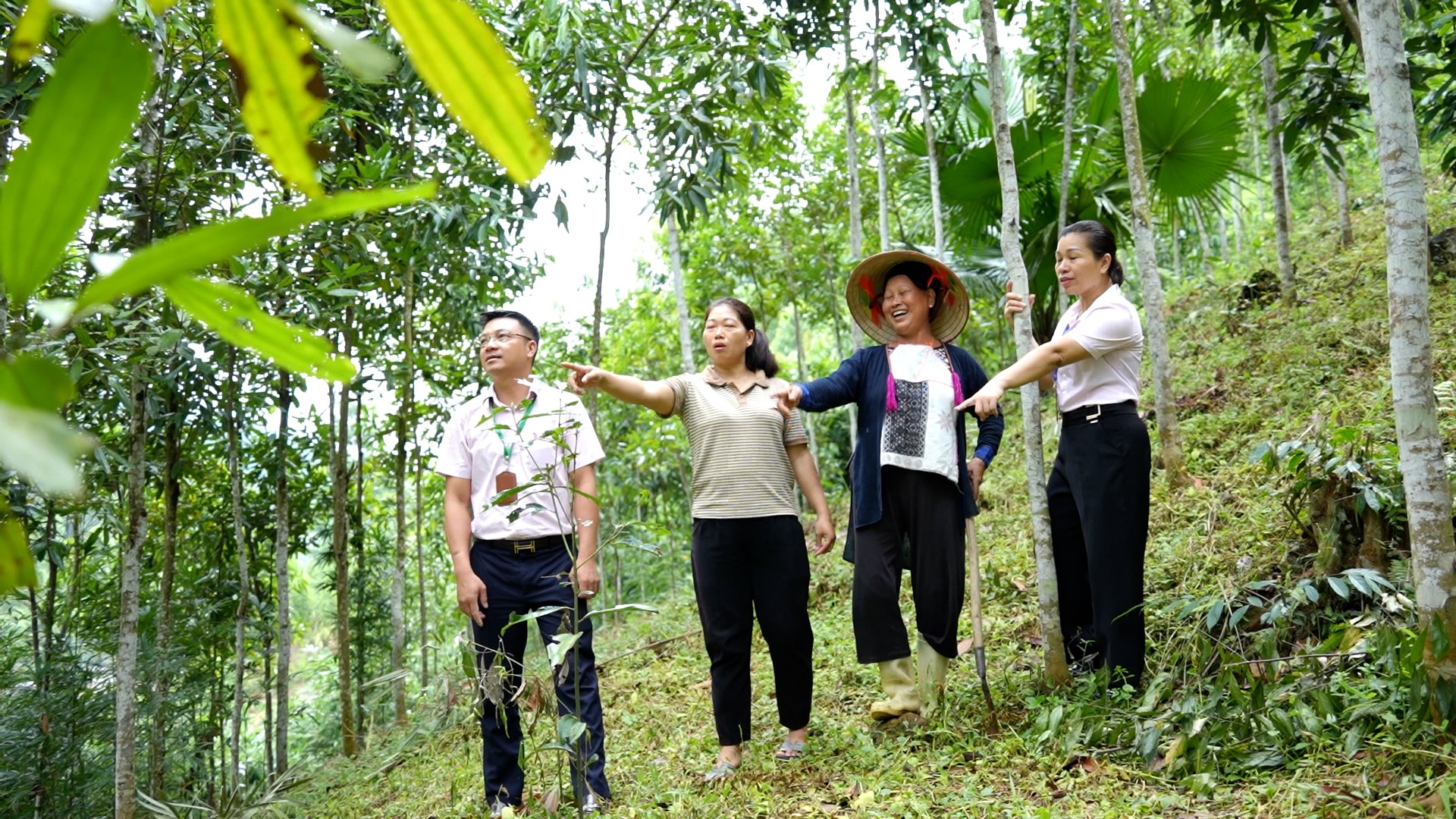
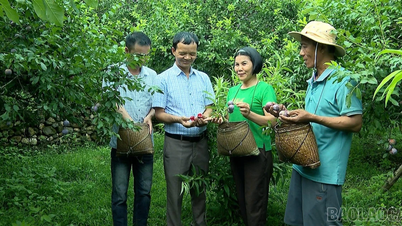
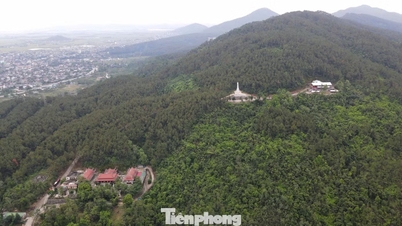
Forest planting is an important livelihood for people in many villages. In Khe Tam, Mr. Dang Van Ha is a typical example. He recounted: initially, his family used borrowed capital to raise a herd of breeding buffaloes, a method suitable for their grazing conditions. When land availability changed, he sold the buffaloes and switched to planting forests: cinnamon, bodhi, and pine. This model allows for stable income: cinnamon is harvested in rotation; pine and bodhi trees are only harvested when they reach maturity, allowing new saplings to grow.
"My income from cinnamon and lard is over 100 million VND per year after deducting expenses. Thanks to that, I escaped poverty, built a house, and supported my four children's education, two of whom are currently attending university," Mr. Ha shared.
His story illustrates the flexibility in capital utilization: the goal is not to maintain a fixed model, but to adjust the plan according to fluctuations in land, market, and labor.
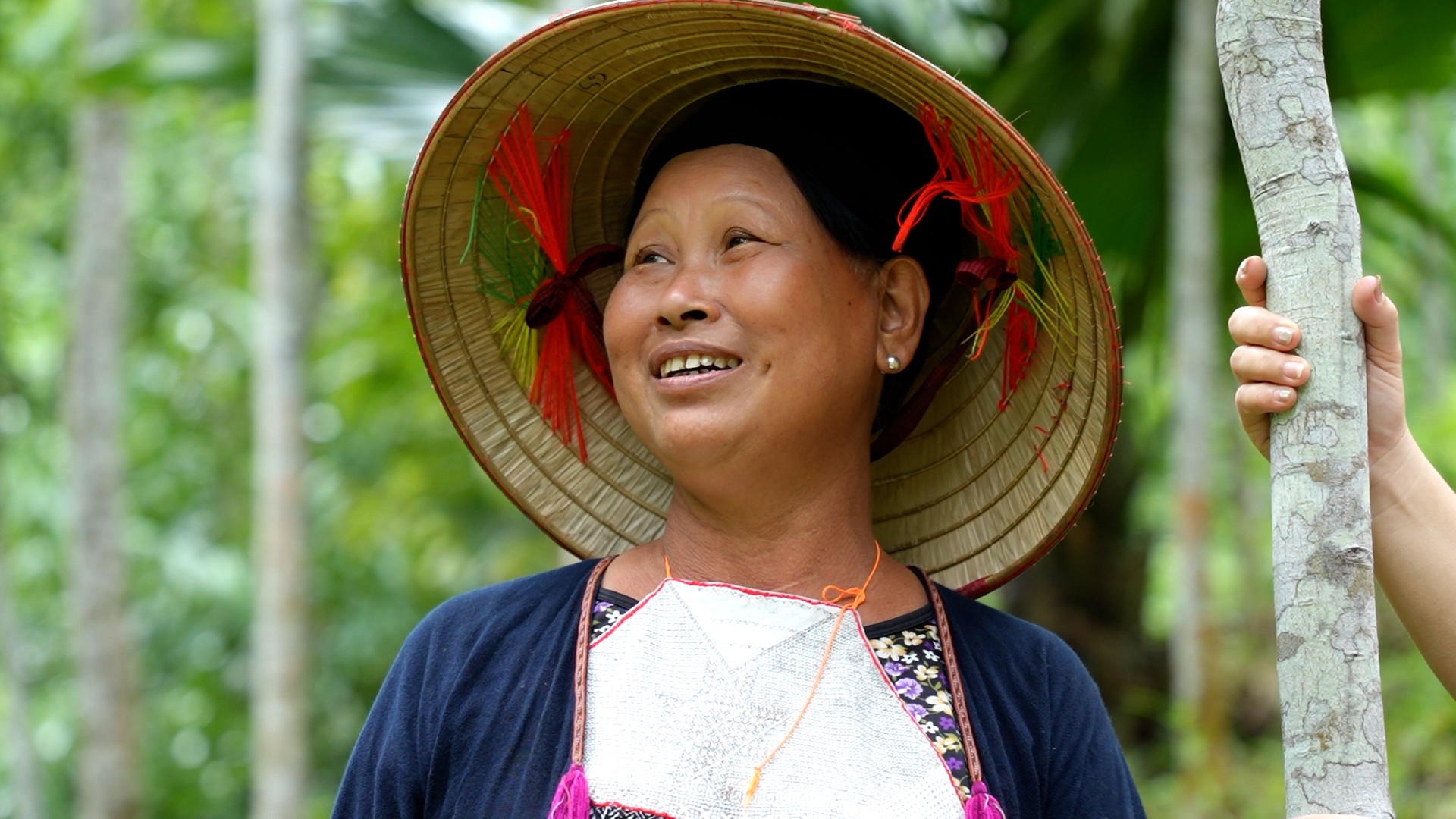
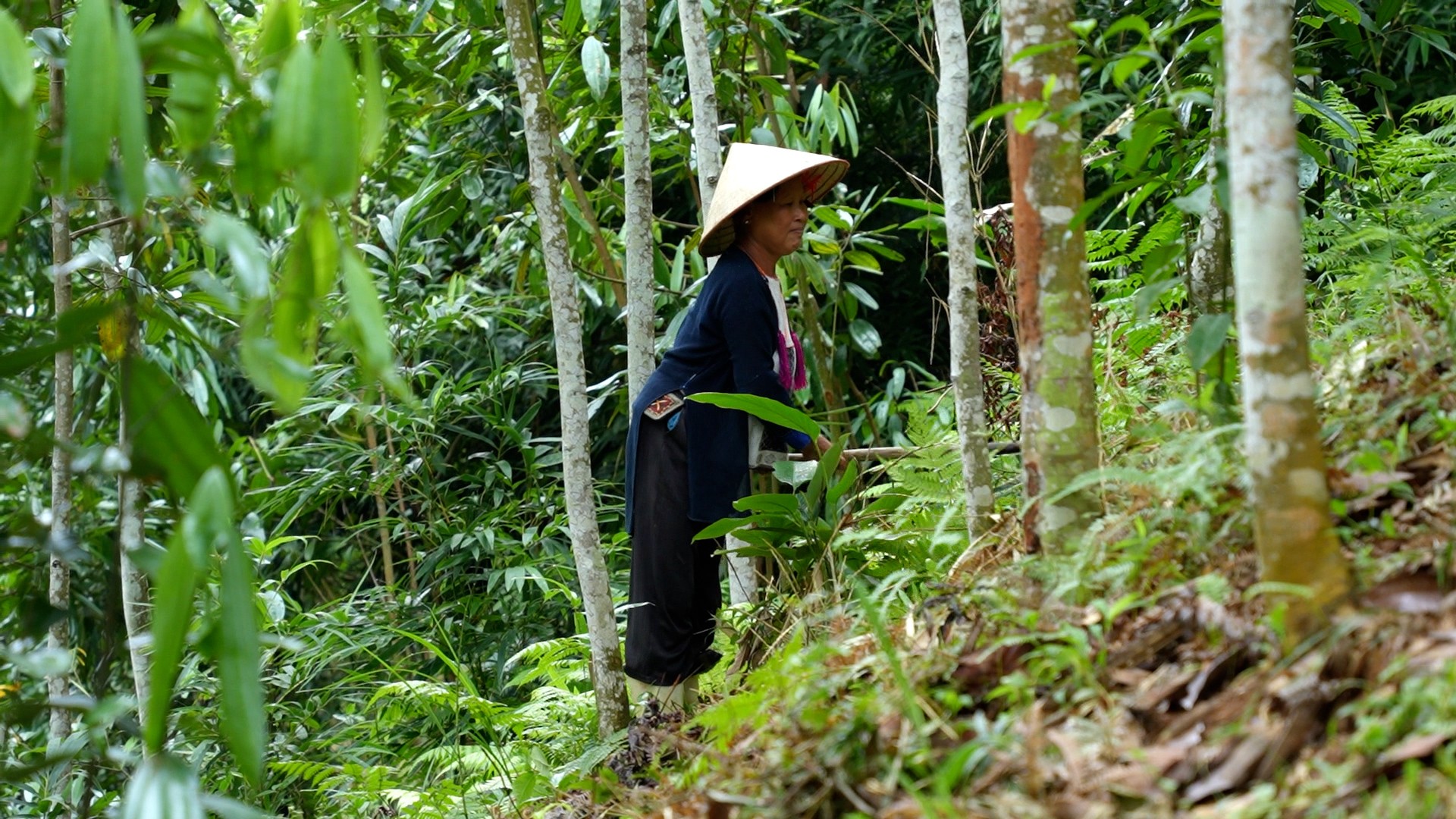
Also in Khe Tam village, Ms. Ly Thi Hoa chose cinnamon as her main crop. She allocated the 100 million VND loan to care for the cinnamon, pruning, and cultivation, focusing on proper techniques to improve bark quality and increase the selling price.
Thanks to the cinnamon harvesting, I've been able to pay off 50 million VND, and the rest will be settled when the next harvest season comes at the end of this year," Hoa shared.
With improved economic conditions , she was able to build a house and buy a motorbike to support her small-scale production and trading, creating a new cycle of capital from her own legitimate and transparent income.
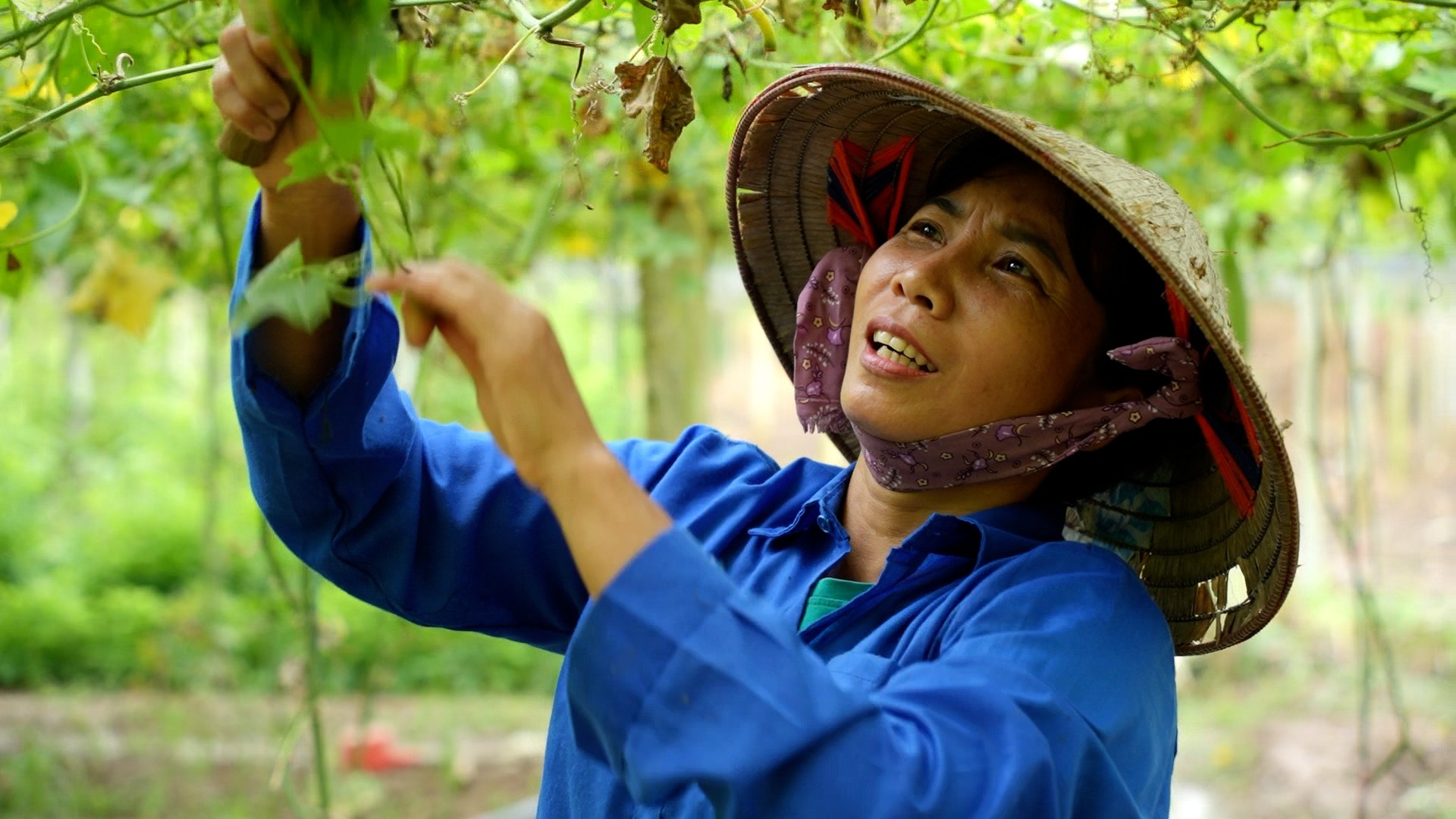
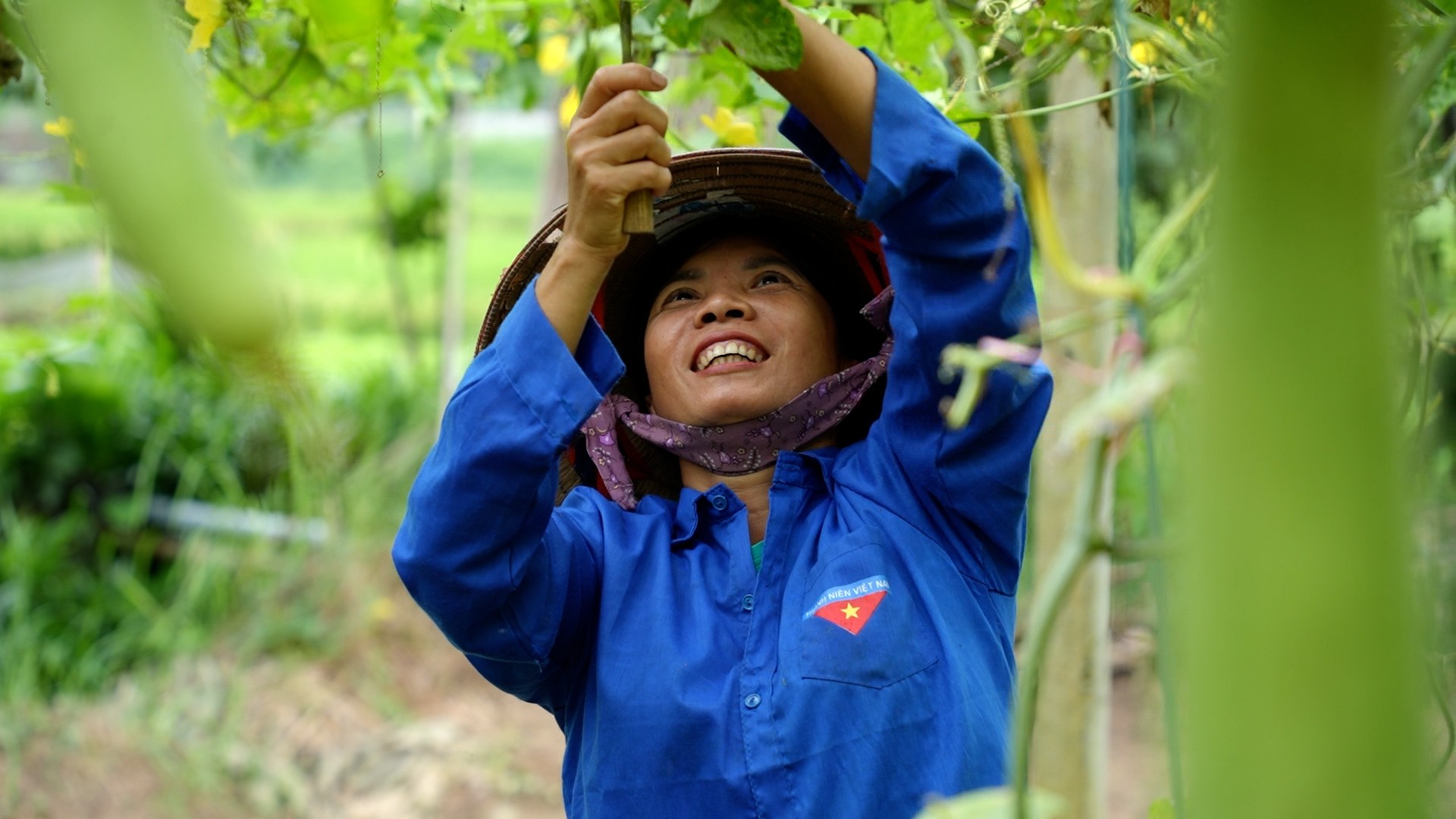
Livestock farming and gardening provide a steady stream of income for many households, especially those with regularly employed workers at home. In Phu Thinh 2 village, Ms. Vu Thi Hong Nhung implemented a "garden-livestock" model: growing vegetables combined with raising pigs and chickens. Her 100 million VND loan was divided into three parts: seeds and supplies; renovation of livestock facilities; and contingency for risks (disease outbreaks, feed prices).
Ms. Nhung said: "To date, I have repaid 50 million VND, and still owe 50 million VND. If I have the means, I would like to borrow more to buy breeding pigs and expand my vegetable growing area, because policy-based loans are an effective support that helps my family gradually escape poverty."
Her case highlights the importance of financial discipline: paying debts on time, reinvesting strategically, and improving hygiene standards in the farm to increase productivity and reduce risks.

In Khe Tam village, Ms. Ban Thi Nhan, head of the savings and loan group, recalled: "Previously, about 90% of households in the village were poor, 80% were Dao ethnic people, and production was mainly for self-sufficiency. My group and I have propagated and guided the villagers to access credit programs such as those for poor households, near-poor households, poverty alleviation programs, production and business in difficult areas, and clean water and sanitation programs. To date, the village has 44-45 households currently borrowing, with outstanding loans of about 4 billion VND; temporary houses have almost disappeared, replaced by solid brick houses; clean water, bathrooms, and toilets have been installed in almost 100% of households. The poverty rate has decreased sharply to 0.8% – a figure that speaks volumes about the practical effectiveness of policy-based credit linked to practical implementation."
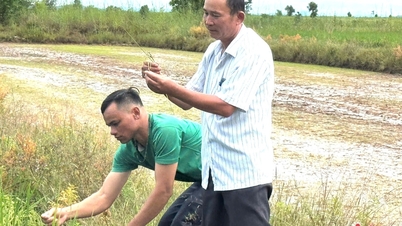
A notable advantage of the model in Bao Thang commune is the discipline of saving and repaying debts on time. Many households have recorded their cash flow, timing repayments by autumn to avoid being caught off guard. With cinnamon, the technique of staggered harvesting spreads cash flow evenly, reducing pressure on repayment deadlines. With oil palm and bodhi trees, the harvesting schedule is set according to the age of the tree during periods of good selling prices, combined with the next area already planted, creating a safe delay in the capital cycle. In livestock farming, hygiene and biosecurity standards have been raised, reducing the risk of disease outbreaks, a factor that can easily disrupt debt repayment plans.
Source: https://baolaocai.vn/tro-luc-hieu-qua-cho-dan-post882883.html
![[Photo] General Secretary and President To Lam works with the Party Committee of the Ministry of Health on the work of Vietnamese traditional medicine.](https://vphoto.vietnam.vn/thumb/1200x675/vietnam/resource/IMAGE/2026/05/20/1779294323718_a1-bnd-2978-3319-jpg.webp)
![[Photo] National Assembly Chairman Tran Thanh Man working with the Standing Committee of the National Assembly's Delegation Affairs Committee.](https://vphoto.vietnam.vn/thumb/1200x675/vietnam/resource/IMAGE/2026/05/20/1779294340023_ndo_br_1-1691-jpg.webp)


![[Image] "Journey of Hope" promotes the organ and tissue donation movement in Vietnam.](https://vphoto.vietnam.vn/thumb/1200x675/vietnam/resource/IMAGE/2026/05/20/1779294400833_1-8910-jpg.webp)







































































Comment (0)