

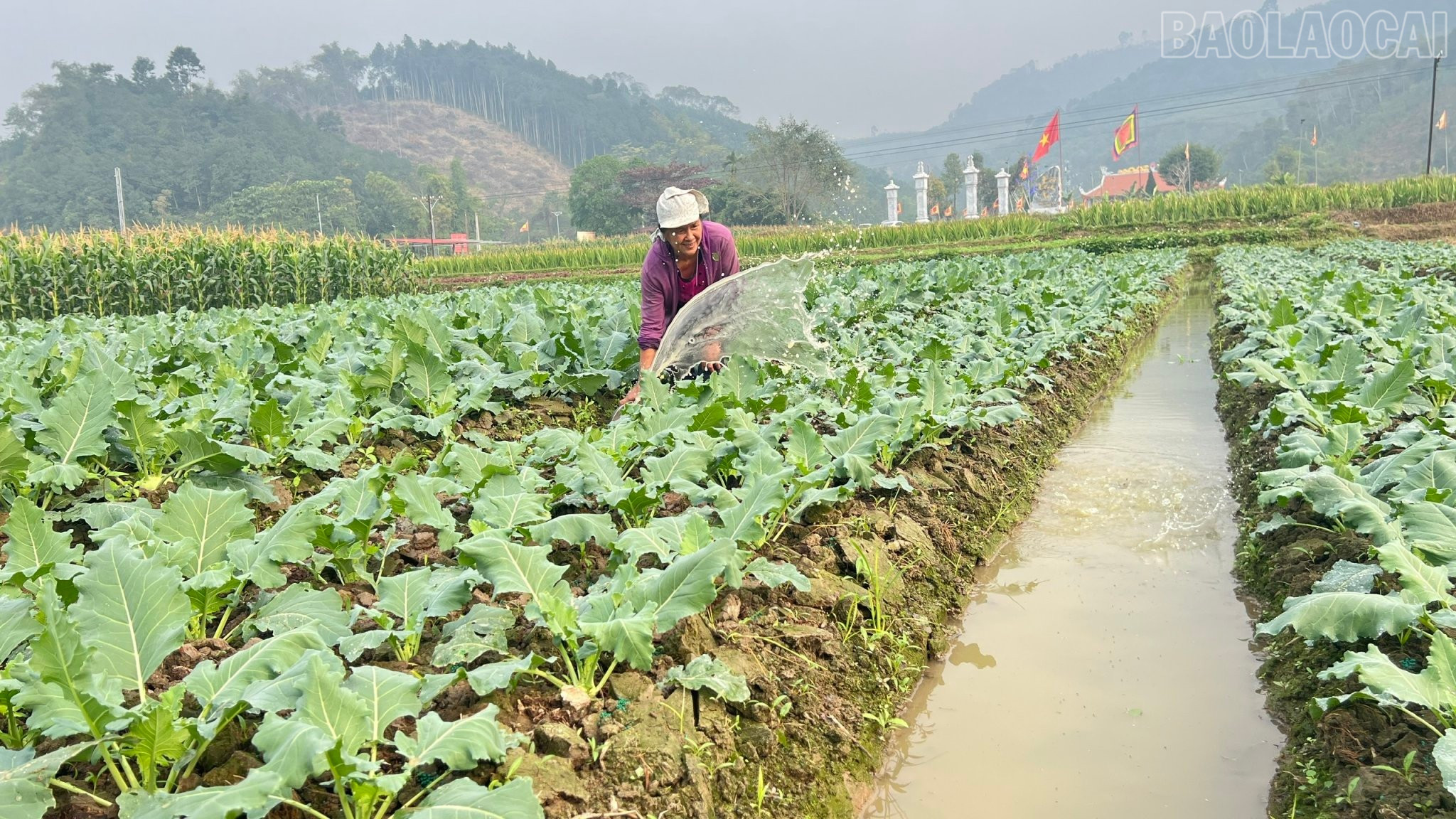
As soon as the rice harvest concludes, the agricultural activity on the fields along the Red River in Bao Thang commune continues with the winter crop. Without letting the land rest, the people take advantage of every plot and every favorable time to plant short-term crops to increase the value of production per unit area. For many households here, winter crop production has become a familiar practice in recent years.
The family of Ms. Do Thi Sinh in Quyet Tam village is one of the households that consistently maintains winter crop production. Immediately after harvesting the rice crop, her family quickly prepares the land and plants kohlrabi and glutinous corn – crops suitable for the local soil and climate conditions and with a stable market. Ms. Sinh shared: “Growing winter crops provides a regular income, much higher than growing rice. Each season, my family earns about 20-30 million VND.”
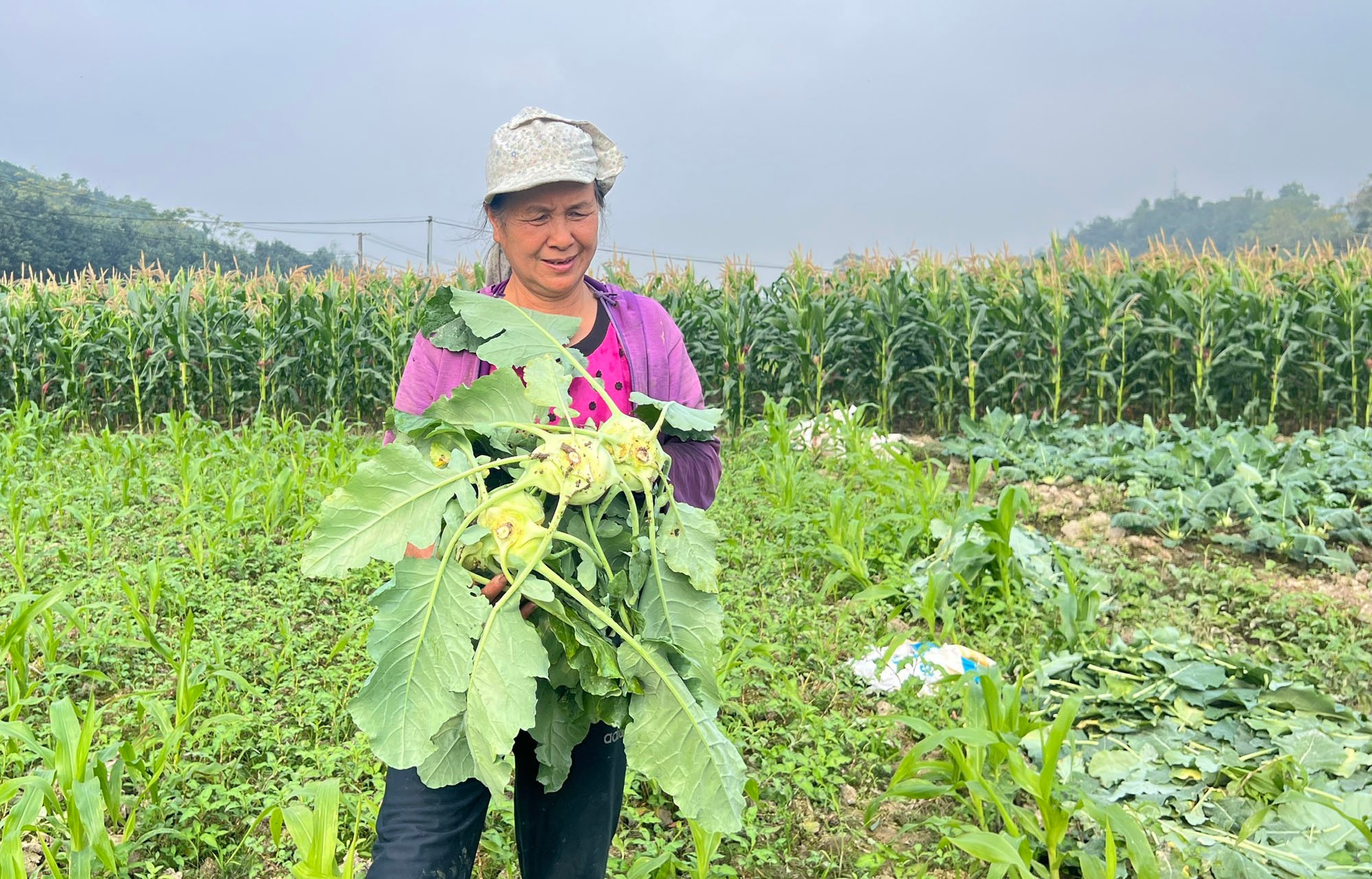
This winter season, Bao Thang commune planned to plant 287 hectares of winter crops. Thanks to favorable weather, low pest and disease levels, and the proactive efforts of the people, the actual planted area reached 317 hectares, exceeding the set plan. The main crops are glutinous corn, various vegetables, beans, and flowers.
Not only have they expanded their cultivated areas, but the people of Bao Thang are also becoming increasingly proactive in organizing production. From crop selection and planting schedules to harvesting times, everything is carefully calculated to suit market demands. As a result, winter crops yield high productivity, have attractive appearances, guaranteed quality, and increasingly stable sales. With the advantage of being located on a convenient transportation route, Bao Thang's winter agricultural products are easily sold in neighboring communes and wards.
To maintain and enhance the effectiveness of winter crop production, local authorities are guiding farmers to organize production by region, linking it with product consumption, and gradually forming stable and sustainable commodity production areas.
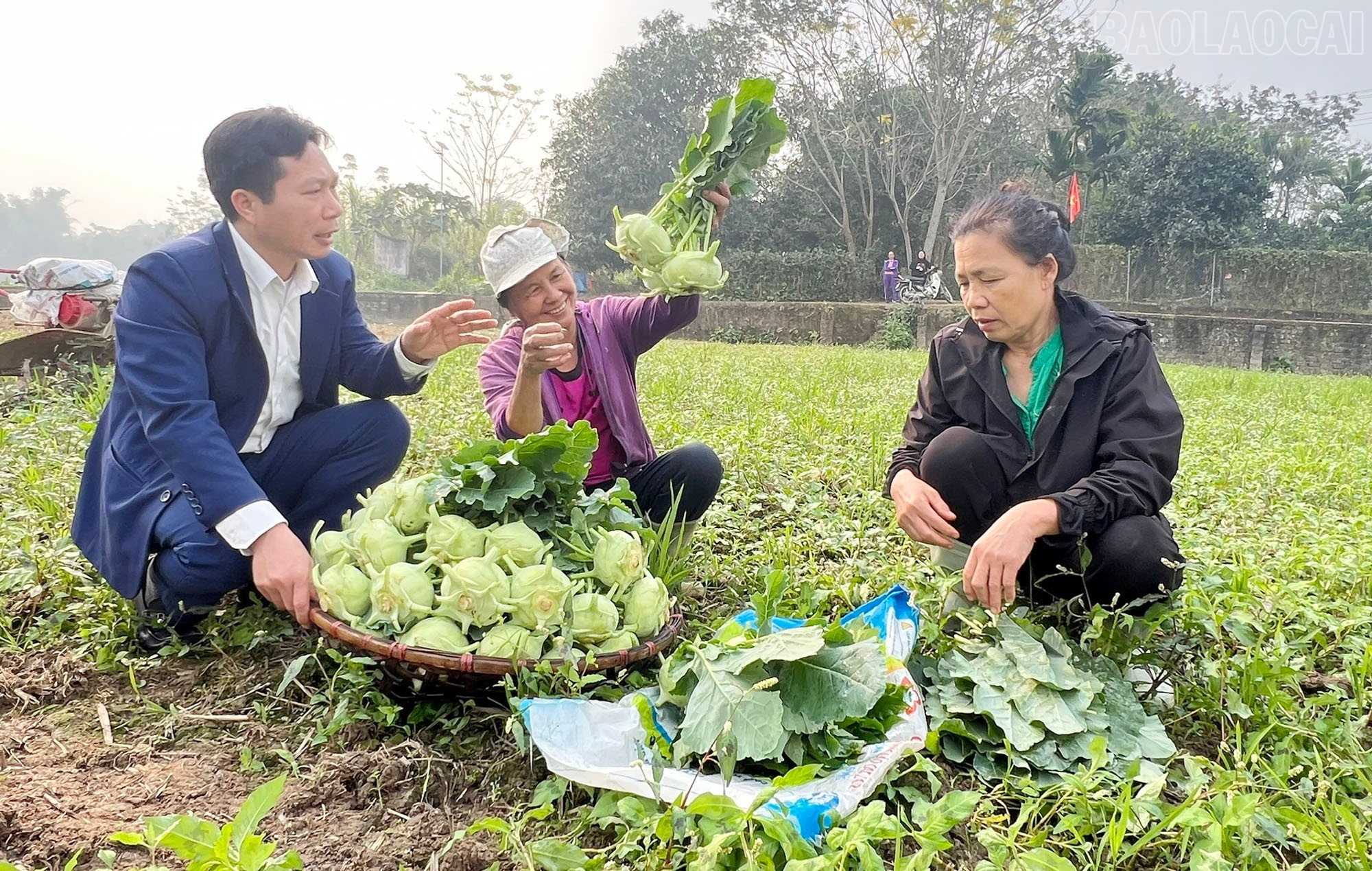
Mr. Do Ngoc Son, Vice Chairman of the People's Committee of Bao Thang commune, said: Each hectare of winter crops such as vegetables, beans, and flowers yields an income of over 300 million VND per season, much higher than other crops. In the future, the commune aims to guide people to focus on producing vegetables in specialized farming areas, while coordinating with businesses to guarantee product sales, thereby helping farmers have a more stable market and product prices.
In Vo Lao commune, with its flat terrain and fertile soil, this year's winter crop season saw over 412 hectares planted with winter crops, exceeding the plan by more than 10%. This is considered one of the province's key winter crop production areas, with main crops such as corn, sweet potatoes, peanuts, and vegetables.
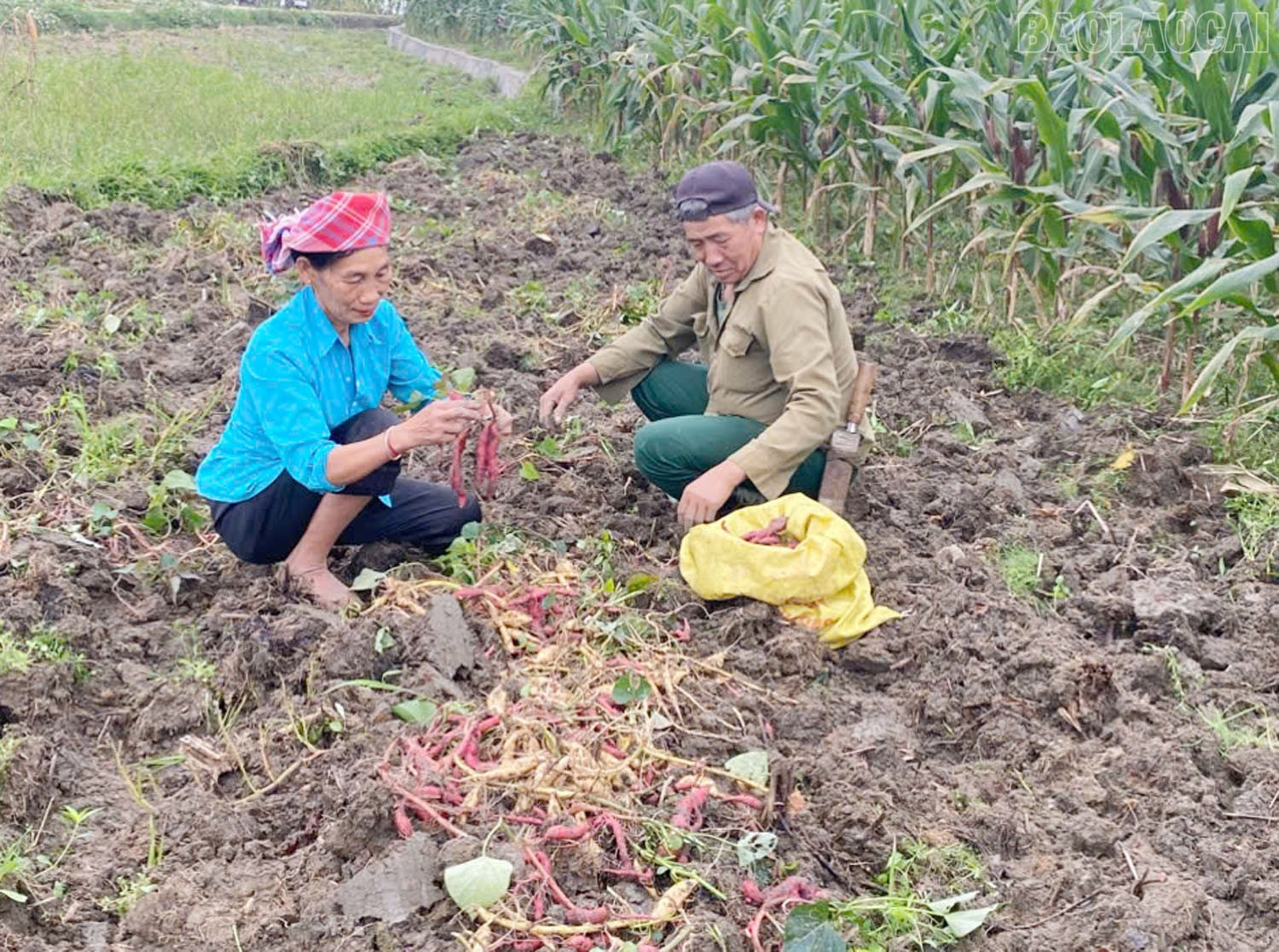
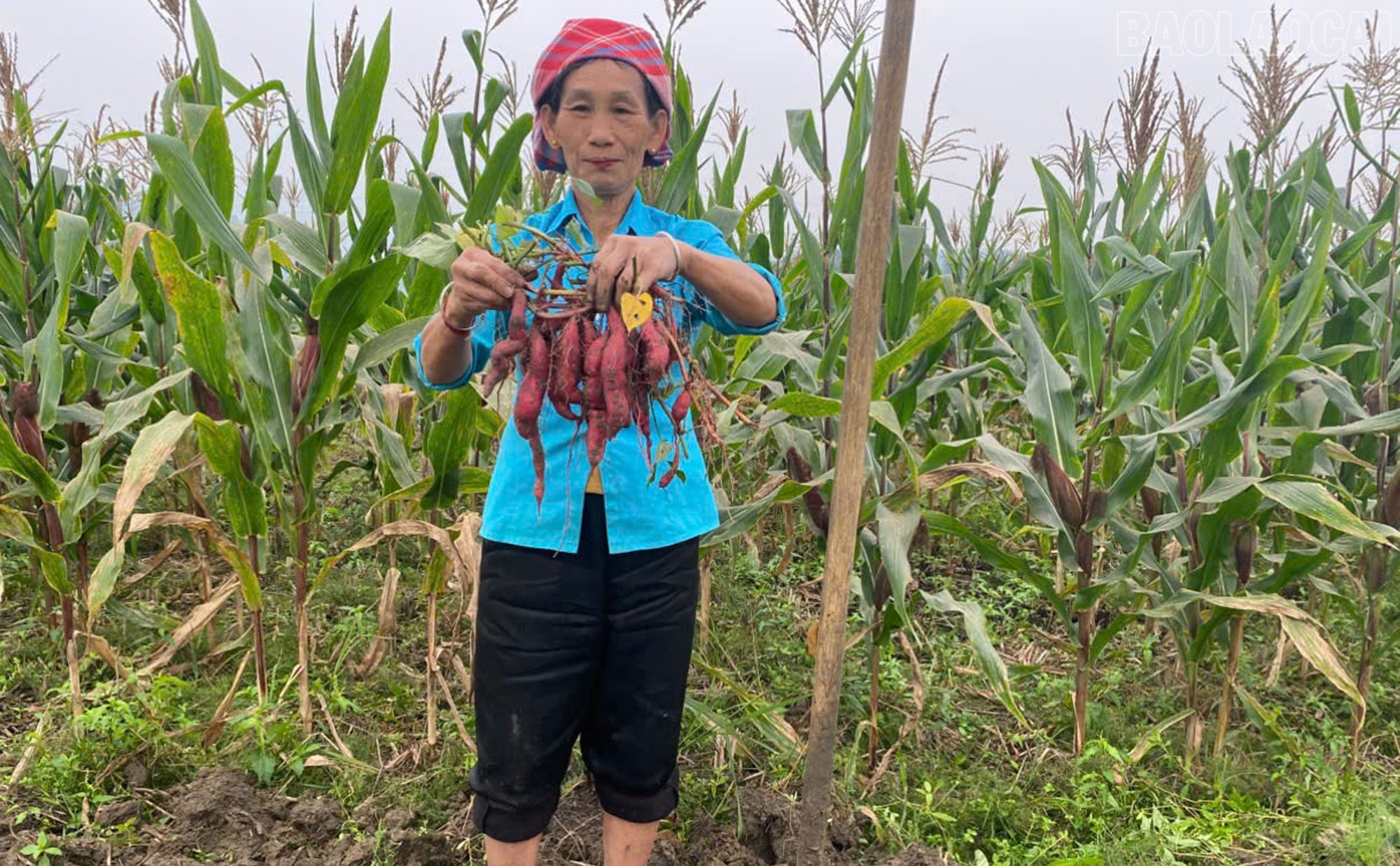
While harvesting sweet potatoes to free up land for spring rice seedlings, Ms. Hoang Thi Kien from Hamlet 1, Vo Lao Commune, said: “Every year my family plants sweet potatoes and sticky corn. We use the tubers for eating and selling, the leaves for animal feed; and we sell the sticky corn as fresh cobs. Each winter season we earn nearly ten million dong.”
Along with Vo Lao commune, Khanh Yen commune planted 156 hectares of winter crops this year, exceeding the plan by 30%. A highlight is the local area's collaborative potato production, covering 6.5 hectares. Farmers received training in planting and caring techniques, resulting in healthy potato growth and high yields. Furthermore, the guaranteed purchase of the produce by businesses has made the farmers very happy.
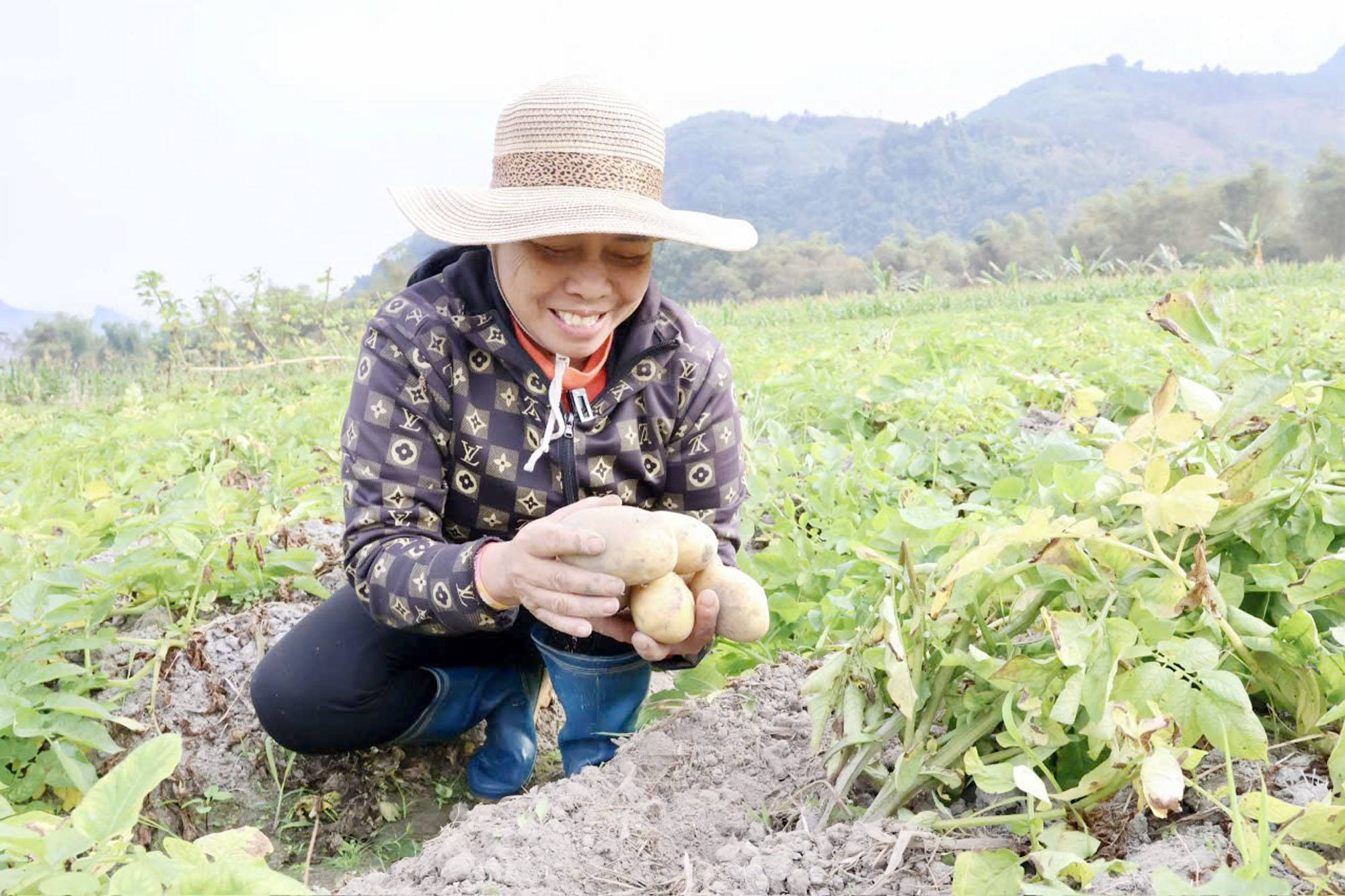
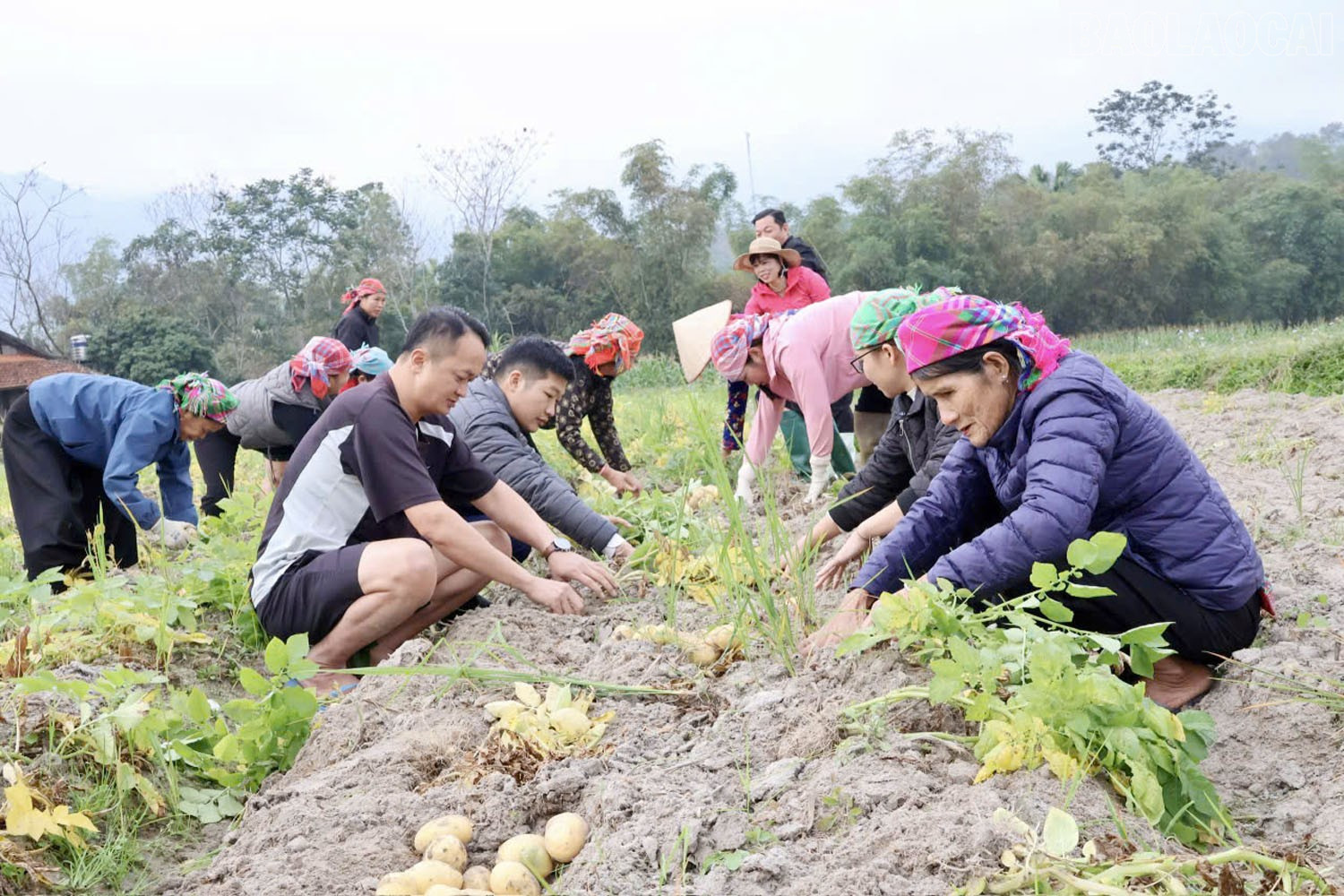
For the 2025-2026 winter crop season, the entire province plans to plant nearly 15,000 hectares of various crops. In addition, to compensate for the damage caused by Typhoon No. 10, the agricultural sector continues to direct localities to strive to plant an additional 2,200 hectares of vegetables and legumes, aiming for a production target of approximately 120,000 tons. In the context of extreme weather and complex natural disasters, winter crop production is identified as a crucial solution to stabilize production and compensate for agricultural losses due to storms and floods.
Ms. Ma Thi Ha Thu, Head of the Crop Production and Plant Protection Department of the Lao Cai Provincial Department of Crop Production, Plant Protection, and Livestock, Veterinary, and Fisheries, stated: “2025 will be a year heavily impacted by storms and floods. Therefore, winter crop production is identified as a key task, requiring intensified guidance and direction to compensate for lost production and contribute to stabilizing agricultural production.”
To ensure a successful winter crop season, the agricultural sector, in coordination with local authorities, is implementing a comprehensive range of solutions, from seasonal planning and crop structure to enhanced technical guidance and pest and disease control; building production linkages with consumer markets to mitigate the problem of "bumper harvest, low prices".
From small plots with three harvests per year to concentrated production areas, the winter crop is contributing to increased income for farmers while stabilizing agricultural production amidst increasingly complex climate change. With a clearer focus on commodity production and the support of agricultural experts and local authorities, the winter crop is no longer a secondary crop but is gradually becoming an important and sustainable production season for farmers in Lao Cai.
Source: https://baolaocai.vn/vu-dong-phat-huy-hieu-qua-kep-post892765.html











































![[Video] Sunset at Lap An Lagoon – Where the sun sets over the fishing nets](https://vphoto.vietnam.vn/thumb/1200x675/vietnam/resource/IMAGE/2026/05/31/1780192137701_beach-landscape-sea-water-nature-grass-745871-pxhere-com.jpeg)




































Comment (0)