

Redefining the quality of growth in the new context.
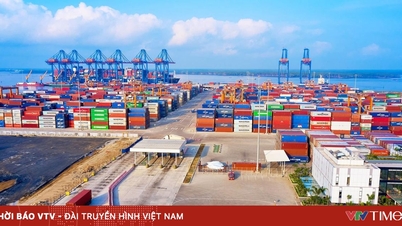
The year 2025 is drawing to a close, painting a bright picture of the economy for the entire term: macroeconomic stability, inflation control, and a consistently high trade surplus. However, looking ahead to 2030 and 2045, the challenge lies in how the country can overcome the middle-income trap and maintain sustainable growth.
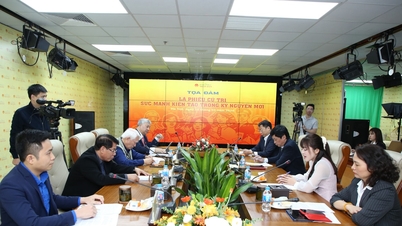
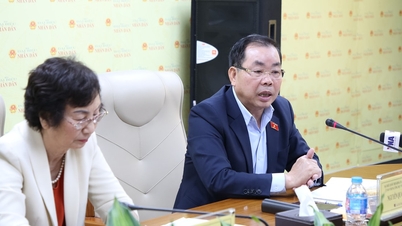
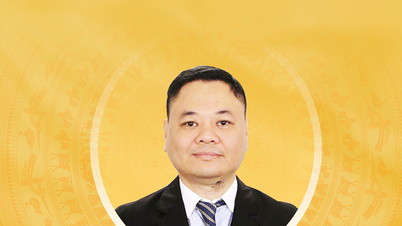
During the discussions, National Assembly Deputy Nguyen Xuan Thang – Member of the Politburo , Director of the Ho Chi Minh National Political Academy, and Chairman of the Central Theoretical Council – presented strategic analyses. Not being swayed by short-term growth figures, the delegate addressed the core issue of "growth quality." In the new era, Vietnam's development momentum cannot continue to rely on capital-intensive or cheap labor. Instead, it must rely on labor productivity, innovation, and especially the contribution of TFP (total factor productivity).
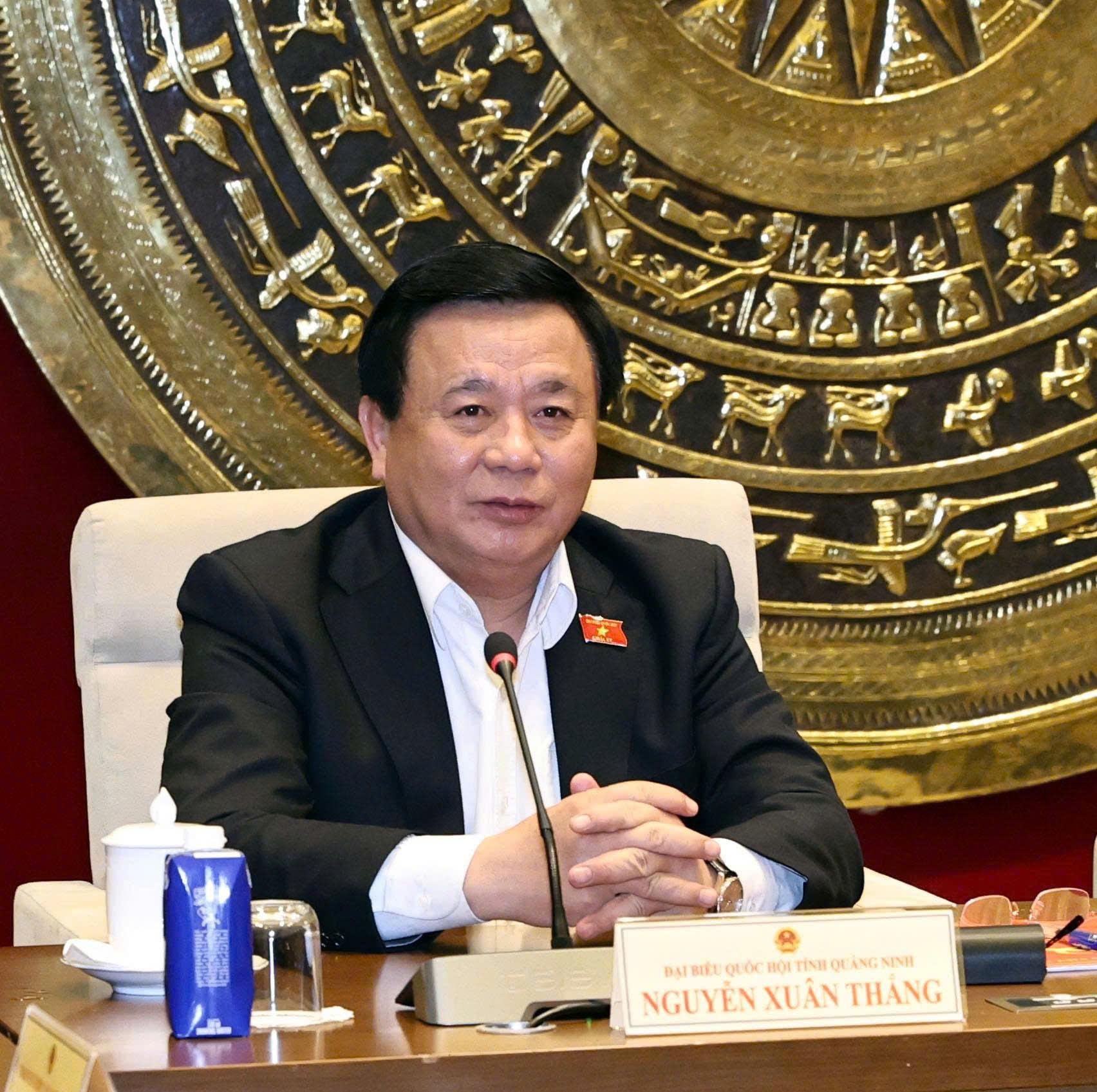
Delegates suggested that the Government should specifically quantify indicators related to the digital economy and digital society, factors that the National Assembly Chairman also emphasized as important foundations for the new phase. These opinions have prompted the National Assembly and the Government to rethink the growth model: a strong shift from "quantity" to "quality," building a highly resilient, self-reliant, and deeply integrated economy. This is the prerequisite for Vietnam to realize its aspiration of becoming a modern industrialized, upper-middle-income country by 2030.
For institutions to truly be a driving force for development.
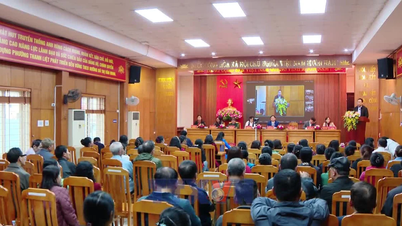
One of the most significant achievements of the 15th National Assembly was the "proactive innovation in thinking about lawmaking, affirming its pioneering role in institutional reform." However, in practice, there are still obstacles and overlaps. From the perspective of legislative administration and supreme oversight, Vice Chairman of the National Assembly Vu Hong Thanh pointed out that the lack of synchronization between laws is the biggest obstacle hindering social resources.
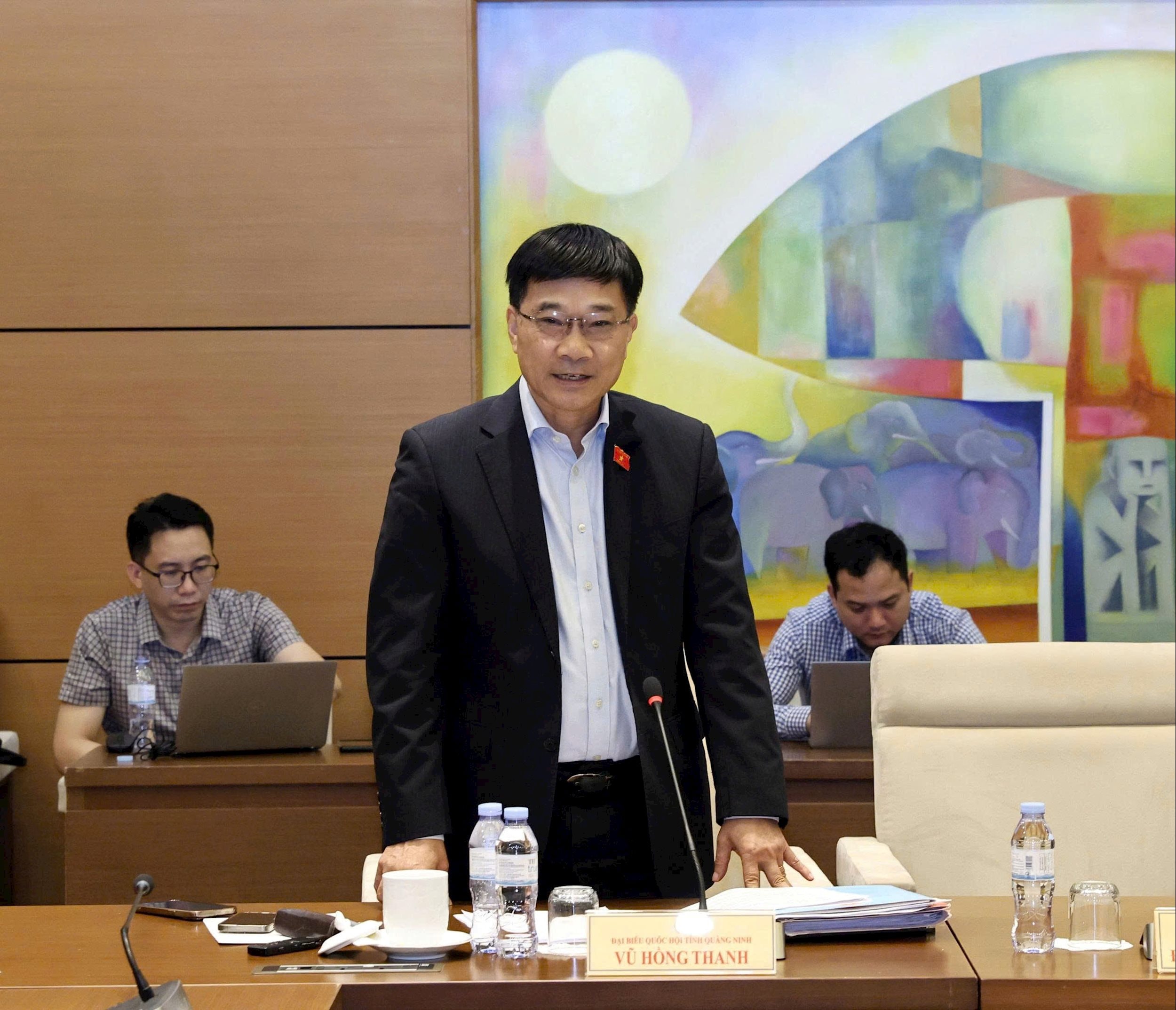
Speaking at the session, the Vice Chairman of the National Assembly urgently requested the completion of the legal framework associated with the model of a streamlined, effective, and efficient government organization as directed by the Central Committee. Regarding the economy, the Vice Chairman warned of the "imbalance" in resource allocation and called for restructuring the economy towards a harmonious balance between public investment and private resource mobilization. In particular, the focus of public investment must be on strategic infrastructure (transportation, energy, digital infrastructure) – the "lifelines" of the economy.
Deputy Speaker of the National Assembly Vu Hong Thanh strongly asserted that investment must be focused and targeted, creating a ripple effect across the region; and that the mindset of scattered and fragmented investment must be resolutely eliminated. Only by removing institutional and infrastructure bottlenecks can we unlock dormant resources and create momentum for breakthroughs in the 2026-2030 period.
Towards modern management
During the 15th National Assembly term, the results of controlling budget deficits and public debt were highly appreciated by many National Assembly deputies. The question of "how to continue those results in the new term" was also thoroughly examined by deputies Vu Hong Thanh, Vu Dai Thang, and Nguyen Thi Thu Ha in discussions at the committee and plenary sessions. For example, during discussions on the national budget estimates and financial plan, the Quang Ninh Provincial National Assembly Delegation proposed that the Government must strictly select priority projects, ensuring focused and decisive investment to bring them into operation early and avoid waste.
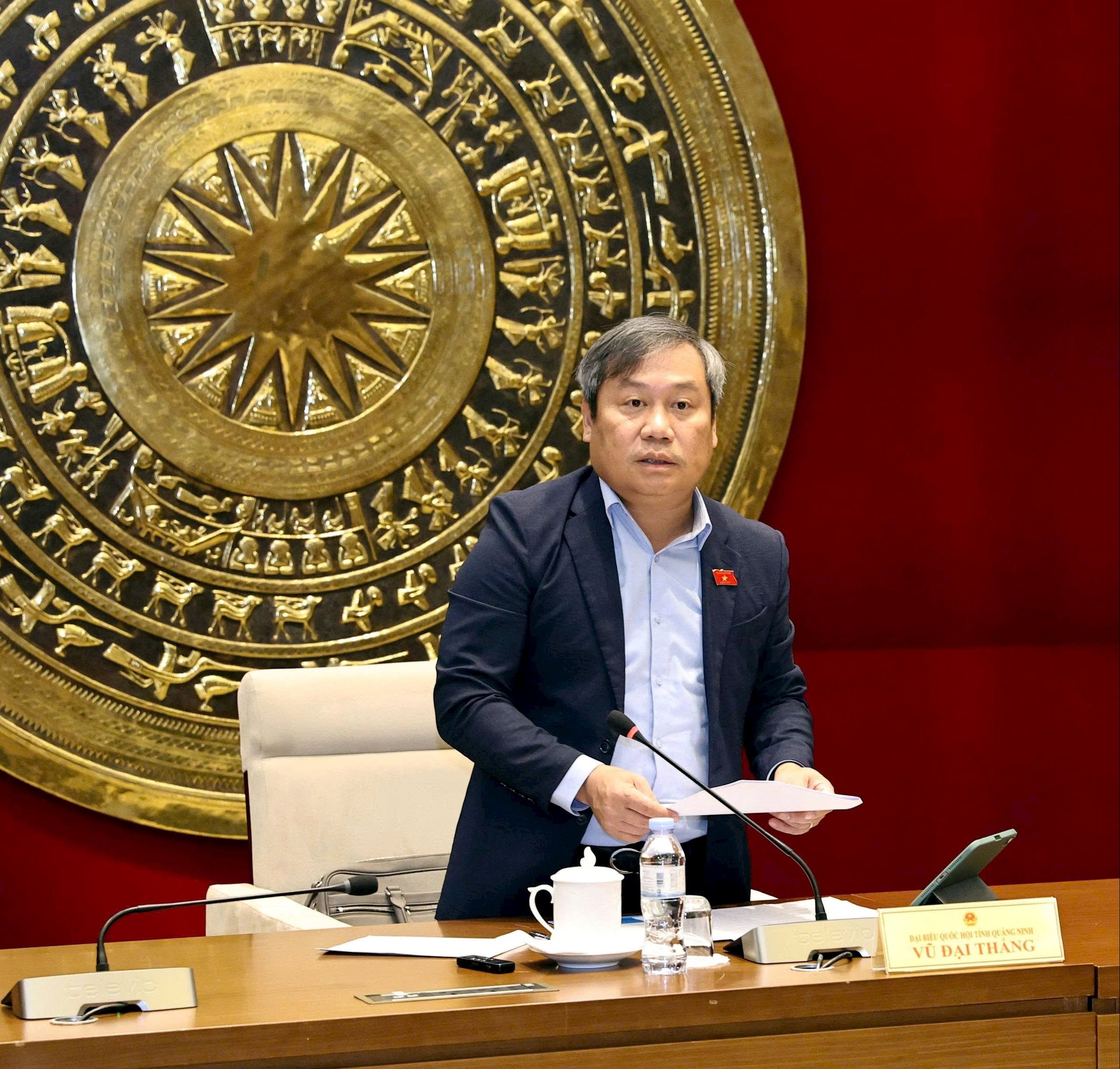
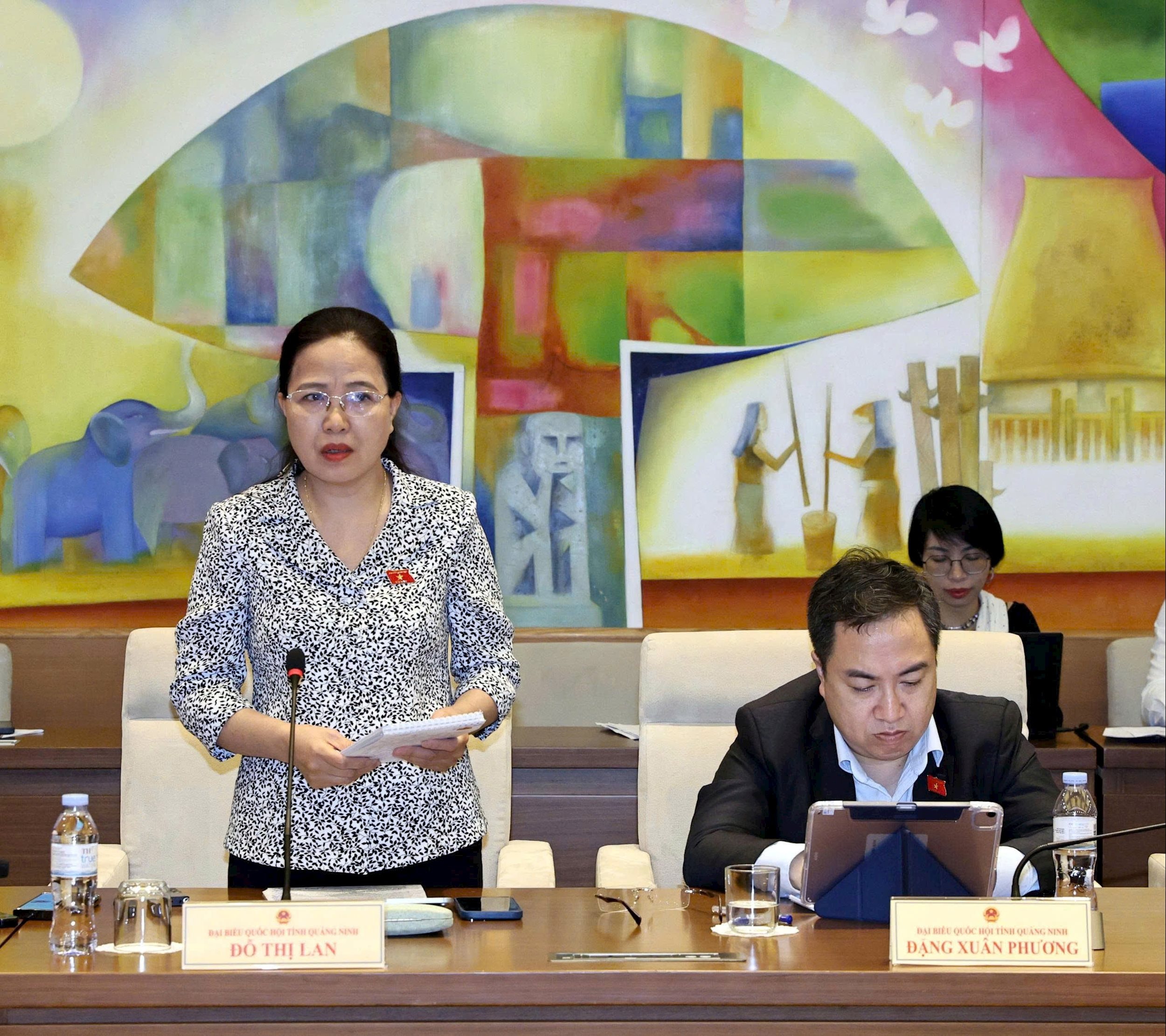
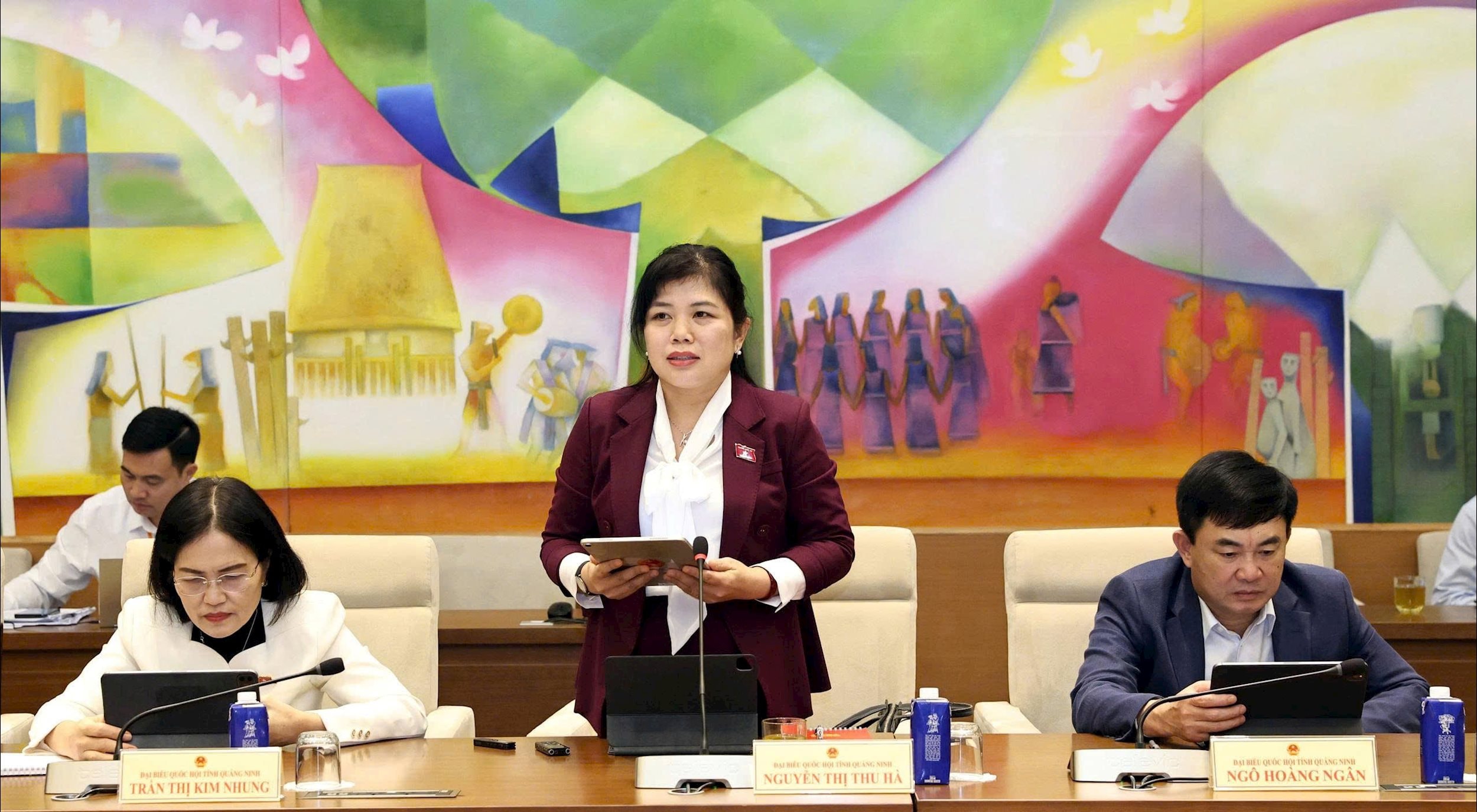
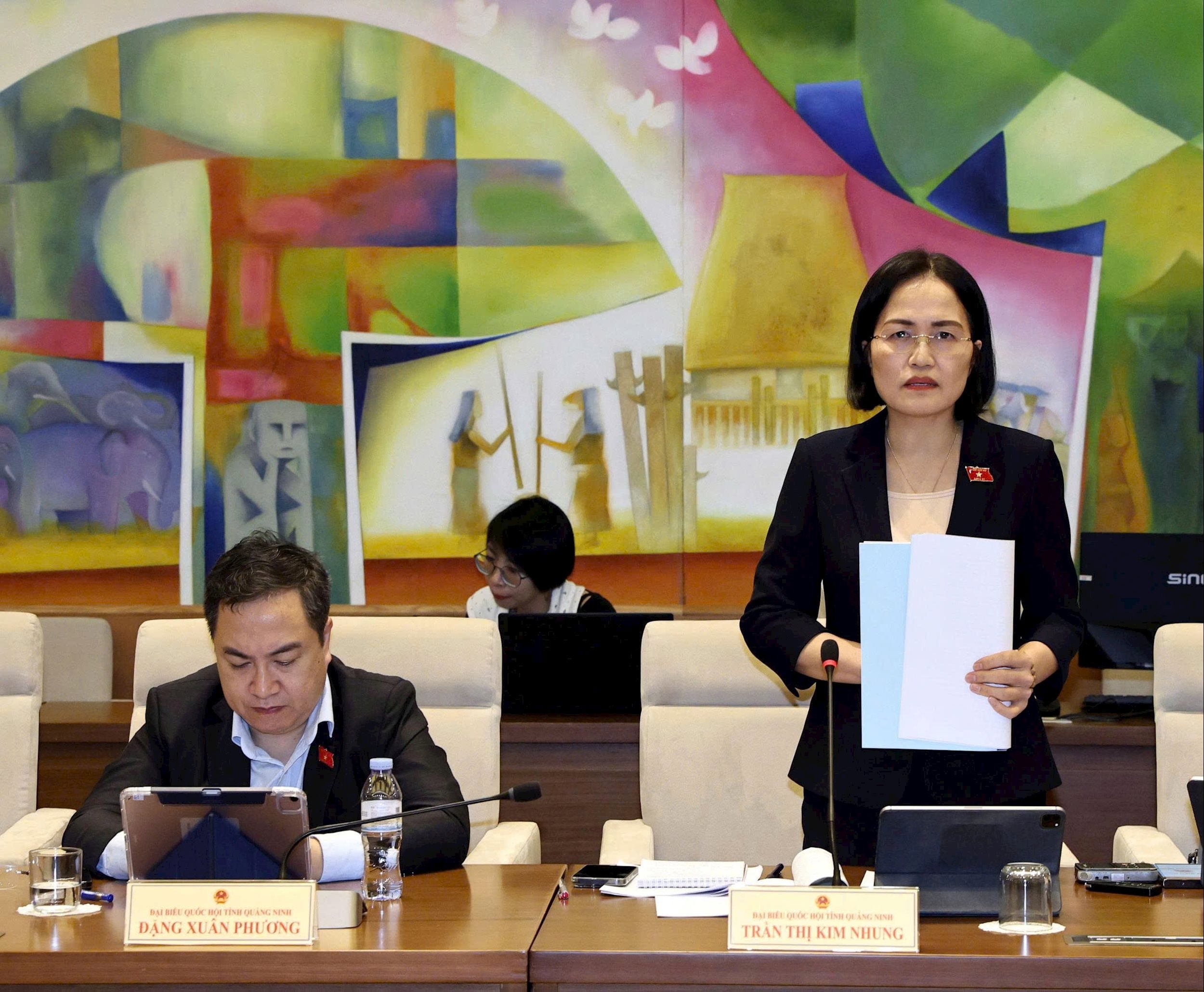
Regarding the amended Law on Public Debt Management, National Assembly deputies from the province expressed cautious and rigorous views, proposing a thorough review of the mechanisms for relending and disbursing loan capital, especially ODA funds. Specifically, they suggested limiting indiscriminate disbursement to localities; instead, they proposed encouraging a relending mechanism for autonomous public service units. This proposal aims to reduce the national debt burden and increase the financial responsibility and autonomy of beneficiary units.
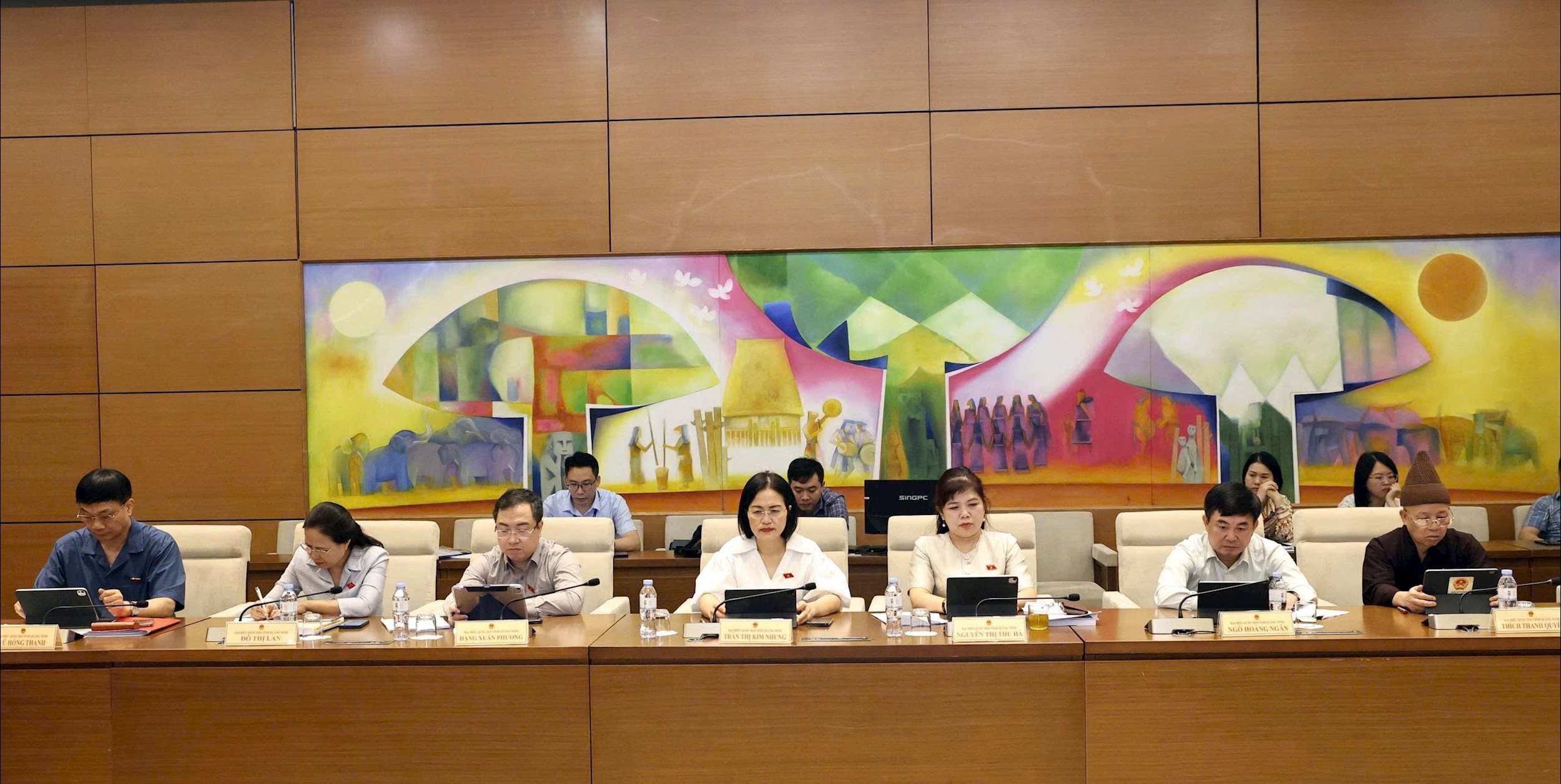
Delegates from the Quang Ninh Provincial National Assembly delegation also strongly supported the addition of streamlined procedures to expedite the handling of businesses that are no longer capable of recovery. This aims to create a healthier business environment and prevent capital from being "frozen" in weak businesses. These contributions demonstrate modern governance thinking, a willingness to confront the truth and find fundamental solutions, in line with the spirit of "dare to think, dare to act, dare to take responsibility" that the National Assembly aims for.
Source: https://daibieunhandan.vn/tu-duy-dot-pha-hanh-dong-quyet-liet-10400653.html
![[Photo] Trial run of the election process at polling stations in Dong Da ward (Hanoi)](https://vphoto.vietnam.vn/thumb/1200x675/vietnam/resource/IMAGE/2026/03/12/1773306146728_ndo_br_van-hanh-thu-to-bau-cu-4070-755-jpg.webp)


![[Photo] Hanoi is ready for the "National Festival"](https://vphoto.vietnam.vn/thumb/1200x675/vietnam/resource/IMAGE/2026/03/12/1773305846167_ndo_br_z7612336508628-14627dc7d18cc27532ffea5d4089713b-4105-jpg.webp)


































































Comment (0)