Ancient traces of the fishing village
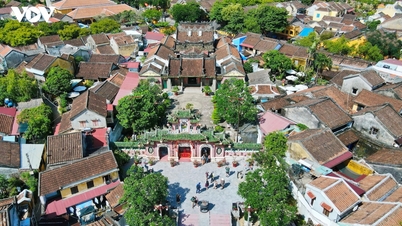
Tracing back through history, the inhabitants of the coastal fishing villages of Quang Nam province were groups of Vietnamese people who followed the southward expansion from the 15th to 16th centuries, living alongside the remaining Champa inhabitants.
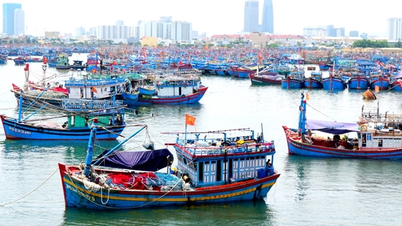
They chose sand dunes, estuaries, and sheltered bays to establish villages, build houses, construct boats, and make a living by fishing for fish and shrimp. For them, the sea was both a source of livelihood and a spiritual space, a place where people entrusted their faith and hope.
From these close relationships, coastal fishing villages soon formed strong community structures, valuing neighborly solidarity and always supporting each other during perilous voyages at sea.
Beyond the Hai Van Pass, Nam O is the first coastal "stopping point" where scattered settlers, following the ancient highway, gathered to seek refuge. This "peaceful coastal region" has, for over 500 years, embraced the Vietnamese people and flourished, becoming today a symbol of Da Nang's maritime culture.
Further south, the ancient fishing villages of Hoi An once played an important role in the international trading network of the Faifo port.
Historical records indicate that fishermen from Cam An and Cua Dai villages not only fished but also participated in transporting goods and guiding foreign merchant ships to the port.
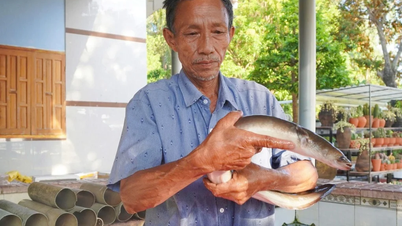
In his book "The Land of Dang Trong in 1621," the missionary Cristophoro Borri recorded the story of a fisherman in Hoi An who warmly offered a basket of freshly caught fish to a Portuguese merchant who asked for some.
Beyond its significance as a living space, the sea in Quang Nam province has, since very early times, served as a "gateway" for cultural exchange. Perhaps this is why some customs and rituals associated with the sea in the locality still retain traces of the vibrant trading era of the past.
The first footprints etched into the sand gradually formed the names of the rustic lands, and for centuries, the coastal villages of Man Thai, Tho Quang, and Cua Khe have remained there, quietly beside the waves, counting each tide and waiting for the ships laden with fish and shrimp to arrive ashore…




Reaching the "front" of the street.
Nearly thirty years ago, when mentioning the coastal area of Da Nang, the common image was still that of a remote, isolated land, even though the nearest places were only a short walk away, across the Han River.
To easily visualize the scene along the Da Nang - Hoi An coastal road at that time, it was not much different from the landscape along Vo Chi Cong road (coastal road 129) now, consisting only of sand dunes, sparse cashew and willow orchards, and solemn tombs.
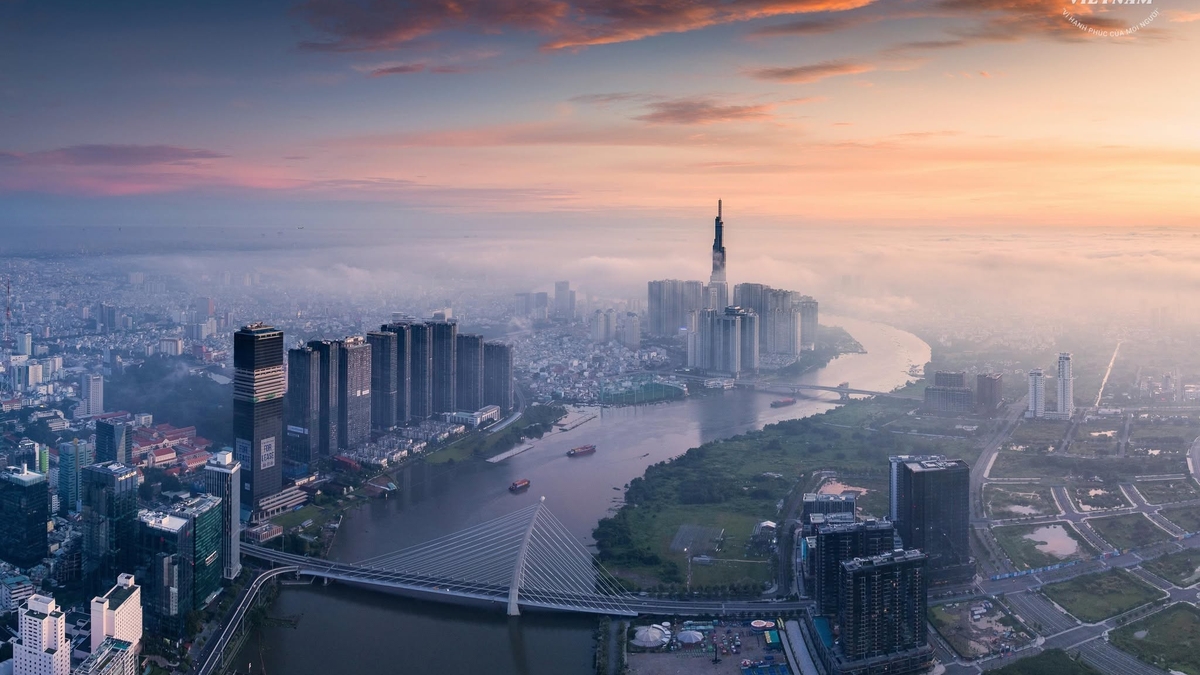
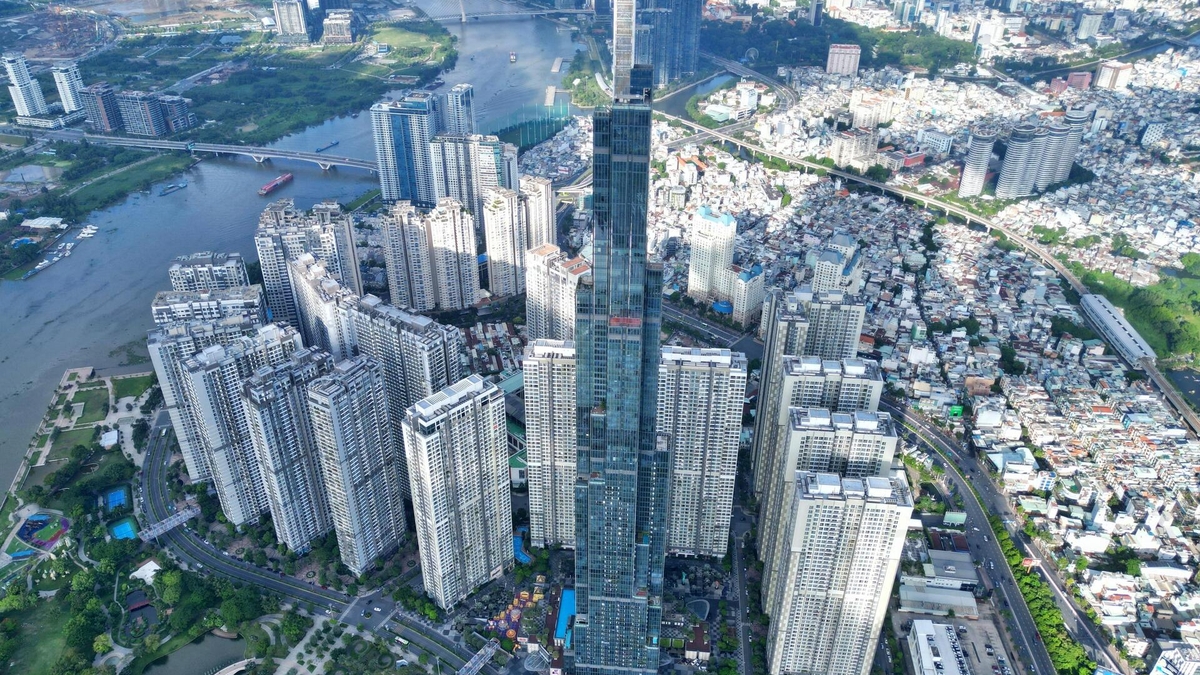
The allure of tourism has transformed this once-remote coastal village. A few early resorts have taken shape on the sandy shores once overgrown with sea morning glory vines, offering accommodations priced in foreign currency. Development has progressed southward as more high-end resorts, golf courses, and entertainment complexes have arrived in the coastal village.
Along a stretch from Nam O to Tam Tien, the sandy beach on the edge of the village is not only a gathering place for glistening seafood ready for traders to transport to various destinations, but it is also bustling with tourists resting and relaxing from morning till night.

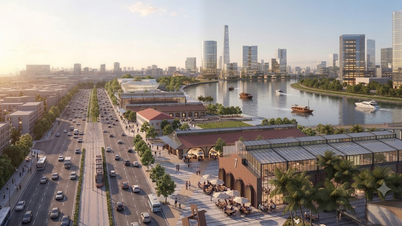
According to the Department of Finance, not only is tourism the focus, but all six key sectors associated with Da Nang's six growth drivers in the coming period are also related to the Eastern region, with a particular emphasis on the coastal area.
This includes several prime coastal areas that will be designated for the development of an International Financial Center.
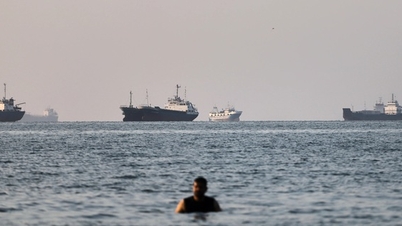
Behind the glittering facades of this expensive coastline, there are also moments of tranquility. As grand buildings spring up, many small fishing villages shrink. The old fisherman's journey to the sea becomes longer. Somewhere, a small boat sits silently beside an old willow tree, nestled among rows of lounge chairs and umbrellas for visitors to rest.
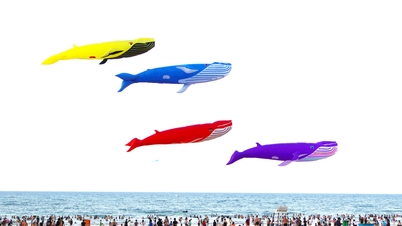
Last year, the "Fishing Village Story" program, aimed at tourism, took place on My Khe beach. This was an art installation, meaning it no longer existed in the everyday setting of a fishing village. Not only My Khe, but several other coastal areas are also gradually seeing fewer fishing boats. If one day, it's no longer "Fishing Village Story" but becomes "Fishing Village Memories," will this valuable space be missing something?



***
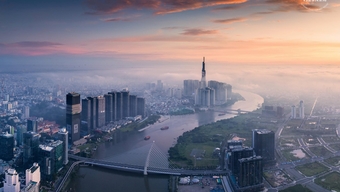
Over time, there have been several "miracle stories" of poor fishing villages transforming into megacities like Singapore or Shenzhen (China). Da Nang's coastline also harbors promising prospects.
But each region needs to preserve its own unique characteristics. Therefore, Da Nang's sea needs more geographical indications, as was done with Nam O fish sauce.
So that when people mention this coastal region, they will marvel at its captivating and distinctive atmosphere. There, peaceful fishing villages still remain, harmoniously blending with the rhythm of the city and its people...
Source: https://baodanang.vn/tu-lang-chai-den-khong-gian-trieu-do-ven-bien-3324275.html