








 |
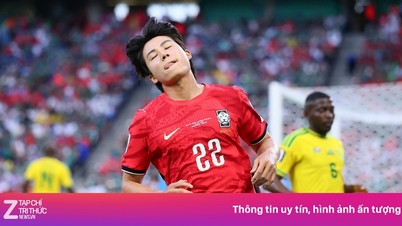
Herve Renard was unable to work miracles for Tunisia after being appointed midway through the World Cup . |
Tunisia arrived at the 2026 World Cup hoping to be a contender in Group F. But after just two matches, the North African team has left behind almost nothing but chaos. They lost 1-5 to Sweden in their opening match, immediately changed their coach, and then collapsed 0-4 against Japan on June 21st.
The issue isn't just the scoreline. A team can suffer a heavy defeat at the World Cup, where the pressure and the quality of opponents are always at their highest. But Tunisia's reaction after their opening match shows they entered a crisis too early. Sabri Lamouchi was sacked after just one game. Herve Renard was brought in as his replacement with the expectation of providing an immediate morale boost.
But the World Cup isn't a place where miracles happen with just one decision on the coaching bench. Renard had experience, having made his mark with underdog teams, but he almost didn't have enough time to fix a fractured squad. Against Japan, Tunisia continued to expose old problems: loose organization, poor defensive capabilities, and insufficient fighting spirit.



The 0-4 defeat against Japan made the picture even more grim. Tunisia was not only outmatched by their opponents' speed and cohesion, but also lost in a sense of helplessness. Each goal conceded plunged the team deeper into a state of disarray. When a team is already unstable, successive blows on the field only make things fall apart faster.
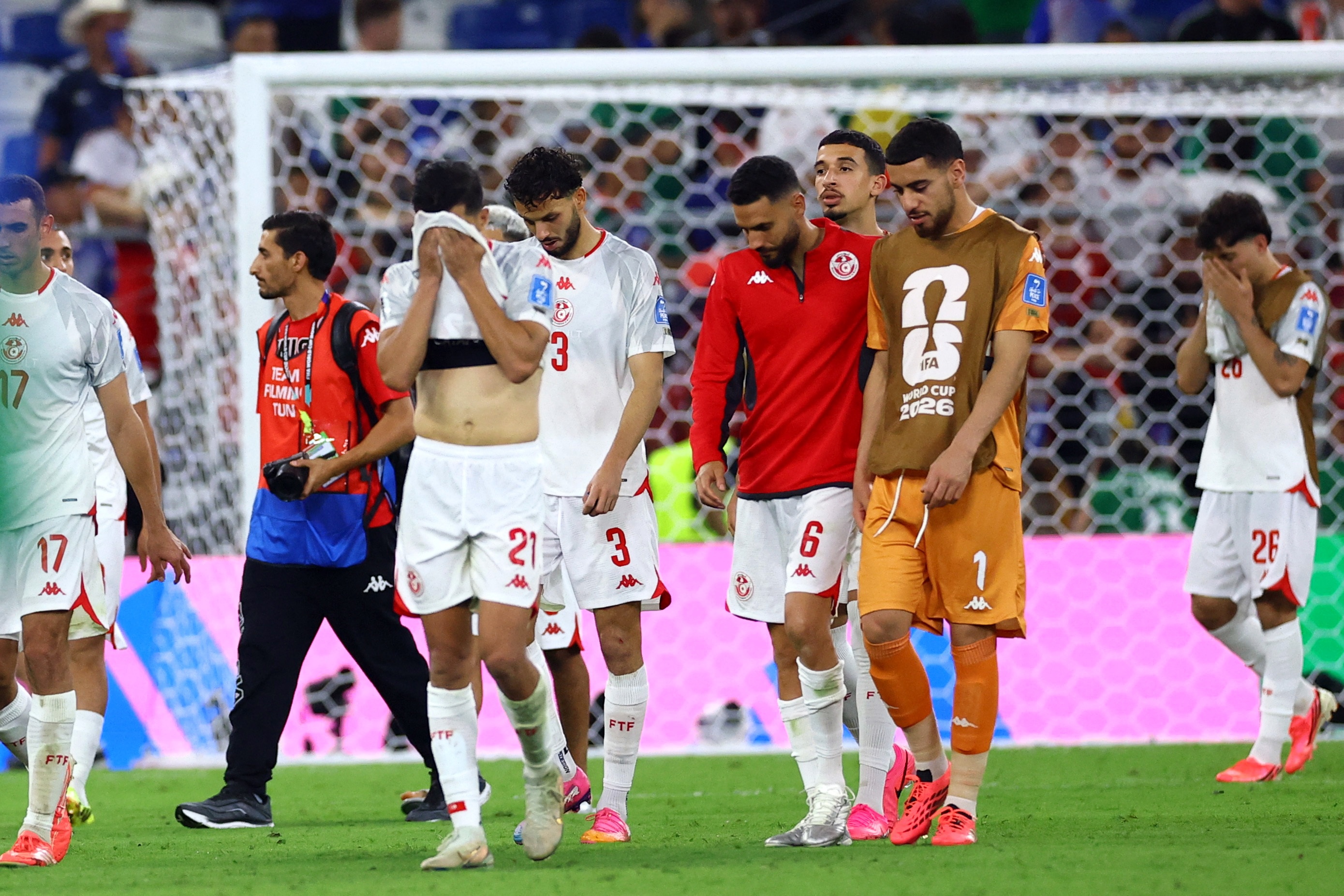 |
Tunisia conceded 9 goals in two matches and are in crisis in Group F. |
The fact that Tunisia conceded 9 goals in 2 matches is the most chilling conclusion. It not only reflects the quality of their defense, but also shows that they no longer have the necessary structure for a World Cup team. A mid-tournament coaching change could be seen as an attempt to salvage the situation. But in this case, it looks more like a sign of panic than a solution.
Tunisia's tragedy lies in the fact that they weren't simply defeated by Sweden or Japan. They were also dragged down by internal instability. A team needs composure to survive in the World Cup. Tunisia lost that after just the first match.


Losing one match can be an accident. But a series of crushing defeats, coupled with a hasty decision to change coaches, is a sign of crisis. Tunisia's exit from the competition wasn't just due to stronger opponents, but because they weakened themselves before they could even stand firm.
Source: https://znews.vn/tunisia-tu-huy-o-world-cup-post1661882.html





![[Image] Ho Chi Minh City: Ma Lang area, Chicken-Rice Market about to change its appearance](https://vphoto.vietnam.vn/thumb/1200x675/vietnam/resource/IMAGE/2026/06/25/1782377698627_ndo_br_m1-jpg.webp)






























![[Image] Schools organize meetings and introduce teaching models to students admitted to grade 10.](https://vphoto.vietnam.vn/thumb/1200x675/vietnam/resource/IMAGE/2026/06/25/1782368077271_ndo_br_z7970052192242-1ec8daeb77a6eed1a4e9f58c564ddd3e-jpg.webp)