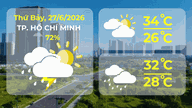
After 12 years, the meteorological and hydrological sector has once again recorded a cold front affecting the northern region of Vietnam in June – one of the peak months for hot weather.
Earlier this year, in April, Hai Phong in particular and the entire northern region in general experienced an earlier-than-usual heatwave. In late May and early June, the Hai Phong area endured a prolonged period of intense heat, with temperatures reaching a peak of 40 degrees Celsius at times.
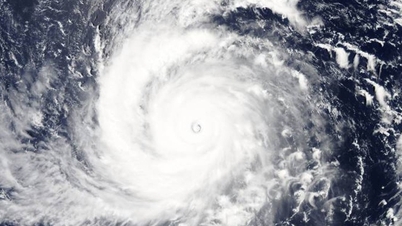
The weather is behaving erratically, with high temperatures appearing in the middle of winter or cold air remaining strong during the summer months. Furthermore, these weather patterns are also becoming more extreme. Heatwaves are more intense, rainfall is more frequent, and storms and floods may be stronger and more severe.


Extreme weather phenomena such as droughts and floods, while not fixed, usually follow a pattern, divided into seasons: rainy season, dry season, and storm season. However, in recent times, the weather has been unusually extreme and unpredictable, making it more difficult to prevent. This has resulted in numerous impacts and consequences.
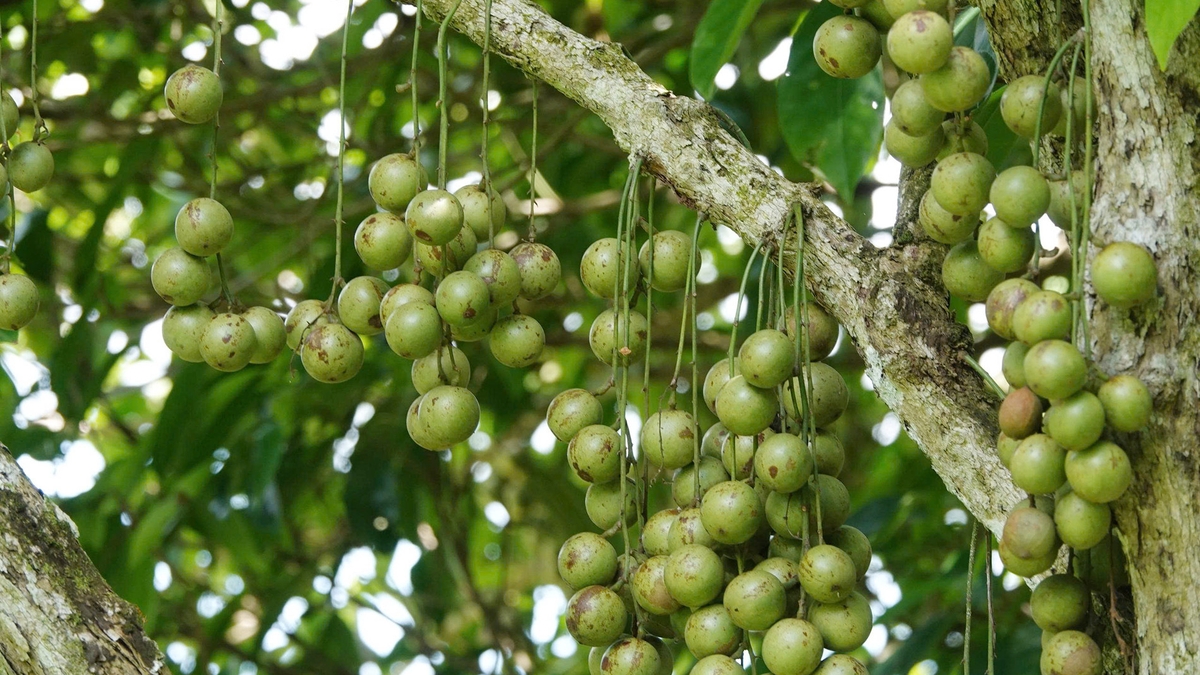
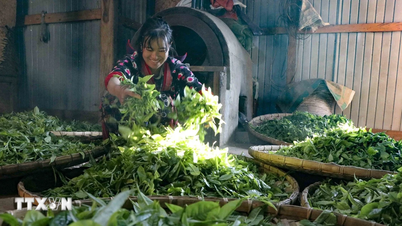
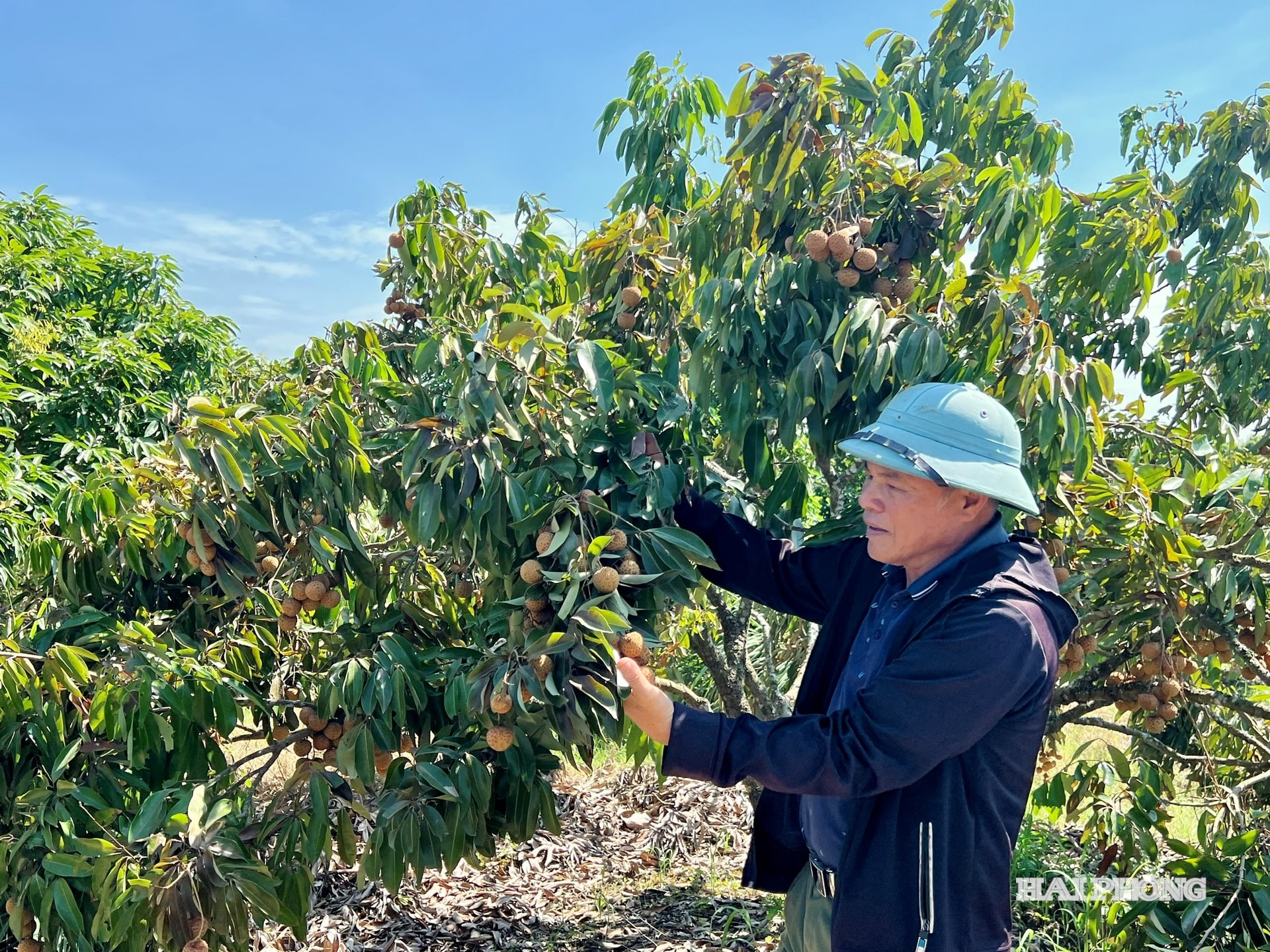
Agriculture is a weather-dependent industry. Extreme weather changes have somewhat affected production in this sector. In Hai Phong, the warm winter-spring weather has led to a decrease in the flowering and fruiting rate of lychee trees.
Some areas of hybrid lychee trees – a variety sensitive to weather conditions – also suffered from fruit burn and leaf scorching because after heavy rains, hot, westerly winds appeared. At the same time, prolonged high temperatures shortened the growing season of spring rice, causing a decrease in yield for some rice varieties.
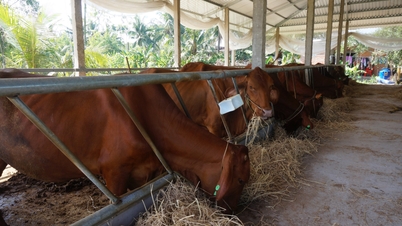
Recently, the prolonged heatwave has also caused difficulties for livestock, poultry, and aquaculture farmers. In the livestock and aquaculture sectors, the prolonged heatwave increases the risk of disease outbreaks, puts significant pressure on the costs of care, cooling of barns, and maintaining a stable farming environment.
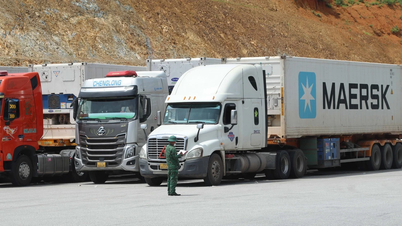
Industries that involve outdoor work, such as construction, transportation, and urban services, also face numerous challenges as the weather becomes increasingly harsh.
Extreme weather not only affects production but also negatively impacts people's lives and health. Prolonged heatwaves increase the risk of heatstroke, stroke, cardiovascular disease, and respiratory illnesses. Sudden temperature changes make the elderly, young children, and those with underlying health conditions more vulnerable. In fact, whenever the weather changes unusually, the number of patients seeking medical attention tends to increase.
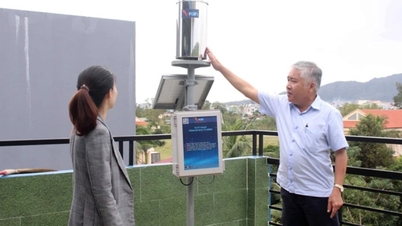
The city's meteorological and hydrological station forecasts that this year, the Hai Phong area will experience hotter weather and more rainfall than the average of previous years. Weather developments from April to early June have reinforced this assessment. Therefore, adaptive measures are needed to avoid being caught off guard by extreme weather situations.



In recent years, Hai Phong city has focused on investing in infrastructure to enhance its disaster prevention and mitigation capabilities. Furthermore, the agricultural sector has guided farmers to diversify their crop structures and adopt appropriate technical measures to minimize the undesirable impacts of weather.
Furthermore, it is necessary to improve the quality of forecasting and early warning systems so that people and businesses can proactively prepare response plans. Strengthening communication and raising awareness about climate change, efficient resource use, and building environmentally friendly lifestyles are also crucial. The collective efforts of the entire community are a solid shield for effectively responding to extreme weather events.
NGUYEN MOSource: https://baohaiphong.vn/ung-pho-voi-thoi-tiet-cuc-doan-545070.html