New development value system
Amidst the profound upheavals of our time – global warming, extreme weather events, rising sea levels, droughts, floods, wildfires, saltwater intrusion, biodiversity loss, and marine and ocean pollution – environmental issues are no longer just a matter for one industry, one sector, or one locality. It is a matter of national security, human security, equitable development, social ethics, and the survival of the nation.
From a cultural perspective, this serves as a reminder that development cannot be measured solely by growth figures, concrete structures, new urban areas, or output targets. Development must be measured by the genuine quality of life of the people, by the capacity to protect life, by the balance between humanity and nature, and between the present and the future.
The article by General Secretary and President To Lam shows a fundamental shift in thinking: from viewing nature primarily as an object of exploitation to viewing nature as a condition for existence, a national asset, and a heritage for future generations. A modern and prosperous society must be one that knows how to "enrich itself within ecological limits," using resources responsibly. This is not just a proposition on environmental management, but a cultural declaration about Vietnam's development model in the 21st century.
General Secretary and President To Lam mentioned the cultural traditions of Vietnam's regions and villages, embodying a spirit of harmony with nature. He also emphasized that in the new era, these traditions must be elevated to a modern value system for development: respecting nature, conserving resources, responsible consumption, cleaner production, greener technology, more transparent governance, and greater intergenerational equity. This is a particularly important suggestion. Because green transformation cannot succeed if it remains merely a slogan, a movement, or a few pilot projects. Green transformation must become a cultural transformation. From government agencies to businesses, from urban to rural areas, from schools to families, from macro policies to daily behavior, every entity must change its way of thinking, living, producing, and consuming.
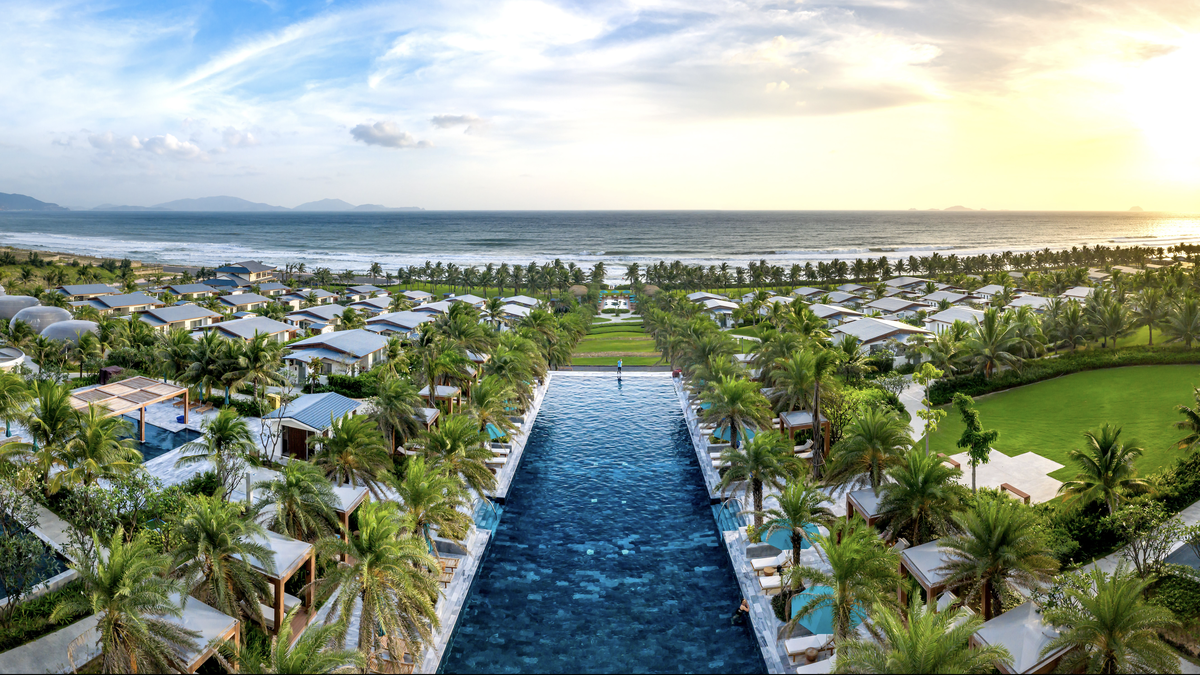
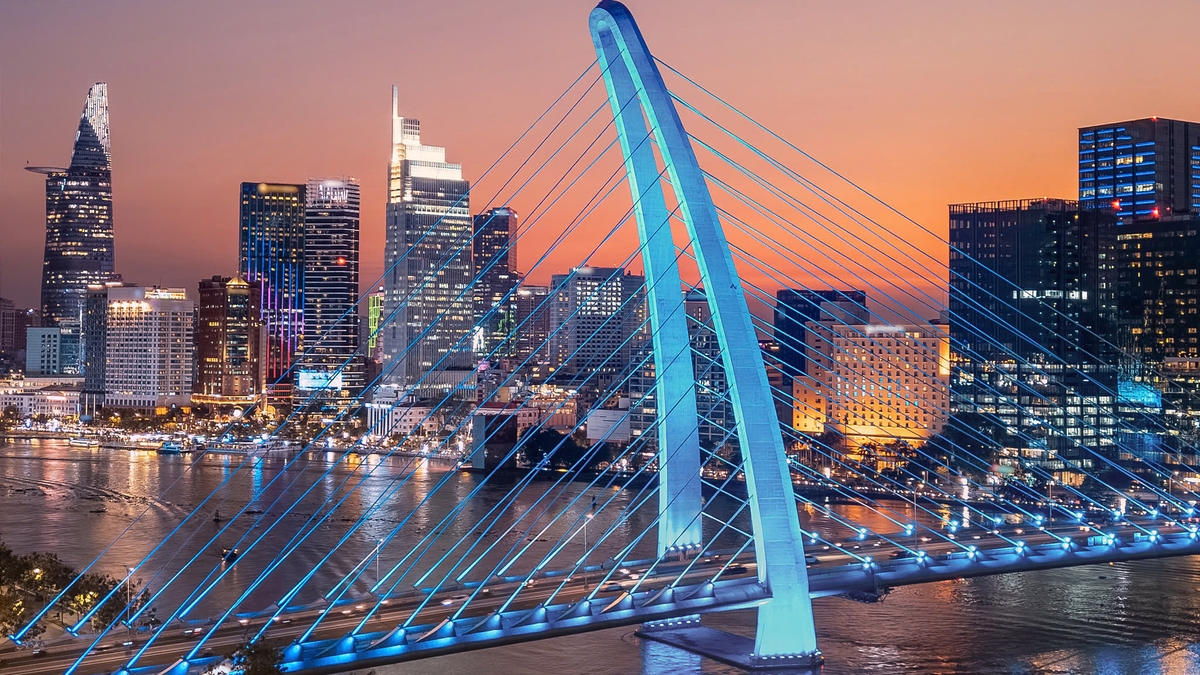
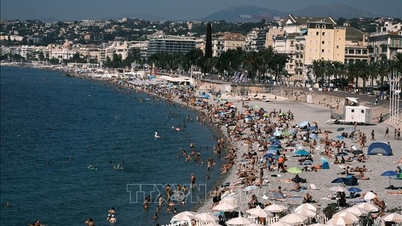
A green city needs more trees than just green spaces; it needs an urban culture that respects public spaces, protects rivers and lakes, reduces waste, prioritizes public transportation, and does not sacrifice urban landscapes and memories for short-term gains. A green business is not just one with a beautiful sustainability report; it must consider environmental compliance as a standard for survival and green innovation as a condition for competitiveness. A green citizen is not just someone who loves nature emotionally, but also someone who knows how to sort waste, save energy, reduce single-use plastics, keep beaches clean, protect water sources, and care for a tree as if it were a part of the country's future.


Therefore, the article by General Secretary and President To Lam should be understood as a call to action for building a Vietnamese ecological culture in the new era. This is a culture that does not oppose development to conservation, does not separate economics from ethics, and does not place modernization outside of nature. On the contrary, it is a culture that knows how to combine the strength of traditional harmony with nature with modern science and technology; that knows how to transform love for the homeland into action to protect every river, forest, and beach; and that knows how to consider a safe environment as a fundamental condition for the people's happiness.
The responsibility to create a green Vietnam.
If nature is the living space of a nation, then the sea is a particularly sacred part of that space. In this article, the sea is not only seen as a source of economic benefit, but also as a living space, a space of sovereignty, a cultural space, a space of connection, and a strategic space for the Vietnamese nation. This is a profound approach, because it restores the sea to its rightful place in the national consciousness and development strategy: the sea is not separate from Vietnamese culture; the sea is part of Vietnam's identity. When General Secretary and President To Lam emphasized the development of a green, modern, and responsible marine economy, linked to protecting sovereignty, people's livelihoods, and peace at sea, it not only carries economic or security significance but also a cultural message: love for the sea cannot be just an emotion; love for the sea must be the capacity to protect the sea, to sustainably enrich oneself from the sea, to respect international law, to maintain peace, to protect the livelihoods of fishermen and marine ecosystems.
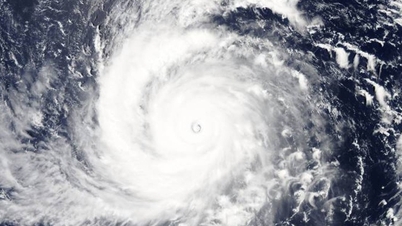
Vietnam is a maritime nation and also a country heavily impacted by climate change. Coastal areas in Central Vietnam, the Mekong Delta, coastal cities, and fishing communities are facing rising sea levels, saltwater intrusion, erosion, storms and floods, declining fish stocks, and pollution. These challenges are no longer distant warnings; they are present in every drought and salinity season, in every roof swept away by storms, in every shrinking mangrove forest, and in every beach littered with trash after the tourist season. Therefore, green development is an inherent necessity for Vietnam.
It is noteworthy that the article does not view green transition as a purely technical process, but rather places it in relation to equity and humanity. Green transition can only succeed when it is an inclusive process that does not marginalize the poor, workers in high-emission industries, coastal communities, women, children, and vulnerable groups. This is a crucial cultural dimension. A green society without equity cannot be a humane society. A low-emission economy that leaves vulnerable communities behind cannot be sustainable. A transition that is only successful on paper, but does not create new livelihoods, support retraining, or ensure social security, will be difficult to implement in practice.
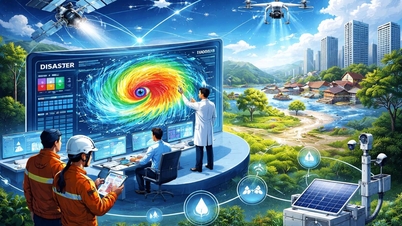
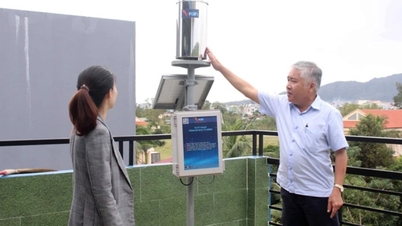
In particular, the article emphasizes the role of science, data, digital technology, and social participation in environmental governance. This is a very modern aspect of cultural thinking. Because today's ecological culture cannot rely solely on spontaneous goodwill. It needs to be supported by national data on emissions, water quality, air quality, waste, biodiversity, marine resources, erosion, saltwater intrusion, and climate risks; it needs satellite technology, artificial intelligence, environmental sensors, digital maps, disaster forecasting models, and a platform for public feedback.
But technology is only truly meaningful when placed within a framework of transparent governance: citizens have the right to know about the quality of the environment where they live, businesses have an obligation to be transparent about their environmental impact, and government agencies must make decisions based on evidence and be accountable to the people.



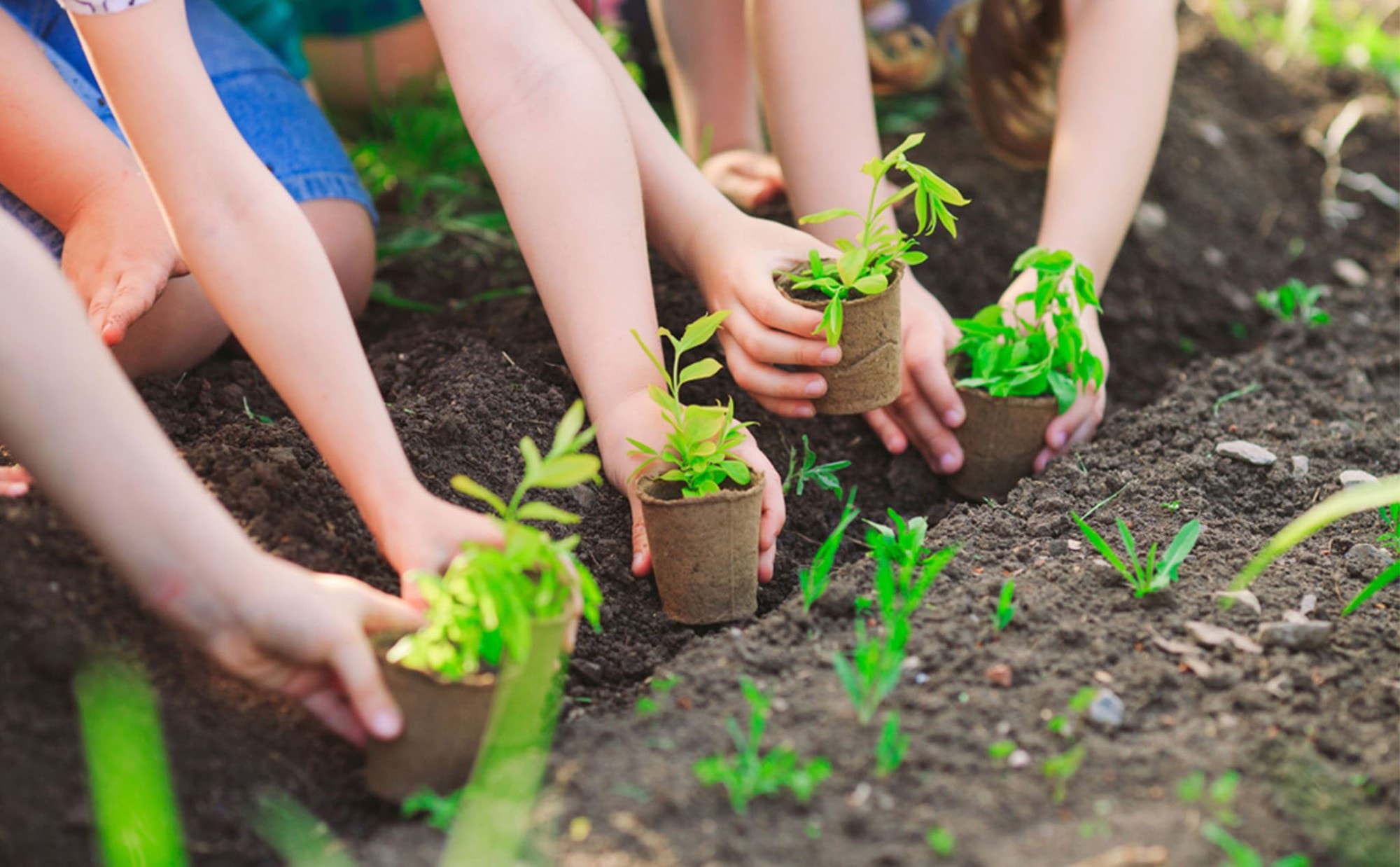
At its deepest level, it's a culture of responsibility. The responsibility of the State in institution building and ensuring implementation. The responsibility of businesses in green innovation and environmental compliance. The responsibility of local authorities in integrating green goals into planning and public investment. The responsibility of schools in educating about green lifestyles. The responsibility of the press, artists, and influencers in spreading ecological aesthetics and responsible consumer behavior. The responsibility of each family in fostering a thrifty, tidy, clean, and beautiful lifestyle. And the responsibility of each citizen in small but significant actions: planting and caring for a tree, reducing single-use plastic products, saving energy, sorting waste, protecting water resources, keeping beaches clean, and spreading a green living habit.
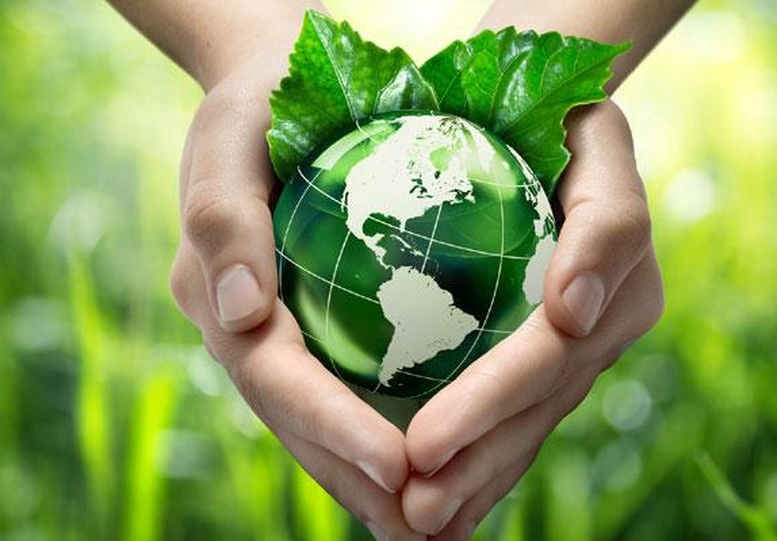
The message from General Secretary and President To Lam therefore has significance beyond the scope of an article on World Environment Day (June 5) and World Ocean Day (June 8). It is a reminder of Vietnam's development path in the new era: to go far, we must go with nature; to become prosperous, we must preserve the living environment; to become modern, we must be civilized in our approach to resources; to integrate, we must be responsible for the common issues of humanity; to be happy, we must ensure that every citizen lives safely, healthily, and humanely in a green country.
Source: https://daibieunhandan.vn/van-minh-sinh-thai-bat-dau-tu-van-hoa-10419444.html