

Jaundice is a warning sign of several liver diseases such as fatty liver disease, cirrhosis, hepatitis, or other conditions such as pancreatic disorders and congestive liver disease.
Dr. Vu Truong Khanh, Head of the Gastroenterology Department at Tam Anh General Hospital in Hanoi , said that sudden jaundice is usually caused by the accumulation of the yellowish-brown pigment (bilirubin) in the blood. Bilirubin is a product of the breakdown of red blood cells and is normally excreted through the liver. In people with liver disease, this excretion process does not occur, causing bilirubin to accumulate, leading to jaundice (yellowing of the skin and eyes).
Other conditions such as gallstones, side effects of medications, genetic disorders, and heart disease can increase bilirubin levels, causing jaundice.
Hepatitis: This is a condition in which the liver becomes inflamed, affecting the absorption and excretion of bilirubin, causing jaundice (yellowing of the skin). The disease includes acute hepatitis (sudden and severe) and chronic hepatitis (persistent and potentially lifelong).
Hepatitis can be caused by hepatitis viruses A, B, C, D, and E. Non-viral causes of hepatitis include medications, alcohol, non-alcoholic fatty liver disease, liver disease due to iron or copper metabolism disorders, and autoimmune diseases.

Jaundice can be caused by many factors, such as liver disease, medication use, or other medical conditions. (Image: Freepik)
Cirrhosis: Occurs when scarring (fibrosis) spreads in the liver, reducing its ability to function. Several causes of chronic hepatitis can lead to cirrhosis, such as hepatitis B, C, and D, excessive alcohol consumption, excessive fat accumulation in the liver, gallstones, and autoimmune hepatitis.
Compensated cirrhosis occurs when the liver is damaged but still functioning. Decompensated cirrhosis is when the liver no longer performs its function, leading to jaundice and other serious symptoms. Decompensated cirrhosis often leads to liver failure and liver cancer.
Fatty liver disease: A condition where excessive fat accumulates in the liver, causing inflammation and fibrosis. Symptoms develop as the percentage of fat in the liver increases along with the area of liver damage. Non-alcoholic fatty liver disease can progress to hepatitis, leading to symptoms such as liver pain and jaundice.
Bilirubin obstruction: Bilirubin leaves the liver and binds with bile (due to the gallbladder's secretory function), travels through ducts connected to the pancreas, and empties into the small intestine for excretion. If the bile ducts are obstructed, bilirubin cannot be eliminated from the body and easily accumulates in the blood.
Other causes of bile duct obstruction, such as bile duct cancer, bile duct cysts, cholangitis, and complications from gallbladder surgery, can also lead to jaundice.
Pancreatic disorders: The pancreas is connected to the gallbladder via the pancreatic duct, which connects to the larger common bile duct. The pancreas is part of the biliary system, producing enzymes that aid in the digestion of food, especially proteins. Diseases affecting the pancreas can easily obstruct the common bile duct and reduce the normal flow of bilirubin to the small intestine. Pancreatic disorders can include acute or chronic pancreatitis (inflammation of the pancreas), benign tumors or cysts, and pancreatic cancer.
Congestive liver disease: In people with congestive liver disease, reduced blood flow to the liver affects blood flow out of the liver, leading to blood stagnation and blockage within the organ. This blockage causes inflammation, affecting the absorption and excretion of bilirubin from the liver, resulting in abdominal pain and mild jaundice.
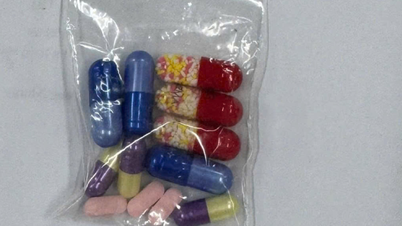
Side effects of medication: This is also a cause of sudden yellowing of the skin. Some medications can lead to liver toxicity and inflammation if taken excessively or with alcohol.
Jaundice due to hemolysis: This is common in patients with congenital hemolytic anemia. According to Dr. Khanh, jaundice is not only caused by diseases of the digestive system but can also be due to rare genetic conditions that increase blood bilirubin levels, such as Gilbert's syndrome, Crigler-Najjar syndrome, and Rotor syndrome. In some rare cases, congestive heart failure can cause mild jaundice.
Jaundice not caused by increased bilirubin: People who eat a lot of carotene-rich foods like carrots, papaya, mango, apricots, etc., may experience abnormal jaundice. Beta-carotene, a precursor of vitamin A, increases in the blood, leading to temporary jaundice. This is not a disease and can resolve with dietary adjustments.
Dr. Khanh explained that the severity of jaundice can vary depending on the condition. Mild cases usually cause a slight yellowing of the skin. In severe cases, the eyes and skin turn a bright yellow, accompanied by symptoms such as fatigue, upper abdominal pain, and pale stools, requiring immediate medical attention for diagnosis and treatment.
Emerald
| Readers can ask questions about digestive diseases here for doctors to answer. |
Source link






























































































Comment (0)