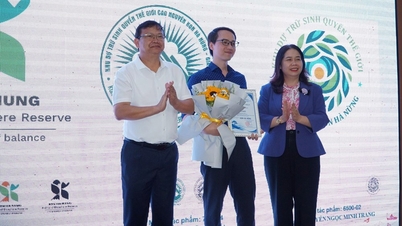
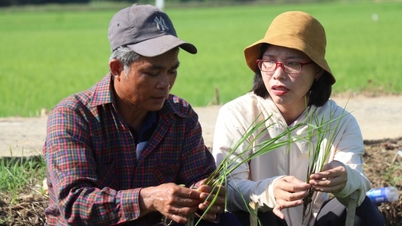
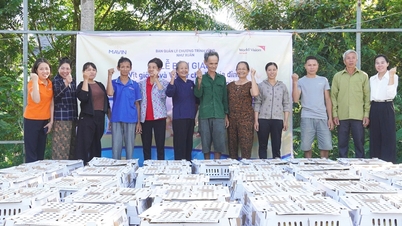
- ASC Group certification for the first and largest shrimp-mangrove farming model in Vietnam and the world.
- The effectiveness of the shrimp-mangrove model.
- Towards an environmentally friendly shrimp-mangrove farming model.
A livelihood dependent on the water.
For shrimp farmers in Ca Mau , the tides are the "calendar" of their profession. On the nights of the full moon, the 29th, and the 30th of the lunar month, when the tide is at its strongest, it's also the time when people go to the sluice gates to empty the mud. Everyone has a task: carrying buckets, washing the mud, waiting to collect the shrimp... all under the light of handheld flashlights. Tiger shrimp, whiteleg shrimp, and large crabs follow the current and get caught in the mud placed outside the sluice gates. Turning over the heavy nets, everyone anxiously waits to see how much they've harvested.
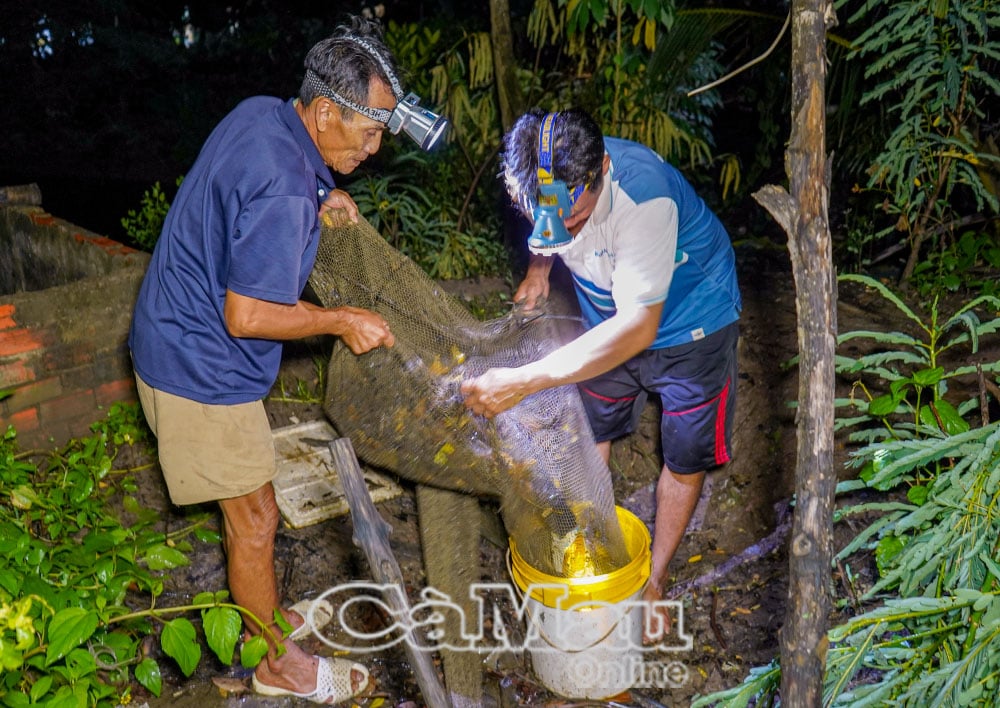 Working at night is a familiar labor rhythm for the people of the rice paddies and forests.
Mr. Tran Tien Khoi, who has been involved in shrimp farming for over 30 years in Thuan Tao hamlet, Tan Tien commune, shared: “My family cultivates over 50 acres of large shrimp ponds, raising shrimp and crabs in an extensive system. Each harvest brings in several million dong. Before, there were a lot of natural shrimp and crabs; when the tide was right, we would select the larger ones to catch and release the smaller ones. Crabs had to be about 3 crabs per kilogram to be caught. Now, the resources have decreased, so people have to stock more shrimp fry.”
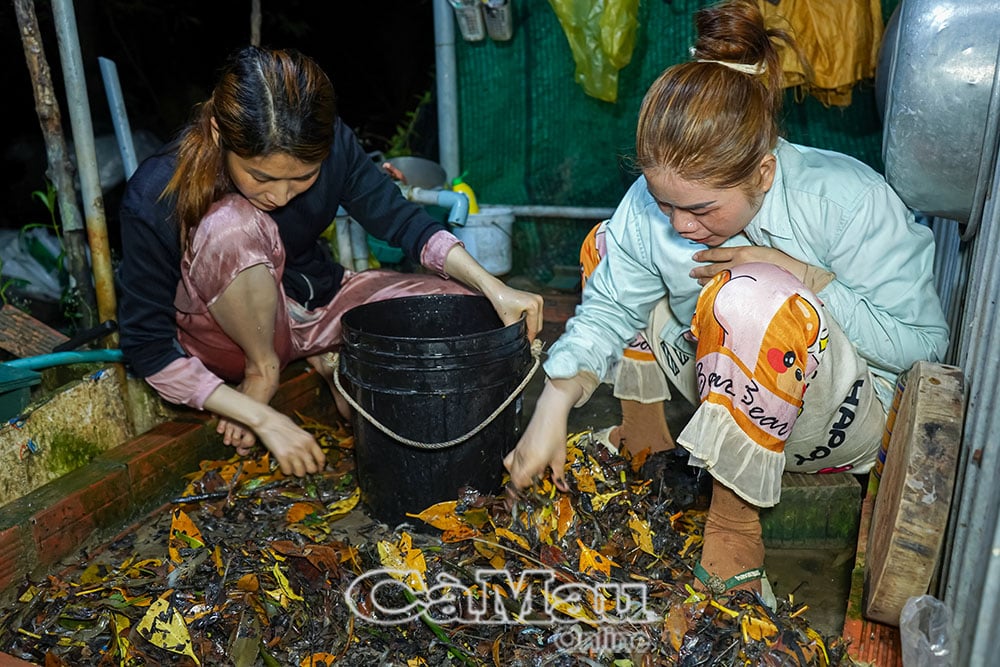 Women are often assigned to the task of sorting products.
In Chánh Tài hamlet (Tân Tiến commune), not far from Thuận Tạo, Mr. Nguyễn Thanh Sang is also busy preparing his nets before each tide. He spoke thoughtfully about his family's traditional work: "Everyone in this area does the same thing when farming shrimp ponds. Draining the pond at night is a habit; skipping even one night feels like something is missing. In the old days, we didn't need to stock the ponds to have shrimp to eat, but now we have to buy the fry. A good tide is enough to cover our household expenses. The people in this area live off the water, the forest, and the shrimp and crabs."



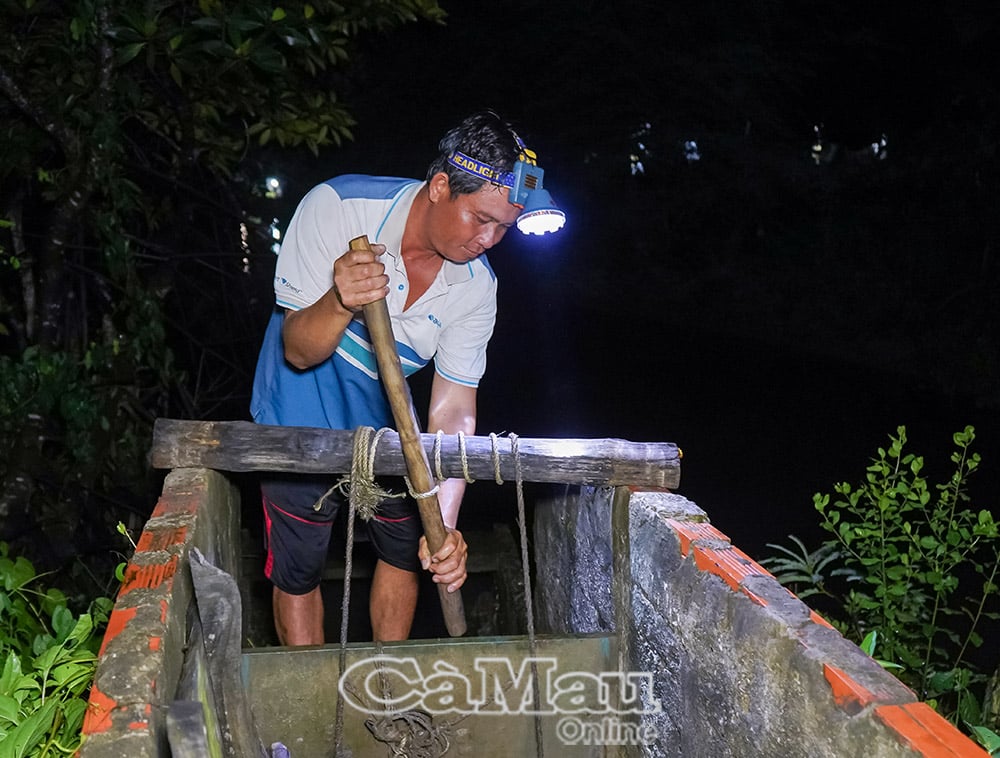 Mr. Nguyen Thanh Sang is preparing to drain the water from the pond.
Sang said that some nights they had to empty the nets two or three times. The more the water receded, the heavier the nets became. Sometimes there were few shrimp and many crabs, sometimes the opposite. But whether there were few or many, they were still happy because it was the result of their hard work.
Profits decrease, worries increase.
The decline in natural shrimp and fish stocks has forced people to buy additional fry to maintain their farming operations. Costs have increased, and environmental pressure is greater, but most still stick with the profession because the extensive shrimp and crab farming model is best suited to the mangrove forest area.
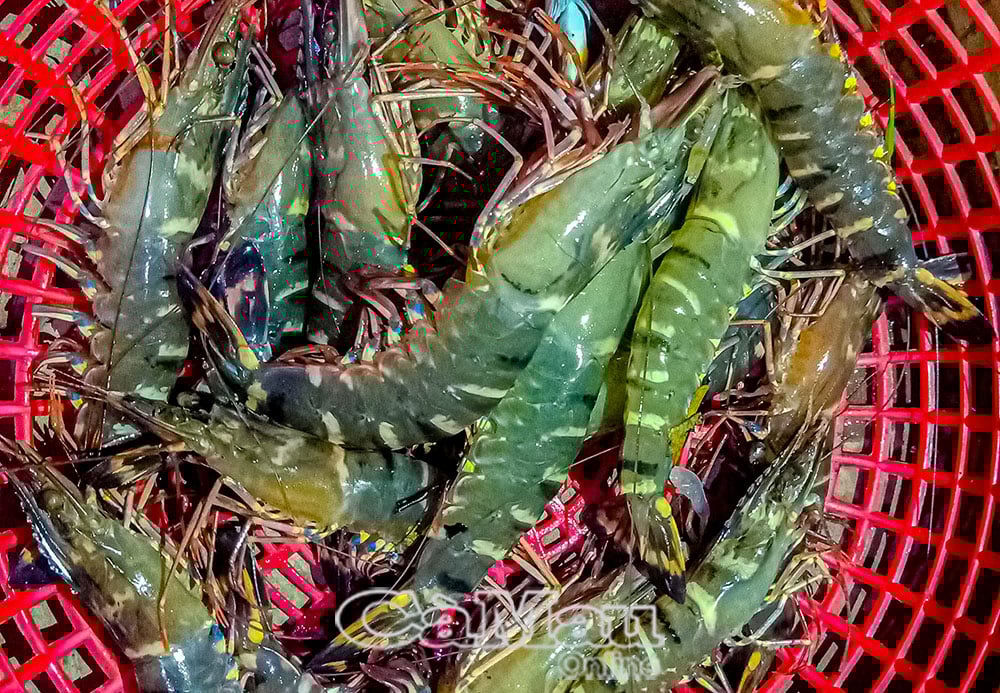 The amount of shrimp and crab harvested each tide is no longer as abundant as it used to be.
Recently, many training programs, technical support, and loan programs have helped farmers improve their production. Some shrimp farms, operating according to international standards and certified, supply large businesses, resulting in more stable shrimp prices. And nighttime turbidity removal remains an indispensable step to both harvest and maintain clean water in the ponds.
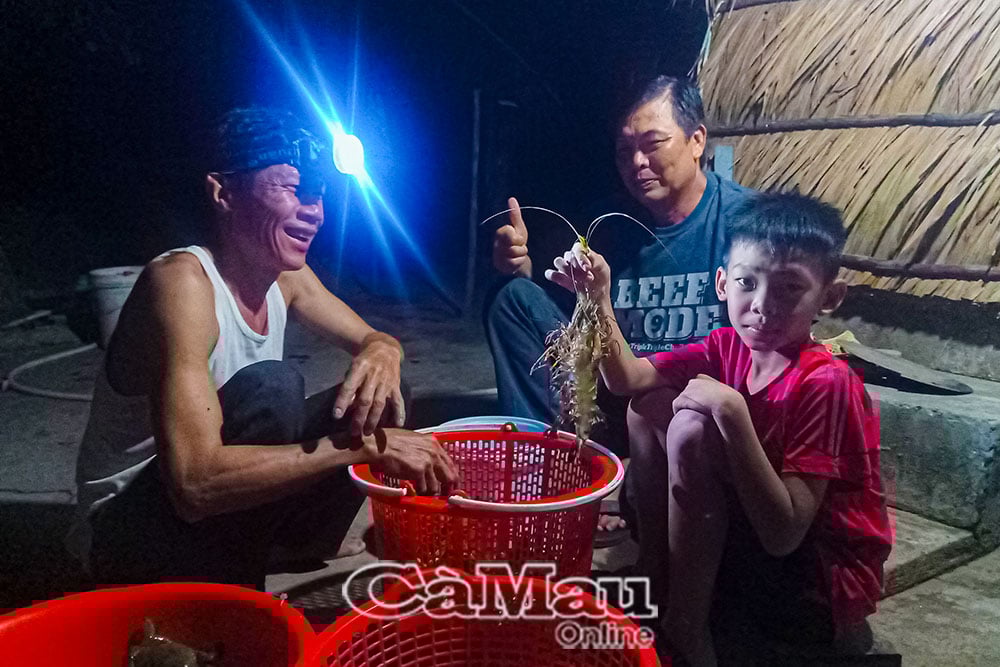 The people are delighted with the harvest.


As night falls, lights illuminate the entire shrimp pond area. The villagers diligently work with the water, hoping for a bountiful shrimp harvest. They believe that as long as they preserve the forest and contribute to protecting the water source, they can maintain the shrimp farming profession and preserve the traditional culture of this shrimp-forest region.
Hoang Vu
Source: https://baocamau.vn/ve-rung-xem-do-duc-a124413.html