If you have money, why not spend it more?
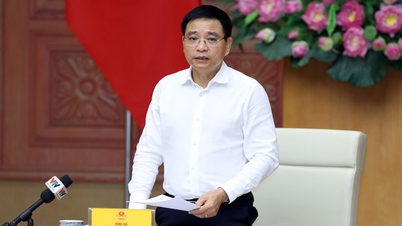
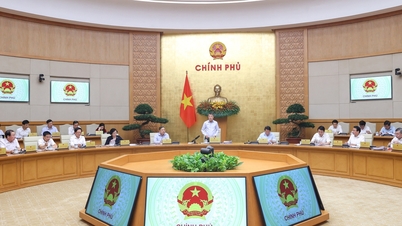
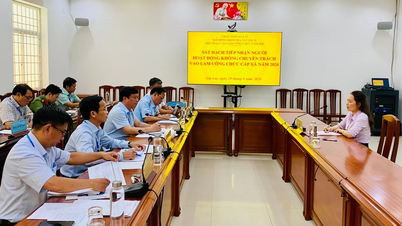
On June 22nd, at a seminar on electricity saving during peak season organized by the Government's Electronic Information Portal, Mr. Dang Hai Dung - Deputy Director of the Department of Innovation, Green Transformation and Industrial Promotion, Ministry of Industry and Trade - stated that recently, the peak capacity of the power system has exceeded 58,000 MW and electricity production has reached over 1 billion kWh on some days.
According to Mr. Dung, this is a very large consumption level, clearly reflecting the strong development and growth of the economy . While affirming that the demand for electricity "will certainly continue to increase," Mr. Dung acknowledged that we are facing many risks and challenges.
"We have witnessed very strong fluctuations in the prices of electricity, coal, oil, and gas. When supply chains are disrupted, energy costs can increase by 15-20%, or even higher," Mr. Dung said.

Meanwhile, Mr. Ha Dang Son - Chairman of the Center for Energy and Green Growth Research - commented that, if we look at the household and residential consumer group (accounting for about 30% of electricity consumption demand), awareness in this area still has "many problems".
Mr. Son analyzed that, firstly, there's the mindset of "If I have money, why shouldn't I spend more? If I can afford it, why shouldn't I spend more?", leading to the mindset of "If I earn money, I have the right to be wasteful."


"They haven't realized the impact and consequences. To some extent, the cost of electricity is reasonable, but when we exceed a certain power threshold, it leads to higher costs for operating the equipment in the system, resulting in very large investment requirements," Mr. Son explained.
Meanwhile, those who waste electricity are not yet held accountable for their actions that significantly impact the power system through the pricing system. This is because current retail electricity prices are still controlled, typically still subject to cross-subsidies, and do not reflect the cost of capacity.
"It's very difficult to explain."
Another important issue mentioned by experts is the mindset that "the more you use, the cheaper it should be." Therefore, consumers wonder, "Why are other goods cheaper when used frequently, but electricity is more expensive when used a lot?"
According to Mr. Ha Dang Son, Chairman of the Center for Energy and Green Growth Research, this is actually very difficult to explain to ordinary consumers. Consumers do not understand the very special characteristics of electricity supply, and the value of each kWh of electricity saved.
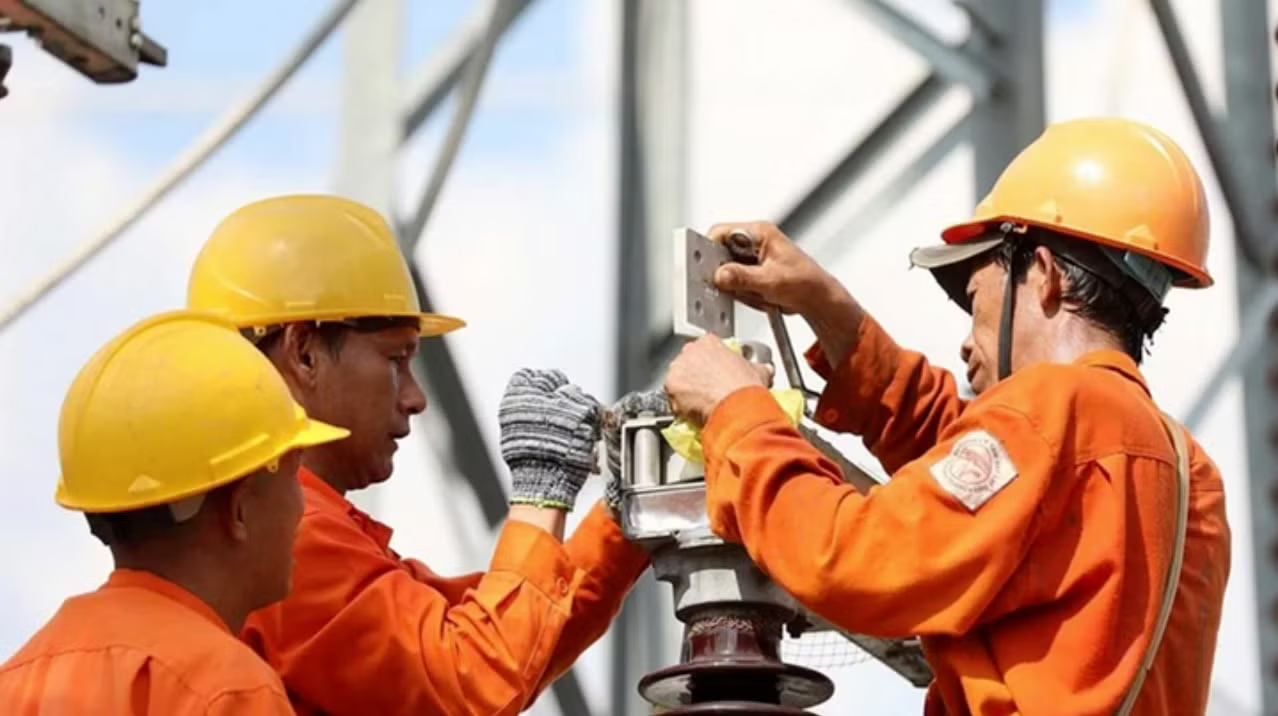
EVN Deputy General Director Ngo Son Hai shared that the Vietnam Electricity Group has implemented many tools to support and advise on efficient electricity saving. Especially during the hot season, air conditioners are the biggest electricity consumers in many households. Therefore, people should set the temperature to around 26 degrees Celsius to ensure comfort while saving electricity.



Mr. Hai also noted that it is necessary to minimize cold air loss by keeping doors closed and avoiding leaving spaces open when using air conditioning. Air conditioning systems also need to be inspected, cleaned, and maintained regularly, usually several times a year, to maintain optimal operating efficiency.
"Currently, during the summer, peak hours usually last from around 6 PM to 10 PM or 11 PM. This doesn't mean people shouldn't use electricity during this time, but they should consider switching off non-essential appliances to other times to reduce pressure on the system," Mr. Hai noted.
Source: https://tienphong.vn/vi-sao-cang-dung-nhieu-dien-cang-dat-post1853381.tpo