

Poor digestion and inefficient nutrient absorption in children are a major concern for many parents. When the digestive system doesn't function properly, children are prone to prolonged nutrient deficiencies, leading to slow weight gain, stunted growth, weakened immunity, and increased susceptibility to minor illnesses.
If detected early and treated properly, most cases of poor digestion in children can be effectively improved. However, parents should not be complacent because sometimes this is a warning sign that the child is suffering from more serious digestive diseases or malabsorption disorders.
Therefore, equipping parents with knowledge about caring for their children's digestive system is crucial, helping them build a scientific and age-appropriate diet for healthy and comprehensive child development.
Signs of poor digestion in children
Poor digestive function leads to inefficient processing and absorption of food. Some common signs that parents can look for to recognize this condition include:
- Children with poor appetite, slow weight gain, and stunted growth.
- Symptoms include bloating, gas, abdominal pain, and indigestion.
- Loose stools, undigested food particles in the stool, or stools with an unpleasant, foul odor.
- Irregular bowel movements, alternating between diarrhea and constipation.
- Children who are pale, have sallow skin, and are lethargic are often deficient in micronutrients.
- Some cases of vitamin B deficiency can cause numbness, mild swelling, or reduced physical activity.
If this situation persists, children are susceptible to malnutrition, reduced immunity, and impaired physical and intellectual development.
Common causes of poor digestion in children
Digestive enzyme deficiency
Digestive enzymes, also known as digestive enzymes, are substances that help break down food into smaller nutrients for the body to absorb. These enzymes are secreted from the salivary glands, stomach, pancreas, and small intestine.
In young children, especially those under 5 years old, the digestive system is not yet fully developed, so the amount of digestive enzymes is limited. This makes children less able to process food than adults.
If parents feed their children too much food that is difficult to digest, high in protein, high in fat, or low in fiber, the digestive system will have to work overtime, causing bloating, abdominal distension, constipation, or digestive disorders.
This is a fairly common reason why children have poor appetites and inefficient nutrient absorption.
Having gastrointestinal diseases
Young children have immature immune and digestive systems, making them highly susceptible to intestinal diseases such as:
- Gastroenteritis
- Digestive disorders
- Intestinal infections
- Lactose intolerance
- Malabsorption syndrome
When the digestive system is damaged, the process of converting food into nutrients is severely affected. Children often exhibit symptoms such as abdominal pain, diarrhea, vomiting, or prolonged loss of appetite.
In addition, prolonged use of antibiotics can disrupt the balance of the gut microbiome, making children more prone to digestive disorders and poorer absorption.
Parasitic worm infections
Worm infections are a common but often overlooked cause of illness in young children. Children often put their hands in their mouths, play on the ground, or eat unhygienic food, so the risk of parasitic infections is quite high.
After entering the body, parasitic worms will live in the intestines, competing with the child's body for nutrients and simultaneously secreting toxins that damage the intestinal lining.
As a result, children are more likely to experience conditions such as:
- Full stomach
- Slow weight gain
- Diarrhea or constipation
- Poor appetite
- Nutritional malabsorption
If left undetected and untreated, this condition can have long-term effects on a child's physical and intellectual development.

Poor digestion and inefficient nutrient absorption in children are a major concern for many parents.
An inappropriate diet
Unhealthy eating habits are also a common cause of impaired digestive function in children.
Some common mistakes parents make include:
- Feeding children too much at one meal.
- Prolonged forced feeding
- Letting children skip meals
- Eating at irregular times
- Eating a lot of fried foods and fast food.
These habits overload or disrupt a child's digestive system's circadian rhythm, leading to poor appetite and absorption.
In addition, unhygienic food such as street food, spoiled food, or food that is not thoroughly cooked can also cause intestinal infections in children.
Experts also note that certain food combinations, when improperly combined, can cause indigestion or affect a child's digestive system. Therefore, parents should create a balanced, varied, and age-appropriate diet.
Effects from medication
Some medications that children use during treatment can also affect their digestive system.
In particular, antibiotics, anti-inflammatory drugs, or long-term medications can cause:
- Loss of appetite
- Nausea
- Constipation or diarrhea
- Imbalance of gut microbiota
Furthermore, excessive dietary restrictions when children are sick can lead to a deficiency in essential energy and nutrients, worsening poor digestion.
What should parents do when their child has poor digestion?
To improve children's digestive function, parents need to:
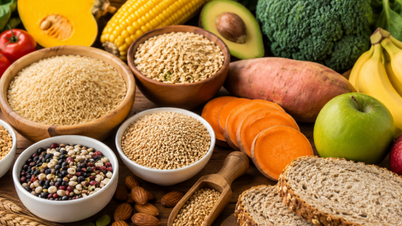
- Establish a balanced diet that includes all four food groups.
- Feed your child on time and avoid forcing them to eat.
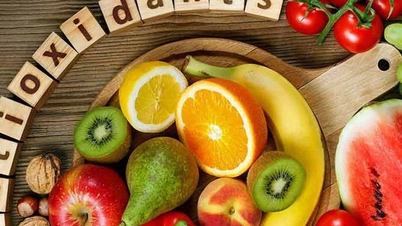
- Increase your intake of green vegetables, fruits, and fiber-rich foods.
- Encourage children to engage in age-appropriate physical activity.
- Deworm regularly as directed by your doctor.
- Limit your intake of processed foods, those high in sugar and fat.
- Do not take digestive enzymes or other medications without a professional prescription.
In summary: If children exhibit persistent poor digestion symptoms such as weight loss, frequent diarrhea, severe abdominal pain, or delayed development, parents should take them to a medical facility for examination and determination of the specific cause.
A healthy digestive system is a crucial foundation for children to absorb nutrients effectively, achieve overall growth, and boost their immunity. Therefore, proper care from an early age will help children build a strong health foundation for the future.
Source: https://suckhoedoisong.vn/vi-sao-tre-tieu-hoa-kem-cham-hap-thu-dinh-duong-169260520221923273.htm



































































































Comment (0)