


Cancer has long been considered a disease heavily influenced by genetics and age. However, increasing research shows that lifestyle plays a particularly important role in determining the risk of developing the disease. Oncologists believe that millions of cancer cases worldwide could be prevented if people maintained healthy diets, exercised appropriately, and developed positive lifestyle habits.
According to Fiona Malcomson, scientific advisor at the American Institute for Cancer Research (AICR), approximately 40% of adult cancers are linked to modifiable factors such as smoking, being overweight, an unhealthy diet, alcohol consumption, and a sedentary lifestyle. This means that the risk of developing the disease can be significantly reduced if people adjust their daily lifestyles.
From the perspective of oncologists and cancer prevention experts, there are four common habits that are silently increasing the risk of developing the disease, and many people still maintain them every day:
1. Eating processed meat
Sausages, bacon, ham, cold cuts, and other processed fast foods have become convenient choices in modern life. However, according to experts, these are also food groups that should be limited if you want to reduce your risk of cancer.
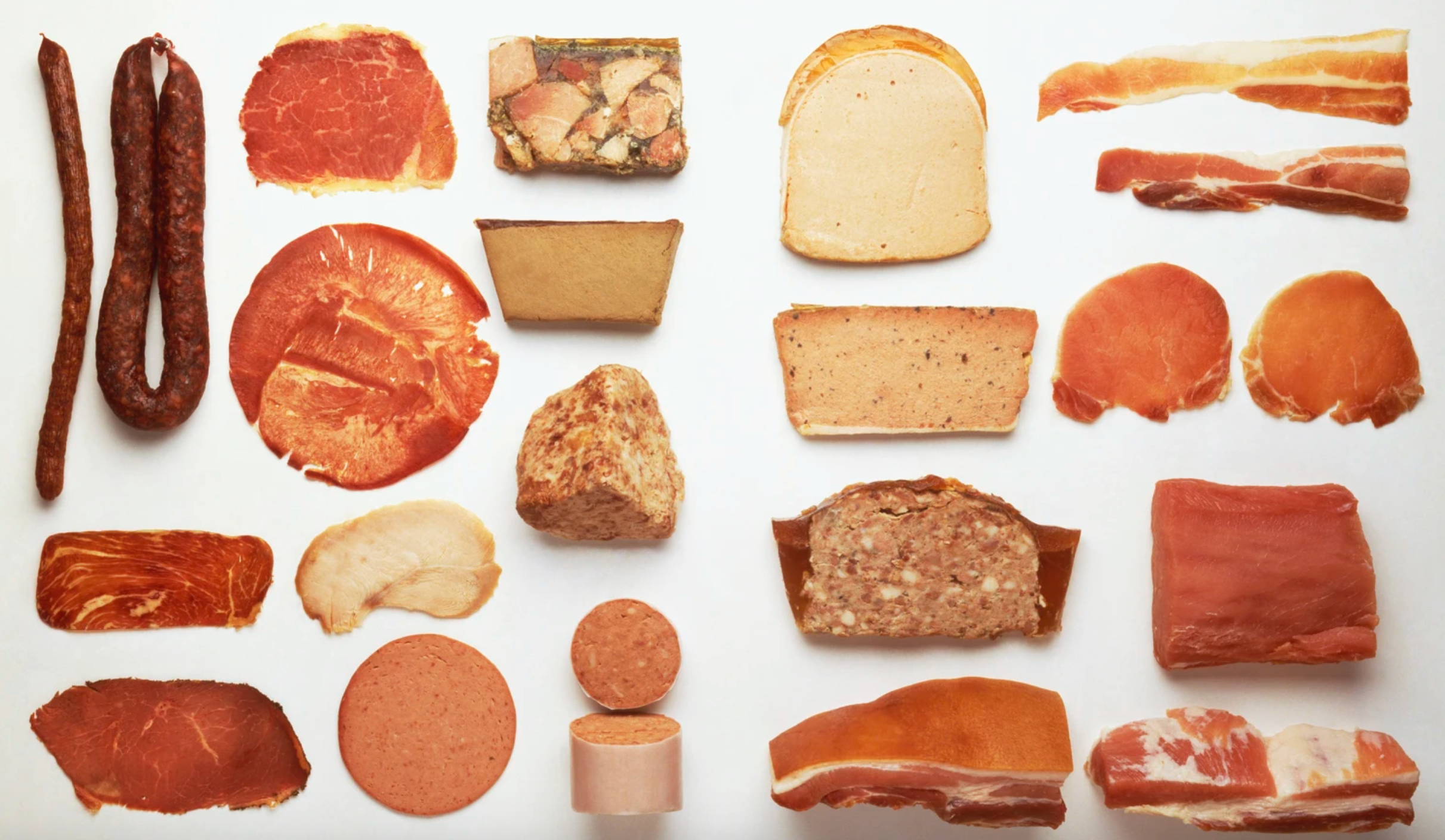
Oncologist Ezekiel J. Emanuel stated that processed meats are strongly linked to colorectal cancer, and to a lesser extent, to stomach and pancreatic cancer.
The cause lies in nitrite and nitrate compounds commonly used to preserve food. These substances can damage DNA in the lining of the digestive tract, thereby increasing the risk of cancer cell formation.
Furthermore, processed meats, often found in fast food meals, are high in salt, sugar, and fat, easily leading to weight gain and obesity. Meanwhile, obesity is now considered a risk factor for many different types of cancer.
Experts recommend prioritizing fresh foods, limiting ultra-processed foods, and maintaining a balanced diet for long-term health protection.
2. A diet lacking in fiber.
Another issue that experts have particularly noted is the lack of fiber in the daily diet.
Fiber is abundant in green vegetables, fruits, legumes, nuts, and whole grains. However, the fast-paced modern lifestyle has led many people to increasingly rely on processed foods, resulting in lower-than-recommended fiber intake.

According to Dr. Emanuel, a low-fiber diet is linked to colorectal cancer and may also increase the risk of breast, stomach, and esophageal cancer.
Scientists believe that fiber plays a crucial role in the gut microbiome. When metabolized, fiber helps produce short-chain fatty acids that nourish the intestinal lining, reduce inflammation, and help protect the body against the risk of developing abnormal cells.
Many recent studies have also shown that a healthy gut microbiome not only affects digestion but is also closely related to immunity and the risk of chronic diseases, including cancer.
3. Sitting too much
In the age of technology, many people spend most of their time in front of computer screens, phones, and office work. This makes a sedentary lifestyle one of the most worrying health risks today.
Studies show that regular physical activity can help reduce the risk of many types of cancer, including breast, kidney, bladder, and stomach cancer.

However, according to Professor Kerri Winters-Stone of Oregon Health & Science University, exercise alone is not enough if people still sit too much for the rest of the day.
She said that researchers are currently interested in the "24-hour activity pattern," which includes time spent exercising, sleeping, and being sedentary. This is considered an indicator of overall health and long-term disease prevention capabilities.
One study showed that the group with the highest levels of physical activity reduced their risk of cancer by up to 26% compared to the least active group. Experts recommend that everyone aim for around 9,000 steps per day to improve their health.
High-intensity workouts aren't necessary; small changes like walking more, getting up and moving around during work breaks, or limiting prolonged periods of sitting can make a significant difference.
4. Lack of social connection
Although often overlooked, social connection is also closely linked to physical and mental health.
According to Professor Winters-Stone, prolonged loneliness can lead to depression, fatigue, and decreased motivation for self-care. This can easily lead to unhealthy eating habits, lack of exercise, and self-isolation, creating a negative cycle for health.

Experts suggest that even small interactions in daily life are important. A short conversation, a greeting, or maintaining community activities can all help improve morale and promote more positive behaviors.
In the context of rising stress levels and mental health problems, social connection is being seen as an indispensable part of a healthy lifestyle.
Cancer prevention starts with small changes.
Besides avoiding tobacco and limiting excessive sun exposure, experts recommend maintaining a healthy weight, reducing consumption of sugary drinks, and limiting alcohol to lower the risk of cancer.
According to the American Cancer Research Institute, alcohol is the cause of at least six different types of cancer and is one of the leading preventable causes of cancer.
Experts also note that there are no "miracle" supplements or pills that can prevent cancer. Instead, a balanced diet, regular exercise, and a healthy lifestyle remain the most important foundations for protecting one's health.
"Cancer prevention doesn't require drastic changes overnight. Small adjustments, made consistently over time, can make a huge difference," emphasized Fiona Malcomson.
However, experts also acknowledge that a healthy lifestyle cannot guarantee absolute protection against cancer, as the risk of developing the disease is also influenced by age and genetic factors. Nevertheless, proactively building positive habits is still considered an important "shield" to help individuals reduce their risk of disease and improve their long-term quality of life.
Source: https://daibieunhandan.vn/4-dieu-bac-si-ung-thu-mong-ban-ngung-lam-10417998.html




































































































Comment (0)