

The Department of Medical Examination and Treatment Management ( Ministry of Health ) has just issued an urgent dispatch to medical examination and treatment facilities under the Ministry of Health; health departments of ministries and sectors; and health departments of provinces and centrally-administered cities.
According to the document, Ebola virus disease is an acute and particularly dangerous infectious disease in humans, usually manifesting as hemorrhagic syndrome and multiple organ failure, with a mortality rate that can reach up to 90%.
The disease is primarily transmitted through direct contact with the blood, tissues, and bodily fluids of infected animals or people, as well as through contaminated objects such as clothing, blankets, and used needles. Ebola virus can also be transmitted from person to person through direct contact via broken skin or mucous membranes with the blood and bodily fluids such as secretions, feces, urine, saliva, and semen of an infected person.
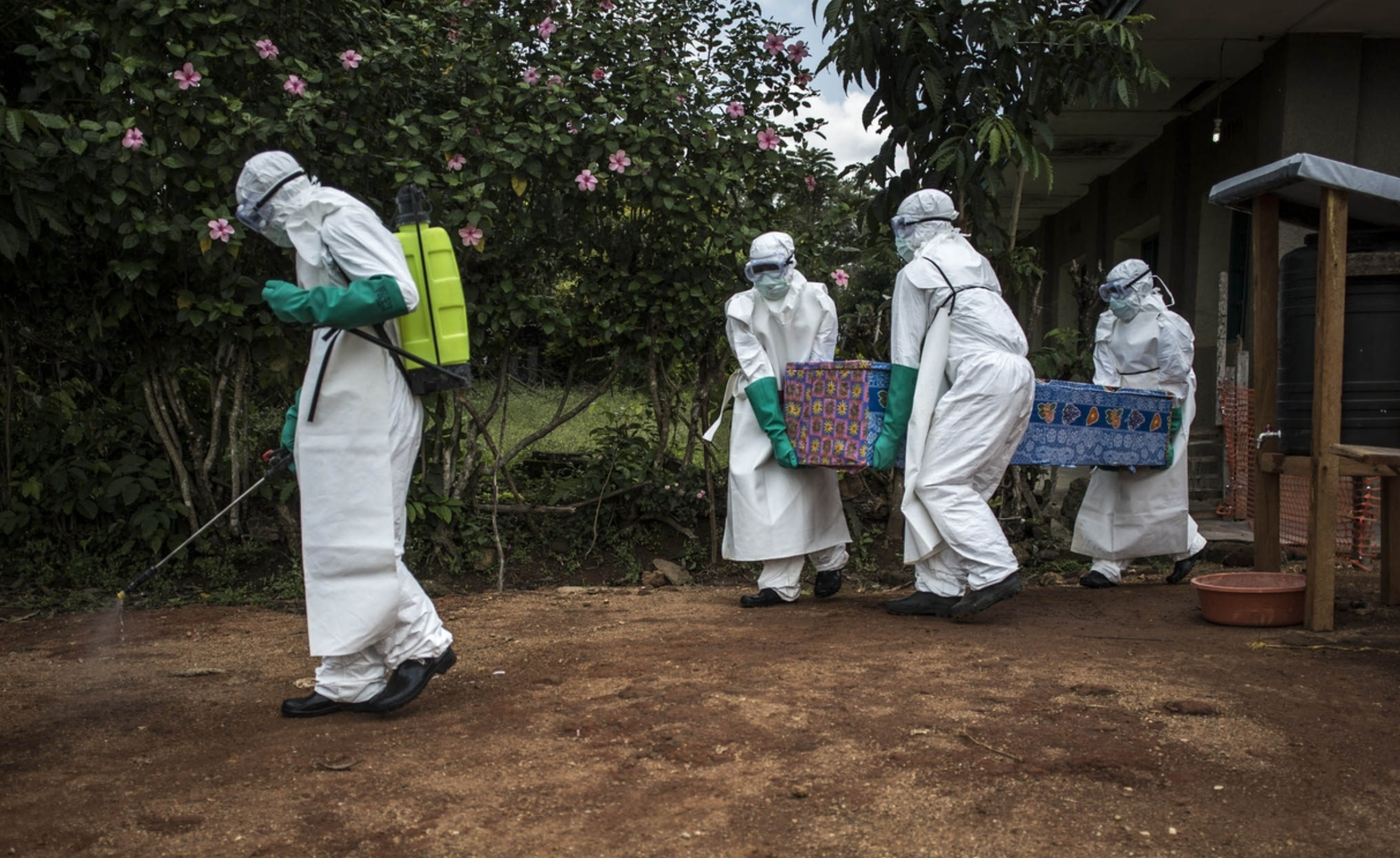
According to information from the World Health Organization (WHO), between May 5th and May 20th, 2026, the Democratic Republic of Congo and the Republic of Uganda recorded 600 suspected cases of Ebola virus disease, including 139 deaths; more than 50 cases were confirmed positive for the Bundibugyo strain – one of the six strains of the Ebola virus.
The Department of Medical Examination and Treatment Management requests that all medical units urgently implement comprehensive disease prevention and control measures within their areas of responsibility.
Accordingly, medical facilities need to strengthen patient monitoring, especially for cases with a history of travel to or return from countries or regions currently reporting outbreaks within the past 21 days. At the same time, they must strictly implement infection control measures, ensuring strict protective protocols, screening, classification, and isolation for suspected or confirmed cases of Ebola virus disease within medical facilities.
Units are required to regularly update information on the global epidemic, proactively communicate to provide accurate and timely information, avoid causing panic in the community, and guide the implementation of preventive measures as recommended.
In addition, it is necessary to detect suspected cases early to promptly isolate them, coordinate with the preventive health system in testing, diagnosis, treatment, and disease control according to the professional guidelines of the Ministry of Health.
Reviewing and ensuring adequate personal protective equipment for healthcare workers, as well as maintaining isolation conditions and diagnostic and treatment capabilities, were also emphasized in order to be ready to receive and manage suspected or confirmed cases of the disease.
At the same time, the Department of Medical Examination and Treatment Management requests that all units seriously implement these measures, contributing to proactively controlling the risk of disease outbreaks and protecting public health.
Previously, on May 17, 2026, the WHO declared the Ebola Bundibugyo virus outbreak in these two countries a public health emergency of international concern, and the Ministry of Health directed its units to implement comprehensive measures to prevent and control the epidemic.
Source: https://daibieunhandan.vn/cac-co-so-y-te-san-sang-cach-ly-siet-chat-kiem-soat-dich-ebola-10418003.html

































































































Comment (0)