

1. How dangerous is kidney damage?
- 1. How dangerous is kidney damage?
- 2. Daily habits to keep your kidneys healthy
- 3. How to protect your kidneys
Kidney damage occurs when the kidneys are unable to filter blood properly. This can lead to a buildup of waste products and excess fluid in the body, causing toxicity to organs, especially the brain and heart. In addition, the kidneys also function to regulate blood pressure, produce red blood cells, and keep bones strong.
Therefore, prolonged kidney damage can cause a range of cardiovascular complications, including a high risk of heart attack and stroke; fluid retention, edema in the legs, arms, and face, and shortness of breath; anemia due to reduced erythropoietin production by the kidneys; difficulty controlling high blood pressure; and increased risk of weak bones, fractures, and electrolyte imbalances.
Kidney damage can occur suddenly, after illness, injury, or dehydration, or gradually over many years as chronic kidney disease (CKD). High blood pressure and diabetes are leading causes of kidney damage. Other risk factors include smoking, obesity, certain medications, and prolonged dehydration.
Because kidney disease often develops without symptoms, many people only discover it when the damage is already severe. Therefore, regular health checkups and maintaining healthy habits are the most effective ways to protect your kidneys.
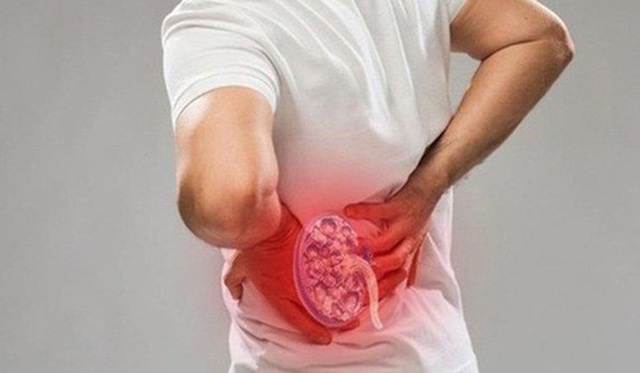
Kidney damage can cause a range of dangerous health complications.
2. Daily habits to keep your kidneys healthy
2.1 Drink enough water: Drinking plenty of water helps all the cells in the body function better. Adequate water intake helps flush out crystals that can form kidney stones and bacteria that cause urinary tract infections (UTIs), conditions that can damage the kidneys.
You should drink 1.5-2 liters of water per day, with plain water being a good choice as it contains no calories. Other drinks such as sparkling water, tea, coffee, herbal and fruit teas, and low-fat milk can also be counted towards your water intake.
2.2 Simple and healthy eating: Eat plenty of fruits, vegetables, whole grains, and lean protein. Reduce your intake of salt, processed foods, and sugary drinks. A high-salt diet can contribute to high blood pressure, which can be a risk factor for kidney disease. Eating too much salt can also increase the risk of kidney stones.
To limit your salt intake, use no more than 5g of salt per day, about one teaspoon. Limit processed foods and check labels for salt content. When cooking, season dishes with pepper, spices, herbs, lemon, and garlic instead of salt to enhance flavor and suit your taste buds.
2.3 Control health indicators: Check blood pressure and blood sugar regularly. If these indicators are high, follow your doctor's advice, exercise regularly, get enough sleep, and eat a healthy diet to maintain stable levels.

2.4 Daily physical activity: Aim for at least 150 minutes of moderate exercise per week to support overall health, including kidney health. Walking, cycling, and swimming all improve blood circulation, help control weight, and regulate blood pressure.
2.5 Stop smoking and reduce alcohol consumption: Smoking narrows blood vessels and reduces blood flow to the kidneys. Excessive alcohol consumption causes dehydration and can increase blood pressure. Reducing alcohol intake helps the kidneys recover and reduces the risk of overall health problems.
2.6 Use medication wisely: In the long term, frequent use of high doses of common pain relievers can harm the kidneys. This includes over-the-counter medications such as aspirin and ibuprofen, which belong to the group of non-steroidal anti-inflammatory drugs, or NSAIDs.
To protect your kidneys, these medications should be used exactly as prescribed, at the lowest possible dosage, and for the shortest possible time. If you need to use painkillers regularly due to a medical condition, consult your doctor about ways to minimize kidney risks. Additionally, if you regularly use protein powder or herbal supplements, consult a specialist as well.
2.7 Make time for sleep: Getting enough sleep allows the body to rest and recover. Some studies show that sleeping five hours or less each night can directly affect kidney function. Like other bodily functions, kidney function is regulated by the sleep-wake cycle, so poor sleep can affect their ability to function. Therefore, 7-8 hours of sleep per night is recommended.
To improve sleep quality, establish healthy sleep habits and a healthy sleep environment; the bedroom should be cool, dark, and quiet; avoid caffeine and alcohol, and take time to relax before bed.

Getting enough sleep helps protect your kidneys.
3. How to protect your kidneys
Between the ages of 20 and 30, maintaining a habit of drinking plenty of water, especially during physical activity; exercising regularly; and eating a balanced diet are crucial for long-term kidney protection. This is also the period when smoking, extreme diets, and unnecessary overuse of dietary supplements should be avoided. Individuals with a family history of kidney disease should proactively get early health checkups.
As people reach their 40s and 50s, the risk of kidney damage begins to increase. Experts recommend regular blood pressure, blood sugar, and kidney function checks with blood and urine tests once a year. Simultaneously, it's important to eat less salt and more fresh foods, focus on weight management, sleep, and stress control to reduce the strain on the kidneys and cardiovascular system.
From age 60 onwards, monitoring kidney health becomes even more important. Older adults should review their current medications with their doctor to minimize the risk of affecting kidney function. In addition, maintaining adequate hydration, monitoring for signs such as edema, fatigue, or changes in urination, and engaging in gentle daily exercise are essential to support blood circulation and protect kidney function.
Source: https://suckhoedoisong.vn/cach-bao-ve-than-khoe-manh-theo-thoi-gian-169260515140607662.htm








































































































Comment (0)