

The Department of Disease Prevention stated that, according to the latest information from the World Health Organization (WHO), the cluster of cases on the MV Hondius has recorded 8 cases of Hanta virus infection, including 3 deaths. Through testing, the Hanta virus infections were identified as the Andes virus (ANDV).
However, the WHO assesses the risk of Hanta virus spreading to the global population as low, and furthermore, the mode of transmission of Hanta virus is completely different from Covid-19.
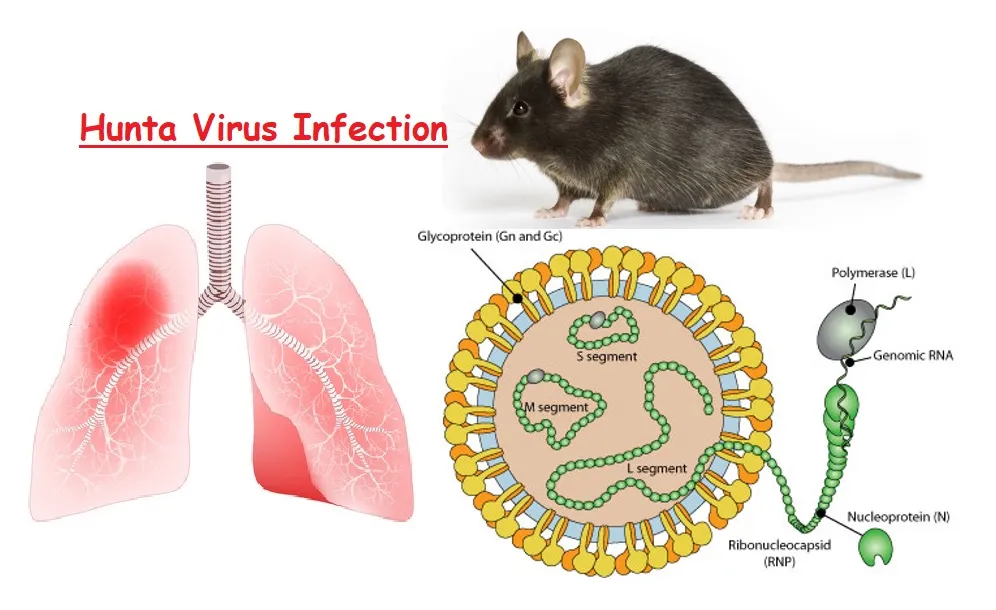
Regarding the origin of the outbreak, the WHO is still investigating, but experts are leaning towards the hypothesis that the first case (F0) contracted the virus from the environment or contact with rats during outdoor travel activities before boarding the ship. At the same time, they advise against making assumptions about the source of infection from food, water, or the ship itself until a final conclusion is reached.
On the Vietnamese side, the Department of Disease Prevention and Control confirmed that to date, no Vietnamese citizens have been linked to the cluster of cases on the MV Hondius. However, to proactively prevent the spread of the disease, the Ministry of Health has requested localities to urgently strengthen surveillance at border gates and medical facilities, while also stepping up hygiene and disinfection measures.
The Department of Disease Prevention also pointed out that Vietnam has previously recorded cases of infection related to viruses in animals. The Department of Disease Prevention urged people to follow official information, absolutely not to panic, and not to speculate about the risk of the disease spreading.
In addition, people need to take preventive measures to protect their health, such as maintaining environmental hygiene and actively eliminating rats to prevent diseases transmitted by these rodents.
In cases where individuals experience symptoms such as fever, muscle pain, fatigue, digestive disorders, cough, chest tightness, or difficulty breathing after contact with rats, including contact with rats or areas containing rat droppings, they should seek immediate medical attention and report their contact history to receive appropriate advice, examination, diagnosis, and treatment.
The Department of Disease Prevention will continue to coordinate with WHO and relevant agencies to update the situation, assess risks, and implement appropriate response measures, promptly informing the public when new developments occur.
According to the WHO, those on board the MV Hondius and related flights should monitor their health for 42 days after their last potential exposure; they should watch for initial symptoms such as headache, dizziness, chills, fever, muscle aches, and gastrointestinal problems. For high-risk contacts, the WHO recommends proactive monitoring and isolation at home or in a suitable facility for 42 days after the last exposure. The WHO does not recommend isolation for low-risk contacts. This group should self-monitor their health and seek medical attention if symptoms appear.
Source: https://www.sggp.org.vn/viet-nam-chua-ghi-nhan-ca-mac-virus-hanta-post852421.html























































































Comment (0)