


Difficult family circumstances forced Lo Seo Cho, a young Mong ethnic man from Sin Cheng commune, to put aside his dream of attending Thai Nguyen University of Agriculture and Forestry. However, his dream of starting a business in agriculture never faded. Returning to his hometown, and overcoming those hardships, Lo Seo Cho persevered and wrote his own entrepreneurial story with a model of raising native black chickens.
From the dream of starting a business…
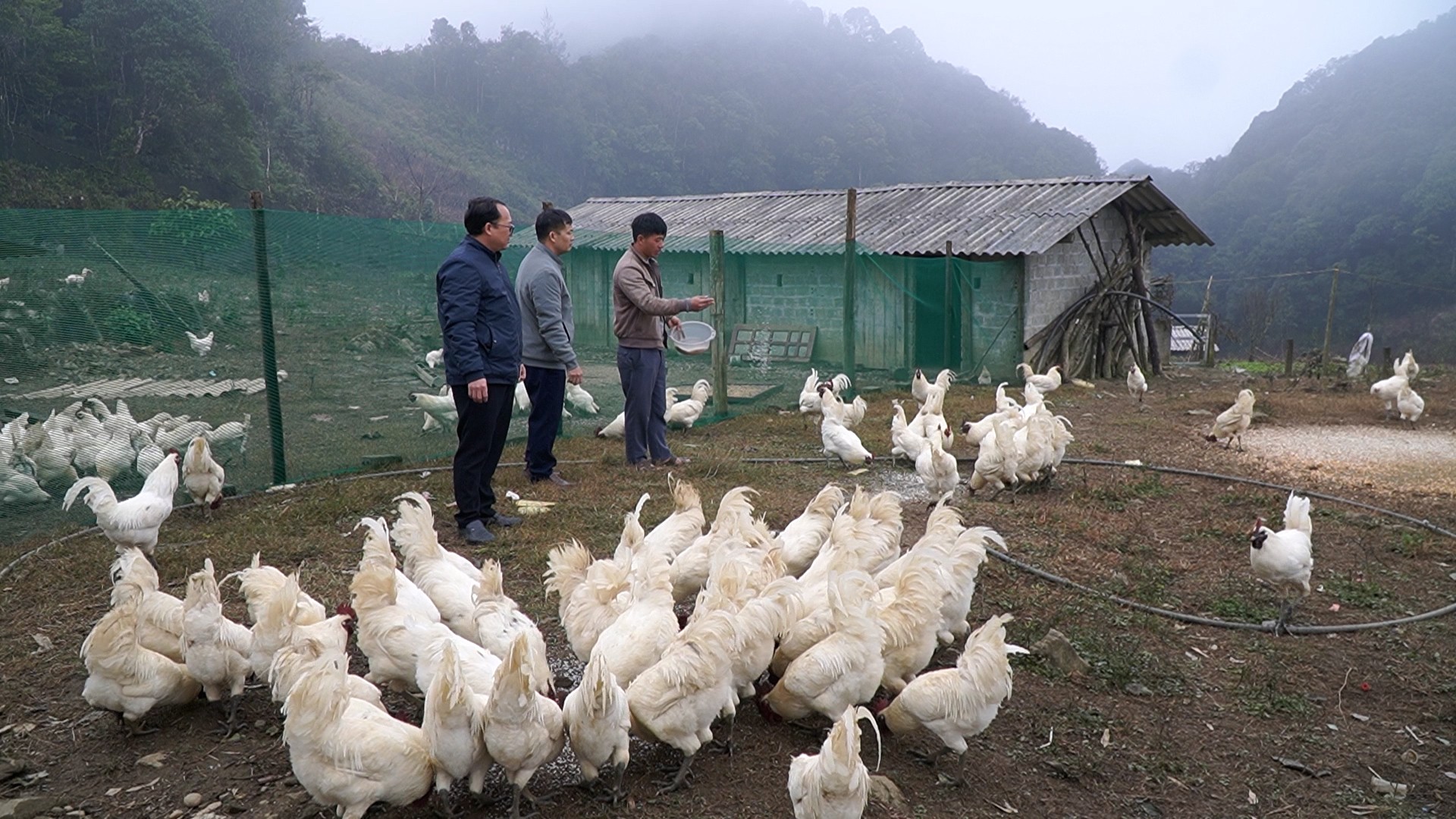
Although he once worked far from home, the desire to be close to his family and prosper in his homeland has always been a driving force for Lo A Cho.
In 2019, starting with a few black chickens of a specific breed given to him by his parents, he conceived the idea of expanding his flock and developing a poultry farming model. By 2020, boldly applying technological advancements to care and disease prevention, he successfully hatched approximately 500 chicks. To date, his family's flock has grown to over 1,000 chickens.
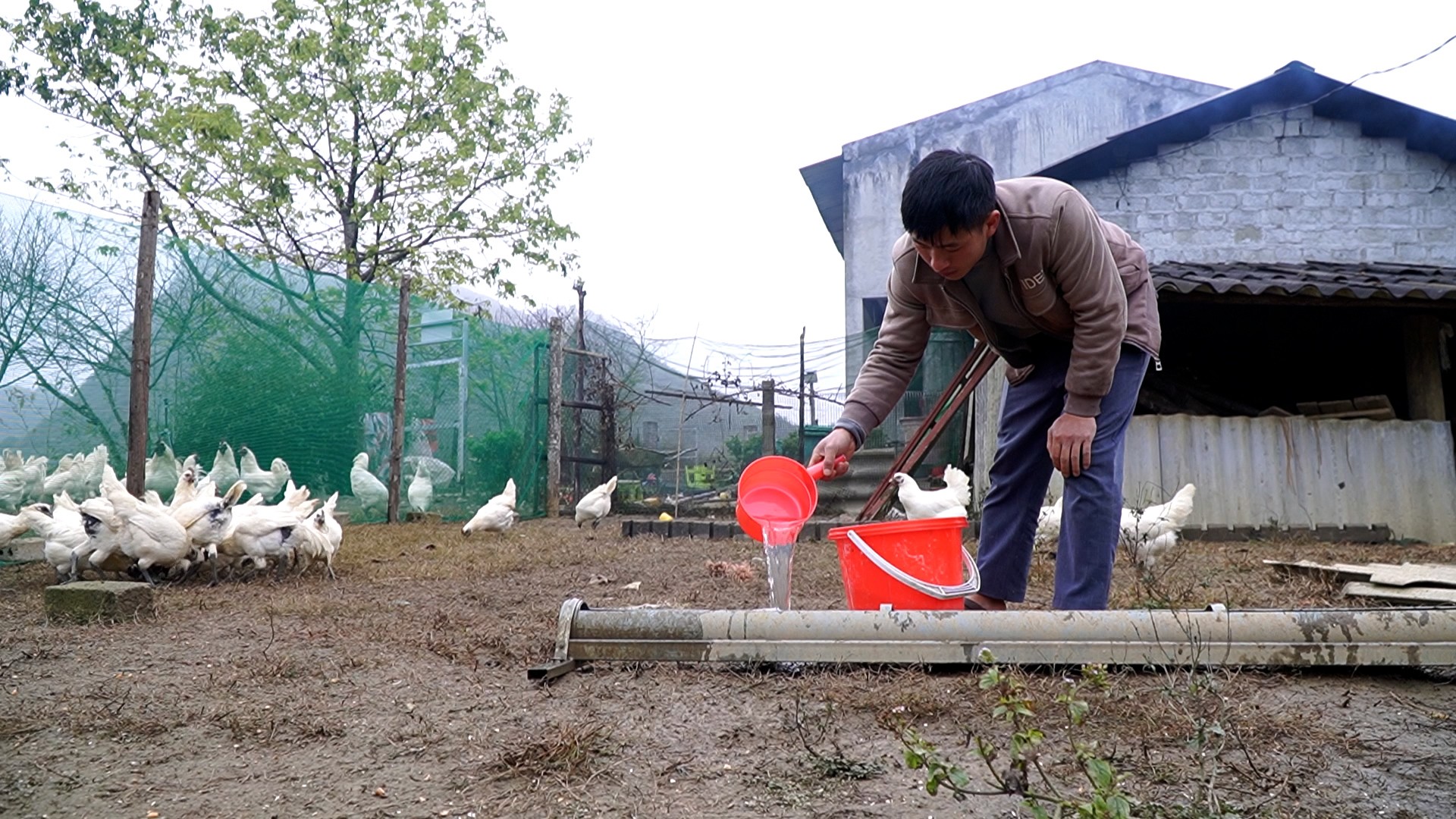
With commercial black chickens weighing over 3kg each, and a market price of around 200,000 VND/kg, after deducting expenses, Mr. Cho's family earns nearly 80 million VND per year.
To achieve that result, Mr. Cho had to put in a lot of effort. From selecting the breed and maintaining hygiene in the chicken coop to preventing and controlling diseases, everything was done rigorously. On average, his family successfully hatches 700 to 800 black chickens each year.
According to Mr. Cho, raising black chickens isn't always easy; failures were inevitable in the early days of his business. But it was those setbacks that helped him accumulate experience, adjust his farming process, and gradually stabilize and develop his flock to its current state.
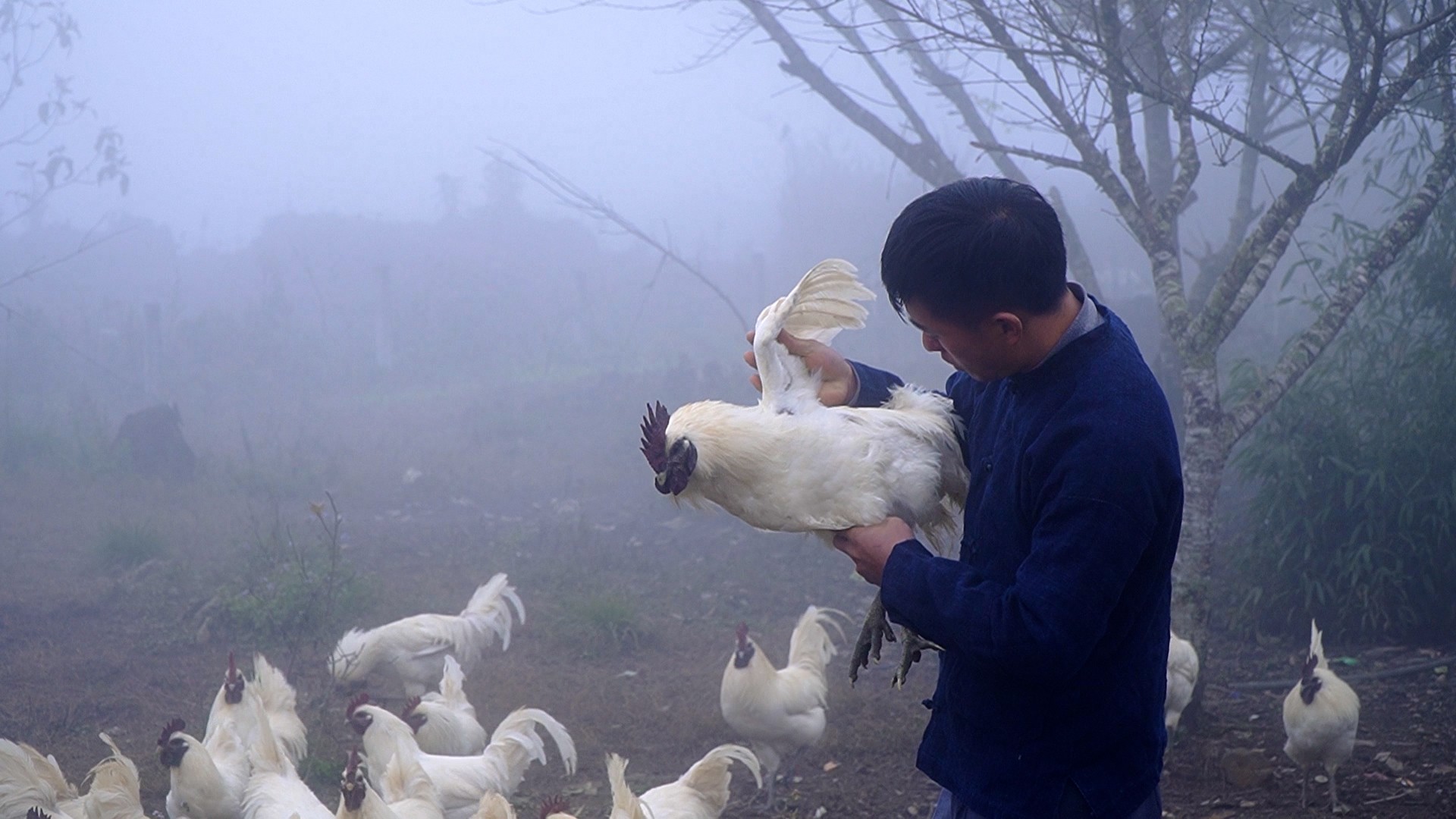
...to sustainable livelihoods
In the Sin Cheng area, where people mainly rely on rice and corn cultivation, Lo Seo Cho's model of raising native black chickens has become a shining example of household economic development.
Recognizing that the black chicken breed of the Hmong people is well-suited to the cool, cold climate of the highlands, has good resistance to disease, and is popular in the market, Mr. Cho did not keep it to himself but readily shared the breeding stock and experience so that other villagers could also adopt it.
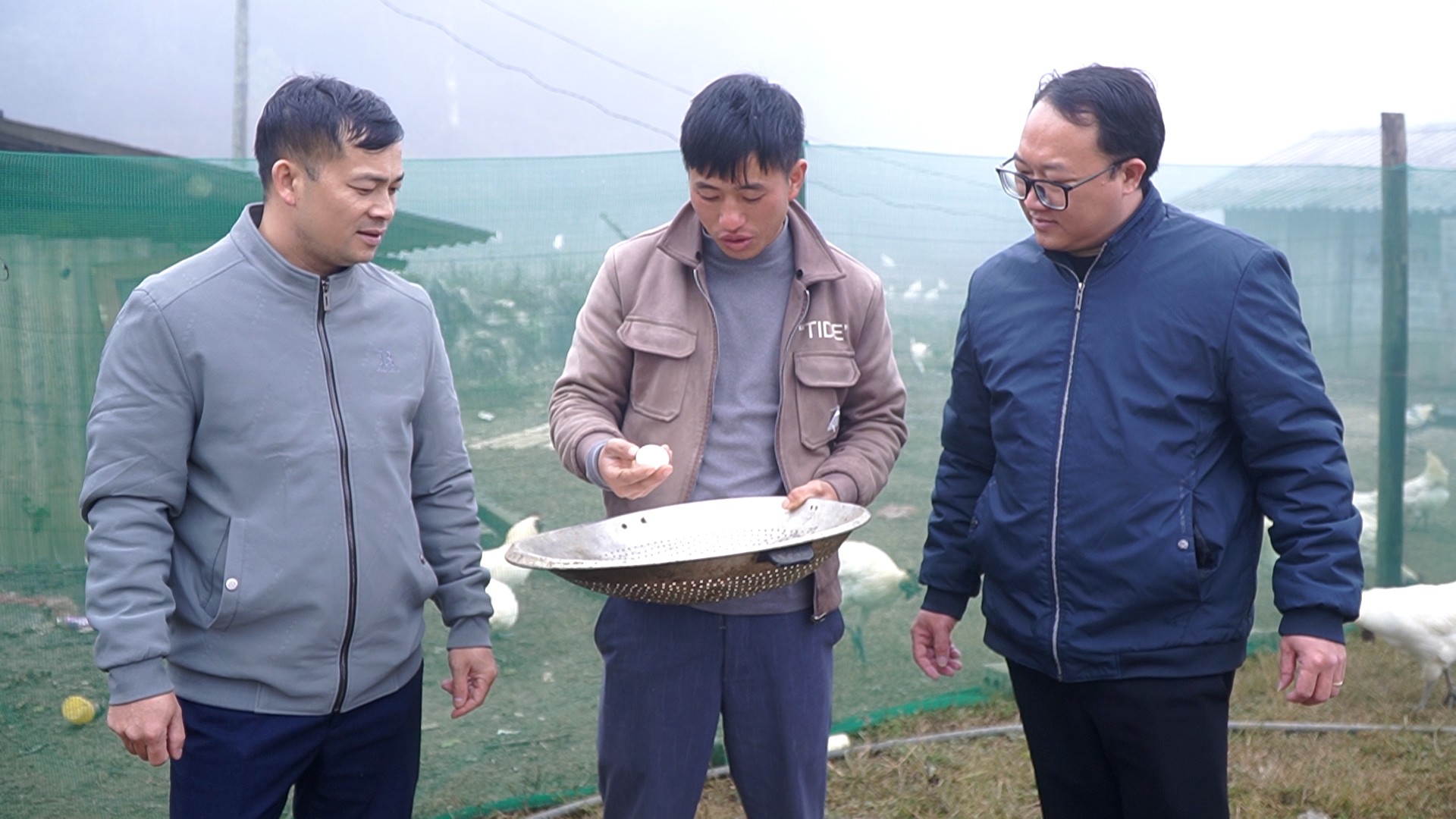
According to Mr. Lo Seo Chan, a villager, thanks to Mr. Cho's initial support of 6 chicks, his family has now expanded their flock to over 30 chickens, creating an additional source of income.
According to Mr. Thào A Lừ, Chairman of the Farmers' Association of Sín Chéng commune, this is an effective economic model that suits local conditions.
"The model of raising black chickens with white feathers by Mr. Cho's family has been more successful than expected. This shows that, with the right direction and the application of science and technology, even in areas with many difficulties, people can still rise up, escape poverty, and even become rich on their own land," Mr. Lu said.
Recognizing the clear effectiveness of the black chicken farming model, the Sin Cheng commune authorities have actively promoted and encouraged people to preserve the breed, while also guiding the expansion of the model.
"In the coming time, the association will advise the commune government to integrate funding from national target programs to support product promotion and replicate the model in 20 villages and hamlets in the area," Mr. Lu added.
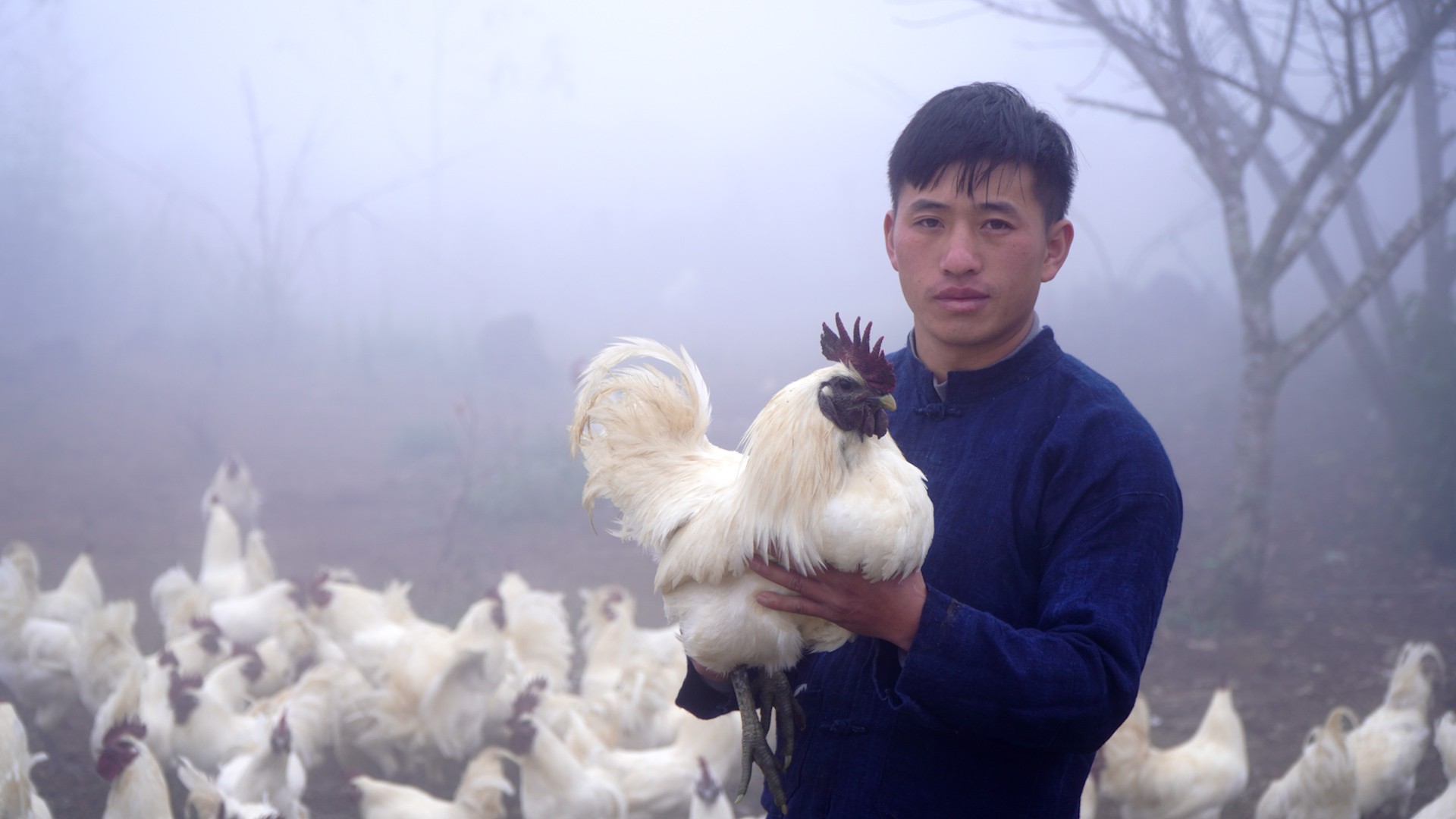
fog.
The story of Lồ Seo Chơ's entrepreneurial journey with his black and white-feathered chickens is not only a quest for survival but also a vivid testament to the daring and innovative spirit of young people in the highlands. By leveraging local advantages and persevering through difficulties, seemingly small products can become the key to sustainable poverty alleviation, contributing to the fulfillment of dreams in the misty Sín Chéng region.
Source: https://baolaocai.vn/viet-tiep-uoc-mo-post890641.html


![[Photo] General Secretary To Lam presides over a meeting with the Editorial Teams to summarize 100 years of the Party's leadership of the Vietnamese revolution and 40 years of implementing the National Construction Program.](https://vphoto.vietnam.vn/thumb/1200x675/vietnam/resource/IMAGE/2026/03/04/1772601288977_a1-bnd-8134-7576-jpg.webp)

































































Comment (0)