


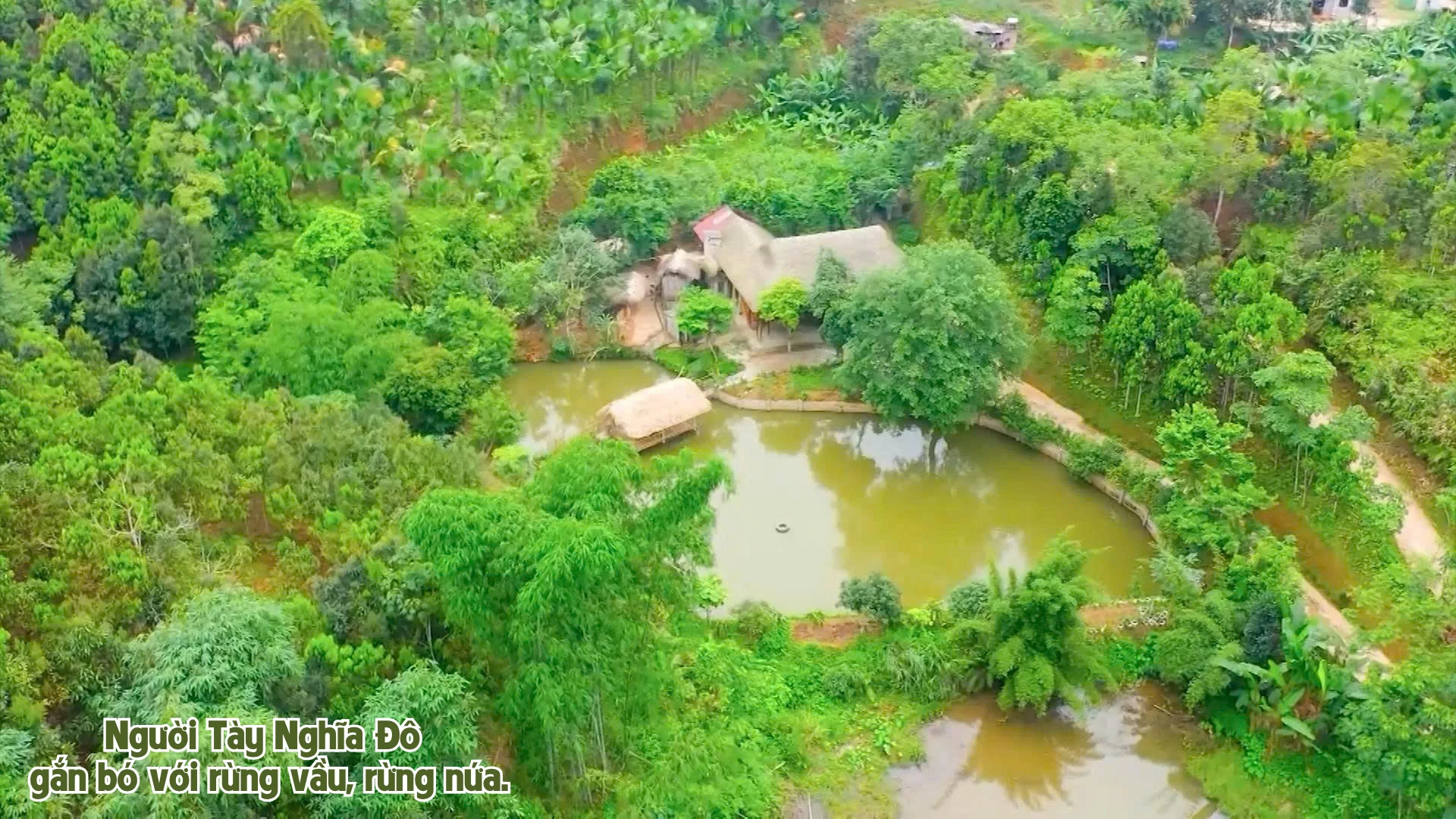
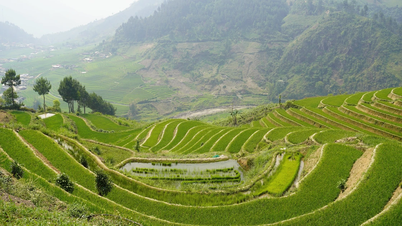
Unlike familiar cooking methods such as boiling, roasting, or grilling, bamboo-cooked duck offers a completely different experience, both rustic and rich in cultural identity. The Tay people in Nghia Do have a close connection with bamboo forests and crystal-clear streams. It is precisely from their practice of farming far from home, spending long days in the fields, that their ancestors created the sophisticated and innovative method of cooking in bamboo tubes.
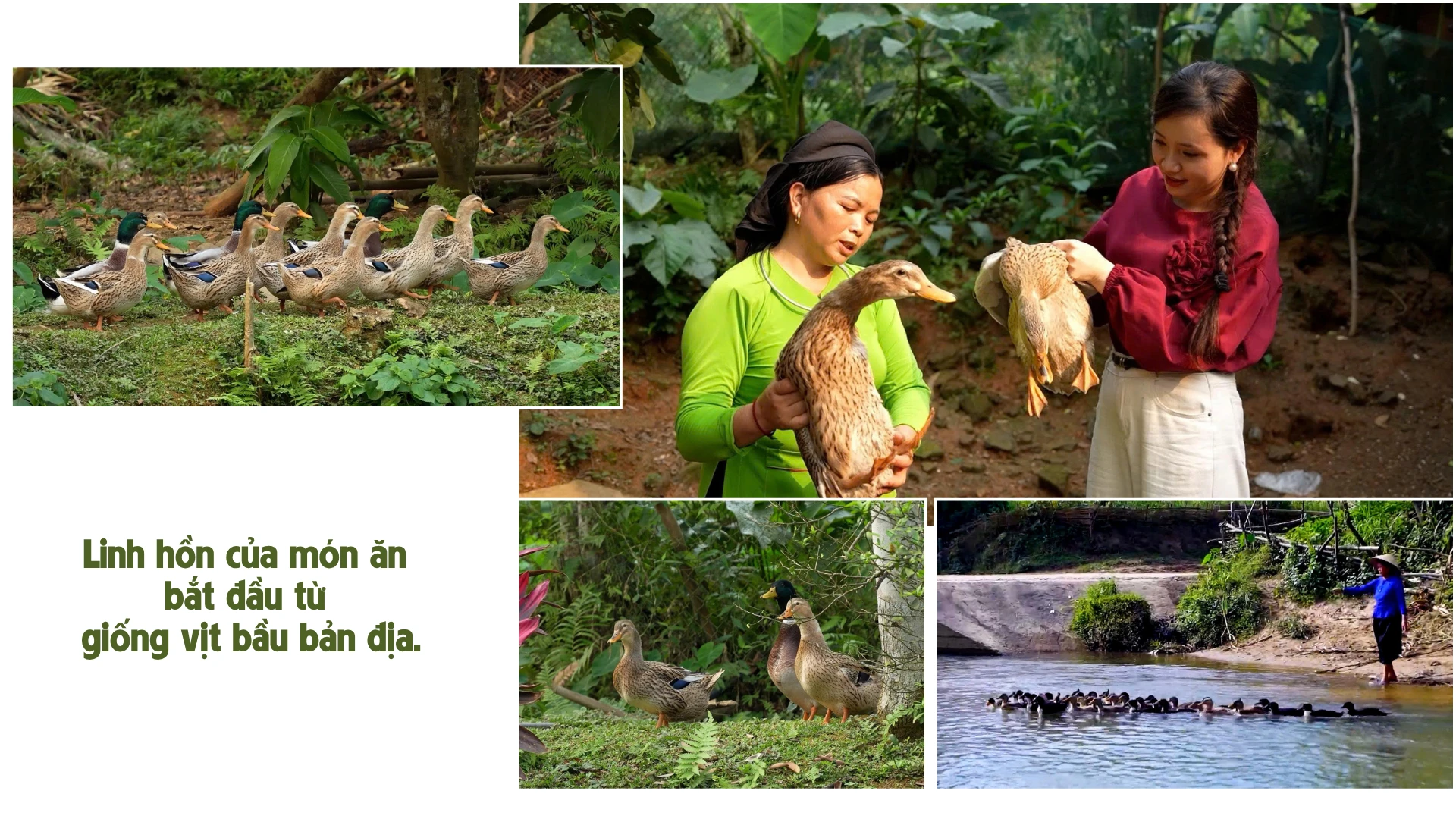
The soul of the dish comes from the native Muscovy duck breed. These are ducks with short necks and small legs, weighing only about 2 kg when fully grown. Thanks to being raised in a free-range environment, frequently swimming and foraging for food along streams and ponds, the duck meat is firm, low in fat, and retains its delicate sweetness and distinctive aroma when cooked.
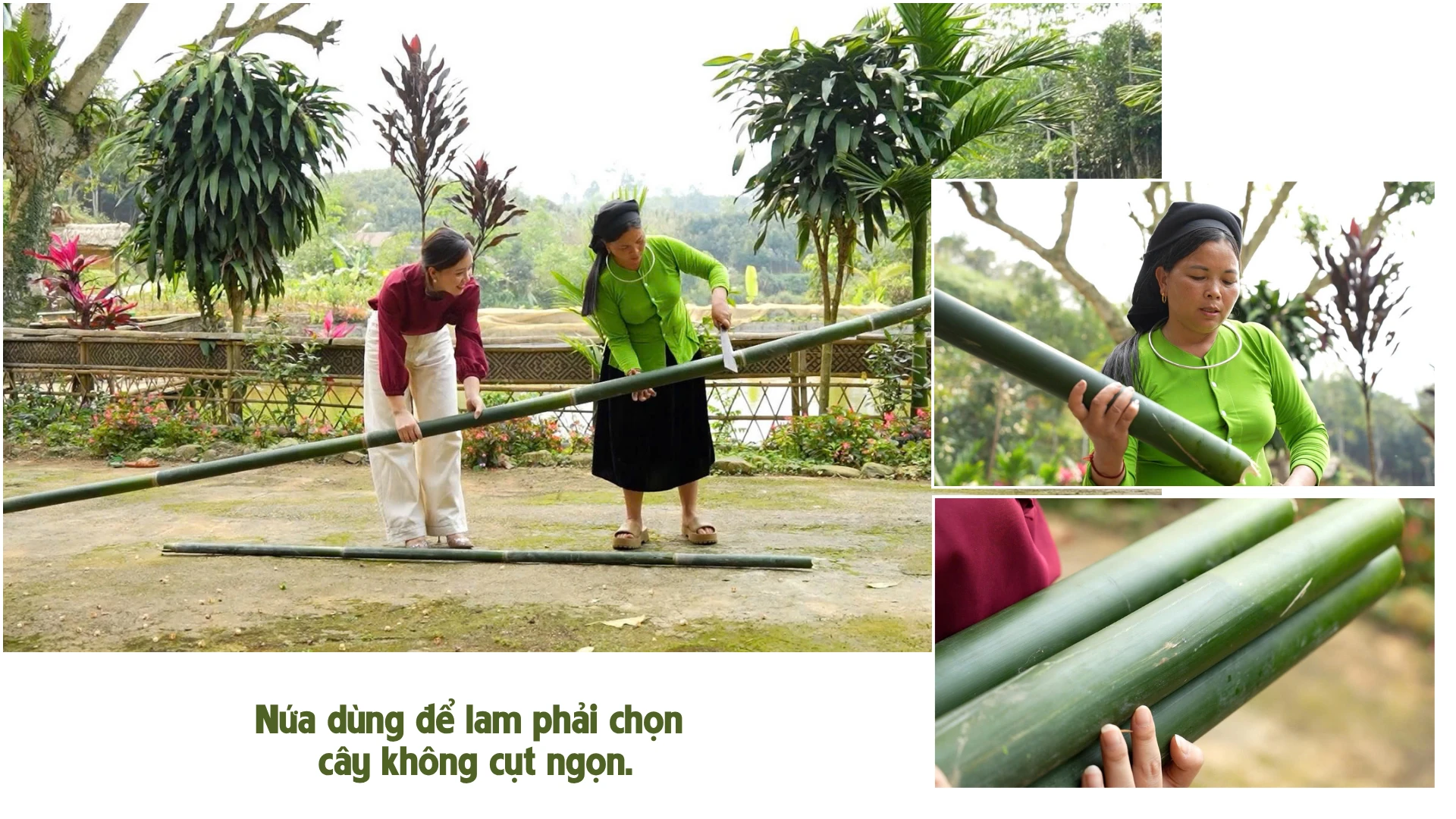
To achieve the perfect lam dish, the selection of bamboo tubes is also a meticulous process. According to the experience of the locals, the bamboo used for lam must not have a broken top, be neither too old nor too young, have a thick inner layer, and still retain its white powdery coating. Only then, when heated, will the aroma from the bamboo tube be released and permeate every fiber of the dish.

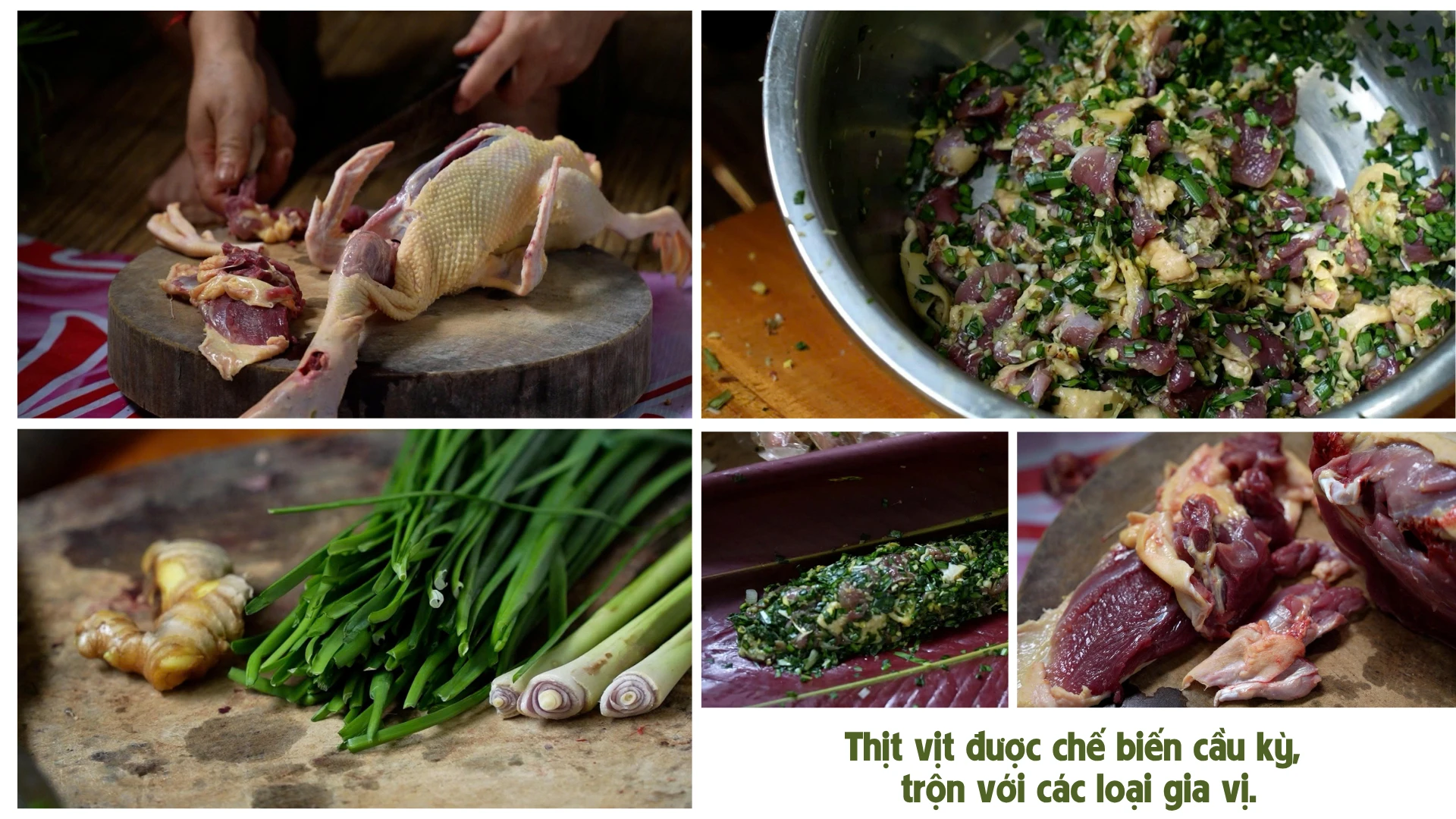
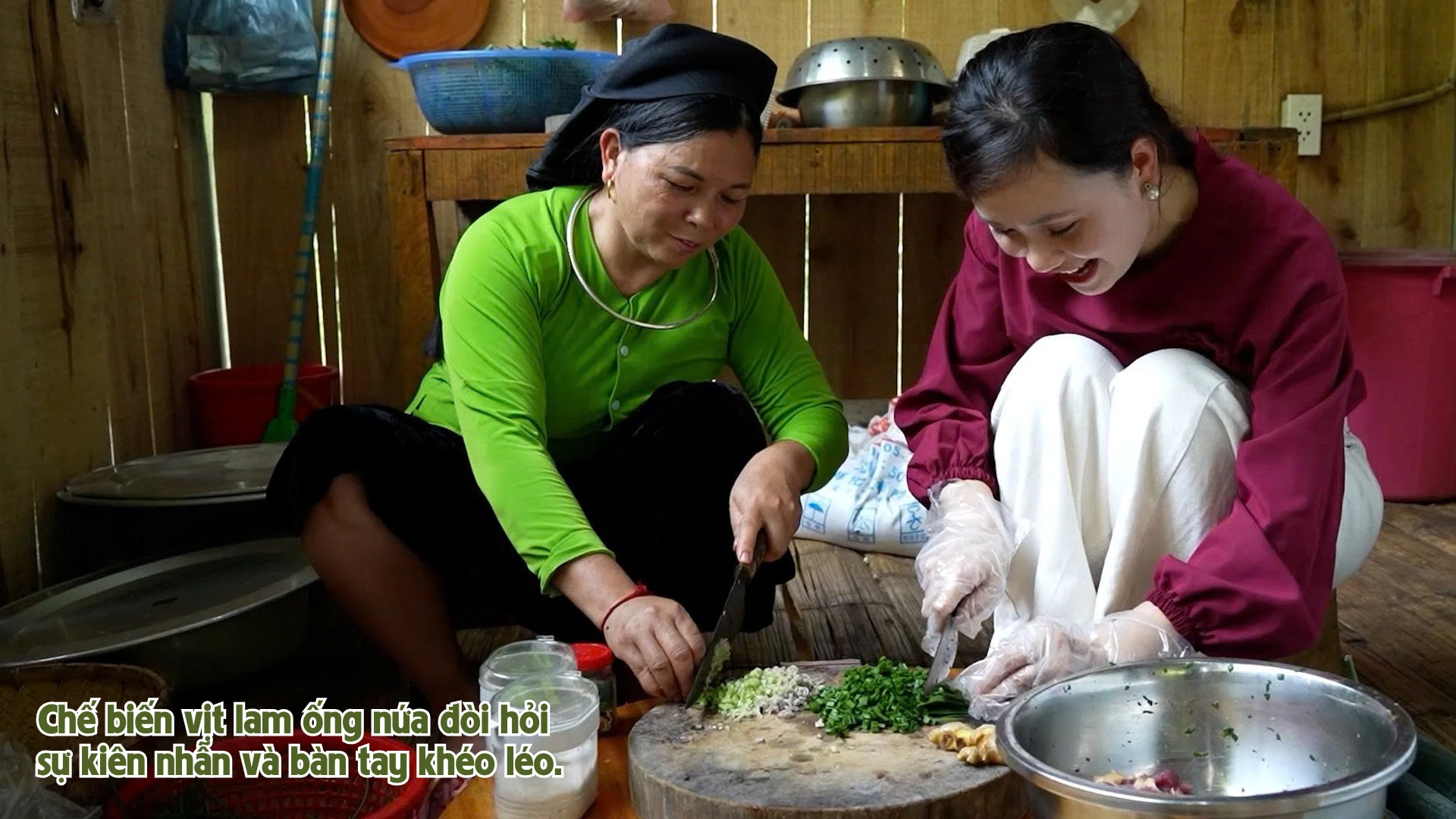
The beauty of the Tay people lies in how they "wrap" the flavors of the mountains and forests inside bamboo tubes. "After cleaning the duck meat, the lean parts are separated, sliced into bite-sized pieces, and then marinated with dổi seeds, wild pepper, ginger, lemongrass, and chives, along with a little MSG and fish sauce for a richer flavor. All the spices are from our home garden and hillsides, finely ground and mixed with the duck meat for about 30 minutes before being arranged in the bamboo tubes for grilling," shared Ms. Ma Thi Dep from Muong Kem village.
The secret to Nghia Do's unique duck lies in its wrapping technique. Instead of placing the duck meat directly into bamboo tubes, it's rolled in a layer of fresh green banana leaves before being placed inside, a little water is added, and then it's sealed with another pile of banana leaves. This method helps the meat retain its juiciness and prevents it from being overly tainted by the kitchen smoke.
The process of cooking meat over an open fire requires patience and skillful hands. Bamboo tubes are placed at an angle on a stone stand, and the fire must be kept at a moderate level—not too strong, not too weak. The cook monitors the fire while regularly rotating the tube to ensure the heat is evenly distributed.
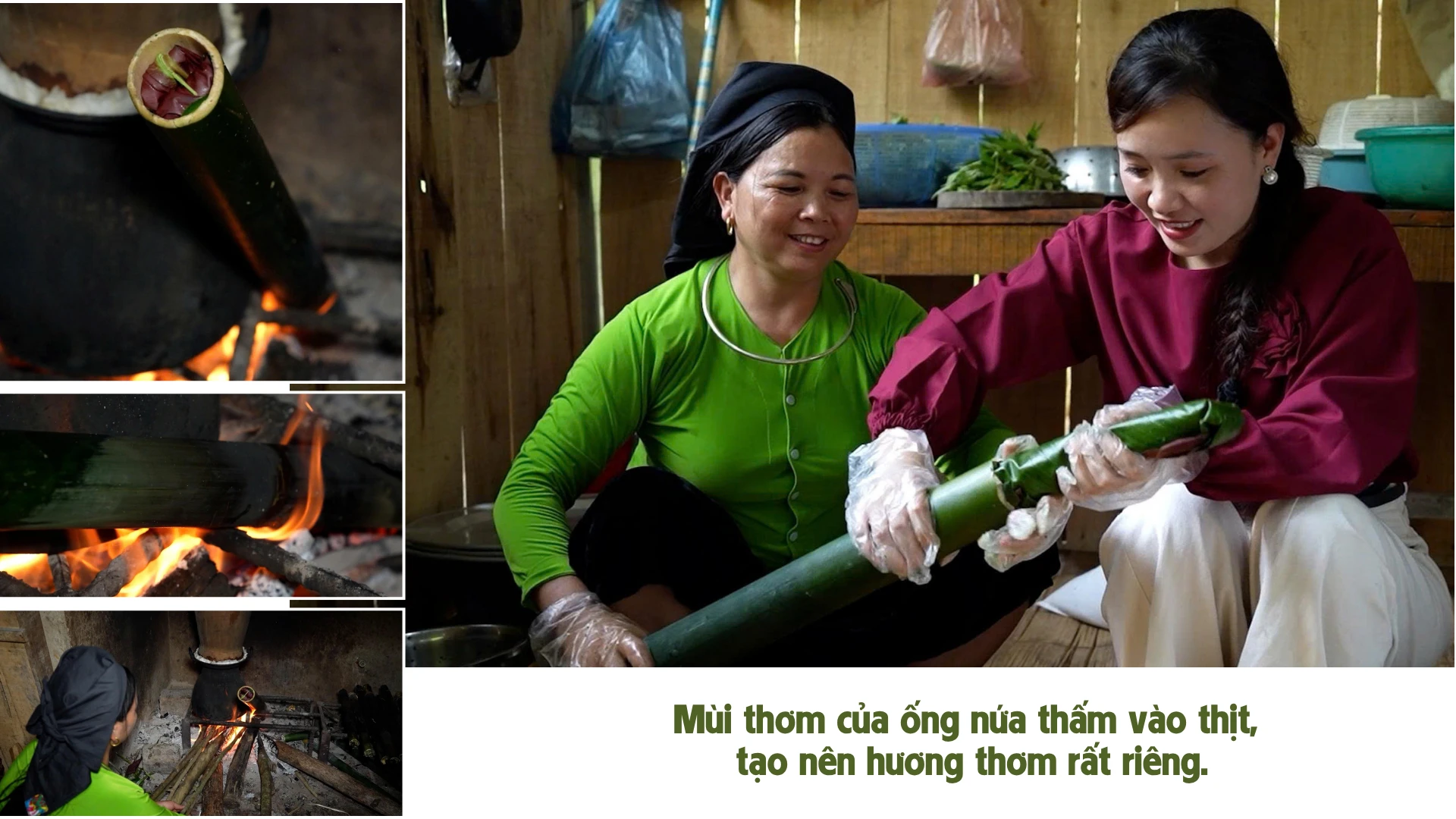
Mr. Hoang Minh Chuan from Na Khuong village shared his secret: “This bamboo tube method is what makes the difference. The bamboo tube retains heat and steam, helping the meat cook evenly from the inside, preventing it from drying out while maintaining its tenderness and sweetness. At the same time, during the grilling process, the aroma of the bamboo tube permeates the meat, creating a very unique fragrance – a flavor that cannot be achieved with modern cooking methods.”

After being roasted for just the right amount of time, the duck is transferred to a plate, a gentle smoke spreading, carrying with it the warm, fragrant aftertaste of herbs. Simple in presentation, the dish embodies a treasure trove of folk knowledge.
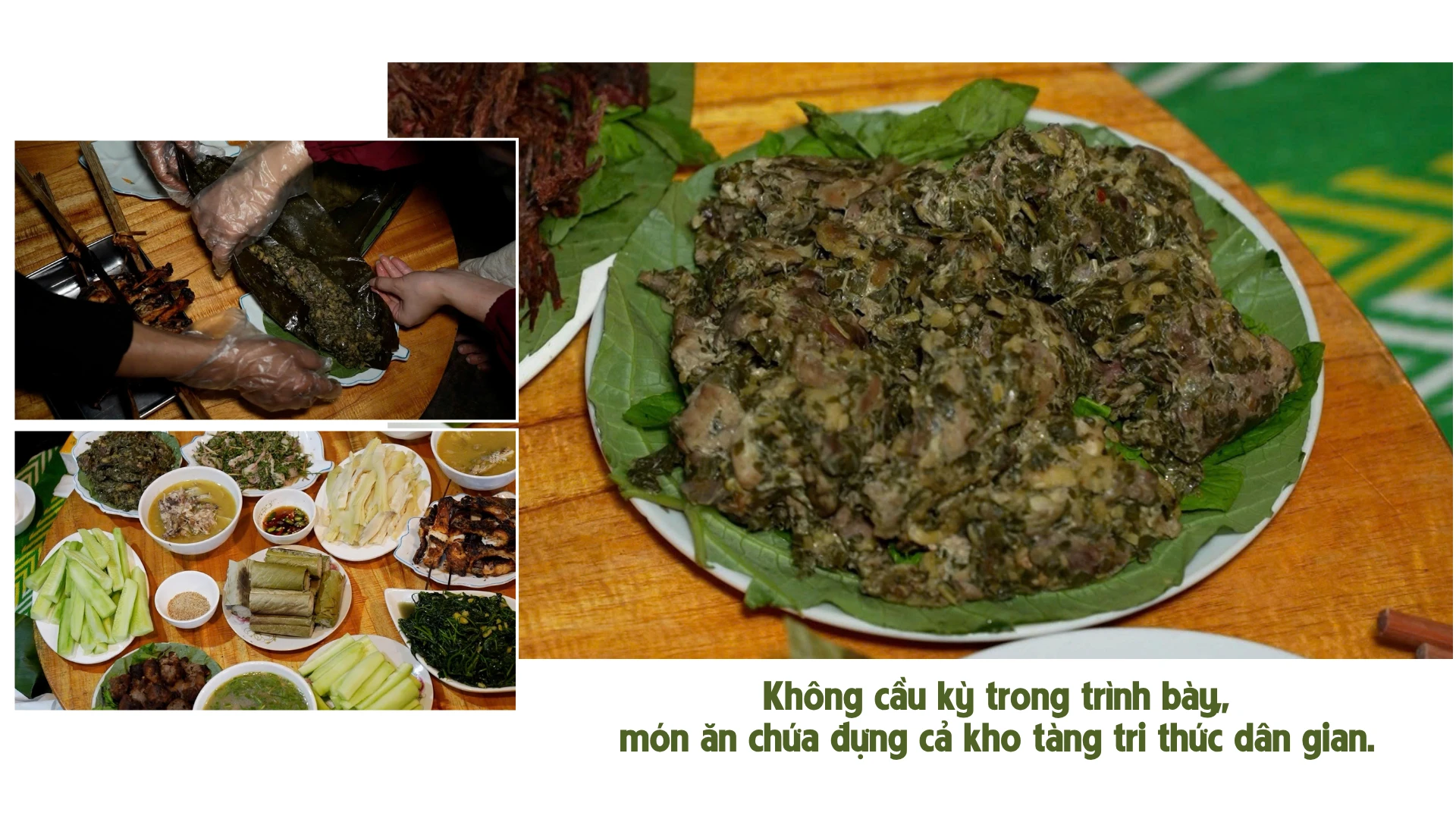
Upon her first visit to Nghia Do, Ms. Pham Thanh Xuan, a tourist from Ho Chi Minh City, enthusiastically expressed: “I am truly impressed with Nghia Do, its peaceful scenery and friendly people. The braised duck dish is especially impressive; the meat is sweet, tender, and has a distinctive aroma of ginger, lemongrass, and dổi seeds. The locals here are so skillful in choosing spices. I will definitely return to this place.”
In 2025, "The folk knowledge of preparing duck cooked in bamboo tubes, grilled fish with two fires, and herbal wine of the Tay people in Nghia Do commune" will be inscribed on the National Intangible Cultural Heritage list. This is the first culinary heritage of Lao Cai to be honored at this level.

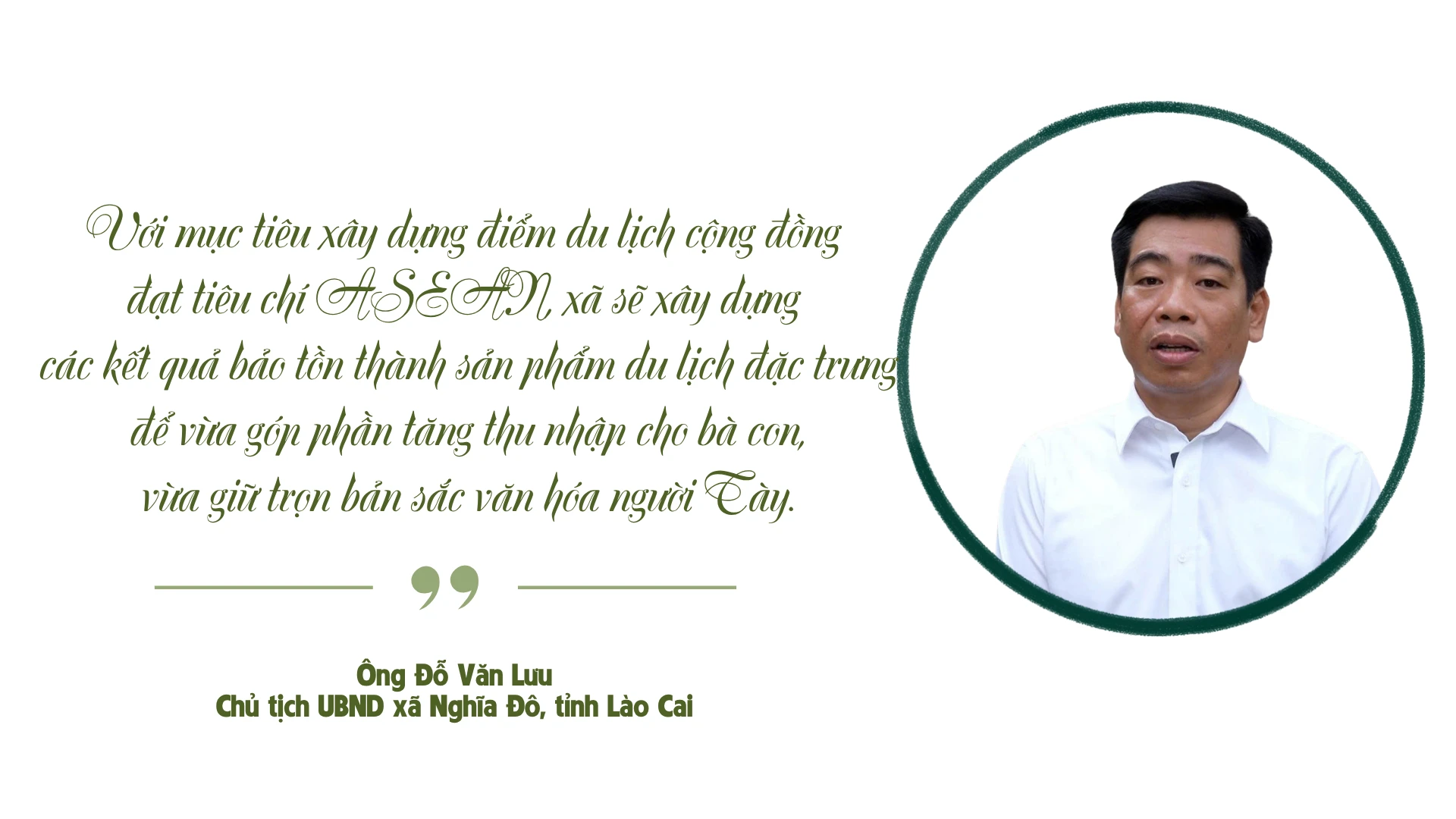
The recognition of this heritage opens up opportunities for preservation linked to community-based tourism development. Chairman of Nghia Do Commune People's Committee, Do Van Luu, affirmed: “This is a great honor and also an important foundation for the development of local tourism. We will continue to promote preservation, incorporating traditional dishes into festivals and culinary competitions.”
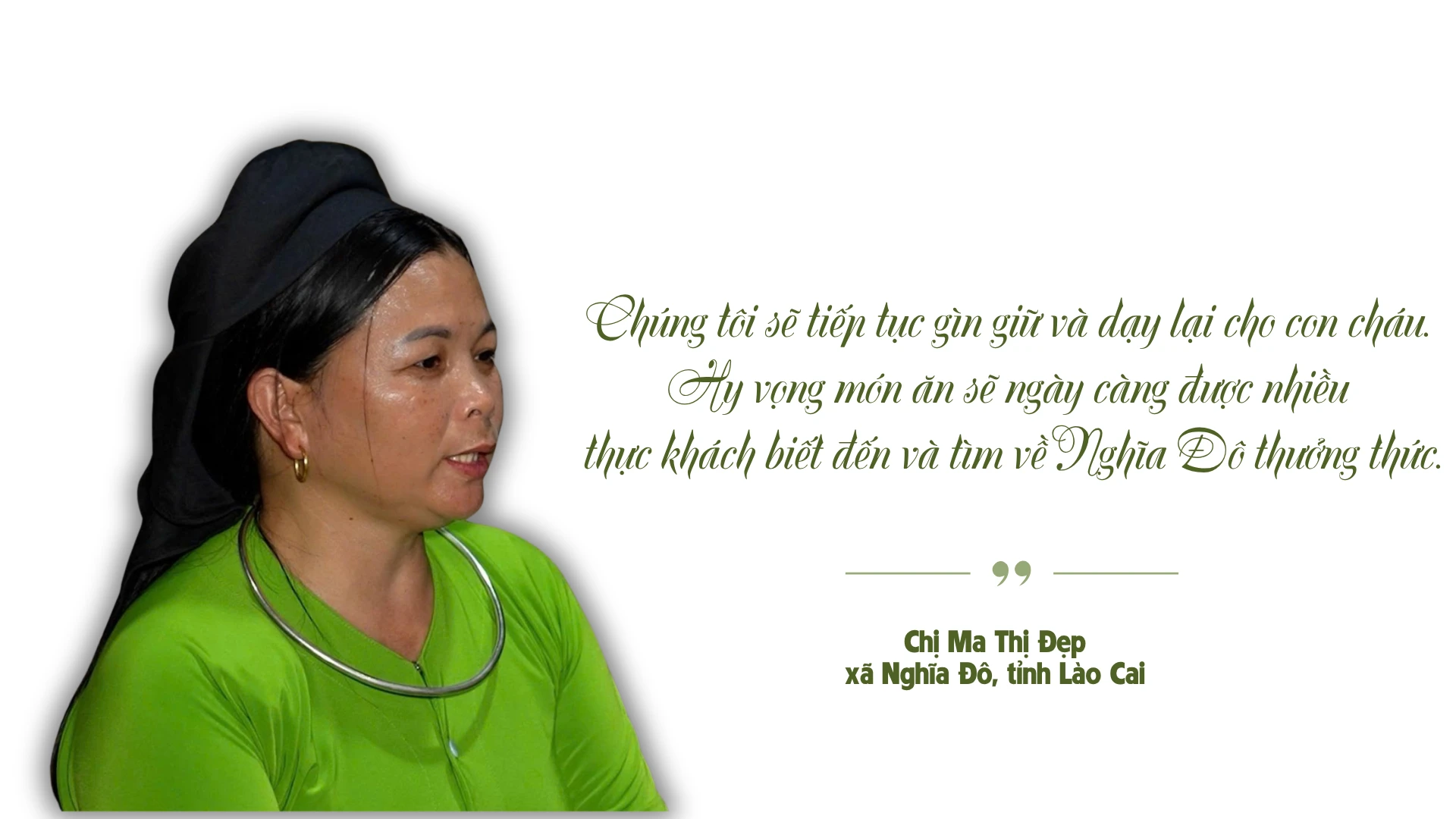
Preserving the dish of duck cooked in bamboo tubes is not just about preserving a recipe, but about preserving the "thread" that connects the past and the present.
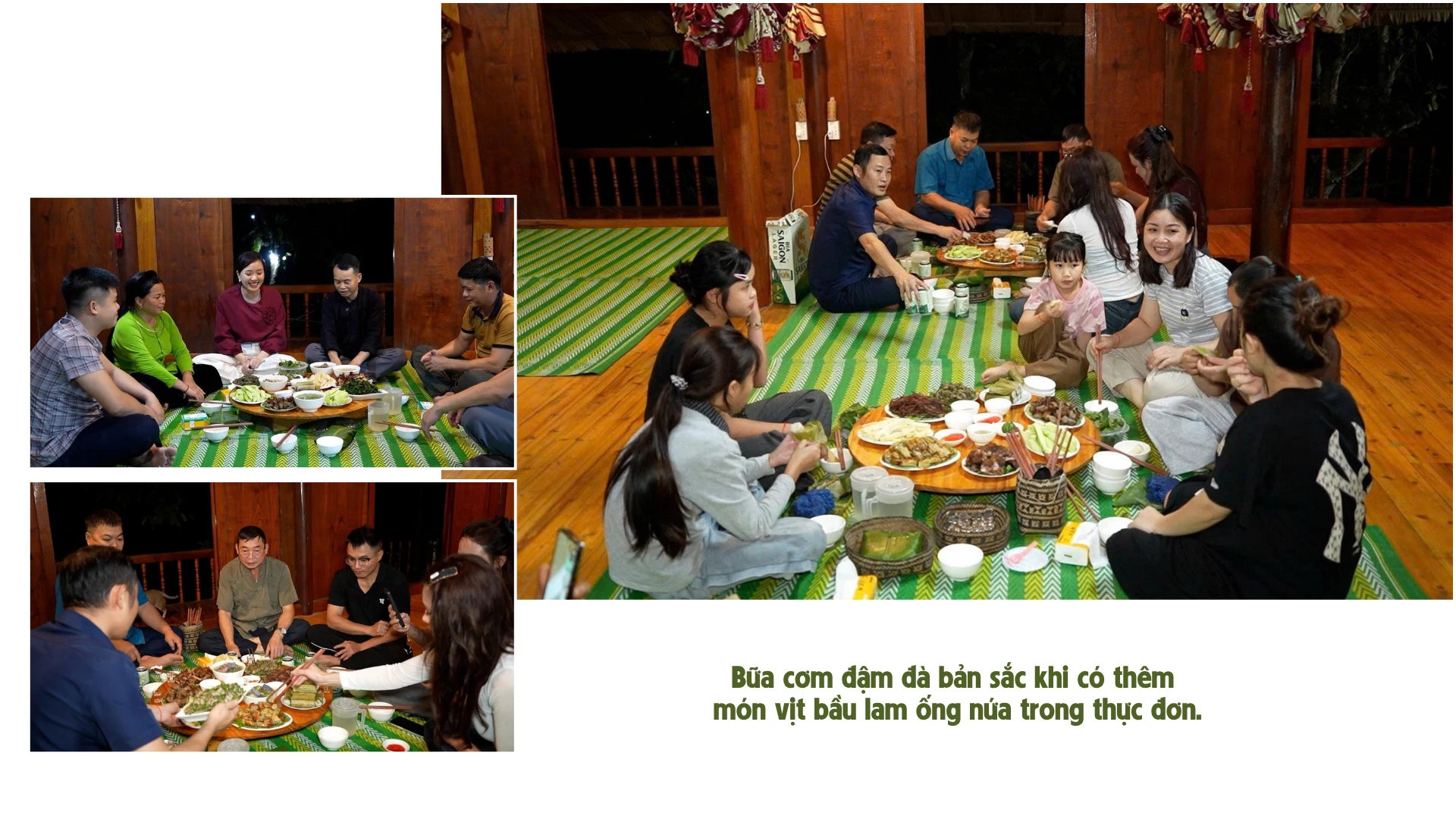
Today, visitors to Nghia Do not only get to enjoy the flavors of the mountains and forests but also get to directly experience the food preparation process with the locals. This combination has created a unique appeal, so that everyone leaves with fond memories of this peaceful countryside and its unforgettable, rustic dishes.
Source: https://baolaocai.vn/vit-lam-ong-nua-dam-da-hon-que-post898101.html




































































Comment (0)