

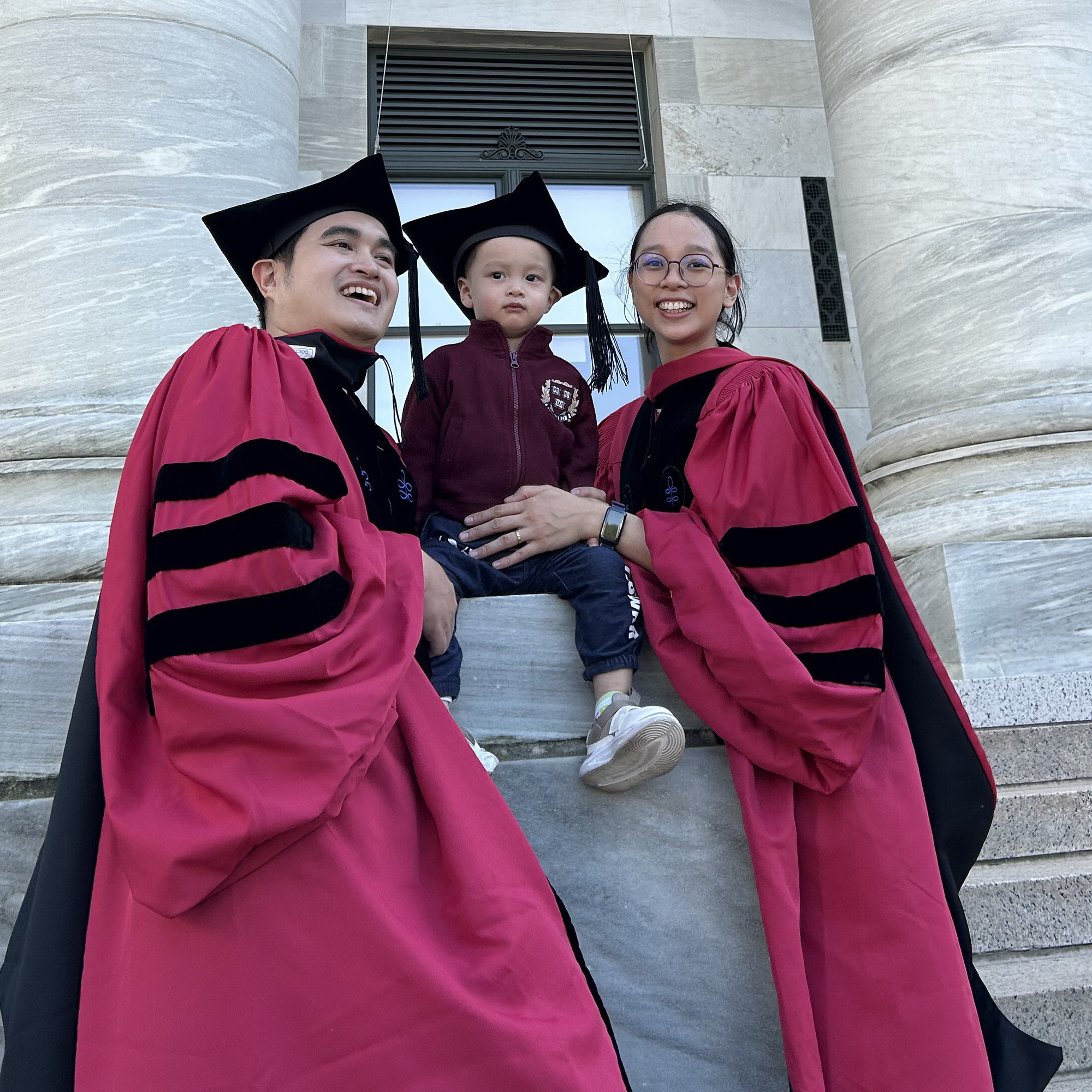
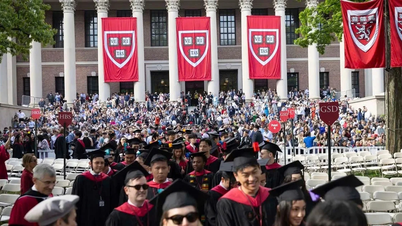
Bui Phuong Linh and Pham Thanh Tung, along with their child, on the day of their PhD graduation from Harvard University (USA) - Photo: Provided by the family.
The two new PhD graduates granted an interview to a reporter from Tuoi Tre newspaper.
Research on nutrition and cancer
* Could you share more about your research during your time as PhD students at Harvard?
- Phuong Linh: My topic is to develop a nutritional scale so that each person can see whether they are eating in a way that is good for their health and the environment.
For example, beef is a nutritious food, rich in iron, but eating too much beef can increase the risk of colorectal cancer. Environmentally, raising a cow often takes up to a year, consumes a lot of grass and water, and its manure releases a lot of greenhouse gases...
Meanwhile, chicken meat is also a nutritious food but contains fewer substances that may cause cancer, and a chicken can be slaughtered for meat in just 2-3 months.
The scale will help users understand which foods, and in what quantities, are both good for their health and minimize environmental impact.
- Thanh Tung: People born into families with a history of colorectal cancer have a 1.5 to 2 times higher risk of developing the disease. Many patients wonder if it's possible for their children to "eliminate" this high risk.
My research focused on the above question, and the results found that if a person in their family has a history of colorectal cancer, but they maintain a healthy lifestyle, a proper diet, and a healthy weight, their risk of developing the disease will return to normal after about 30 years.
* What are the biggest challenges you both face in completing your doctoral program at Harvard, one of the most prestigious universities in the world?
- Phuong Linh: I think the most difficult thing was the COVID-19 pandemic. At the end of 2019, after completing my first semester of my PhD program, the COVID-19 pandemic spread rapidly in the US at the beginning of 2020. So, starting from the second semester of my first year, the university switched entirely to online learning, and maintained online learning throughout the entire second year. Online learning was very depressing.
Around the time we were able to get vaccinated in the US, an outbreak occurred in Vietnam. We couldn't return home for three years, and we were very worried about our family. The COVID-19 pandemic made things even more challenging for both of us, for our families, and perhaps for our classmates and the school as well.
- Thanh Tung: The COVID-19 pandemic disrupted many plans we had for our PhD studies. Initially, we planned to return to Vietnam to collect data for several parts of the research.
However, generally speaking, the real challenge for me was figuring out how to get into the program. For master's and doctoral programs, I didn't get accepted on my first attempt, but I did on my second. Once I was accepted, the programs all provided excellent support for students.
* You two are both students at Hanoi Medical University, pursuing your master's degrees at Johns Hopkins University, and your doctorates at Harvard. It seems you've always been there for each other on your journeys?
- Phuong Linh: People often think that we "have to go together," but that's not the case. We still prioritize our individual academic paths.
The most important thing is compatibility. For example, if one person gets accepted into Johns Hopkins or Harvard University but the other doesn't, there's no reason to refuse the scholarship because these are top universities with fields we're pursuing.
But luckily, the places we wanted to study and the scholarships we received were all in the same area. That way, we could support each other even more.
Tung is good at coding, math, and statistics, so he helps me a lot. We also often discuss academic and research topics.
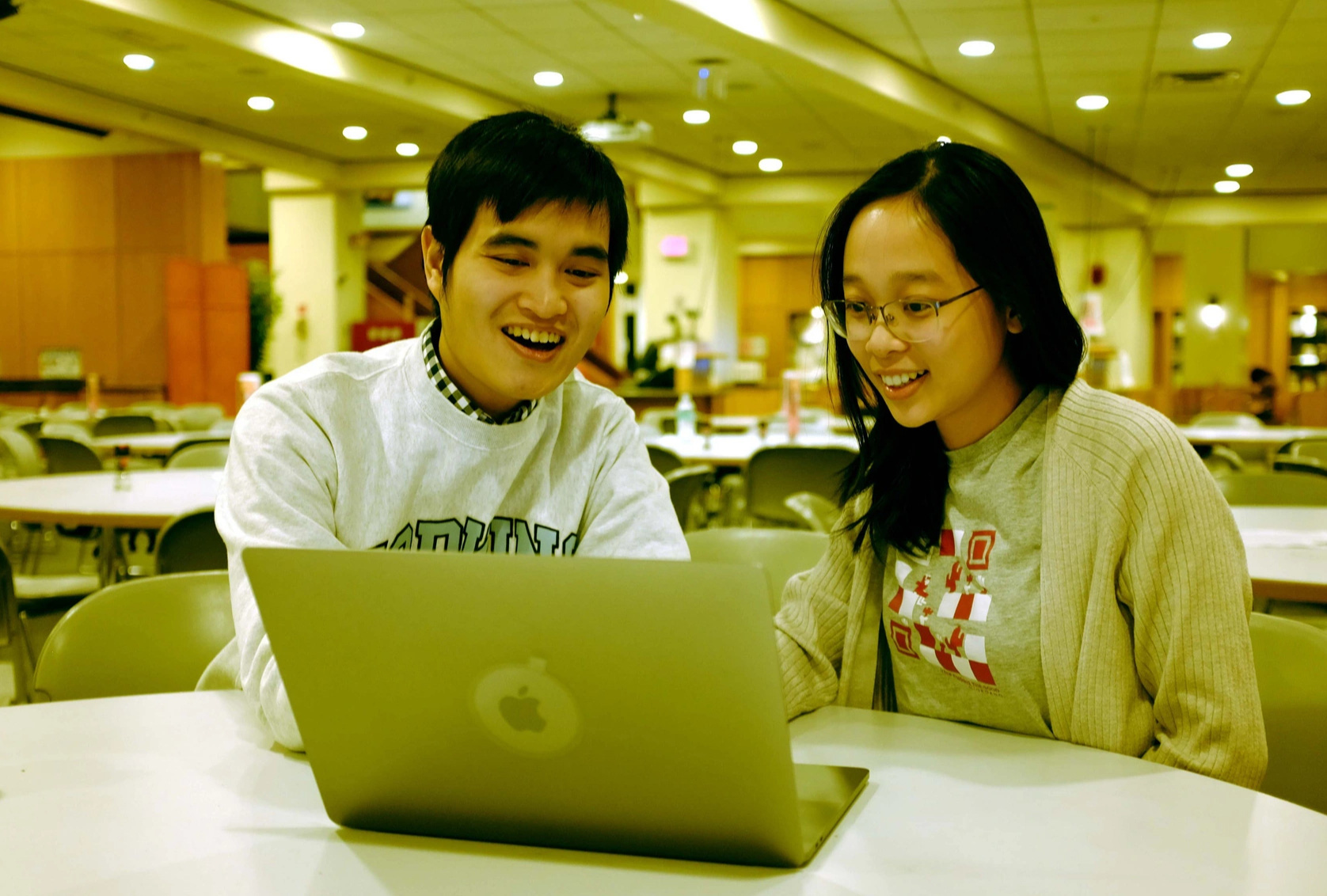
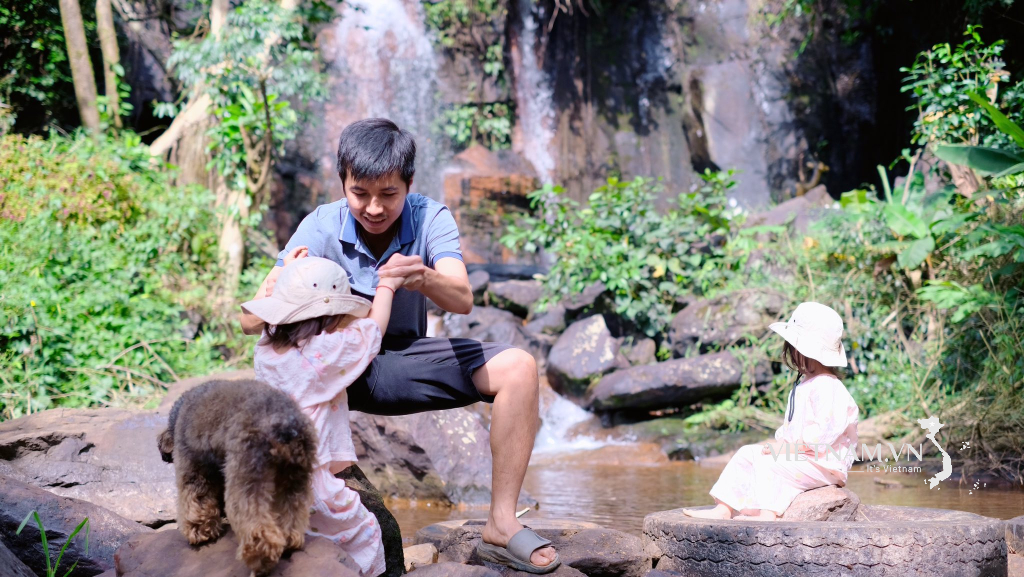
The couple Bui Phuong Linh and Pham Thanh Tung - Photo: Provided by the interviewee
Support for Vietnamese students
* Despite your busy schedules, you still dedicate a lot of time to community projects and supporting Vietnamese students?
- Phuong Linh: After completing our master's program at Johns Hopkins University, we found the curriculum and teaching methods there to be excellent. Students don't need to be exceptionally brilliant to understand the material.
Meanwhile, in Vietnam, medical students are very intelligent, on par with those in other countries. We believe we can bring the in-depth knowledge we have learned to share with Vietnamese students.
In 2018, the REACH project was launched, starting with a grant for former American students in Vietnam. The project organizes online and offline classes and provides microgrants to students who are developing community projects.
After 2019, we personally funded each student project with 20 million VND. Each year, we support two projects – not many, but because we can provide feedback on ideas and methods to improve quality.
- Thanh Tung: Sometimes, students really need initial support so that they can conduct their first research, publish their first papers, achieve their first results, and take the first steps on their career path. We, too, used to really want a mentor to receive feedback and guidance.
We also received a $500 microgrant while we were students to start our research journey. Now, we want to be able to mentor you in return. Each year, our programs are conducted across all three regions of Vietnam, and we often prioritize students in disadvantaged areas.
* We understand that you two have just completed your PhD studies and are also planning to have a baby. Balancing both of these goals must have been quite challenging for you?
- Phuong Linh: We feel very lucky and have received a lot of help. When the baby was born (2022), both my husband and I were given three months off from school. This coincided with the school's summer break, so it didn't affect our studies or research. A few weeks after the birth, my husband and I decided to bring the baby back to Vietnam. The baby was well-behaved and cooperative throughout the flight.
After my maternity leave, I was able to return to research. Every night, about 30 minutes after my baby fell asleep, I would get up to analyze data and code on my computer... Fortunately, I had completed most of the parts that required in-person work in the US, and I could work remotely on the final parts of the research from Vietnam.
Evening in Vietnam is morning in the US, so it's convenient to attend online meetings with professors or participate in remote teaching assistance. In this program, we will be teaching assistance for 10 semesters.
- Thanh Tung: Giving birth during the COVID-19 pandemic has many limitations, such as hospitals restricting entry and exit, and travel is a bit more difficult than usual.
Because we decided to bring the baby back to Vietnam early, we had to rush to get the birth certificate and passport, while also packing and moving house... During that time, we practically had to put everything else aside and focus entirely on our child.
Serving the Vietnamese people
* What are your plans for the future?
- Thanh Tung: We have returned to Vietnam and have long-term plans to build a strong research group on non-communicable diseases to serve the Vietnamese people. We are also very interested in training, because we believe that much of the knowledge Vietnamese people possess can be taught to other Vietnamese people right here in Vietnam. It's not necessary, and not everyone has the opportunity to study abroad or receive medical scholarships.
Dr. Pham Thanh Tung graduated with a medical degree from Hanoi Medical University in 2015 and completed his Master of Public Health program at Johns Hopkins University in 2017 with a full scholarship from the Vietnam Education Foundation (VEF) and Johns Hopkins University. He is currently a lecturer in the Physiology Department at Hanoi Medical University and an adjunct lecturer at VinUni University.
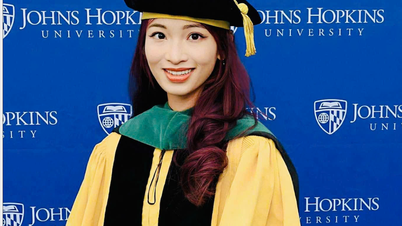
Dr. Bui Phuong Linh graduated with a general medical degree from Hanoi Medical University (2015) and completed her Master of Public Health program at Johns Hopkins University in 2017 with a full scholarship from VEF and Johns Hopkins University.
Currently, she continues to work with the research team at HSPH on global sustainable nutrition and is an adjunct lecturer at VinUni University.
Source: https://tuoitre.vn/vo-chong-cung-la-tien-si-harvard-20240602095826533.htm
![[Photo] National Assembly Chairman Tran Thanh Man attends the policy seminar to promote Vietnam-Türkiye cooperation.](https://vphoto.vietnam.vn/thumb/1200x675/vietnam/resource/IMAGE/2026/04/16/1776351415367_vna-potal-chu-tich-quoc-hoi-tran-thanh-man-du-toa-dam-chinh-sach-thuc-day-hop-tac-viet-nam-tho-nhi-ky-8705791-jpg.webp)












![[Image] Bridges and roads connecting the eastern part of Ho Chi Minh City](https://vphoto.vietnam.vn/thumb/1200x675/vietnam/resource/IMAGE/2026/04/16/1776328595108_ndo_br_bh-vt5-jpg.webp)





















![[Infographic] Details of the Hanoi-Quang Ninh High-Speed Railway Project](https://vphoto.vietnam.vn/thumb/402x226/vietnam/resource/IMAGE/2026/04/16/1776338188424_anh-man-hinh-2026-04-16-luc-18-16-10.png)
![[Photo] National Assembly Chairman Tran Thanh Man meets with the Speaker of the Georgian Parliament](https://vphoto.vietnam.vn/thumb/402x226/vietnam/resource/IMAGE/2026/04/16/1776338494029_anh-man-hinh-2026-04-16-luc-18-21-21.png)











Comment (0)