

The capital city has fallen.
On the French side, at the end of May 1885, General De Courcy was appointed Governor-General of Political and Military Affairs in Northern and Central Vietnam. On July 2, 1885, De Courcy arrived in Hue, bringing with him a battalion of African soldiers and outrageous demands such as requiring the Southern court to order the scholars and people to completely submit to the protectorate regime, and stipulating that when the delegation entered the Imperial Citadel, King Ham Nghi must personally descend from his throne to greet them. He also demanded that all members of the French delegation be allowed to enter the Imperial Citadel through the Ngo Mon Gate. The arrogance of the French side angered the pro-war faction, who decided to strike first.
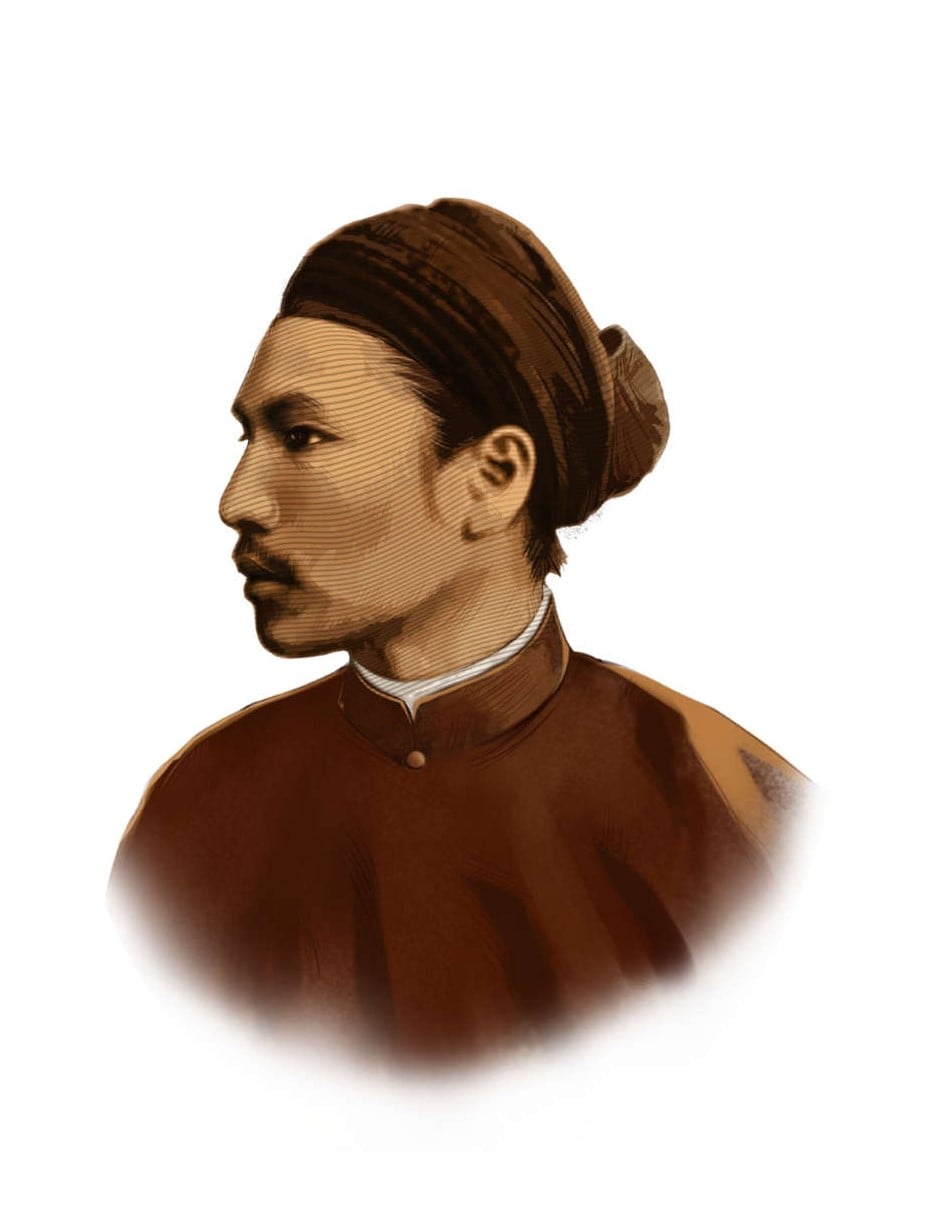
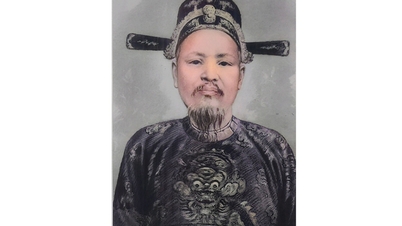
King Hàm Nghi
PHOTO: ARCHIVE
At approximately 1:00 AM on July 5, 1885 (corresponding to May 23rd of the Year of the Rooster), under the orders of Ton That Thuyet, the leader of the pro-war faction in the imperial court, a simultaneous attack was launched on French strongholds in Hue , including the Mang Ca fort and the Residency. Imperial troops, deployed in multiple columns under the command of generals such as Tran Xuan Soan and Ton That Le, used artillery fire to support the relentless assault on enemy positions. The objective was to annihilate the French forces stationed there, paving the way for a general counterattack and protecting the imperial court from General De Courcy's plot to capture King Ham Nghi. Although the Vietnamese forces launched a major surprise attack, causing initial damage and disarray in the French camp, the overwhelming disparity in forces, rudimentary weapons, and ineffective communication allowed the French to quickly stabilize their formations and launch a powerful counterattack, resulting in a heavy defeat for the imperial army.
Realizing the perilous situation, Nguyen Van Tuong ordered the king to leave the palace. General Ho Van Hien escorted the royal family to the Southwest Gate, heading towards Tan So. An unprecedentedly brutal massacre ensued: More than 1,500 civilians and soldiers fell that night, either from French bullets or from being trampled in the stampede as they tried to escape the capital. Almost every family in Hue suffered casualties during this night of rebellion.
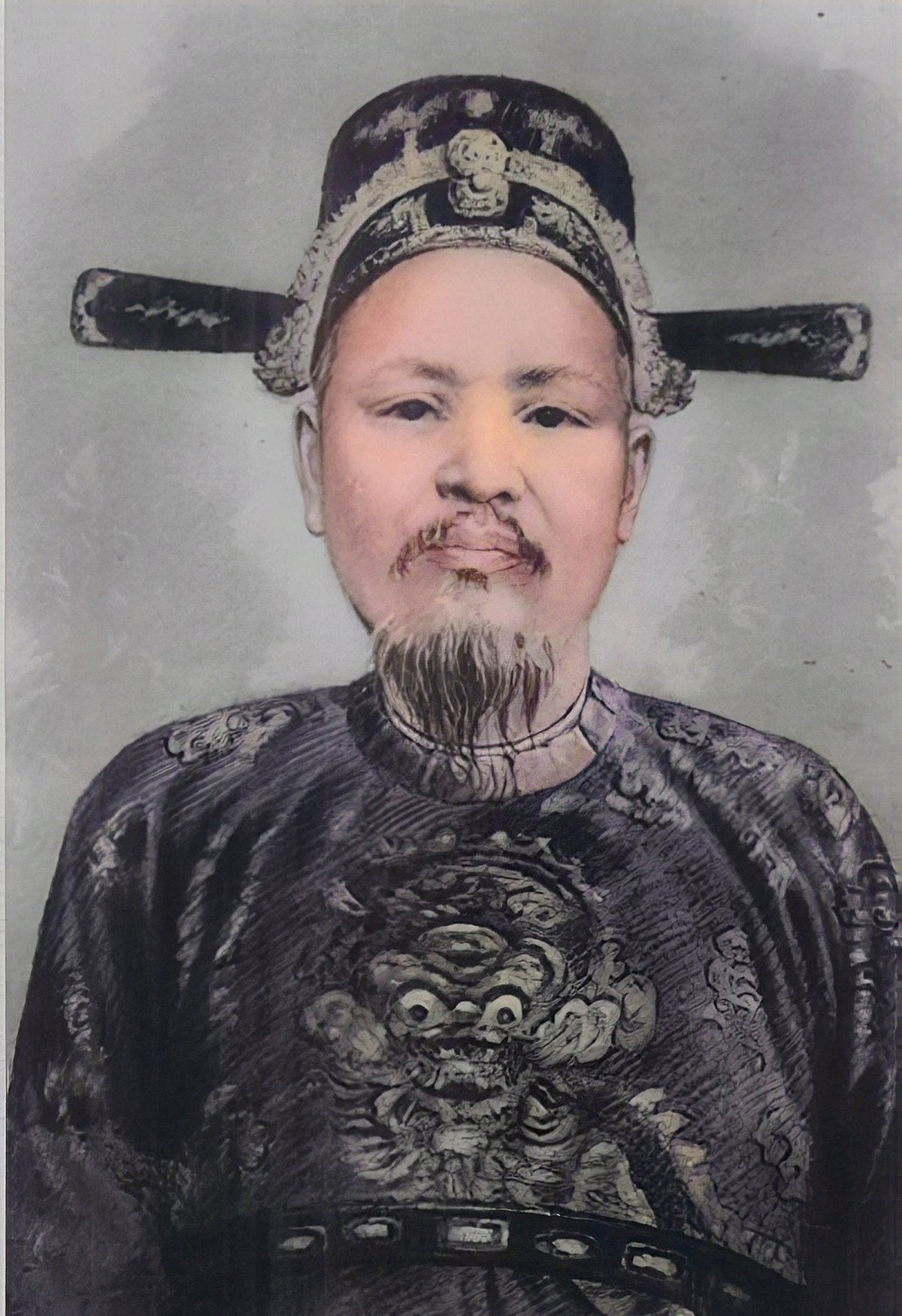
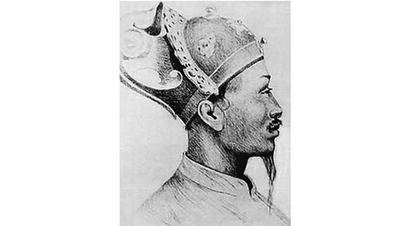
Regent Minister Ton That Thuyet
PHOTO: ARCHIVE
On the morning of the 23rd day of the 5th lunar month, King Hàm Nghi withdrew from Huế, escorted by Tôn Thất Thuyết to Tân Sở. Nguyễn Văn Tường was ordered to stay behind to arrange everything, but he was placed under house arrest by the French at the Thương Bạc Viện and forced to send a petition to Quảng Trị requesting the return of the Three Royal Consorts to the capital.
Since then, the 23rd day of the 5th lunar month has become a major annual commemoration day for the people of Hue. In 1894, the Ministry of Rites built the Altar of the Departed Souls in front of the Imperial Citadel, near the Quang Duc Gate, to offer sacrifices to the souls of the victims. The Altar of the Departed Souls no longer exists, but within the Hue Citadel (at the intersection of Mai Thuc Loan and Le Thanh Ton streets), there remains the Temple of the Departed Souls, a testament to a tragic chapter in the country's history.
In his eulogy for the wandering souls on May 23rd in Hue, Phan Boi Chau described the plight of the people amidst the gunfire, a truly heartbreaking scene:
"Children crying for their mothers, wives calling for their husbands—before the cries even ceased, bones were already piled high!"
What a tragedy for those men in hammocks, suddenly struck by lightning, their lives cut short.
How pitiful for the babies in their cradles, how could they have fallen, dying with their bellies facing upwards.
"A crowd of young helping the elderly, grandfathers carrying their grandchildren, their legs still moving, their heads severed from their shoulders!"
The Royal Edict of Resistance against the French
On July 10, 1885, the convoy escorting King Hàm Nghi arrived in Tân Sở. On July 11, 1885, King Hàm Nghi received a letter from Huế proposing that he return to his throne, but the king and Tôn Thất Thuyết refused, determined to wage resistance to reclaim the country.
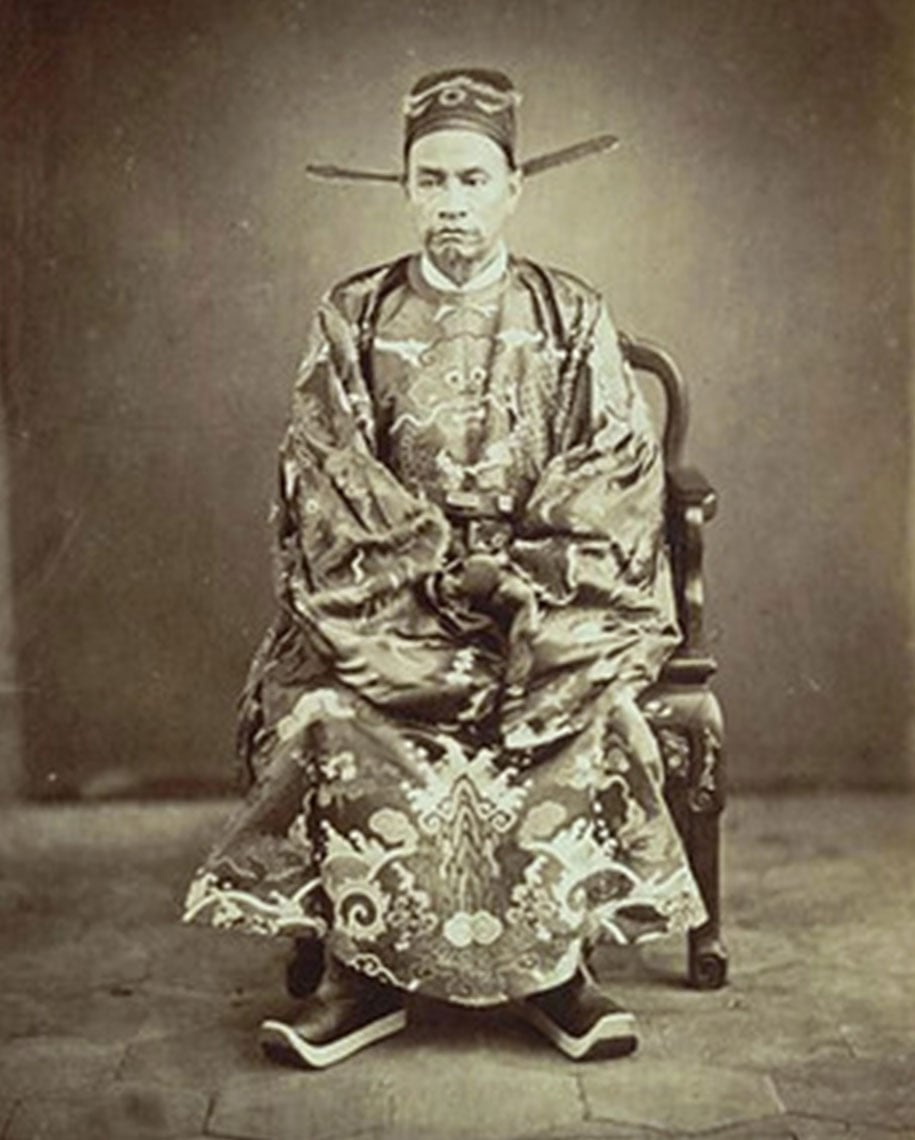
Regent Minister Nguyen Van Tuong
PHOTO: ARCHIVE
On July 13, 1885, Regent Ton That Thuyet, on behalf of King Ham Nghi, issued the "Can Vuong" (Support the King) decree, calling on the people of all three regions to rise up against the invading French army. "...My virtue is meager; faced with this calamity, I cannot fully defend the capital, allowing it to be besieged, forcing the Empress to flee in her carriage. The fault lies entirely with me, and I am deeply ashamed. But due to the principles of public life, all officials and ministers, regardless of rank, will surely not abandon me. The wise will offer counsel, the brave will offer strength, and the wealthy will contribute resources to support the army. Together, united, undeterred by hardship, we will do everything possible to save the day, overcome difficulties, and help in times of need, all with utmost dedication..." (Quoted from: Trinh Duong - Can Vuong Decree: The Pinnacle of Patriotic Tradition . Documents of the Vietnam National Historical Museum)
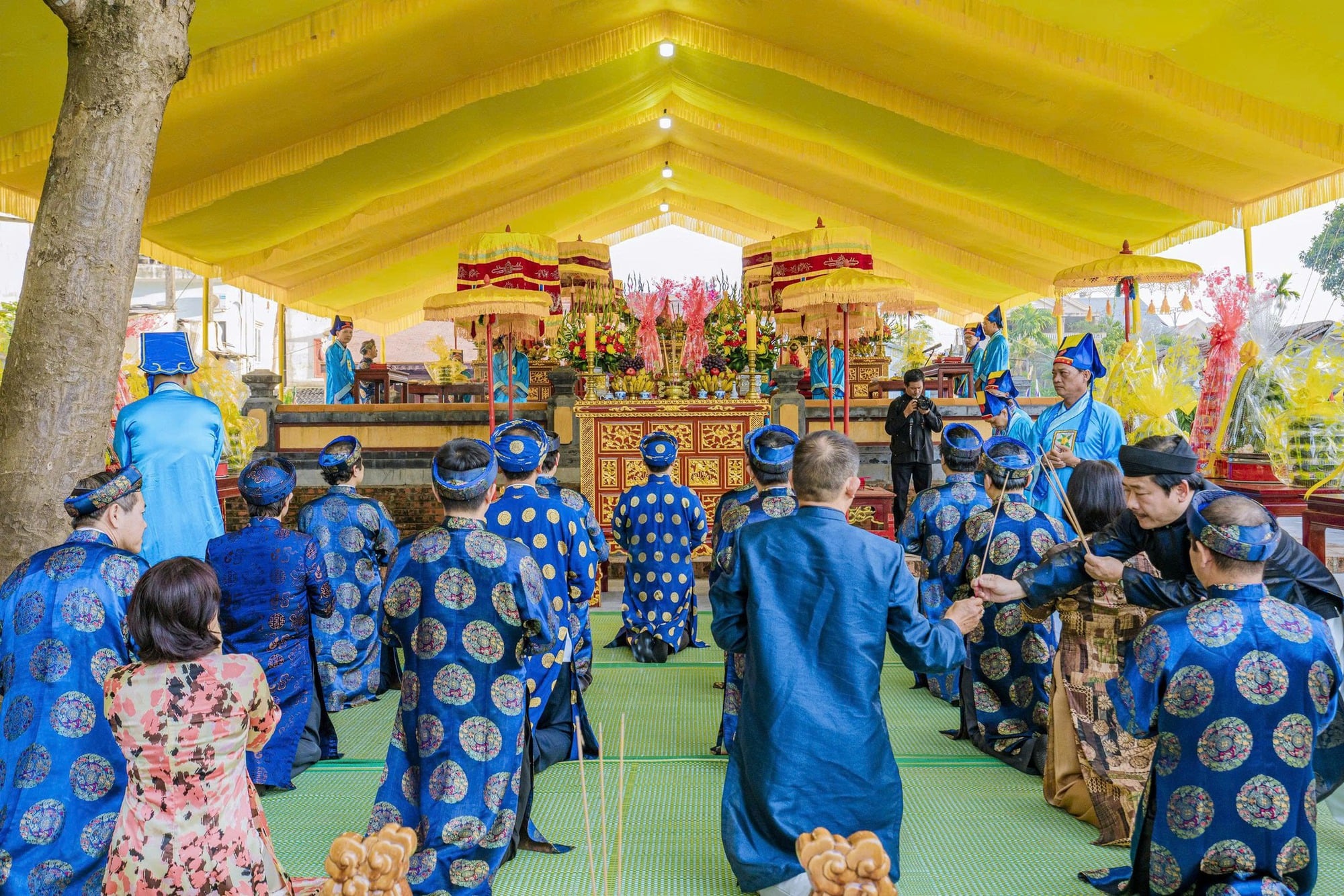
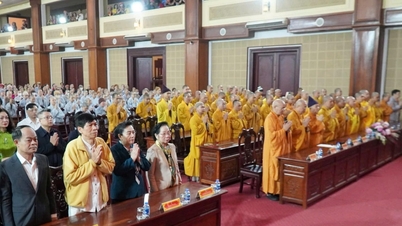
Ceremony of Offering Sacrifices to the Departed Souls on July 11, 2023
PHOTO: HUE IMPERIAL CITY HERITAGE CENTER
Responding to the Royalist Proclamation, scholars and people everywhere enthusiastically rose up against the French. (to be continued)
Source: https://thanhnien.vn/vua-ham-nghi-ha-chieu-can-vuong-185251221212607982.htm



























![[Photo] New recruits happily exercise their right to vote at their unit.](https://vphoto.vietnam.vn/thumb/1200x675/vietnam/resource/IMAGE/2026/03/14/1773473286544_stug0337-6388-jpg.webp)





























































Comment (0)