

 |
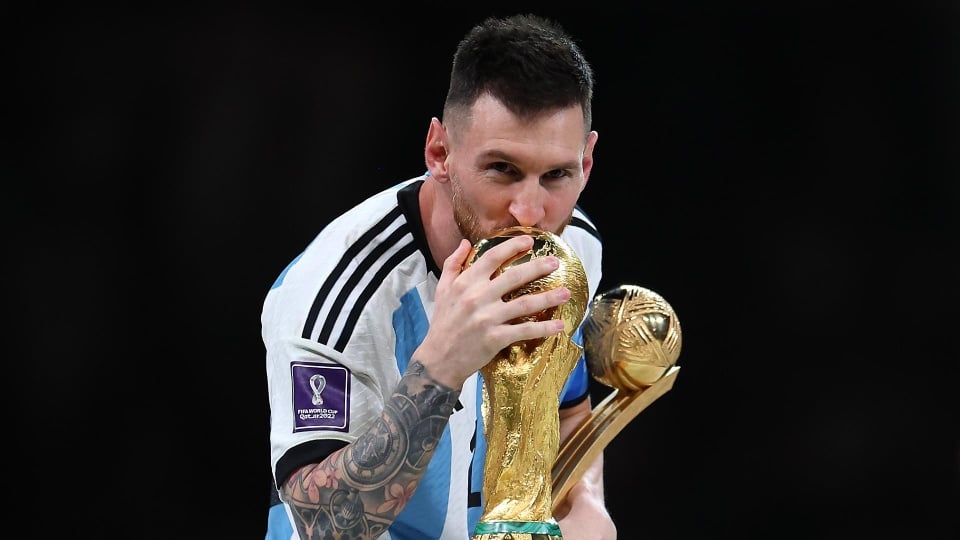
Messi is preparing to lead Argentina in defending their World Cup title. |
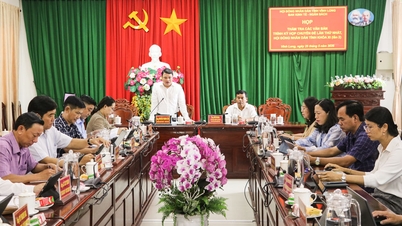
As football increasingly becomes a multi-billion dollar industry, broadcasting rights are no longer a foreign concept exclusive to broadcasters. They are a highly valuable commercial asset, the foundation for operating an entire ecosystem of media, advertising, services, and fan experiences. Therefore, the panel discussion on the topic "World Cup Broadcasting Rights: The Responsibility to Watch Correctly and Cleanly," held on April 29th in Ho Chi Minh City, carries a much greater significance than a mere professional discussion.
The event, organized by the Southern Region Television Center of Vietnam, brought together representatives from various fields such as economics , marketing, intellectual property, and sports media. The highlight of the program was a clear reminder: the 2026 World Cup is not only the biggest football festival on the planet, but also a test of the maturity of Vietnam's digital content market.
Illegally watching movies is no longer a minor issue.
For many years, the habit of watching football via unlicensed links was quite common. For many, it was simply a way to access a major match for free. But behind those few clicks lies a chain of long-term damage to the entire market.
When copyrights are infringed, the legitimate copyright holder loses revenue, advertisers lose trust, and users have to accept low-quality broadcasts, laggy images, malicious advertisements, or the risk of personal data leaks. Furthermore, the lack of transparency in the business environment makes serious businesses hesitant to invest.
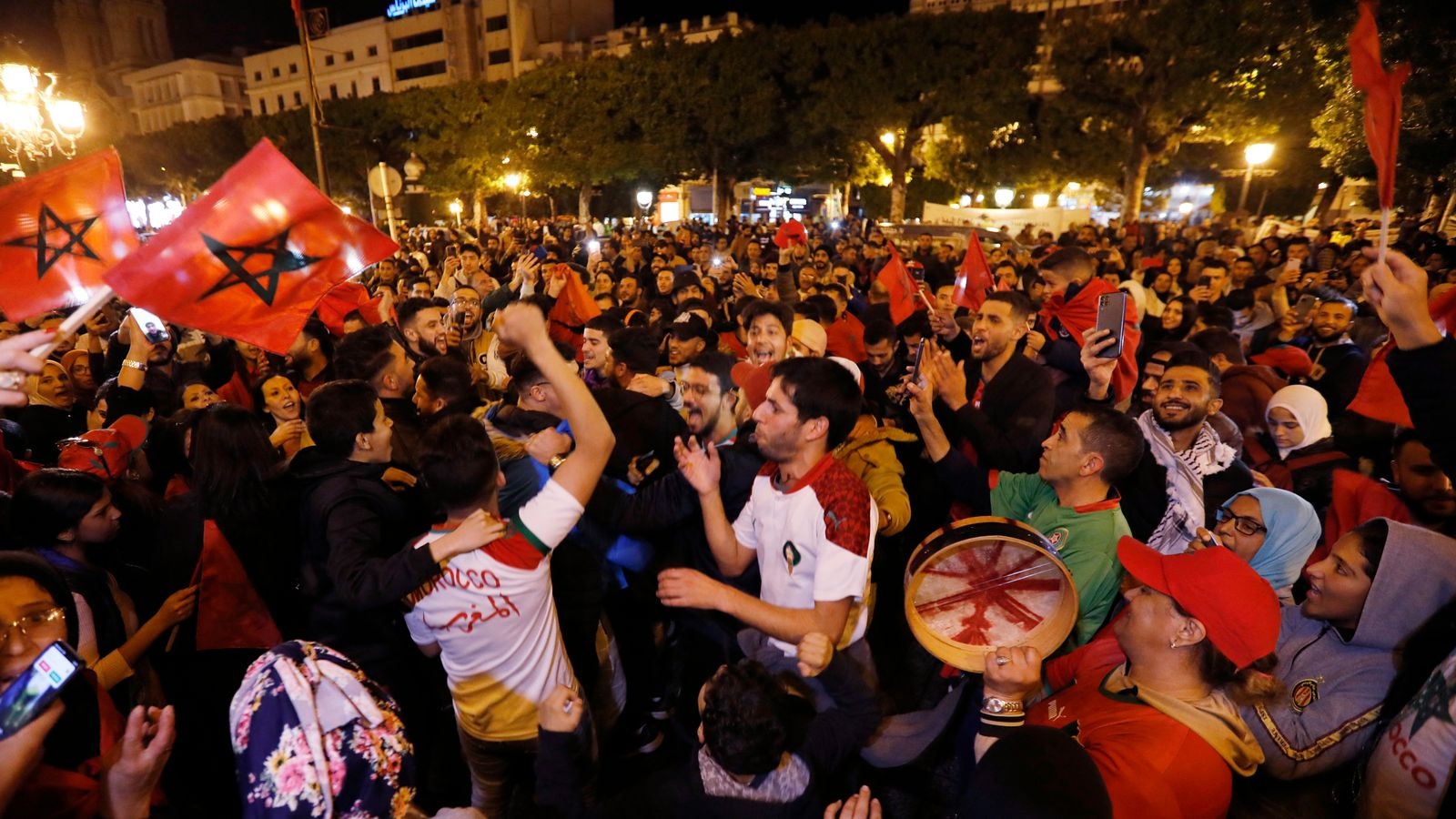 |
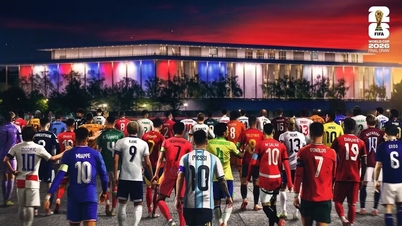
The World Cup is an event that attracts a huge number of fans. |
At the seminar, representatives from Vietnam Television (VTV) affirmed that the station is the sole entity in Vietnam that owns and distributes the broadcasting rights for the 2026 World Cup under the copyright agreement. This means that any form of exploitation, screening, or commercial use related to the tournament must comply with legal regulations.
The message "watch correctly, watch cleanly" therefore carries a very specific meaning. "Watch correctly" means accessing content from legitimate platforms. "Watch cleanly" means saying no to infringing sources and not supporting the gray market that has persisted for many years.
In countries with developed sports industries, respecting copyright has become a consumer reflex. Fans understand that the money they spend is not just to watch the game, but also helps support the value chain behind it: producers, broadcasters, clubs, players, and related services. Vietnam is also at a point where it needs to cultivate this habit.
The World Cup opens up new economic opportunities.
Broadcasting rights are not just about protecting the interests of broadcasters. If exploited properly, the 2026 World Cup could generate significant economic value for domestic businesses.
One approach being discussed is the "fan zone" model, or legal public viewing areas. These spaces allow fans to watch football together, combining dining , entertainment, and community activities. In many countries, fan zones during the World Cup are always vibrant gathering points, generating significant revenue for food and beverage services, retail, advertising, and nighttime tourism.
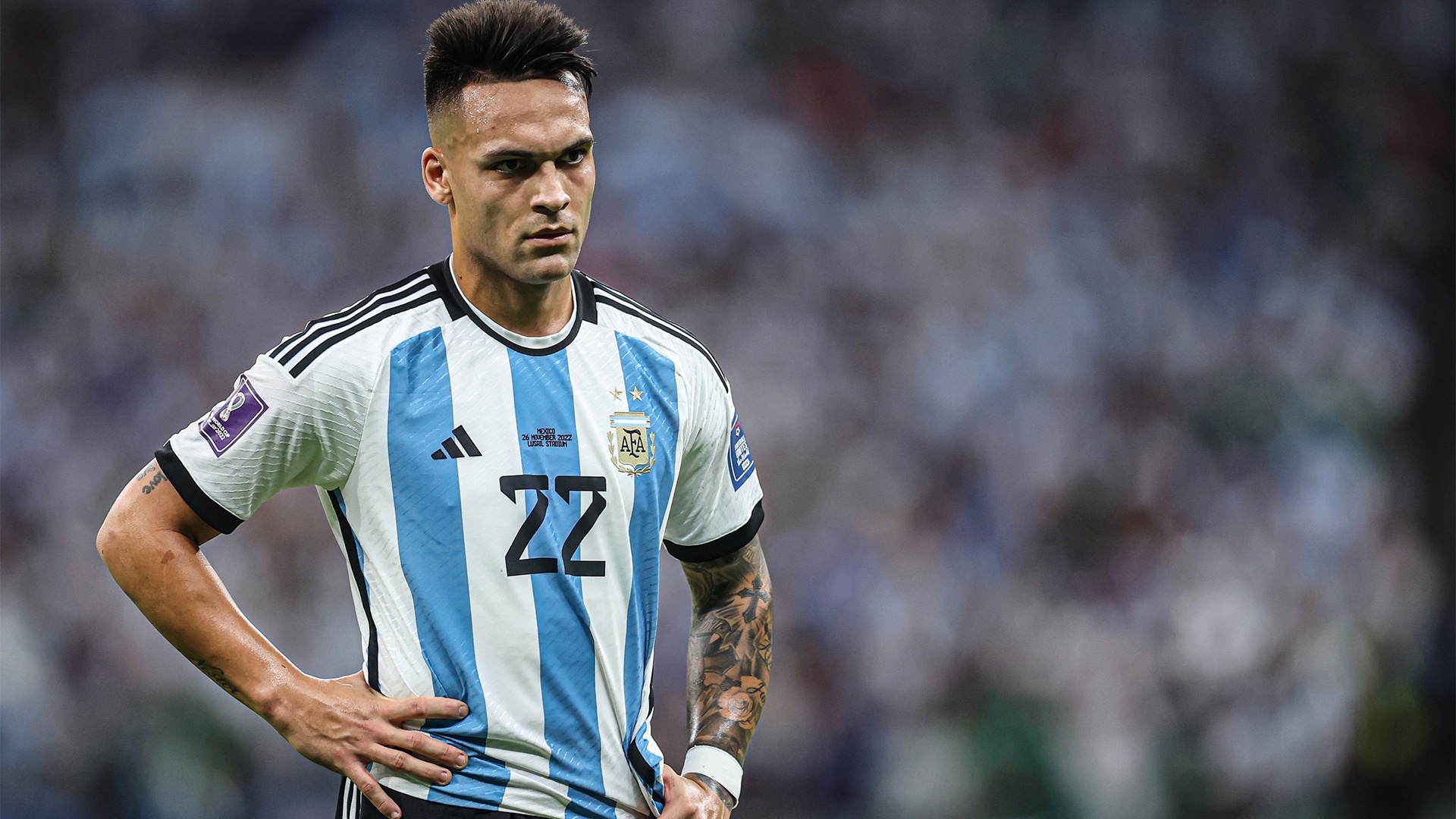 |
With the 2026 World Cup approaching, the issue of broadcasting rights has heated up. |
In Vietnam, this potential is real. The culture of watching football collectively is deeply ingrained in urban life. Major matches of the national team or European leagues often turn cafes, restaurants, and squares into crowded gathering places. If properly organized and with legal broadcasting rights, the 2026 World Cup could become a boost for the night-time economy in many major cities.
However, to participate in that arena, businesses must follow the legitimate path. Units wishing to screen films publicly must fulfill all copyright obligations to become "official screening venues." This is not only a legal requirement, but also a commitment to image and sound quality and service experience.
Furthermore, the Vietnamese digital content market will only develop sustainably when intellectual property rights are respected. No investor is willing to invest heavily in a product if it can be copied and distributed illegally at any time.
The 2026 World Cup therefore holds special significance. This tournament not only measures the appeal of football, but also the level of professionalism in the Vietnamese market in its handling of intellectual property.
Concluding the seminar, the organizers emphasized the call for the business community and fans to work together to build a civilized sports culture. This is not just a slogan, but a practical requirement in an era where football has become a major economic sector.
The World Cup only happens every four years. But the right consumer habits built today can have far greater long-term value. When viewers choose legitimate sources, they are not just buying a match, but are contributing to building the foundation for the future of Vietnam's digital sports market.
Source: https://znews.vn/world-cup-2026-nong-vi-ban-quyen-post1646720.html
































































Comment (0)