

 |
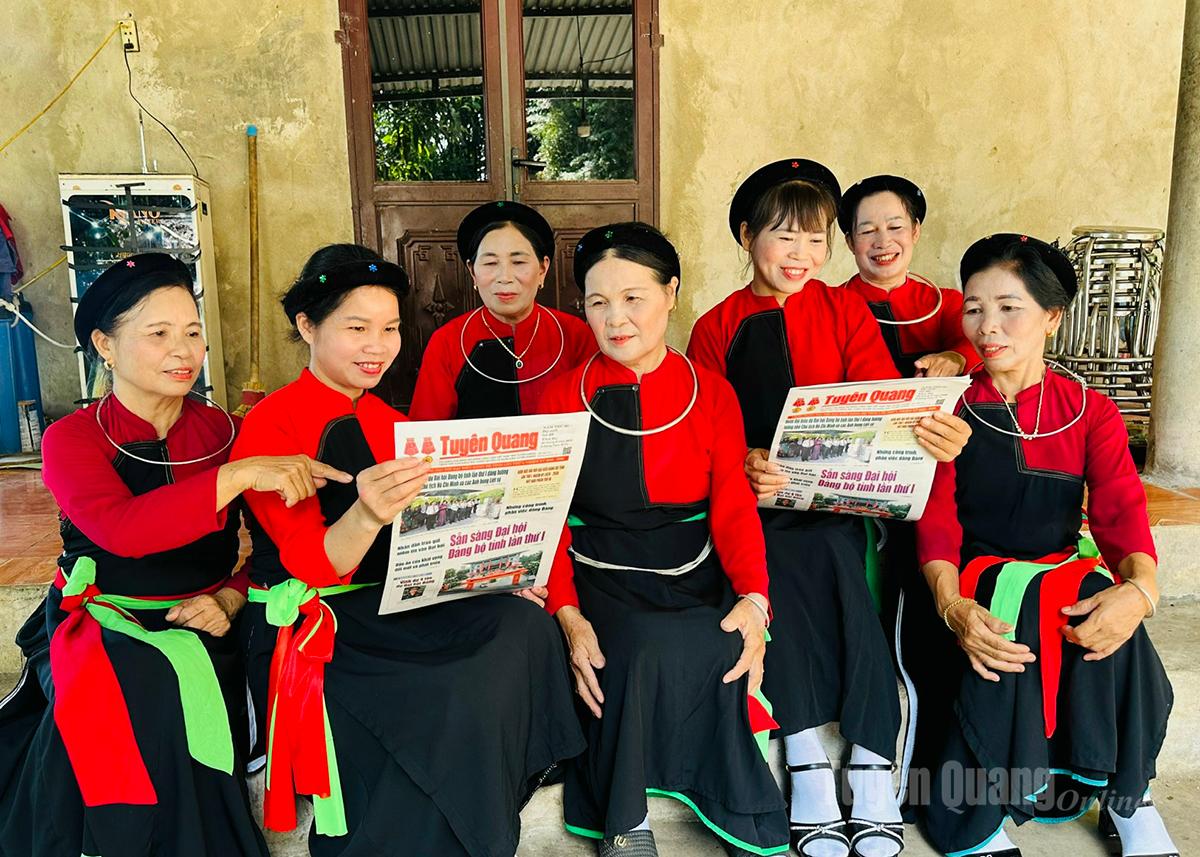
| The Cao Lan ethnic minority people in Binh Thuan ward keep up-to-date on ethnic policies through the press. |
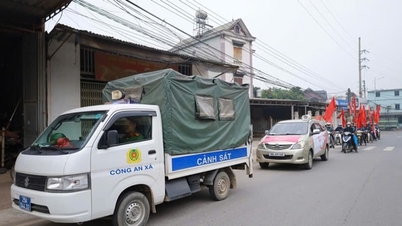
According to a report by the Department of Ethnic Minorities and Religion, from 2022 to the present, the province has organized 116 legal awareness sessions, attracting nearly 8,000 people; distributed over 305,000 leaflets on law and the prevention of child marriage; and produced 3,000 radio programs in five ethnic languages, ensuring information reaches every household. These figures demonstrate significant efforts in changing the awareness of ethnic minorities.
In the communes of Yen Hoa and Thuong Nong, the campaign to reduce child marriage is considered a "key front." Mr. Vi Van Chung, Chairman of the People's Committee of Yen Hoa commune, said: For many years, the commune has significantly reduced the rate of child marriage thanks to the "Clan self-management model regarding marriage and family." When the clan leader takes the lead in campaigning, the descendants are more likely to follow because the change originates from within their own community. Some clans even stipulate that anyone who violates the law on child marriage will not be included in the list of culturally exemplary clans. This is a deterrent measure that is also appropriate to the local reality.
Changing lifestyles is not just about awareness, but must begin with concrete actions from each community. In Kien Thiet commune, the custom of prolonged funeral ceremonies used to be costly and negatively impact daily life. In recent years, the commune has held community meetings to unanimously agree on including the provision of "simple funeral arrangements and no prolonged ceremonies" in the village regulations. Thanks to regular awareness campaigns and democratic discussions, 100% of households have agreed to implement this, resulting in solemn yet economical funeral ceremonies, significantly reducing costs and pressure on families.
One of the key factors contributing to the effectiveness of the movement to eliminate outdated customs is the special role of influential individuals. The entire province organized 3,779 training sessions, providing legal knowledge and communication skills to this group. These individuals are close to the people, speak the local language, and understand customs, thus possessing high persuasive power. They encourage their descendants to abandon high dowry demands, advise young families against child marriage, and guide villagers to seek medical care when ill, avoiding superstition in treatment. Many successful advocacy models stem from the leading role of village elders, hamlet leaders, and clan leaders.
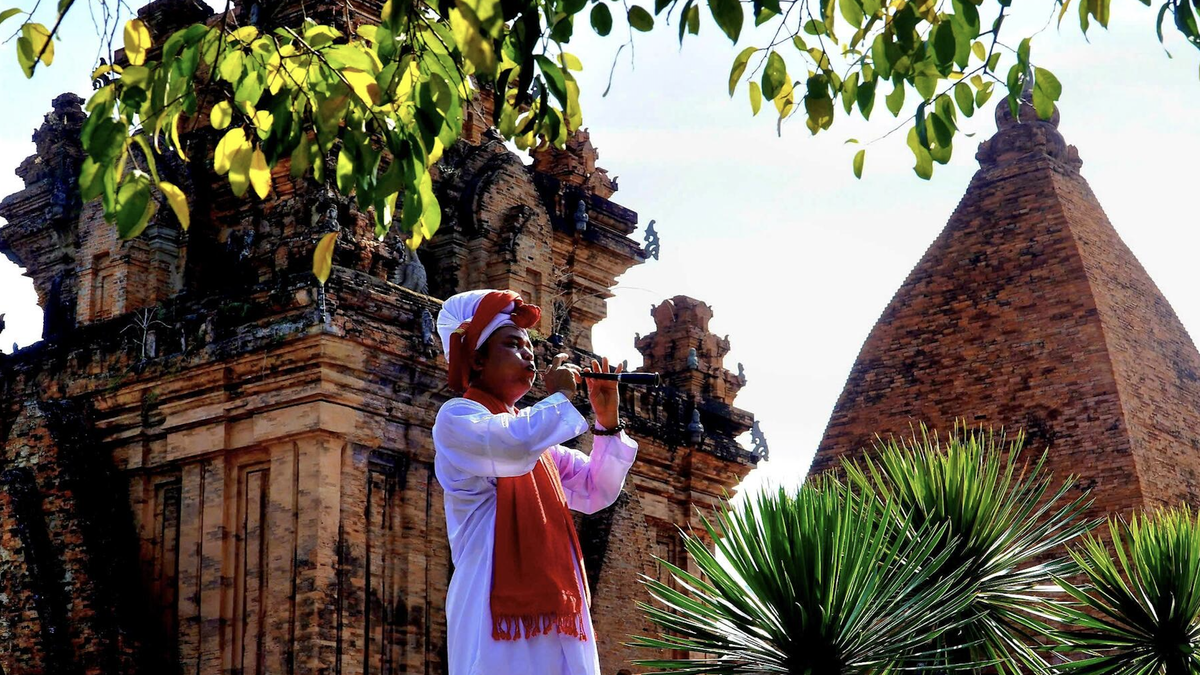
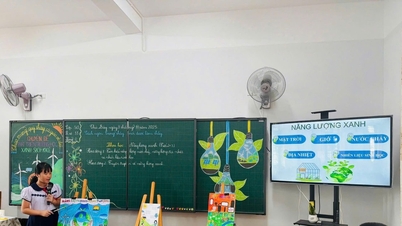
Alongside eliminating outdated customs, the province focuses on preserving and promoting the positive cultural values of ethnic minorities. Classes teaching traditional courtship singing, fire-jumping rituals, and making traditional costumes of some ethnic groups are regularly organized.
In many mountainous communes, the movement to build a civilized lifestyle is implemented flexibly: preserving traditional festivals but simplifying cumbersome procedures; organizing cultural and artistic activities but eliminating superstitious elements; maintaining ethnic costumes in festivals and schools but without coercion or commercialization.
During the period 2026-2030, the province continues to aim for a significant reduction in child marriage, the complete elimination of outdated customs, the maintenance of civilized village models, and the continued promotion of the role of influential individuals and "dissemination agents" in the community. Eradicating outdated customs is a long journey, but the changes seen today demonstrate that when people are united and determined, a civilized way of life will become a natural and sustainable choice.
Text and photos: Hai Huong
Source: https://baotuyenquang.com.vn/xa-hoi/202512/xay-nep-song-van-minh-a141325/
![[Photo] Trial run of the election process at polling stations in Dong Da ward (Hanoi)](https://vphoto.vietnam.vn/thumb/1200x675/vietnam/resource/IMAGE/2026/03/12/1773306146728_ndo_br_van-hanh-thu-to-bau-cu-4070-755-jpg.webp)

![[Photo] Hanoi is ready for the "National Festival"](https://vphoto.vietnam.vn/thumb/1200x675/vietnam/resource/IMAGE/2026/03/12/1773305846167_ndo_br_z7612336508628-14627dc7d18cc27532ffea5d4089713b-4105-jpg.webp)















































Comment (0)