Many patients wonder whether cirrhosis is reversible.
In reality, the liver's ability to recover depends greatly on when the disease is detected. If diagnosed early, when fibrosis is not too severe, the liver still has the potential to recover partially or almost completely if the underlying cause is treated correctly and liver-protective measures are followed. Conversely, when the disease has progressed to decompensated cirrhosis, the damage is often irreversible.
How does cirrhosis develop?
The liver is an organ with a very strong regenerative capacity. However, when subjected to prolonged damage over many years, the continuously destroyed liver cells are replaced by scar tissue. Over time, this scar tissue spreads, obstructing blood flow through the liver and severely affecting the body's metabolic and detoxification functions.
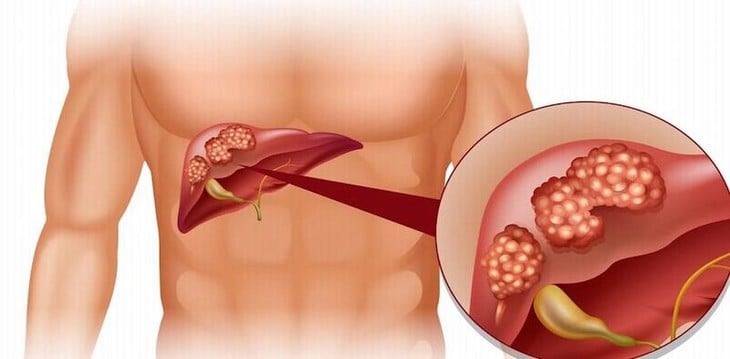
Alcoholic cirrhosis and viral hepatitis remain the two leading causes of liver-related death worldwide.
Common causes of cirrhosis include:
- Drinking large amounts of alcohol over a long period of time.
- Chronic hepatitis B.
- Chronic viral hepatitis C.
- Non-alcoholic fatty liver disease.
- Autoimmune liver diseases or metabolic disorders.
Of these, alcoholic cirrhosis and viral hepatitis remain the two leading causes of liver-related death worldwide.
Stages of cirrhosis
- Early stage of liver fibrosis
This is the stage where the liver begins to show inflammation and form small fibrous bands. Patients often have no obvious clinical symptoms or only experience fatigue, decreased energy, and reduced work efficiency.
Because the amount of fibrous tissue is still minimal, liver function is relatively well preserved. This is the "golden period" for treatment. If the cause of liver damage can be eliminated, the liver can recover significantly and prevent progression to full-blown cirrhosis.
- Progressive fibrosis stage

At this stage, more fibrous tissue appears and begins to affect the circulatory system in the liver, increasing portal venous pressure.
Patients may experience symptoms such as loss of appetite, bloating, indigestion, or persistent fatigue. Treatment can still help slow disease progression if the underlying cause of liver damage is well controlled.
- Decompensated cirrhosis stage
By this stage of the disease, the liver has been severely damaged. Patients typically experience ascites (fluid accumulation in the abdomen), jaundice (yellowing of the skin and eyes), rapid weight loss, loss of appetite, leg edema, and a significant decline in liver function.
In addition, patients may experience:
- Prolonged fatigue.
- Persistent skin itching.
- Abnormal increases or decreases in blood sugar levels.
- The skin is pale and sallow.
- Shortness of breath.
- Cognitive and memory disorders.
At this stage, the liver is almost incapable of returning to its normal state. In some cases, a liver transplant may be considered if the patient is eligible.
- End-stage cirrhosis
This is the most severe stage of the disease, when most of the liver parenchyma has been replaced by fibrous tissue. Patients are at high risk of developing dangerous complications such as:
- Gastrointestinal bleeding due to esophageal varices.
- Hepatic encephalopathy.
- Kidney failure.
- Infection of ascites fluid.
- Liver cancer.
How is cirrhosis treated?
Currently, there is no cure for late-stage cirrhosis. The main treatment goals are to slow the fibrosis process, preserve liver function, and prevent complications.
Treatment depends on the cause of the illness:
- Treatment of alcoholic cirrhosis
Patients must absolutely stop drinking alcohol. This is the most important measure to help limit the further progression of liver damage.



- Treatment of cirrhosis caused by fatty liver disease.
Healthy weight loss, blood sugar control, and lifestyle changes can significantly improve fatty liver disease and slow the progression of cirrhosis.
- Treatment of viral hepatitis
Current antiviral medications can effectively control hepatitis B and hepatitis C, thereby limiting long-term liver damage.
- Controlling symptoms and complications
Patients may be prescribed medication to treat ascites, prevent gastrointestinal bleeding, manage hepatic encephalopathy, or treat other complications, depending on the individual case.
In summary: cirrhosis is a dangerous disease but is completely controllable if detected early. People with a history of viral hepatitis, heavy alcohol consumption, obesity, or fatty liver disease should have regular liver checkups at least 1-2 times a year.
Treating liver diseases in their early stages not only helps prevent cirrhosis but also reduces the risk of serious complications such as liver failure or liver cancer. Proactive screening and liver protection are the most effective solutions for maintaining long-term health.
Source: https://suckhoedoisong.vn/xo-gan-co-phuc-hoi-duoc-khong-169260619193255549.htm