

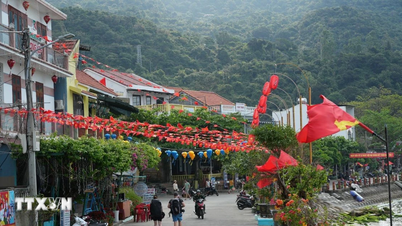
In the village of Teng in the mountainous district of Ba To, the Hre people used to live in stilt houses, and we thought they would forever preserve that traditional way of living. Unexpectedly, over time, many people have dismantled their houses and built cement houses instead.
When asked why they don't preserve their stilt houses, the villagers all said there's no more wood to build them, and now they have assets and money in their houses, so how can they keep them? Building stilt houses is more expensive and time-consuming than building brick houses, so building brick houses is the most convenient option.
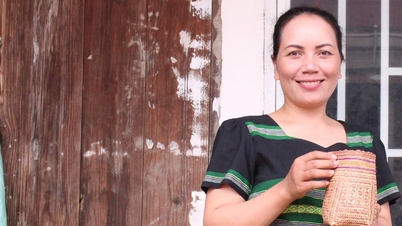
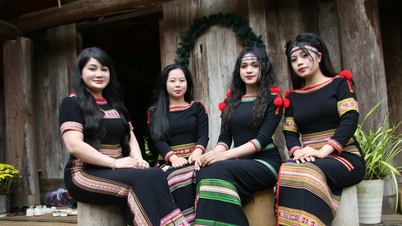
For example, traditional clothing is much easier to preserve than traditional stilt houses; to be precise, it's not too difficult for people to buy and wear them. Yet, you only see a few people wearing them, mostly the elderly, while the younger generation largely prefers "modern" clothing. The difficulty in preserving traditional stilt houses and clothing lies in the fact that it's a personal right; no one can force anyone to wear them. What to wear and how to live is a personal choice. Therefore, the issue here is individual awareness, the awareness of many individuals within a societal whole.
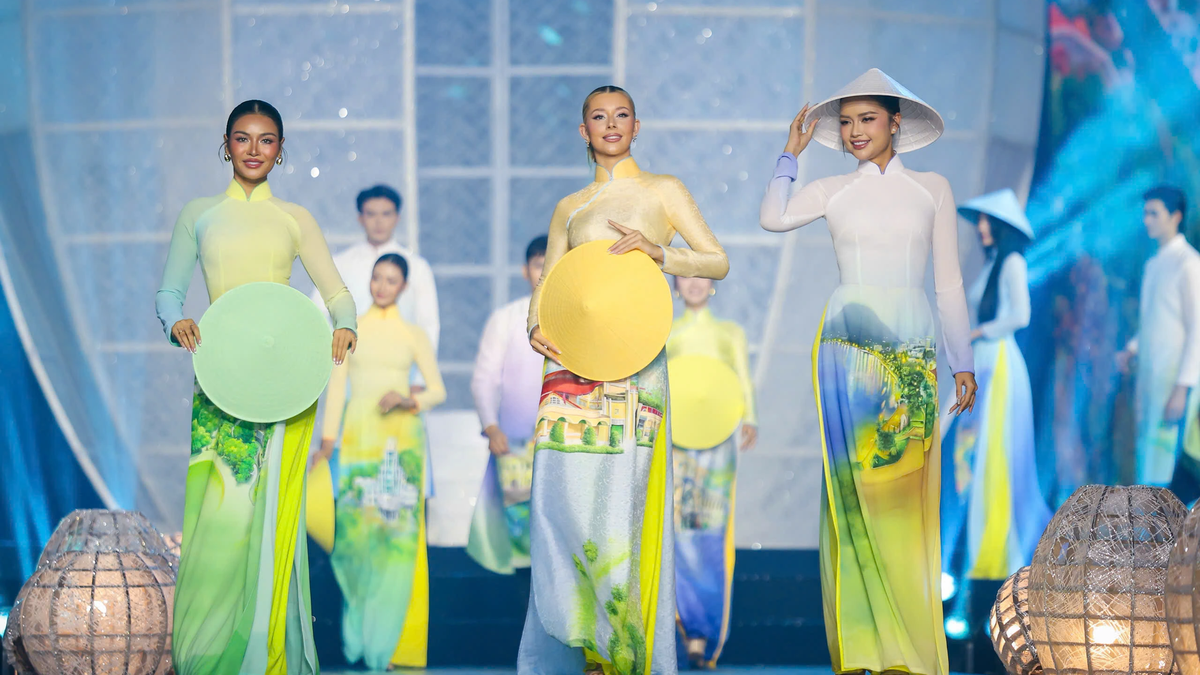
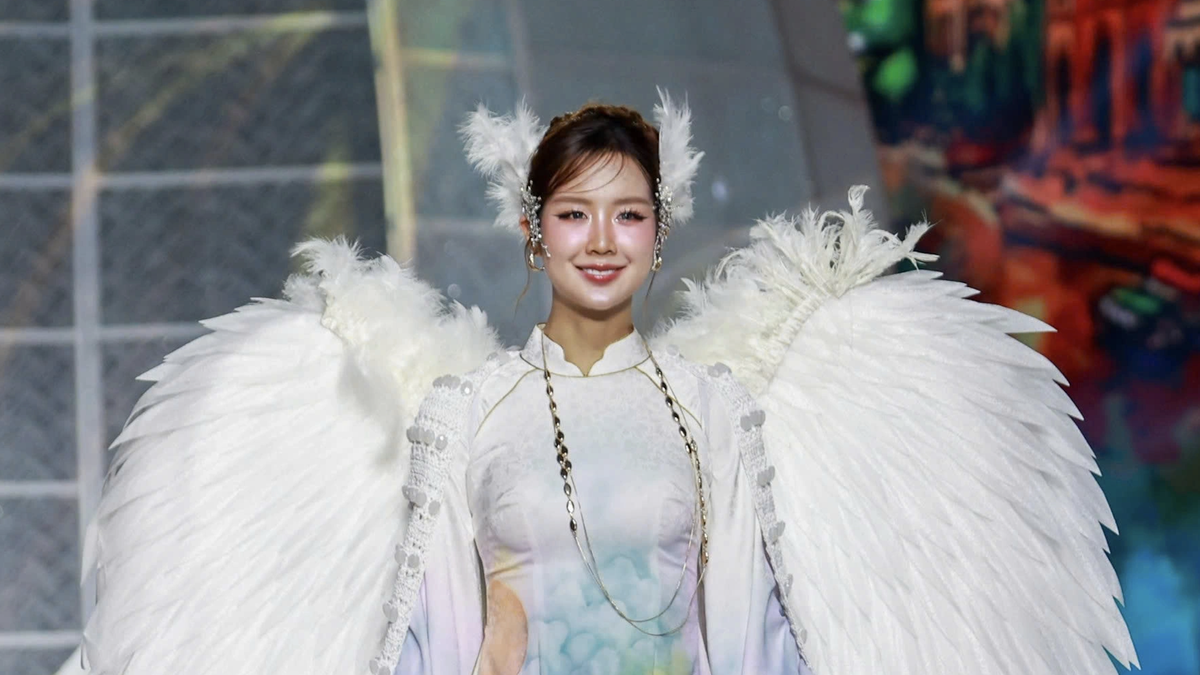
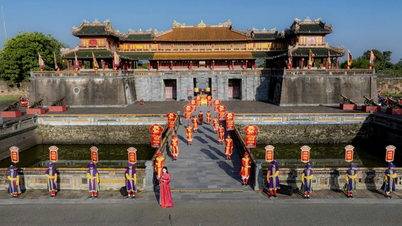
Looking at society as a whole, it's clear that both the Kinh people and ethnic minorities wear Western clothing extensively. For a long time, the Kinh people almost "forgot" about the traditional long tunic for men and the long tunic for women. However, recently, the "long tunic trend," especially during holidays and festivals, has returned. The Director of the Department of Culture, Sports and Tourism of Hue City, Phan Thanh Hai, is a passionate advocate for wearing the long tunic, and he himself looks very handsome and elegant in it (of course, thanks to his good looks).
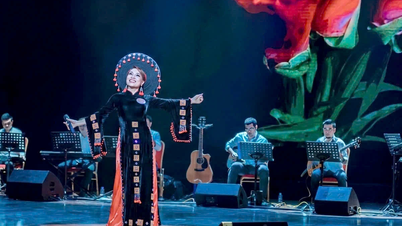
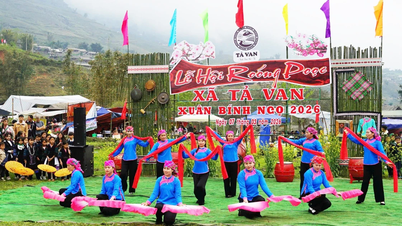
For the Lunar New Year of the Horse 2026, people are excitedly wearing the traditional ao dai. After experimenting with various fashion styles, many are rediscovering the beauty of traditional clothing. I once saw many elderly women from Bac Ninh wearing the four-panel ao dai, in a betel nut brown color, with black headscarves – it was truly beautiful. If young, beautiful girls wore similar outfits, they would undoubtedly look even more graceful. The beauty of traditional clothing has been refined over time. It's different from the beauty of fashion, which is constantly changing. The same is true among ethnic minorities. In Son La, we most enjoyed seeing the Thai people in their traditional clothing going to work or strolling around the streets, rather than seeing them in "modern" clothes, even though they were all beautiful.
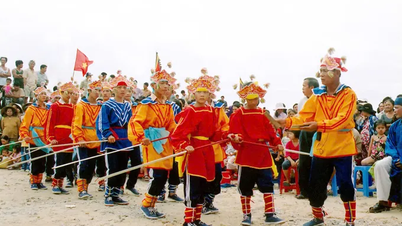
Thinking back to the past, each ethnic group almost developed its own unique style of clothing, which is why we have such a rich "collection" of ethnic costumes today. But why do each ethnic group have its own style of clothing? It's because each ethnic group has a different natural environment and level of social development. It's also because different clothing helps distinguish one ethnic group from another, preventing them from blending in.
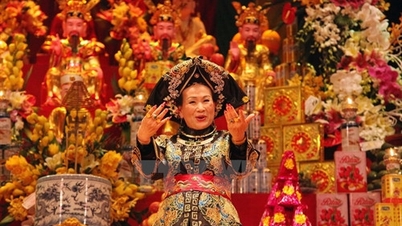
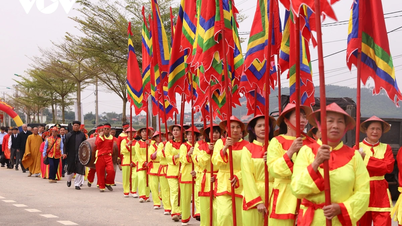
When traveling abroad, if we wear Western clothing, people will likely not be able to distinguish Vietnamese people from other East Asian ethnic groups. Similarly, if all the 54 ethnic groups in Vietnam wore Western clothing, it would be difficult to tell them apart. That's considering it from a contemporary perspective. From a historical perspective, wearing traditional clothing is an expression of inheritance and connection. People wear it to cover their bodies and to beautify themselves, but more sacredly and nobly, it's to remember their roots and express gratitude to previous generations who created and passed down this cultural heritage.
The author argues that many people don't pay attention to traditional clothing because they don't fully understand its significance, leading to the potential decline of this cultural heritage. While Western clothing doesn't necessarily mean we can't wear traditional attire, it's important to understand that they are not mutually exclusive. People can acquire modern clothing while also wearing traditional attire. They can wear new clothes to work and traditional clothing during holidays and festivals to express their national pride and remember their roots. Those involved in cultural preservation should also discuss this significance with communities so that everyone understands and follows it.
It's not difficult at all. But it is difficult because it involves changing people's consciousness.
Source: https://baovanhoa.vn/van-hoa/y-phuc-dan-toc-209137.html





















































![[Infographic] How have gasoline and diesel prices increased across the board since the Lunar New Year?](https://vphoto.vietnam.vn/thumb/402x226/vietnam/resource/IMAGE/2026/03/07/1772891457083_anh_thumbnail_bien_dong_gia_xang_dau_20260307191647.jpeg)








Comment (0)