 |
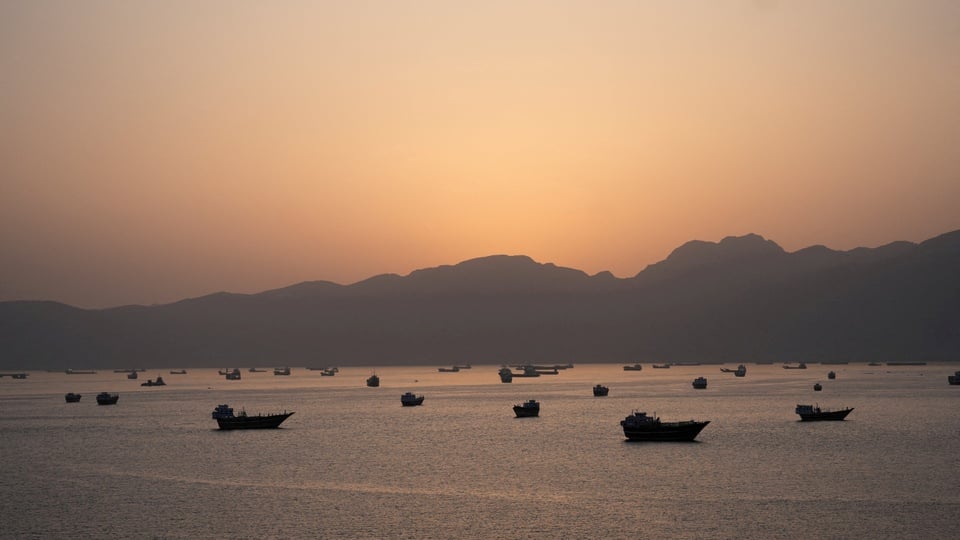
Ships have begun navigating the Strait of Hormuz in recent days. Photo: Reuters . |
Although ships have begun slowly resuming movement through the Strait of Hormuz, the recently published Allianz report is the first document to accurately assess the value of shipping assets and cargo that have been stranded in the Gulf for over 100 days following escalating tensions in the region since late February, according to the Financial Times .
The agency noted that the unprecedented closure of the strait is raising concerns about the future of international maritime trade.
Justus Heinrich, head of marine insurance at Allianz, shared that the crisis has changed insurers' perspective on risks in these vital straits.
He emphasized: "We've always discussed realistic disaster scenarios, and now we're facing a real-life disaster like this. I think this changes our perception of actual operational risk."
The "new normal" scenario after the crisis.
Before the conflict broke out, an average of 135 ships and one-fifth of the world's oil and gas passed through the Strait of Hormuz daily. The closure of this route caused widespread disruption to the energy market, pushing crude oil prices above $100 per barrel.
According to data from the International Maritime Organization (IMO), more than 40 ships were hit by missiles and 14 sailors were killed, with the majority of affected vessels being oil tankers.
The interim peace agreement between the US and Iran has boosted confidence among shipping companies, leading to a significant increase in traffic since last week. Data from Lloyd's List Intelligence shows that the number of ships leaving the Gulf rose to 69 in the week ending June 21, much higher than the 24 of the previous week, marking the highest weekly volume since hostilities began.

Although shipping traffic is gradually returning, logistics businesses have identified alternative routes through ports leading to the Gulf of Oman, the Red Sea, or road transport as a permanent part of the future.
Many shipping executives have revealed they will invest more in these auxiliary routes after Iran demonstrated its ability to fully control the Strait of Hormuz.
Long-term pressure on the supply chain
Michael Aldwell, Executive Vice President of Ocean Logistics at Kuehne, Nagel – the world's largest freight forwarder by volume – estimates that around 300,000 standard containerized vessels (TEUs) are currently stranded in the Gulf, causing severe congestion on land routes into and out of the region.
Because the Middle East does not export many perishable goods, the majority of these goods remain on ships or are unloaded at local ports.
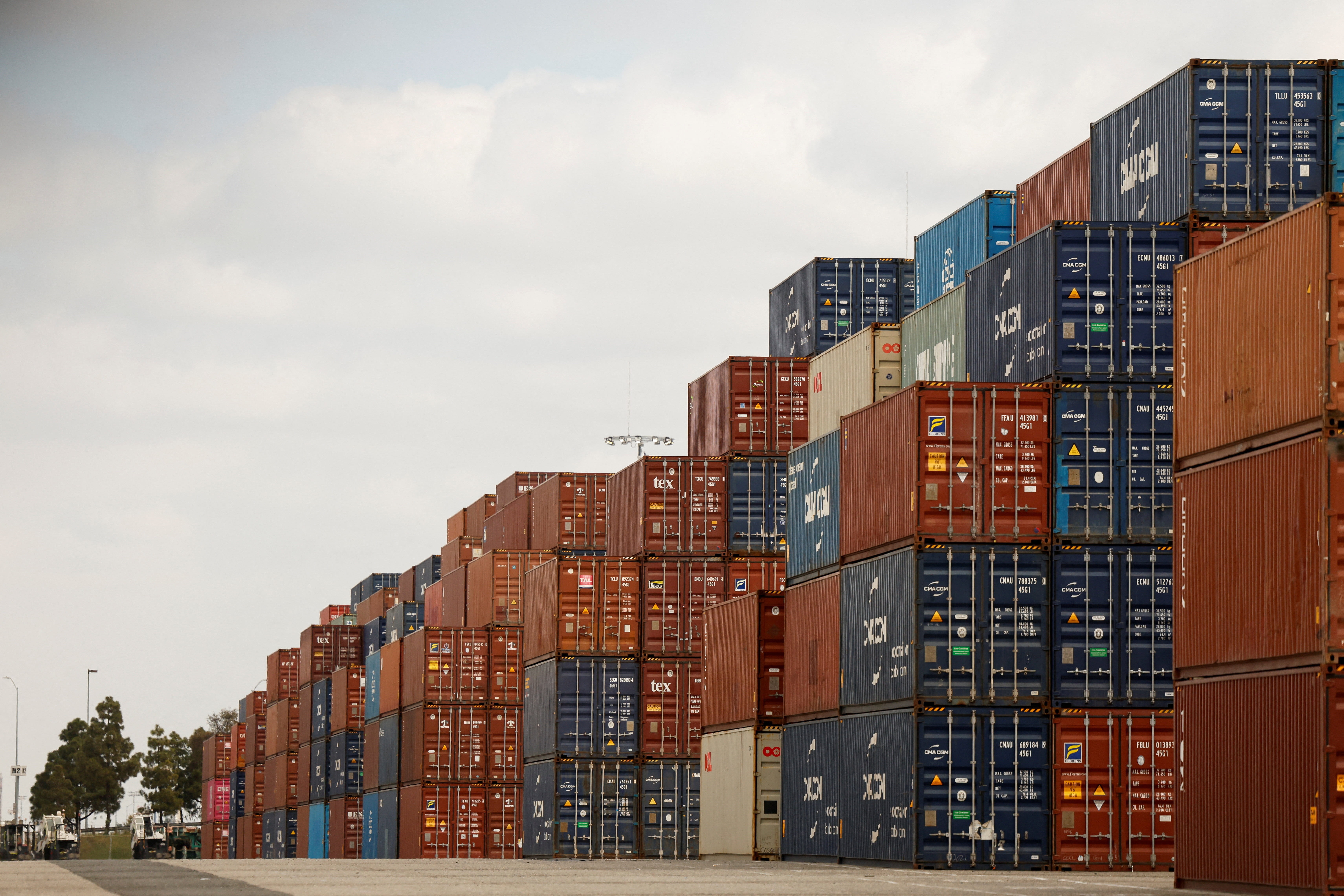 |
Cargo backlogs continue to be a major problem for shipping companies. Photo: Reuters . |
Rahul Khanna, head of maritime risk consulting at Allianz, said the company has received claims related to losses and damage to ships hit by drones or missiles, and anticipates more claims regarding shipments of pharmaceuticals or frozen food damaged due to prolonged storage.
Besides material losses, the report also warns about the fate of 20,000 sailors stranded on ships in the Gulf. The abandonment of workers by shipowners, including withholding wages or cutting off essential supplies, has increased for six consecutive years, reaching a record high of over 6,000 cases.
Allianz predicts that the shipping industry will face significant challenges in retaining and recruiting personnel amid rising demand for skilled labor due to automation and the green transition, which threaten the stability of global supply chains.



Source: https://znews.vn/125-ty-usd-mac-ket-tai-hormuz-post1662767.html

![[Photo] "Hanoi Lotus Festival" honors the lotus flower that has been associated with Vietnam for thousands of years.](https://vphoto.vietnam.vn/thumb/1200x675/vietnam/resource/IMAGE/2026/06/27/1782516943048_sen-ha-noi-2026-minh-duy-1-jpg.webp)









































![[Infographic] 16 fireworks display locations to celebrate the 50th anniversary of Ho Chi Minh City being honored with the name of President Ho Chi Minh](https://vphoto.vietnam.vn/thumb/402x226/vietnam/resource/IMAGE/2026/06/27/1782539591308_man-ban-phao-hoa-ruc-ro-dem-khai-mac-638jpg-17242995540161175940469.jpeg)