

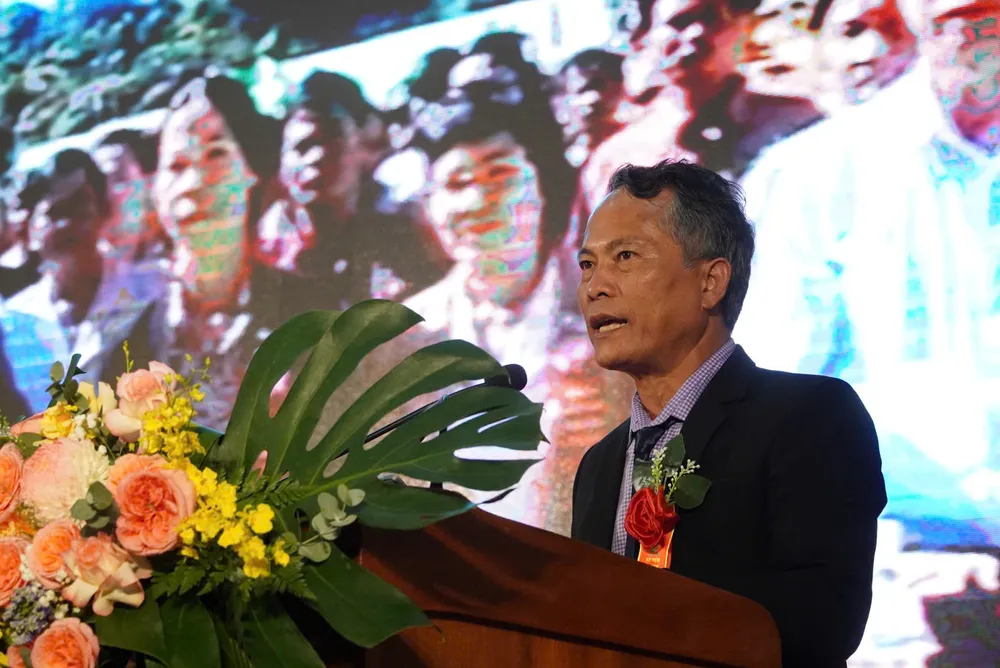
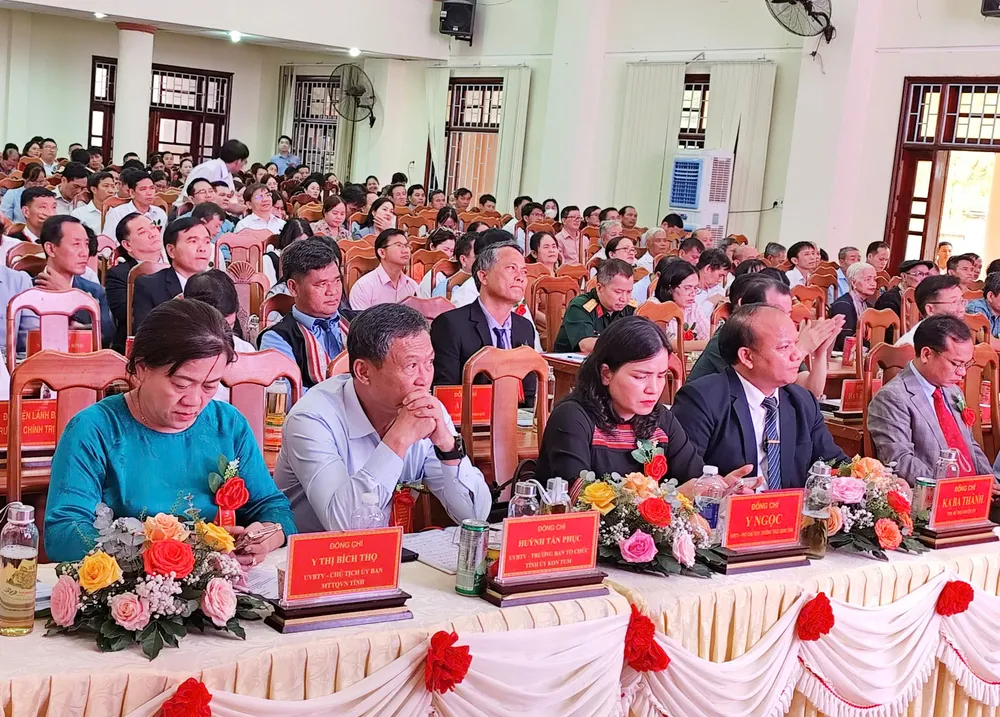
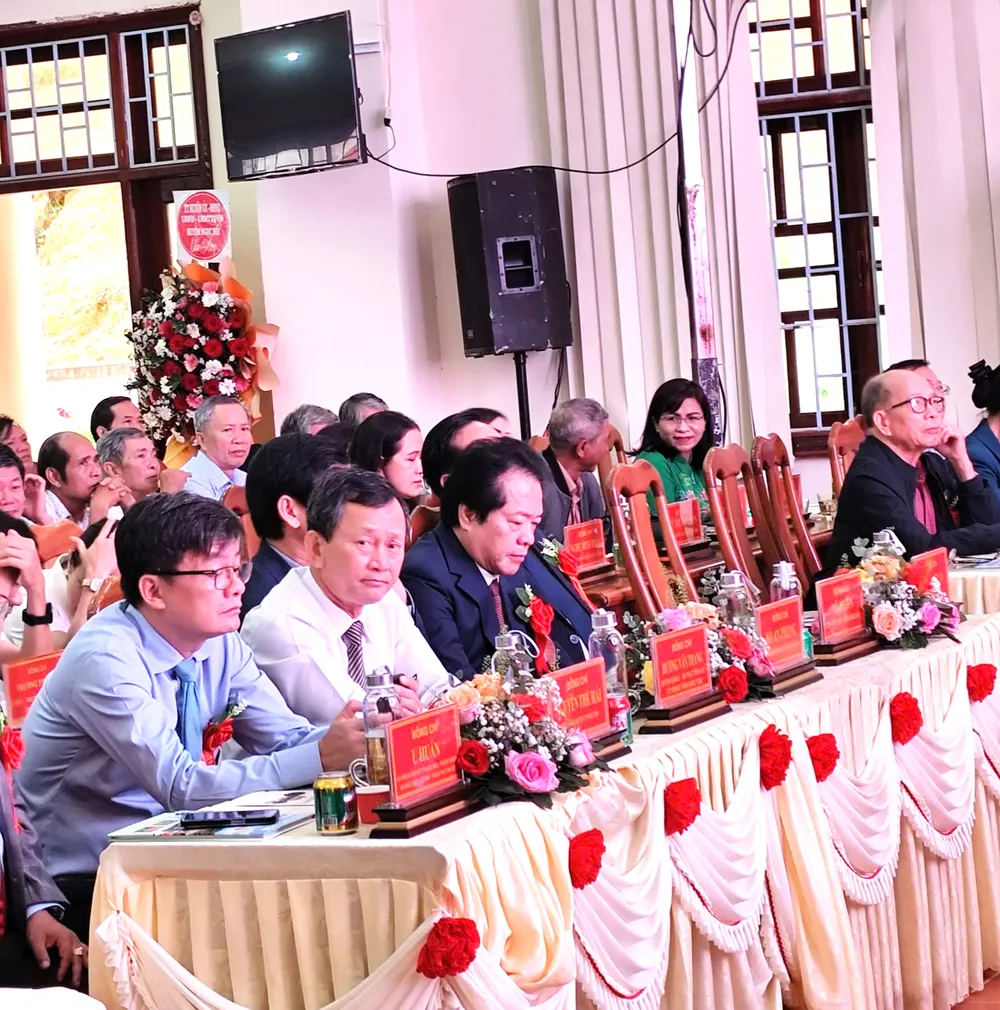
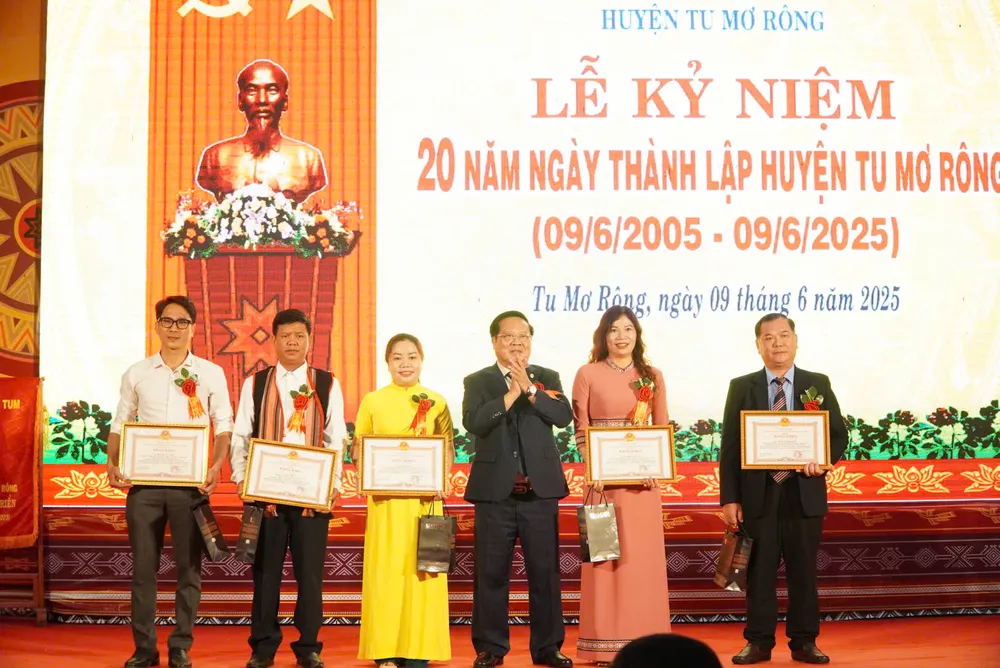
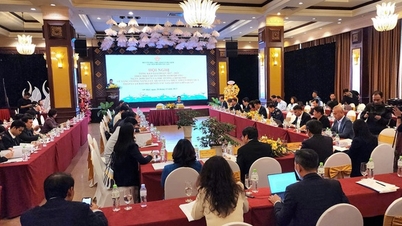
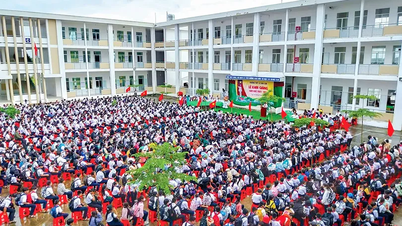
On the afternoon of June 9th, Tu Mo Rong district ( Kon Tum province) held a ceremony to celebrate the 20th anniversary of the district's establishment (2005–2025).
Established in 2005, Tu Mo Rong is a particularly disadvantaged mountainous district with a low starting point in terms of economy , infrastructure, and public services. After 20 years, Tu Mo Rong has made remarkable progress in many areas.

To date, 100% of villages have access to the national power grid, and transportation infrastructure has been expanded to most communes. The poverty rate has decreased to below 30%. Average per capita income has increased significantly, from 18 million VND/person/year to 47 million VND/person/year. District budget revenue has also grown considerably, from 40 billion VND to nearly 70 billion VND.
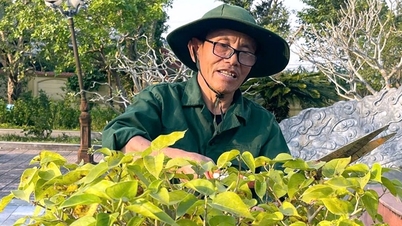
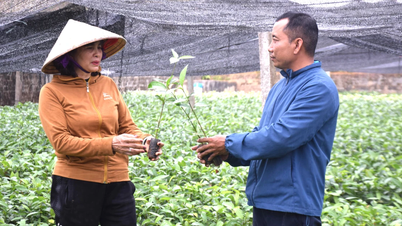
In particular, Tu Mo Rong has become a key medicinal plant area in the Central Highlands, with over 3,000 hectares of Ngoc Linh ginseng and thousands of hectares of other valuable medicinal plants. The district boasts the world's largest Ngoc Linh ginseng garden. This provides a foundation for developing a tourism model that focuses on visiting the Ngoc Linh ginseng national treasure garden, gradually establishing Vietnam's brand as the "ginseng capital" on the international map.
In agriculture, Tu Mo Rong is gradually forming a sustainable production chain under the forest canopy, linking cultivation with forest protection and ecotourism development. The Xo Dang people have acquired precious Ngoc Linh ginseng gardens, helping them escape poverty and become wealthy.
Tu Mo Rong district is proactively promoting digital transformation, from tracing the origin of agricultural products and supporting farmers in selling their goods through e-commerce platforms to providing community-wide Wi-Fi coverage and distance learning. The district is also a pioneer in applying AI and digital platforms to administrative management and education, aiming to improve the efficiency of services for the people.

Chairman of the Tu Mo Rong District People's Committee, Vo Trung Manh, emphasized: "Over the past 20 years, we have continuously strived to overcome difficulties and build a developed mountainous district with its own identity and position. The road ahead will still present many challenges, but with the foundation we have built, the district is confident in entering a new phase: sustainable development, where no one is left behind."
According to Mr. Vo Trung Manh, following the administrative reorganization plan of Kon Tum province, Tu Mo Rong district will transform its model, moving towards eliminating the district level and retaining only four key communes. This is a strategic step aimed at streamlining the administrative apparatus, improving management efficiency, and promoting harmonious and sustainable development. Building on 20 years of development and innovation, the district has undergone a significant shift in its development mindset, forming many effective economic models.

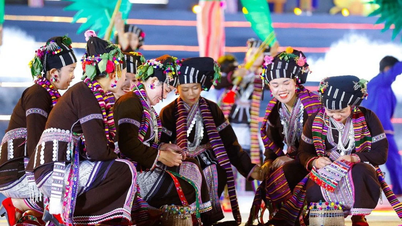
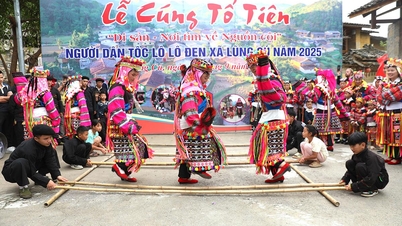
“The reorganization of administrative boundaries will provide us with an opportunity to focus more on strategic highlights, develop ecotourism, and preserve the Xơ Đăng cultural identity associated with medicinal herb gardens. With a sustainable development orientation and existing potential, Tu Mơ Rông will enter a new era, an era of rising up alongside the country with confidence and the ability to thrive,” said Mr. Võ Trung Mạnh.
At the ceremony, the Ministry of Culture, Sports and Tourism presented Decision No. 1656, which designates the folk knowledge about Ngoc Linh ginseng from Tu Mo Rong and Dak Glei districts, Kon Tum province, as a national intangible cultural heritage.
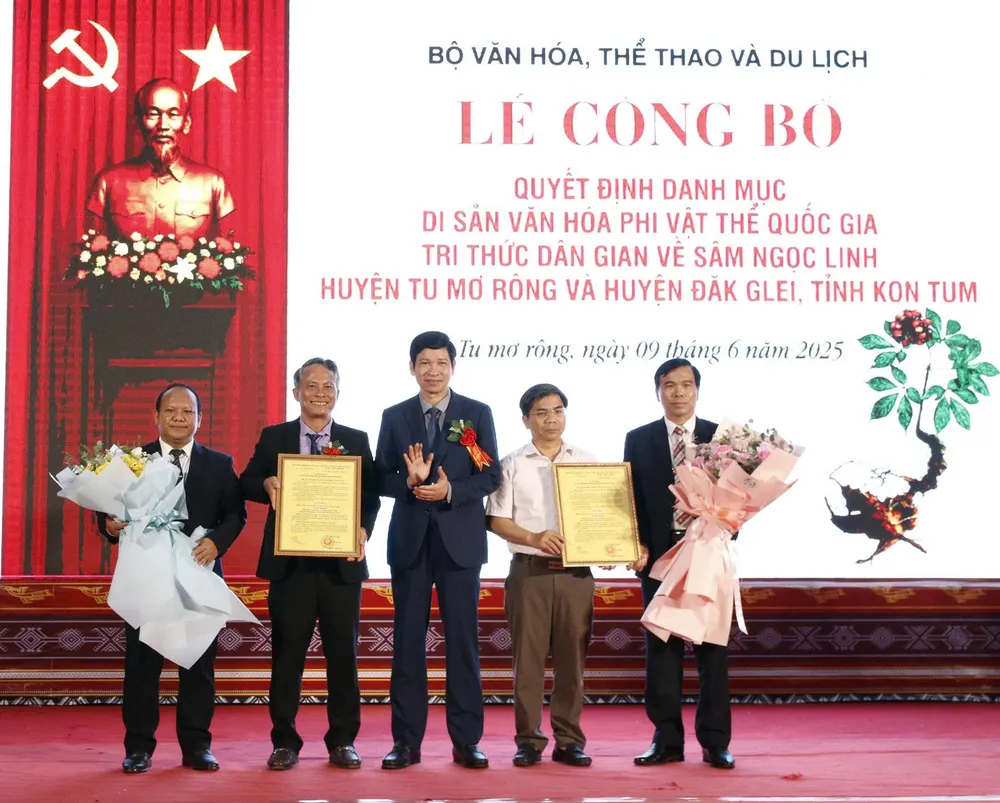
The Chairman of the People's Committee of Tu Mo Rong District stated that being recognized as a national intangible cultural heritage will elevate the value of Ngoc Linh ginseng, not only as a precious medicinal herb but also as a cultural resource, creating economic value and a unique identity for the locality. This title will also become an important foundation for local people to develop community tourism and ecotourism, helping people increase their income and contributing to heritage preservation and forest protection.
Source: https://www.sggp.org.vn/20-nam-tu-mo-rong-hanh-trinh-kien-tao-ban-sac-dung-xay-tuong-lai-post798718.html

![[Photo] Prime Minister Pham Minh Chinh presides over a meeting on private sector economic development.](/_next/image?url=https%3A%2F%2Fvphoto.vietnam.vn%2Fthumb%2F1200x675%2Fvietnam%2Fresource%2FIMAGE%2F2025%2F12%2F20%2F1766237501876_thiet-ke-chua-co-ten-40-png.webp&w=3840&q=75)

































































Comment (0)