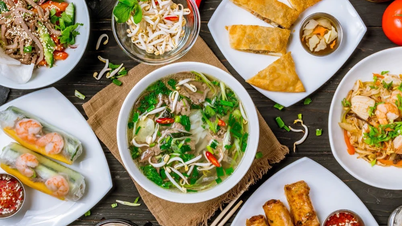
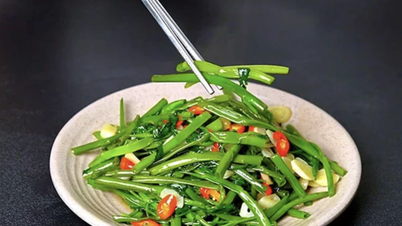
During pregnancy, a woman's nutritional needs increase significantly to support fetal development and maintain her own health. According to nutrition experts, a nutritious meal doesn't necessarily have to be elaborate or expensive, but it should ensure an adequate supply of essential nutrients. Among these, folic acid, iron, calcium, protein, and DHA are five crucial components that expectant mothers should not overlook.
Folic acid helps reduce the risk of birth defects.
According to the Hindustan Times, folic acid (vitamin B9) is considered a particularly important nutrient even before pregnancy and during the first few months of pregnancy. The US National Institutes of Health (NIH) states that adequate folate intake helps reduce the risk of neural tube defects in the fetus, while also supporting the formation of new cells and placental development.
Foods rich in folic acid are quite abundant, including dark green leafy vegetables such as spinach, broccoli, and asparagus, legumes, citrus fruits, and fortified cereals.
Women should start taking folic acid supplements about three months before pregnancy and continue throughout the early stages of pregnancy to support healthy fetal development.
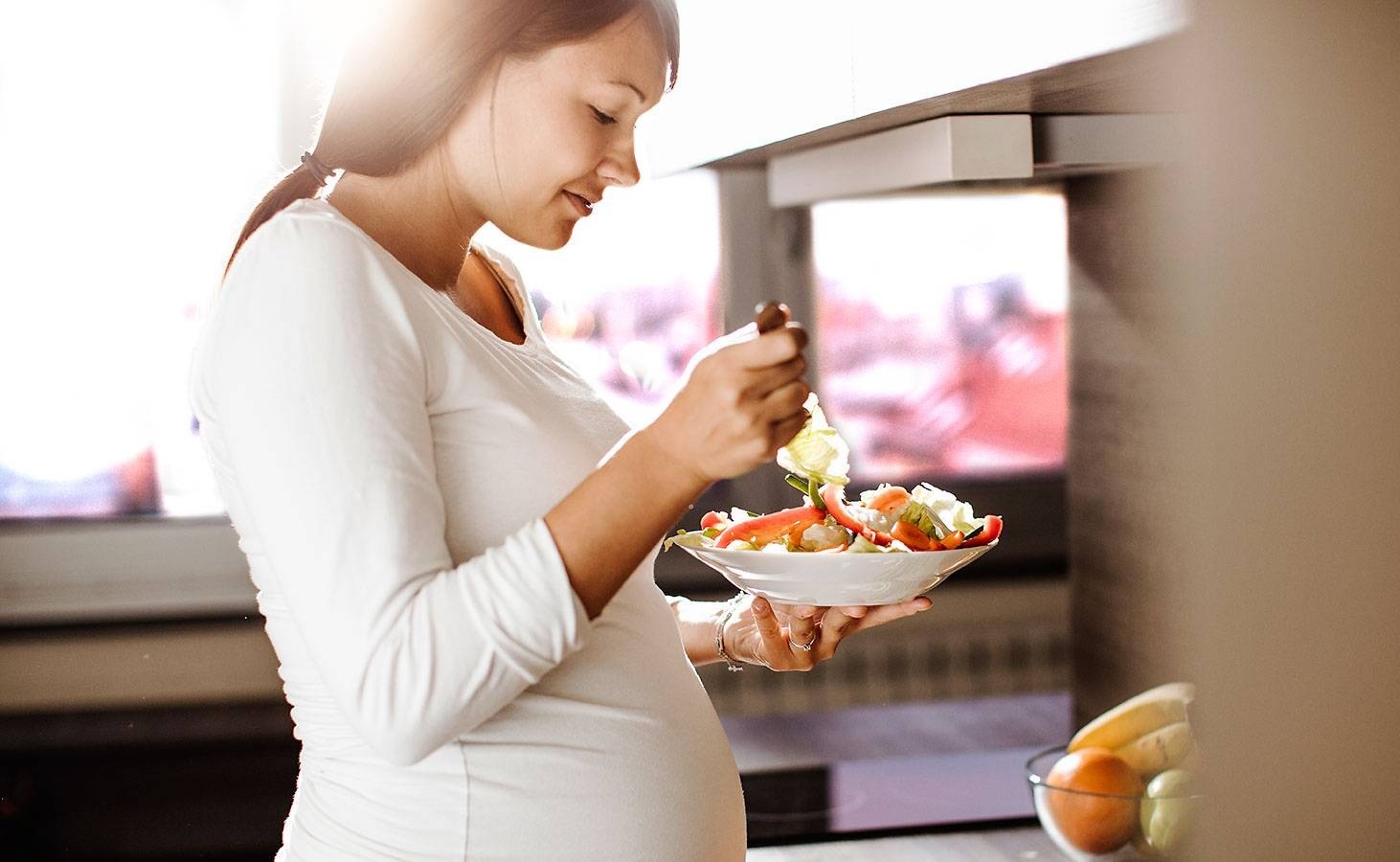 |
A balanced, varied diet with all the necessary nutrients is fundamental to a healthy pregnancy for the mother and creates the best conditions for the baby's development. Photo: Smart Parents. |
Iron helps prevent anemia.
During pregnancy, the mother's blood volume increases to meet the needs of transporting oxygen and nutrients to the fetus. Therefore, the need for iron is also higher than normal.


According to the Mayo Clinic, pregnant women need about 27 mg of iron per day. Iron deficiency can lead to anemia, causing fatigue and dizziness in the mother, and increasing the risk of premature birth or low birth weight babies.
Lean beef, pork, poultry, fish, beans, leafy green vegetables, and iron-fortified cereals are all foods rich in this nutrient. To increase iron absorption, pregnant women should combine their meals with fruits rich in vitamin C such as oranges, tangerines, kiwis, or guavas.
Calcium contributes to the development of the fetal skeletal system.
Calcium is an essential component in the formation of a baby's bones and teeth. If the diet does not provide enough calcium, the fetus will draw calcium from the mother's bone reserves, which can affect bone health in the long term.
Pregnant women need about 1,000 mg of calcium per day. Milk, yogurt, cheese, tofu, small fish eaten whole with bones, and leafy green vegetables like kale and bok choy are all good sources of calcium.
Protein is the "building block" for fetal development.
Protein is involved in the formation of the fetus's organs, muscles, skin, and many other tissues. At the same time, this nutrient also contributes to the development of the placenta and helps the mother's body adapt to the changes during pregnancy.
High-quality protein sources include lean meat, fish, eggs, milk, shrimp, beans, and soy. Pregnant women should prioritize protein from a variety of sources instead of focusing solely on red meat. A diverse diet not only helps balance nutrition but also provides essential vitamins and minerals.
DHA supports brain and vision development.



DHA is an omega-3 fatty acid that plays a crucial role in the development of the fetal brain and retina. Adequate DHA intake during pregnancy can support cognitive and visual development and may contribute to a reduced risk of premature birth in some cases.
Natural sources of DHA include salmon, sardines, herring, anchovies, and some types of DHA-rich eggs. However, pregnant women should choose fish with low mercury levels and limit consumption of large fish such as swordfish or shark to ensure safety.
Source: https://znews.vn/duong-chat-cho-me-bau-can-thiet-moi-ngay-post1663610.html