


Unhealthy diets and sedentary lifestyles are leading to a growing rate of childhood obesity. Obesity not only affects appearance but also causes many serious consequences for children's physical and mental health.
Causes of childhood obesity
Childhood obesity can stem from a variety of causes, including:
- Genetic factors
The risk of obesity is higher if a child is born into a family where parents or relatives are obese.
- Unhealthy eating habits
Regular consumption of sugary and fatty foods, fast food, packaged foods, and energy-rich carbonated drinks is a common cause of obesity. Additionally, many families have a habit of feeding children even when they are not hungry or exceeding their body's energy needs.
- Lack of physical activity
Instead of engaging in physical activities, children spend more time watching television, using phones, and playing video games. This leads to excess energy not being burned, excess fat accumulating, and an increased risk of obesity.
- Some endocrine disorders
Disorders such as hypothyroidism, hyperadrenalism, and primary hyperinsulinism can also be causes of childhood obesity.
Consequences of childhood obesity
In recent years, the rate of childhood obesity has been increasing, especially in developing countries and regions. Obesity not only makes it difficult for children to reach their optimal height but also seriously affects their health and overall development. When children show signs of being overweight or obese, parents should take them for early examination and specialist consultation.
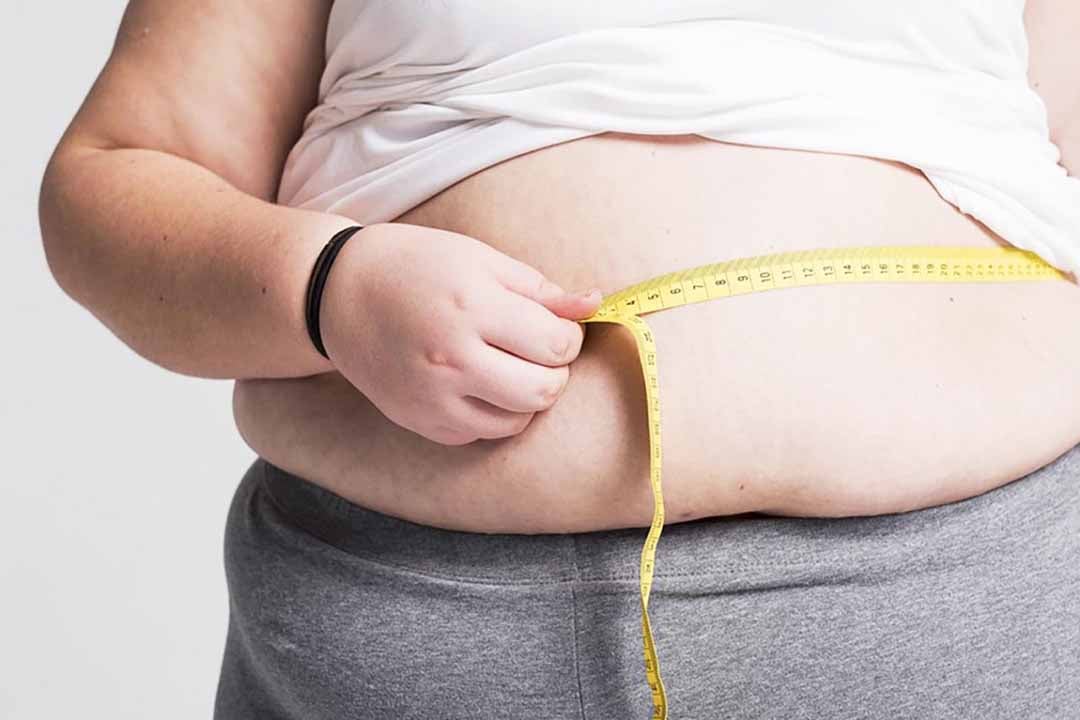
Childhood obesity can stem from a variety of causes.
Here are eight common harmful effects of childhood obesity:
1. Weakened immune system
Obesity weakens the immune system, making children more susceptible to infections and frequent illnesses.
2. Early puberty
Being overweight or obese increases the risk of early puberty, especially in girls. Excess fat stimulates the production of the hormone leptin, which promotes puberty to occur earlier than normal.
3. Bone and joint diseases
An imbalance between height and weight puts significant pressure on the musculoskeletal system. If this condition persists, it increases the risk of pain, osteoarthritis, and osteoporosis in children.
4. Cardiovascular disease
Obesity increases blood cholesterol levels, leading to hyperlipidemia (high blood lipid levels). Fat accumulates in the blood vessel walls, causing atherosclerosis and increasing the risk of cardiovascular disease.
5. Respiratory diseases
Excess fat accumulates around the bronchi and diaphragm, obstructing breathing. Obese children often experience breathing difficulties, respiratory illnesses, and have a higher risk of developing sleep apnea, which can seriously affect their health.
6. Digestive disorders
Obesity in children makes them prone to digestive disorders because excess fat accumulates around the intestinal walls, hindering digestion. In addition, consuming many unhealthy foods forces the digestive system to work overtime. In particular, excess fat accumulation in the liver can lead to dangerous diseases such as fatty liver disease, hepatitis, and cirrhosis.
7. Increased risk of metabolic diseases
Childhood obesity increases the risk of developing metabolic diseases such as insulin resistance, prediabetes, and type 2 diabetes in adulthood.
8. Negative impact on psychology
Obese children often feel insecure about their appearance, are hesitant to socialize, have difficulty integrating into society, and are easily targeted for teasing. This negatively impacts their psychology, reducing their self-confidence and quality of life.
What should be done when a child is obese?
When children are obese, establishing a suitable diet and exercise regimen is the most important solution to control weight and support optimal development.
Although children are in a growth phase, parents should only provide enough food to meet their needs. Foods high in fat and sugar, such as fast food, fried foods, sweets, and soft drinks, should be limited.
In the initial stages of weight management, food portions should be gradually reduced to allow the child to adapt naturally. The goal is to help the child maintain a stable weight or gain less than 200g per month. If parents have concerns about their child's diet, they should consult a nutritionist.
In addition, parents should encourage children to increase their physical activity. Activities such as jumping rope, swimming, running, and walking should be maintained for about 60 minutes each day to help children reduce excess fat safely and effectively.
In addition to weight management, psychological support also plays a crucial role in helping children stabilize their mental state and improve treatment effectiveness. In some cases, doctors may prescribe appropriate medication or medical interventions to treat childhood obesity.
Source: https://suckhoedoisong.vn/8-tac-hai-cua-beo-phi-o-tre-em-169251230183554724.htm






































































































Comment (0)