1. What foods should I eat to boost collagen production and slow down aging?
Many believe that collagen supplementation is key to maintaining firm skin and slowing down the aging process. However, collagen from food or supplements is not absorbed intact but is broken down by the digestive system into smaller amino acids and peptides. The body then uses these components to synthesize new collagen for the skin, bones, blood vessels, and connective tissues. Therefore, to support natural collagen production, it is necessary to ensure a diet that provides sufficient high-quality protein along with important micronutrients such as vitamin C, zinc, and copper.
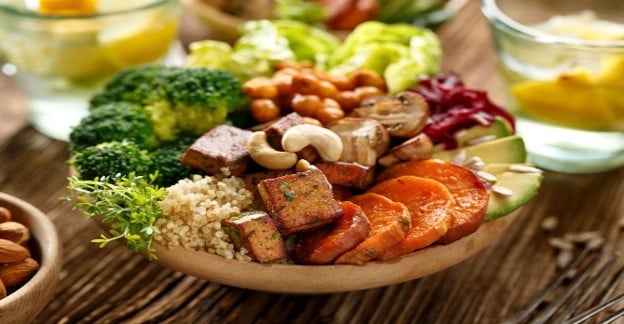
Certain foods are sources of collagen, which helps slow down the aging process in the body.
Here are some foods to be aware of:
1.1. Bone broth: Broth made from chicken, beef, or pork bones contains gelatin – a partially broken-down form of collagen. It's a source of glycine, proline, and glutamine, essential amino acids in collagen structure. Additionally, bone broth contains magnesium, calcium, and phosphorus, which support bone and joint health. However, it's best to simmer bones for a moderate amount of time, removing the fat that floats to the surface to limit saturated fat intake.
1. 2. Fatty fish and fish skin: Fish such as salmon, mackerel, and sardines are not only rich in protein but also contain omega-3s, which help reduce inflammation and protect the collagen structure under the skin. In particular, fish skin contains a relatively high amount of type I collagen – the type of collagen that makes up a large part of human skin structure. Eating fish regularly also helps improve skin moisture and elasticity over time.
1.3. Chicken meat: Parts like cartilage, neck, or wings contain a lot of connective tissue rich in natural collagen. In addition, chicken meat provides high-quality protein that helps the body regenerate tissue and maintain muscle mass. Studies on joint health have used chicken cartilage as a supplemental source of collagen for the body.


1.4. Egg whites: Although they don't directly contain collagen, egg whites are rich in proline – an important amino acid involved in the structure of collagen. Additionally, they are a low-fat source of protein, suitable for people who want to maintain their weight or control blood lipid levels.
1.5. Oranges, tangerines, and grapefruits are rich in vitamin C: Vitamin C is an almost indispensable element in the process of collagen synthesis. Without vitamin C, the body will have difficulty linking amino acids to form complete collagen fibers.
Citrus fruits also contain many antioxidants that help reduce cell damage caused by UV rays and environmental pollution.
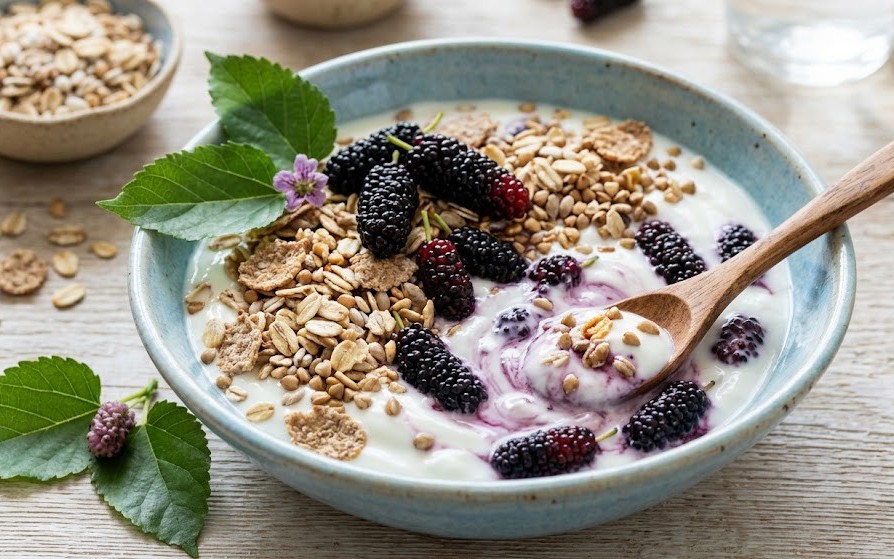
1.6. Strawberries and blueberries: This group of berries contains anthocyanins and many polyphenols with strong antioxidant properties. These active compounds help limit collagen damage caused by free radicals. In addition, strawberries provide natural vitamin C, supporting brighter, healthier, and more even-toned skin.
1.7. Dark green leafy vegetables: Spinach, kale, broccoli, and collard greens are rich in chlorophyll and vitamin C. These substances help increase collagen synthesis while reducing oxidative stress on the skin. In addition, green vegetables provide fiber and support a more efficient digestive system.
1.8. Garlic: Garlic contains sulfur – a mineral essential in the collagen production process. In addition, the active compound allicin in garlic has antioxidant and anti-inflammatory properties. Incorporating garlic into your daily diet can help protect collagen structure against the effects of aging.
1.9. Legumes: Soybeans, black beans, red beans, and lentils are rich sources of plant-based protein and amino acids. Many legumes also contain copper and zinc – two minerals involved in collagen production. Soybeans, in particular, contain isoflavones that may help improve skin elasticity in middle-aged women.
2. What can be done to maintain natural collagen levels in the long term?



To effectively support collagen production, a balanced diet should be combined with a healthy lifestyle:
- Get enough sleep.
- Drink enough water.
- Exercise regularly.
- Protect your skin from UV rays.
- Eat a variety of foods rich in protein, vitamin C, and antioxidants...
Collagen cannot be increased by just one food or one supplement. A scientific diet combined with a balanced lifestyle is the key to maintaining healthy skin and slowing down the aging process from within.
Readers are invited to watch the video :
Source: https://suckhoedoisong.vn/9-thuc-pham-ho-tro-da-san-chac-va-cham-lao-hoa-169260609121240992.htm































































































![[INFOGRAPHICS] Can Tho implements the Strategy for Ethnic Affairs until 2030, with a vision to 2045](https://vphoto.vietnam.vn/thumb/402x226/vietnam/resource/IMAGE/2026/06/28/1782658308447_1782658217.webp)