I have hyperthyroidism. Can I eat seaweed in small amounts, or should I avoid it completely? Thank you! (Bich Nga - Tan Dinh, Ho Chi Minh City).
Dr. Nguyen Duc Tinh, a specialist working at Military Hospital 175 in Ho Chi Minh City, provides the following advice:
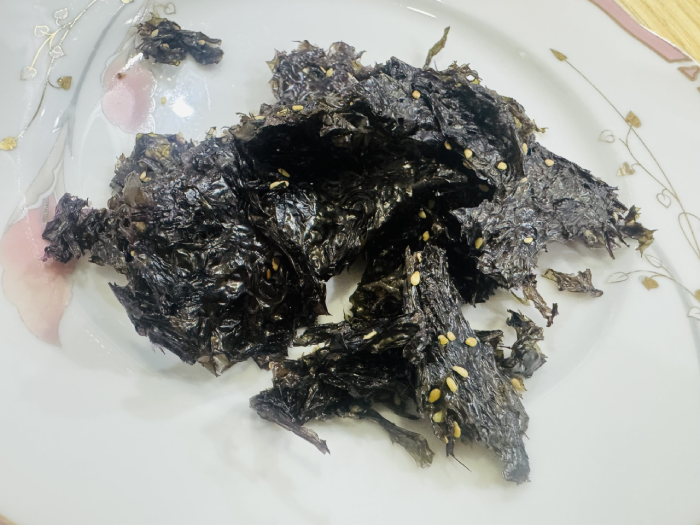
Seaweed and other types of algae have long been considered highly nutritious foods due to their abundance of vitamins, minerals, and antioxidants. In particular, they are a very rich natural source of iodine – an essential micronutrient that helps the thyroid gland produce important hormones that regulate the body's metabolism.
However, for people with thyroid disease, seaweed is not always a beneficial option. In some cases, excessive iodine intake can worsen the condition. Even a small amount of seaweed can contain iodine levels many times higher than the recommended daily intake for adults.
While iodine deficiency can cause hypothyroidism or goiter, iodine excess may trigger or worsen certain thyroid disorders.



Therefore, patients need to understand their health condition before consuming these types of foods.
- This group includes people with Graves' disease, a form of autoimmune hyperthyroidism. In these patients, the thyroid gland is overactive and produces more hormones than the body needs.
When iodine from seaweed or algae is supplemented, the thyroid gland may be stimulated to produce more hormones, making symptoms such as nervousness, rapid heartbeat, tremors, and weight loss more severe. In severe cases, the risk of developing a dangerous, potentially life-threatening thyroid storm also increases.
- People with toxic thyroid nodules also need to be cautious. This is a condition where one or more nodules in the thyroid gland produce hormones uncontrollably. Taking iodine supplements can cause these nodules to become more active, increasing thyroid hormone levels and making the condition more difficult to control.
- For people with Hashimoto's thyroiditis, eating seaweed is not completely forbidden but should be limited. Some studies show that excessively high levels of iodine can promote an autoimmune response, causing thyroid damage to progress more rapidly. Patients should avoid regularly consuming dried seaweed, kelp, or concentrated seaweed supplements containing high levels of iodine.
Conversely, cases of hypothyroidism due to iodine deficiency, post-surgical hypothyroidism, or hypothyroidism following thyroid treatment can still be treated with seaweed in reasonable amounts.



People with benign goiter, thyroid cysts, or thyroid nodules, but with normal thyroid function, do not need to completely eliminate this food from their diet.
Each thyroid disorder has a different mechanism, so the iodine requirements also vary. Inappropriate supplementation or restriction can affect treatment effectiveness and long-term health.

Source: https://vietnamnet.vn/ai-khong-nen-an-rong-bien-2523055.html