Some days I cycled nearly 200 kilometers round trip, the sun burning my skin, the rain making the muddy ground slippery, causing me to fall repeatedly. I remember one time, when I reached Go Noi, my front tire punctured and deflated completely. I couldn't find a repair shop anywhere, so I grabbed some straw from the roadside, stuffed it tightly into the tire, and tied it with rubber bands. Then I cycled dozens of kilometers back to work like that.
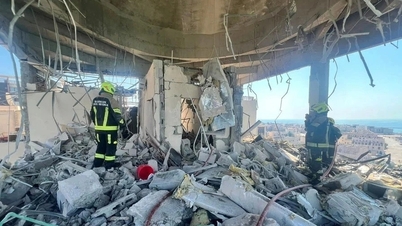
After buying a 50cc motorbike, I ventured further afield, traveling to remote villages in the highlands. Each trip took several days. I was engrossed in reporting on the jungles, following illegal loggers and gold miners... Then there were the work trips along the central and Tây Nguyên (Central Highlands) provinces, some trips involving nearly two days on buses. In decades of journalism, I can't count all the places I've been, only that I've spent more time traveling than at home. There were places that were incredibly difficult to reach, like the Hoàng Sa (Paracel Islands), where I was fortunate enough to stay and work for two weeks amidst chases and water cannon attacks. My notebooks were constantly being refilled, piled high in my drawers.
Back then, if you didn't go to the places yourself to investigate, observe, listen, ask questions, take photos, and record information, how could you write? There were no telephones to write "reports over the phone"! Newspapers were scarce, only publishing a few issues a week, and even ordering them was difficult, so where would you get news and images to "process"? Film cameras meant that after taking a few shots, you'd tear off a section to send to a photo processing shop to get them printed in time for the newspaper. There were no readily available images or video clips like there are now, where you can just download them from the internet and have them "yours"?

In this age of rapid artificial intelligence (AI) and increasingly sophisticated social media platforms, the speed of information updates can be measured in a thousandth of a blink of an eye. With 8 billion people in the world, there must be billions of "citizen journalists"—individuals willing to share the hottest news, images, and videos online, all from the corners of the planet, using only a smartphone . No newsroom has enough staff to do all that.
Therefore, readers and the public are currently experiencing information overload. Much of this information and images is violent, offensive, and a mix of truth and falsehood. The reality is that the public is both overwhelmed by harmful "junk" information and desperately craves authentic, relatable, and moving stories about people and the beauty that overcomes adversity. That's why journalists need to travel, and travel even more.



Journalists in the age of AI need to walk, with feet that can think and empathize.
Journalist Xuan Ba recounts that in 1968, journalist Nguyen Bich Hau worked in the Reader Relations Department of Tien Phong newspaper. One time, the editorial office received a letter from a woman in Phu Xuyen (Ha Tay province), asking Tien Phong to help find her husband who had abandoned her and their children years ago! At that time, the bombing campaign in the North was spreading, transportation was scarce, and Ms. Hau had just given birth. Yet, journalist Bich Hau cycled to Phu Xuyen to investigate the wife's situation, then tirelessly cycled to construction sites where her husband might be working as a bricklayer. Time passed. One day, she heard that her husband was working at a construction site in Dien Bien Phu. Ms. Hau then spent half a month traveling by bus and bicycle to Dien Bien Phu... But upon arrival, she learned that he had moved elsewhere. The story is quite dramatic and lengthy, but in the end, journalist Bich Hau managed to find and persuade her husband, who was living with his mistress, to return to his wife and children. A happy ending, just like her name, Hậu – now 93 years old, she still prefers to be called "sister."

Given the current challenges and transformations in journalism, not only in Vietnam, many subjective factors must also be considered. These include the fact that many journalists are lazy, reluctant to think critically, slow to adapt, and overly reliant on a seemingly unchanging foundation.
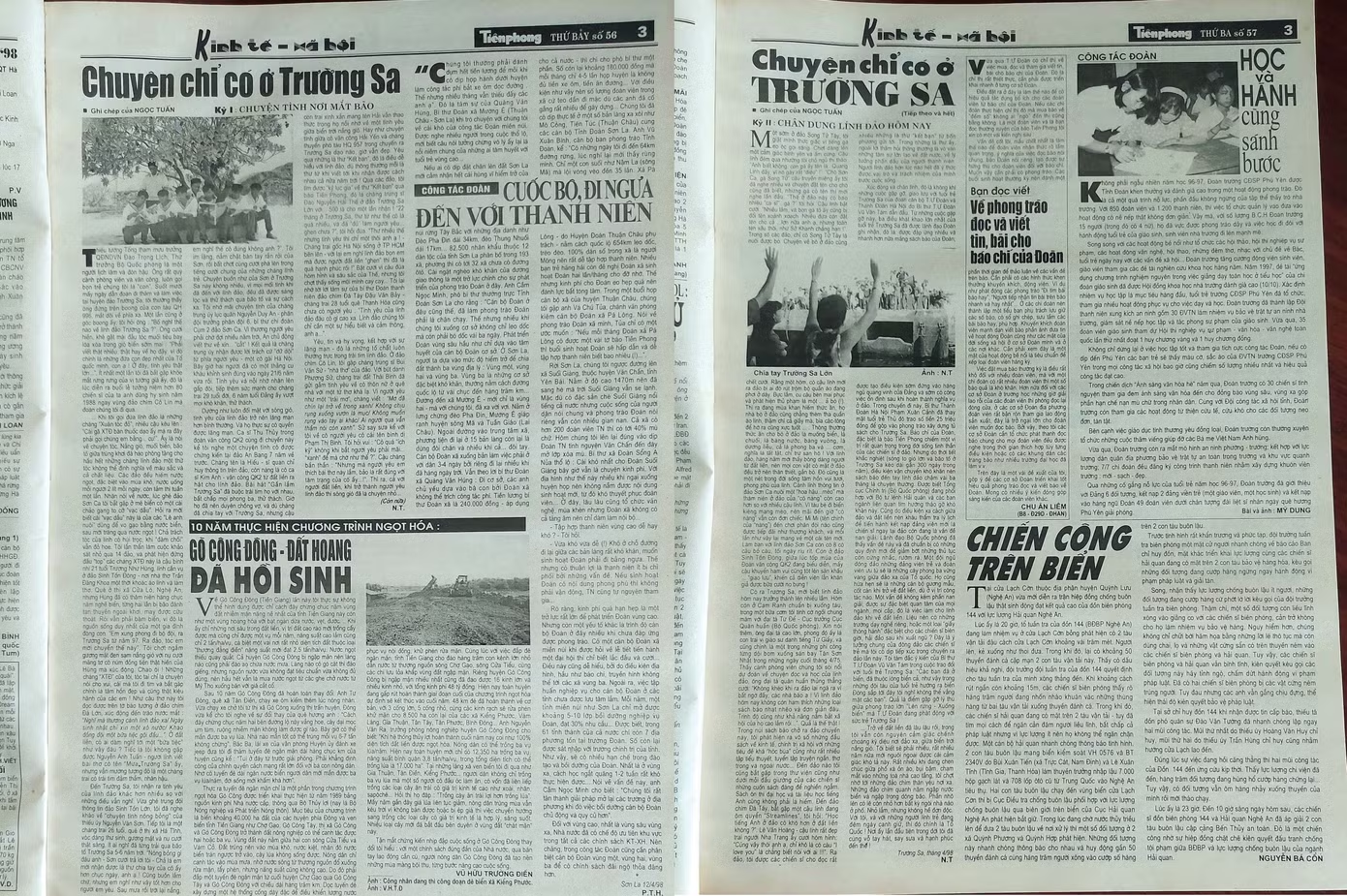
Looking back at the time-worn pages of Tien Phong newspaper over the past seven decades, countless stories like these are revealed. Almost every issue tells of people, their ups and downs, and the joint efforts of the editorial staff and readers to bring them happy endings. There are stories and circumstances that Tien Phong newspaper pursued for many years until they yielded results. To achieve that, countless feet braved the sun, rain, storms, and dangers, driven by responsibility and compassion for humanity. Could artificial intelligence do the same?!



Thank you, journalism, thank you for the journeys that have allowed me to meet so many people, see so many lives, witness so much beauty and also the injustices of life, enriching my writing and my love for it. Reading back through the travelogues and character profiles that have spanned from my youth to the present day, I suddenly feel a lump in my throat…
Source: https://tienphong.vn/ai-thi-ngoi-nha-bao-phai-di-post1852815.tpo