

Specifically, the Council calls on member states to integrate measures to prevent and combat cyber violence into their national action plans against gender-based violence, in order to ensure that women can fully participate in social life without being threatened or discriminated against.
To prevent potential gender biases in artificial intelligence (AI) algorithms that could lead to discriminatory decisions if not rigorously controlled, EU member states are advised to use diverse, representative, and transparent data, ensure human oversight of decision-making processes, and fully comply with anti-discrimination regulations in the technology sector.
Furthermore, AI is also seen as a potential tool for detecting and reducing bias if used correctly and transparently. The Council also called for increased research on the growing trend of misogynistic content and extreme masculinization on social media, which can divide and undermine progress made in the field of gender equality.
The Council encourages the active participation of men in efforts to combat the root causes of gender inequality.
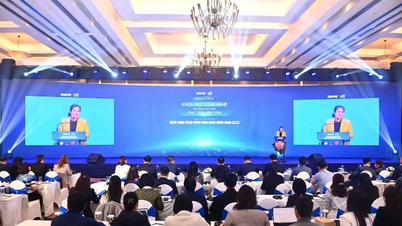
Around the same time, the Malaysian Ministry of Investment, Trade and Industry (MITI) organized the ASEAN Women's Economic Forum (WEF ASEAN 2025), celebrating the transforming role of women in driving global economic growth, showcasing success stories and strategies that highlight the power of women-led sustainable development.
At the forum, Dr. Datuk Seri Wan Azizah Wan Ismail, wife of Malaysian Prime Minister Anwar Ibrahim, stated that the WEF ASEAN, dubbed the “Sheconomy,” reflects a strong recognition of the growing influence of women in shaping economic narratives. ASEAN currently has approximately 334 million women, and leveraging the talents of this community will unlock around US$2.3 trillion.
She called on policymakers and businesses to work together to build inclusive growth through shared leadership and cross-border collaboration, translating efforts to empower women economically into concrete commitments from companies and governments .
Dr. Wan Azizah also emphasized the importance of work-life balance, stating that if society wants women to participate more in the economy, it must also recognize that caring for the family is a shared responsibility of both genders.
According to MITI, the labor participation rate for women in Malaysia is 56%, compared to 82.9% for men, significantly lower than many other Southeast Asian economies. However, Malaysia has achieved some notable successes. Approximately 58% of civil servants are women.
At the decision-making level of public officials, 42% are women, which is quite high compared to other developing countries. From 2023, Malaysia required 30% of the board members of publicly listed companies to be women.
Thus, at the decision-making levels of businesses and governments, women are making tremendous progress. Malaysia will establish ASEAN's first Women's Economic Empowerment Centre, aiming to ensure the bloc's potential and opportunities are accessible to all, including women.
TO MINH
Source: https://nhandan.vn/ai-va-khoang-cach-gioi-post888674.html











































































Comment (0)